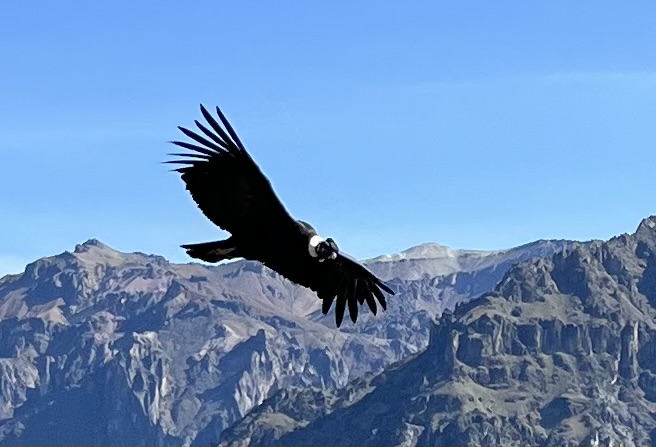
The Colca Canyon is one of the deepest canyons in the world along with Cotahuasi Canyon which is also in this area of Peru. Colca Canyon is only 43 miles long and one side is very steep and at an altitude of 13,640′ while the lower side is only 12,000′ and at a lesser slope reaching its height over a greater distance. The composition of the layers are mostly Cretaceous sedimentary rocks interspersed by much volcanic activity as they border the Valley of Volcanoes. But if you’ve been to our Grand Canyon you would never think it is smaller since ours takes your breath away. Its all about perspective.
Colca is said to be about 10,000′ deep while the Grand Canyon is 6,000′ deep and it seems the Grand Canyon’s viewing areas on both sides make it appear so much deeper. In contrast the Grand Canyon is 277 miles long which must be considered part of its grandness. It is also at a lower elevation than Colca as the North Rim is over 8,000′ while the south rim is at and the South Rim is at 7,000′ . The Colorado River has cut through mostly flat sedimentary layers over the past 70 million years.
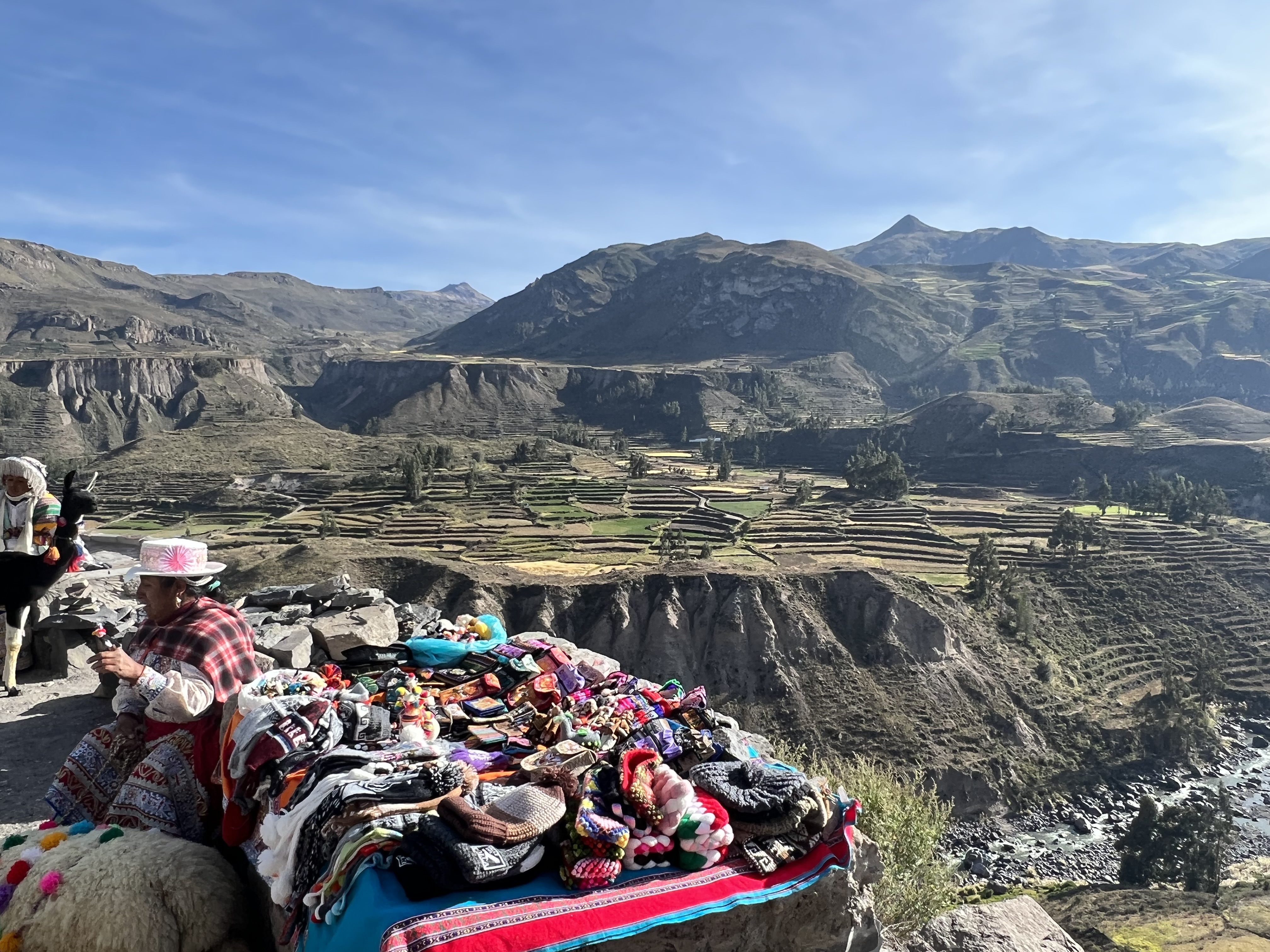
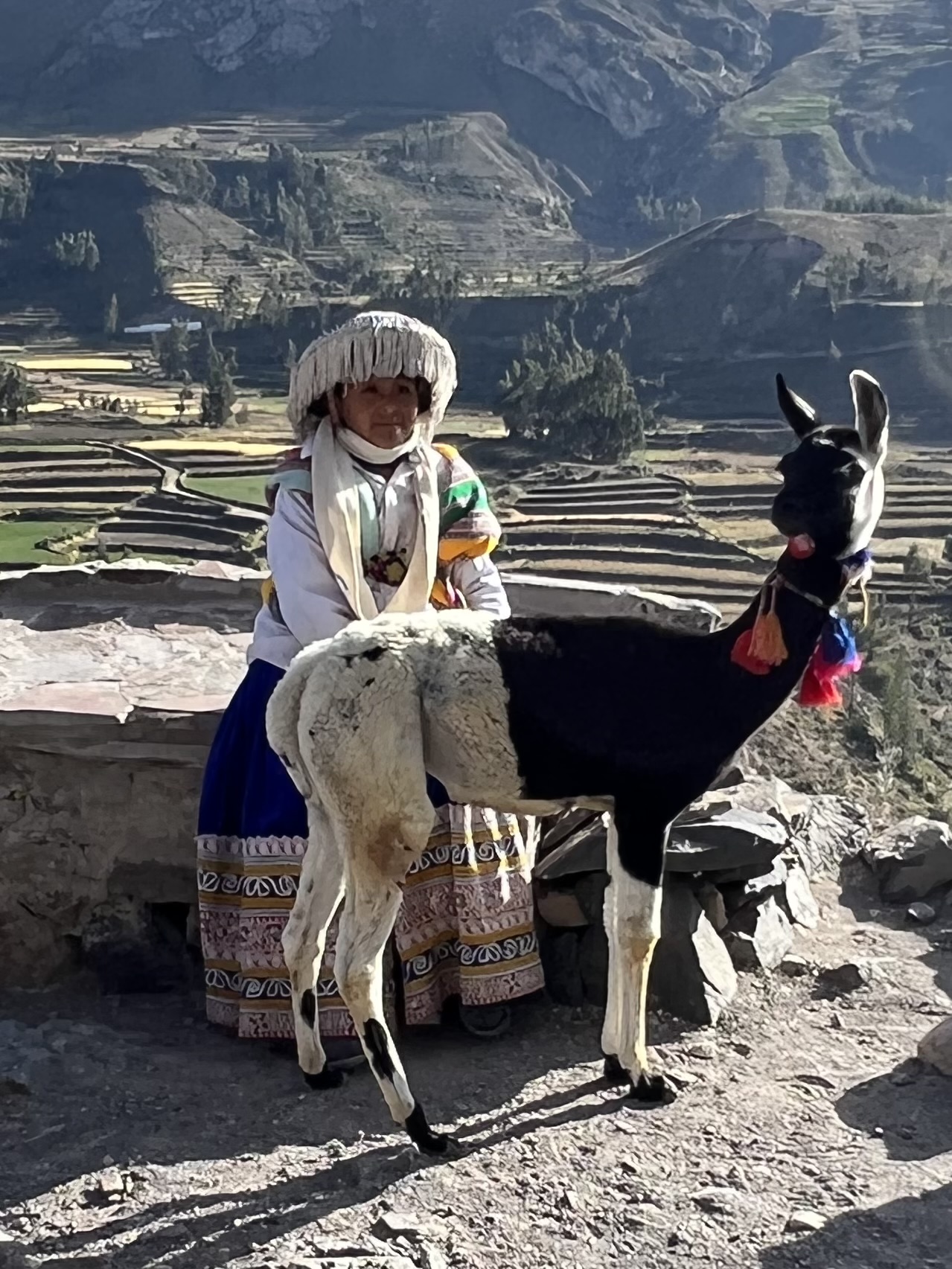
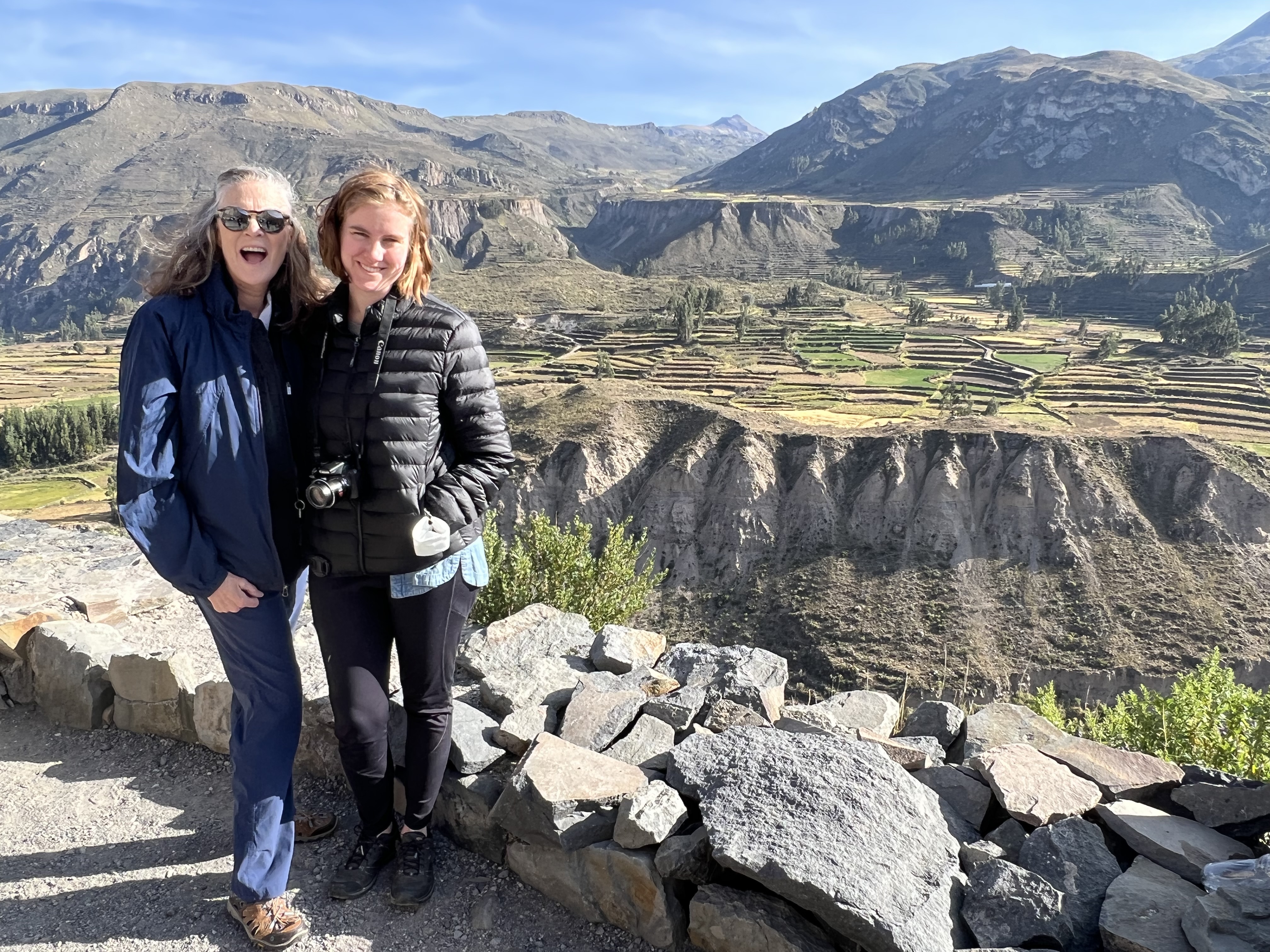
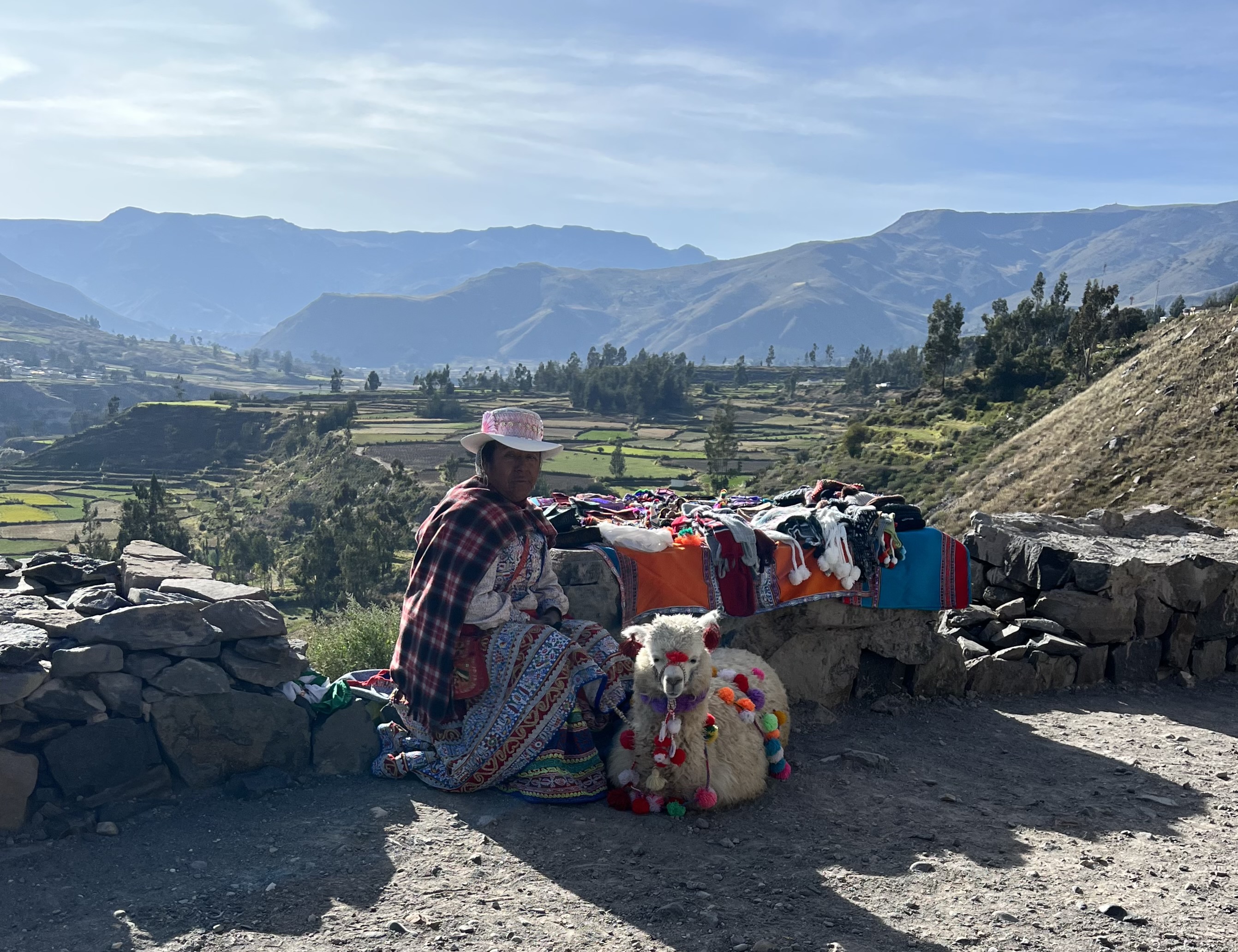

The drive up the canyon early in the morning took us past the incredible terraces that have been farmed before the Inca’s even arrived. The language here like the language in Cusco is Quechuan. There are of course many different dialects. I love the llama that seems to be half black and half white. There are always little things to look at and buy.
The generic term for these massive birds is vultur from the Latin but the word condor itself is derived from the Quechua word Kuntur. They can live in the wild for 50 years!
Condors fly mostly in the morning at sunrise and in evening around dusk to use the least amount of energy by utilizing the thermal air currents to help them keep their massive 30 plus pound bodies in gliding flight. Their wingspan is a whopping 10′ and the length of their body is around 4′. Males unlike most bird species is actually larger than the females and have different color irises, males brown and females are deep red. They are mostly black but have a white collar of feathers and a bald head – the better to eat you with and not have bacteria stick around. They reach maturity at 5-6 years. As the day progresses, we are told the birds that continued flying in our viewing area were juveniles practicing their flying.
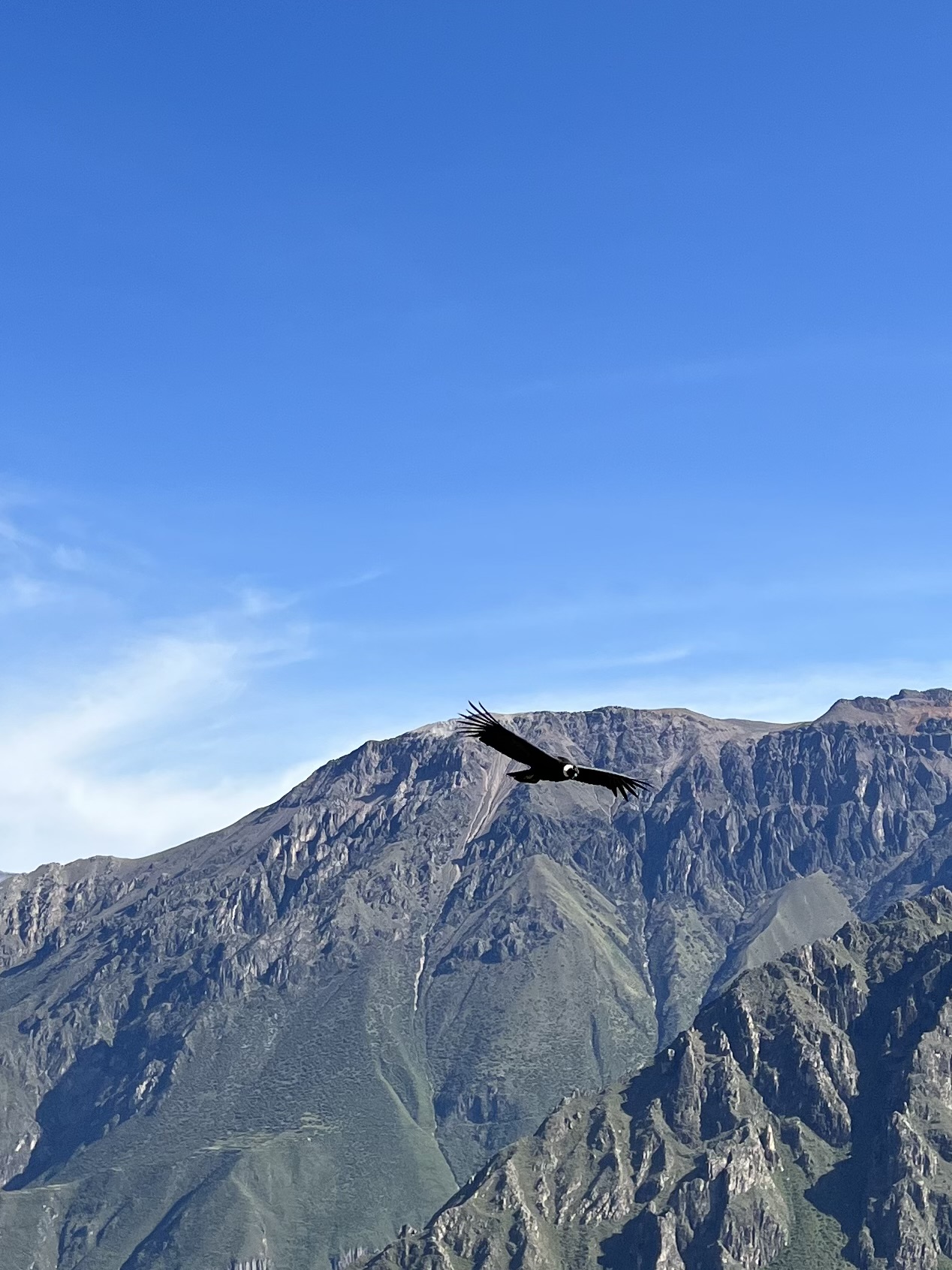

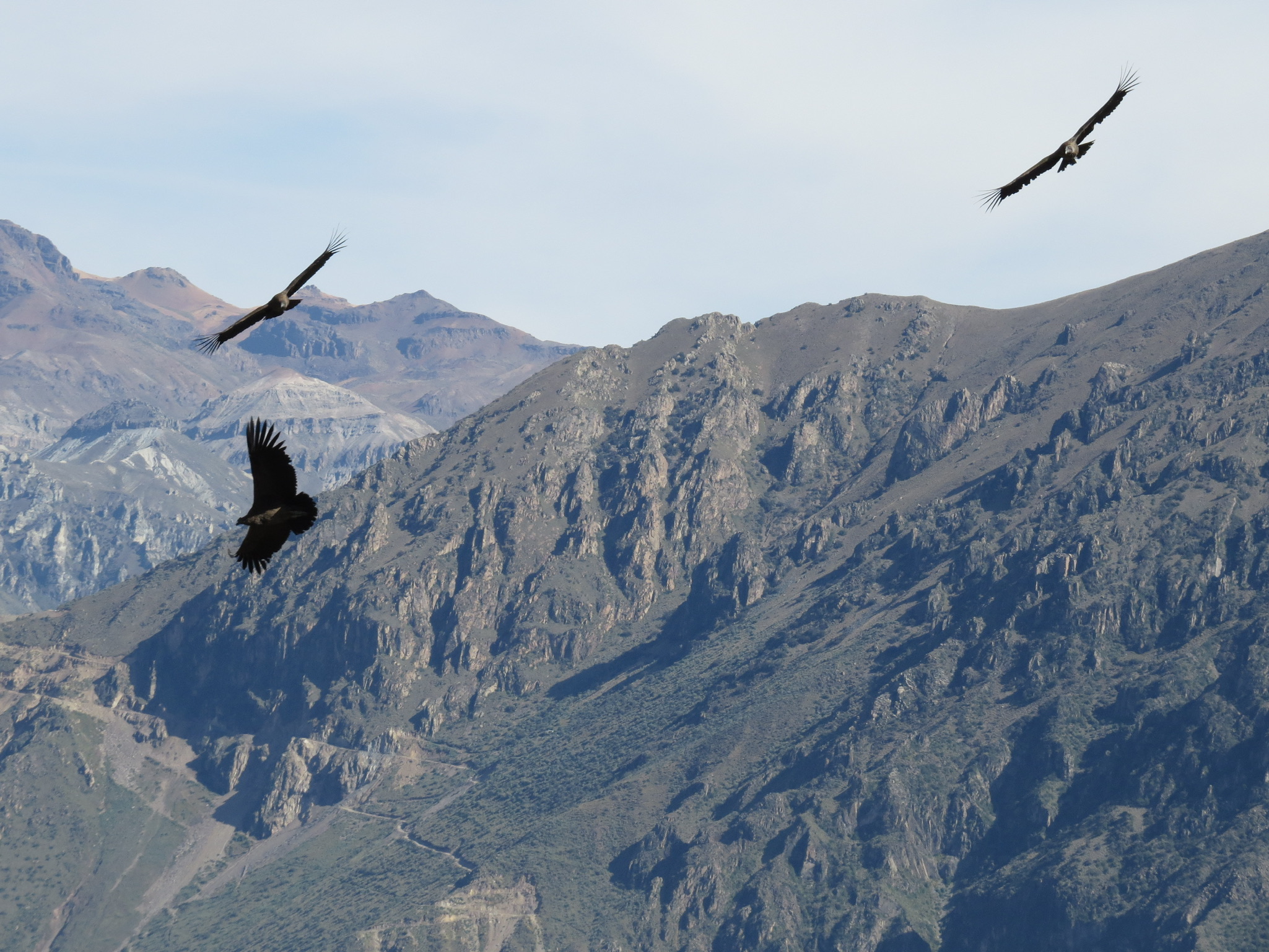
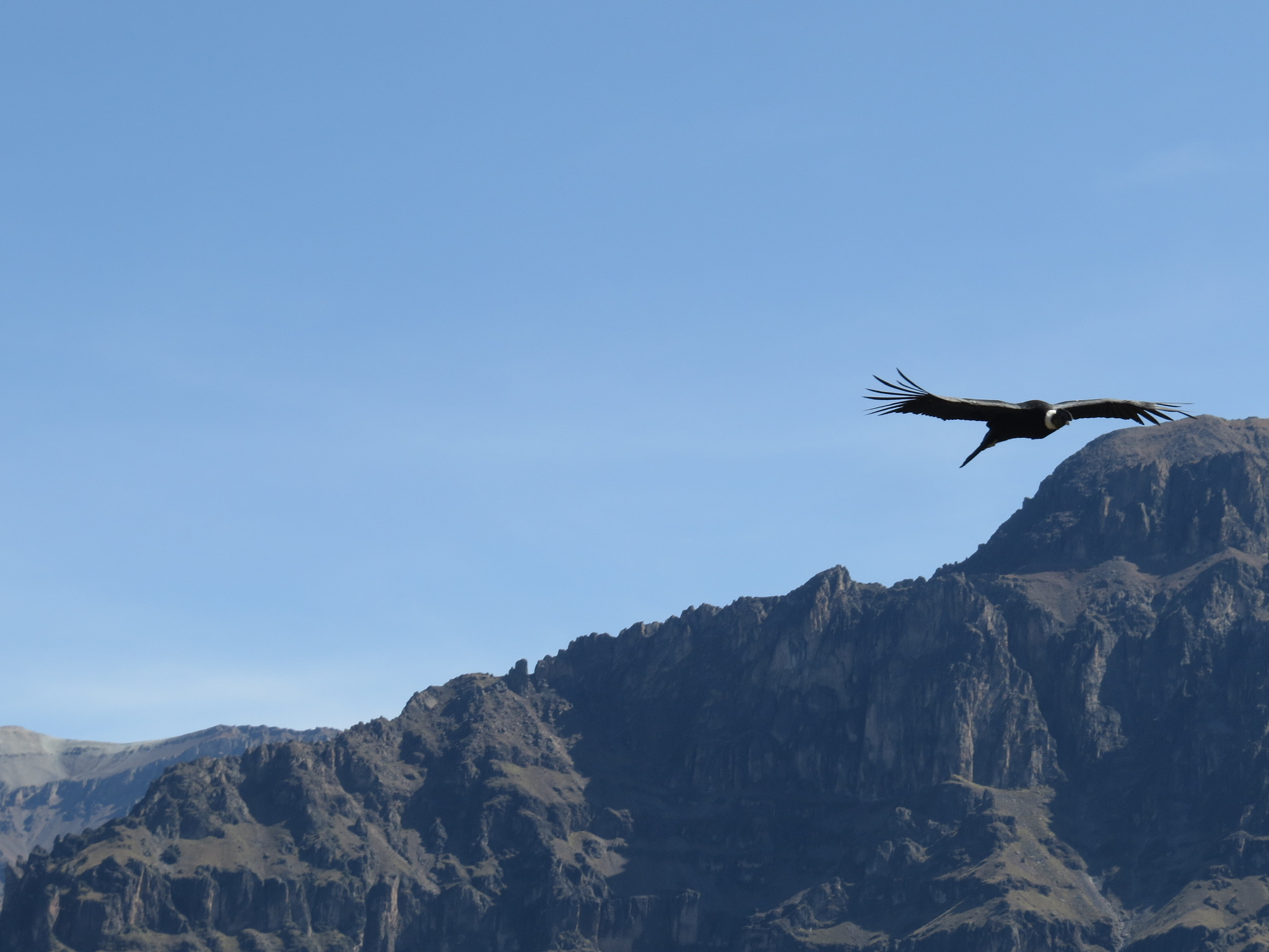
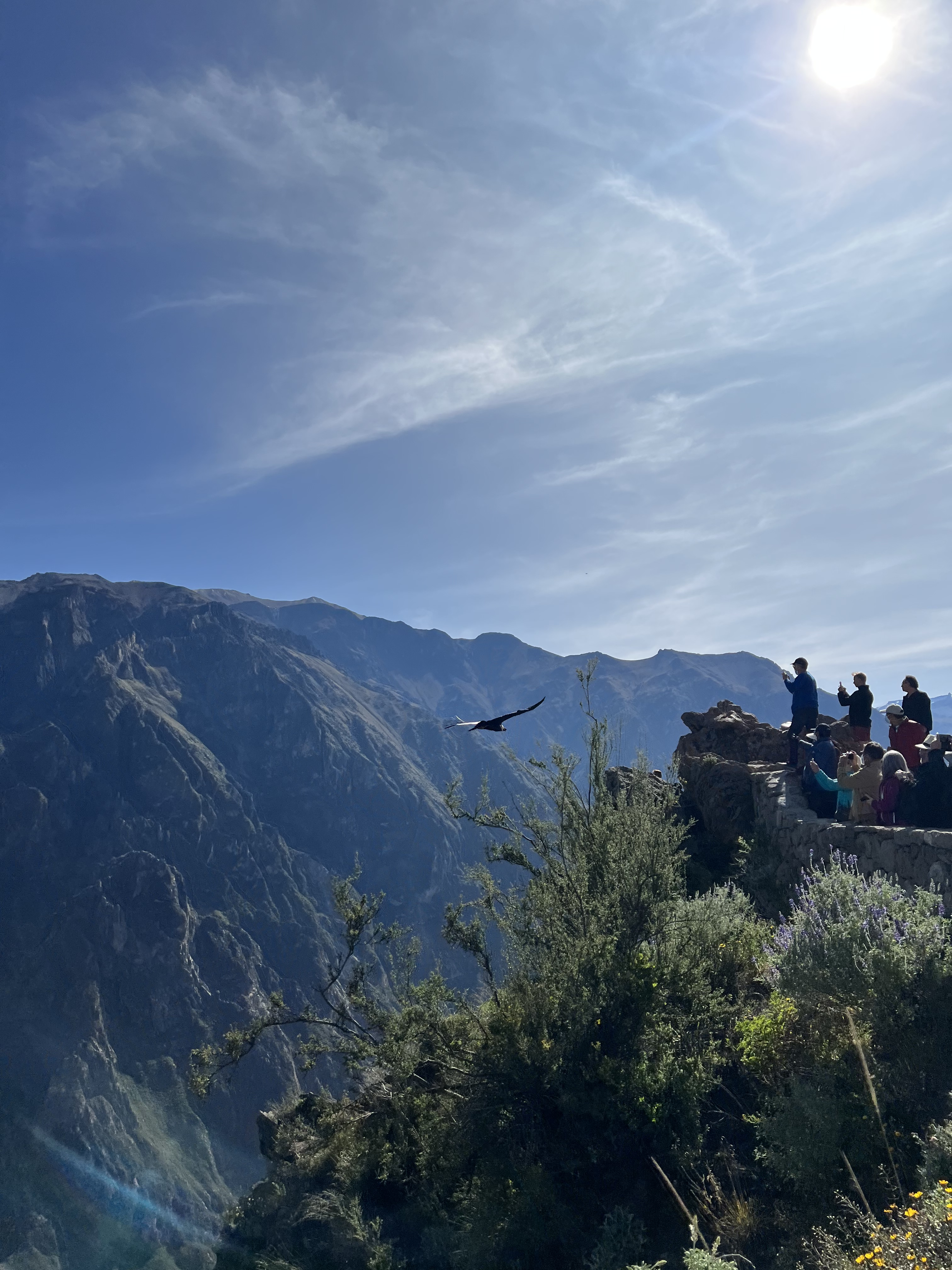
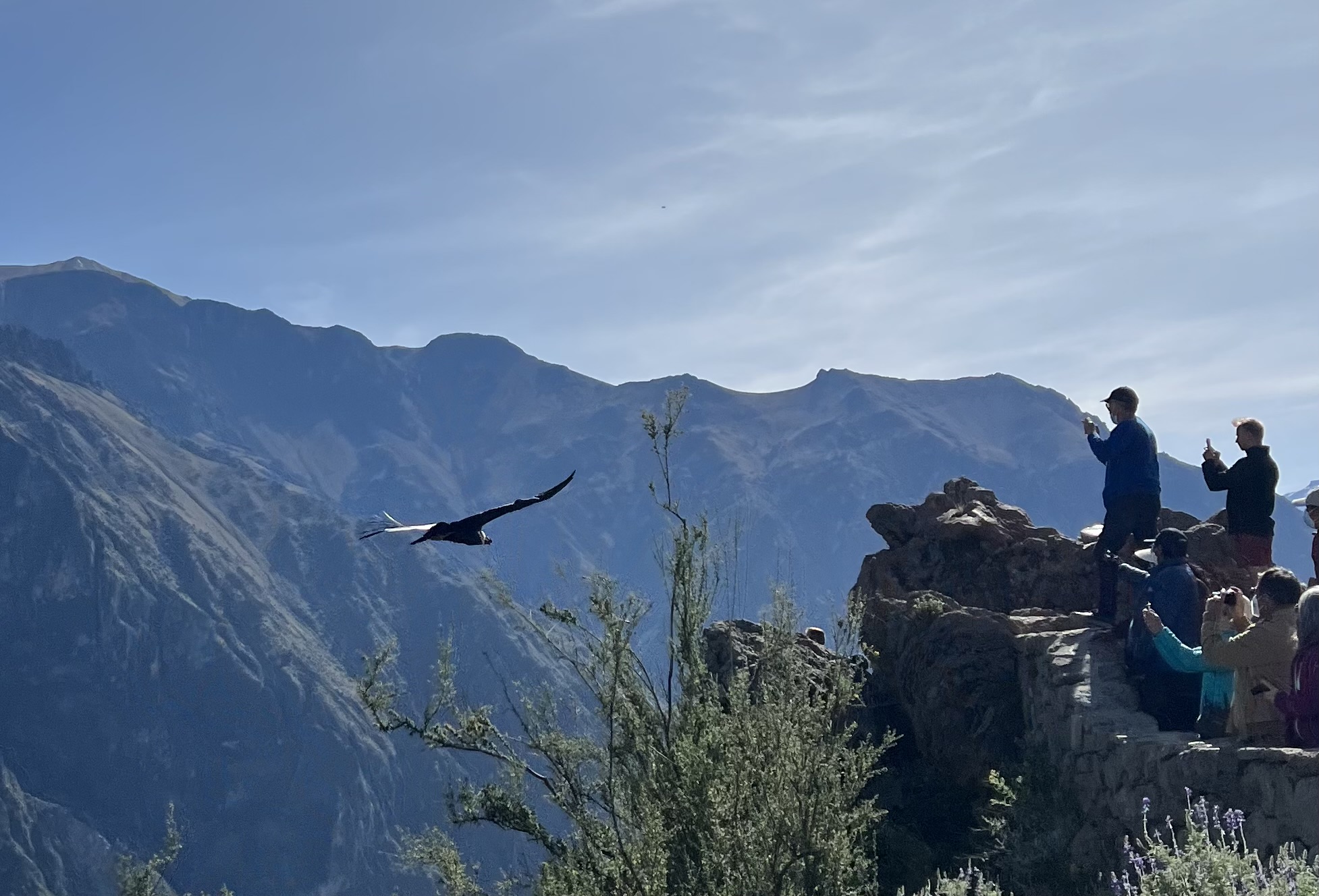
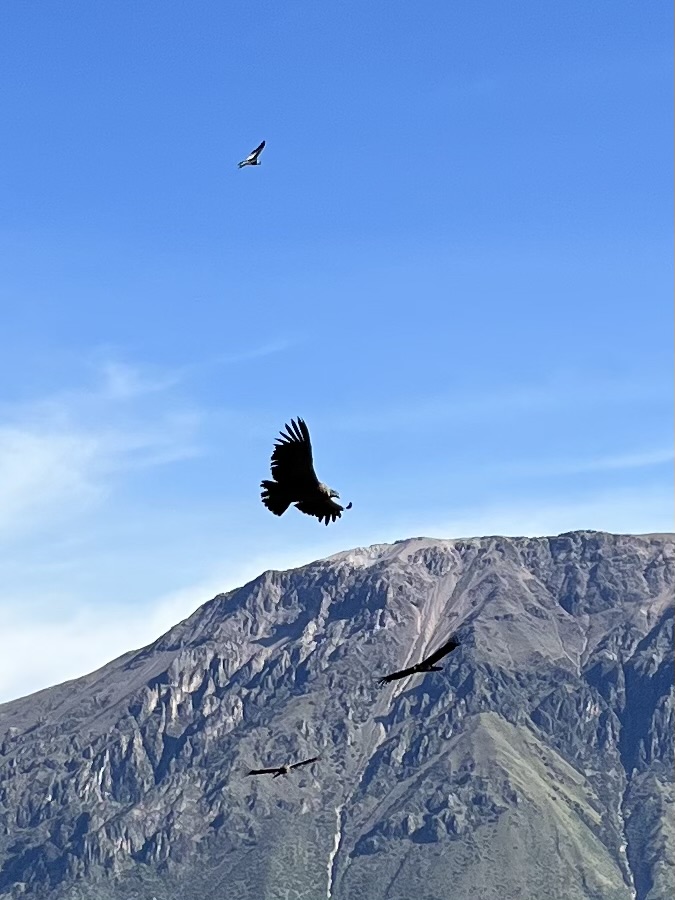
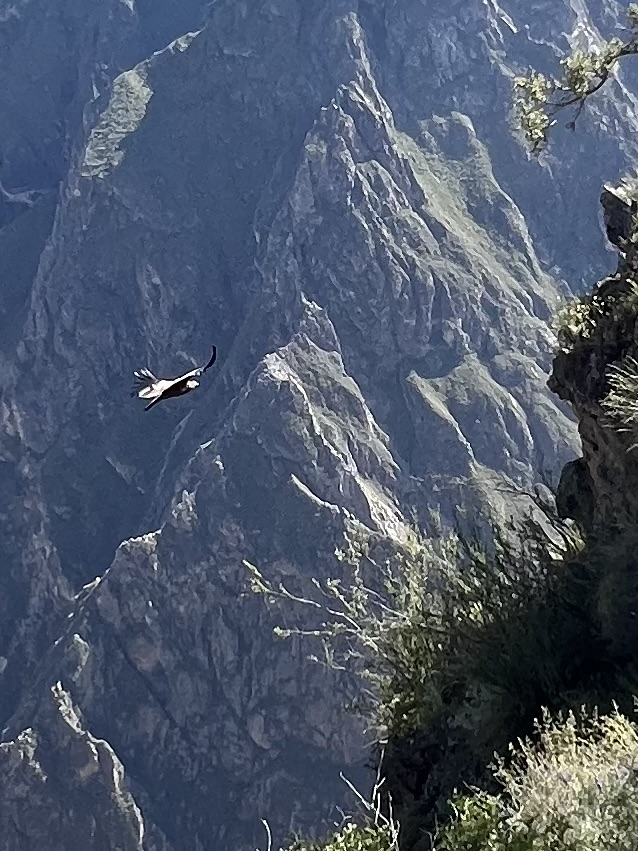
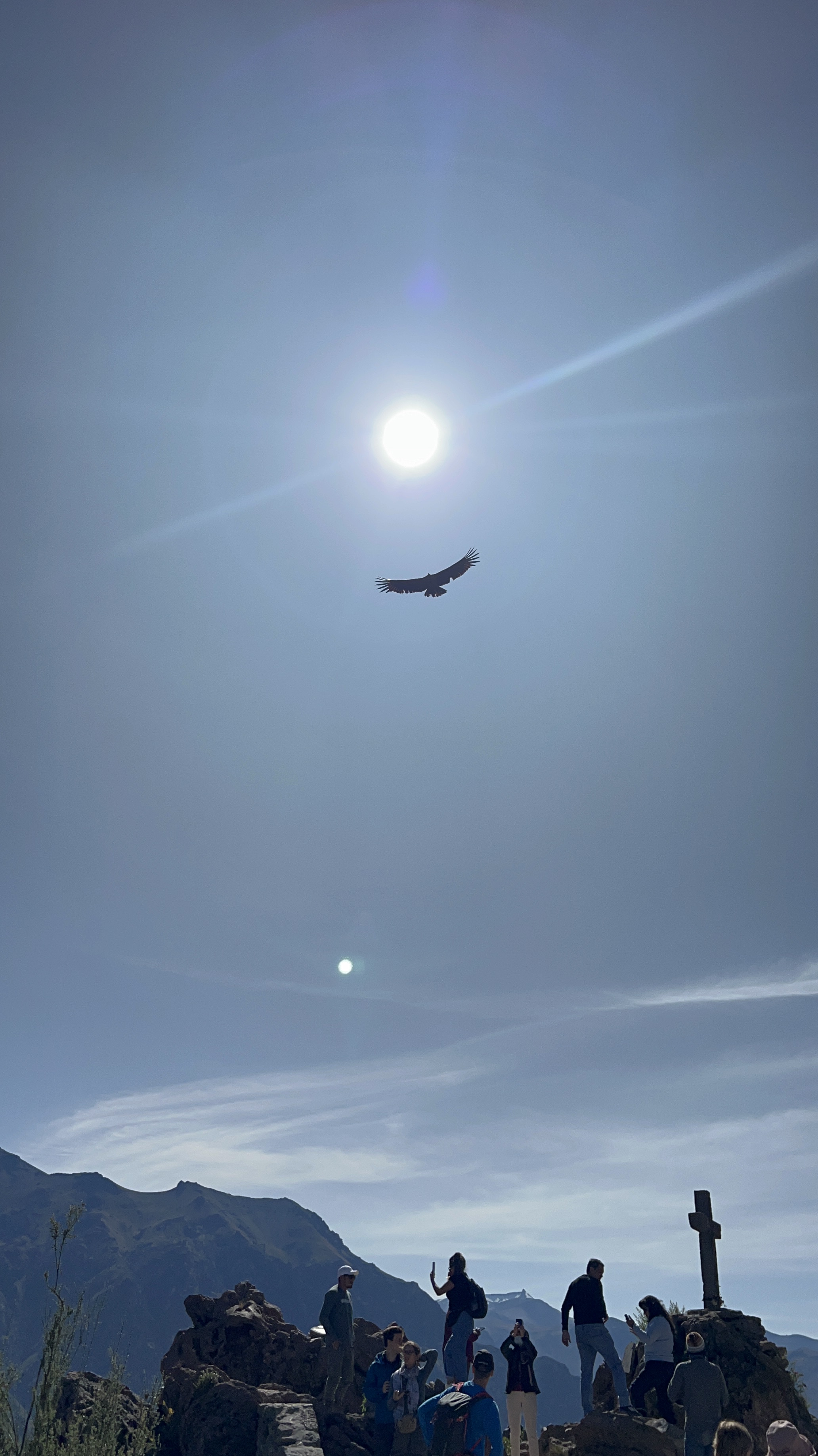

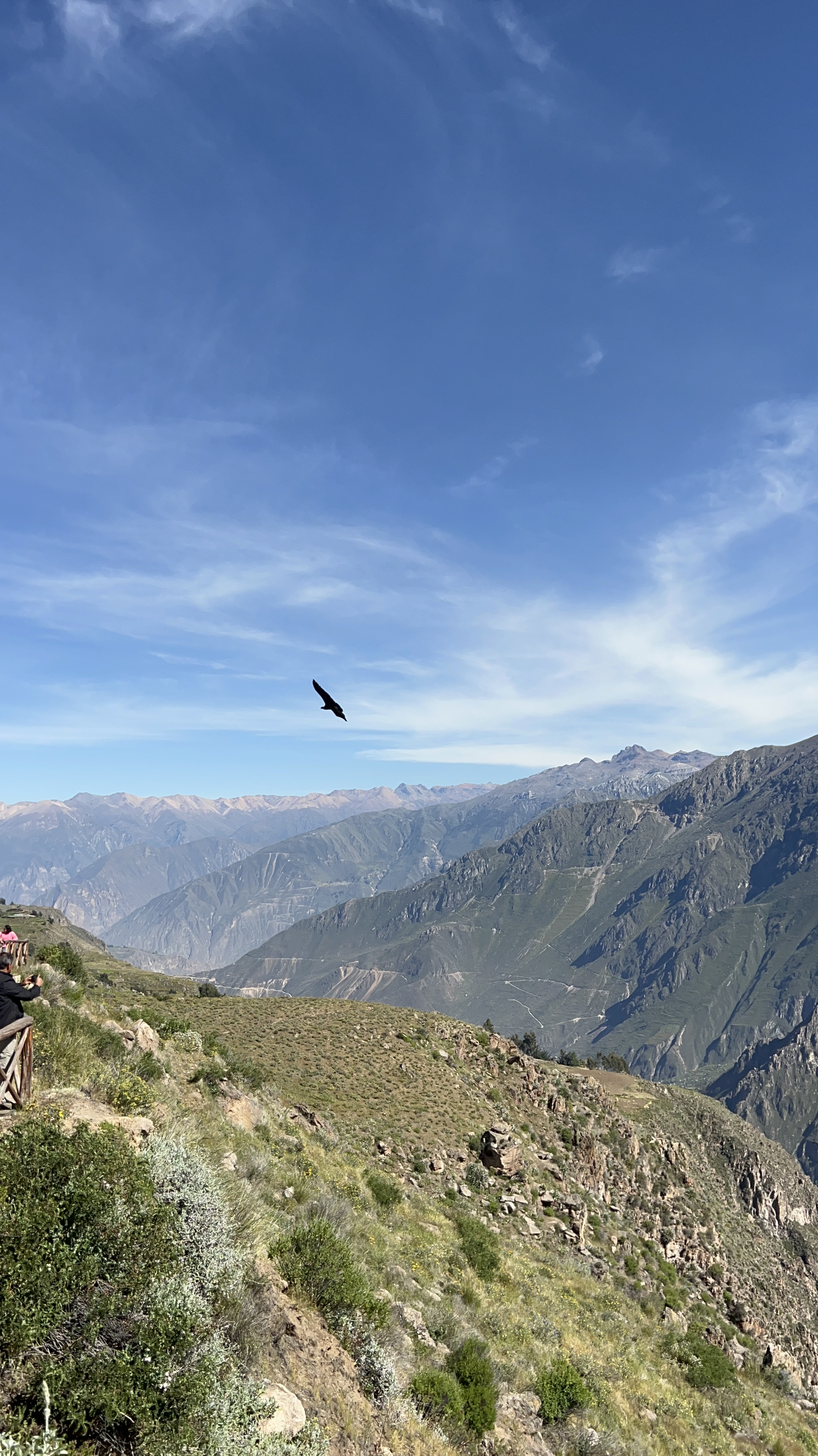

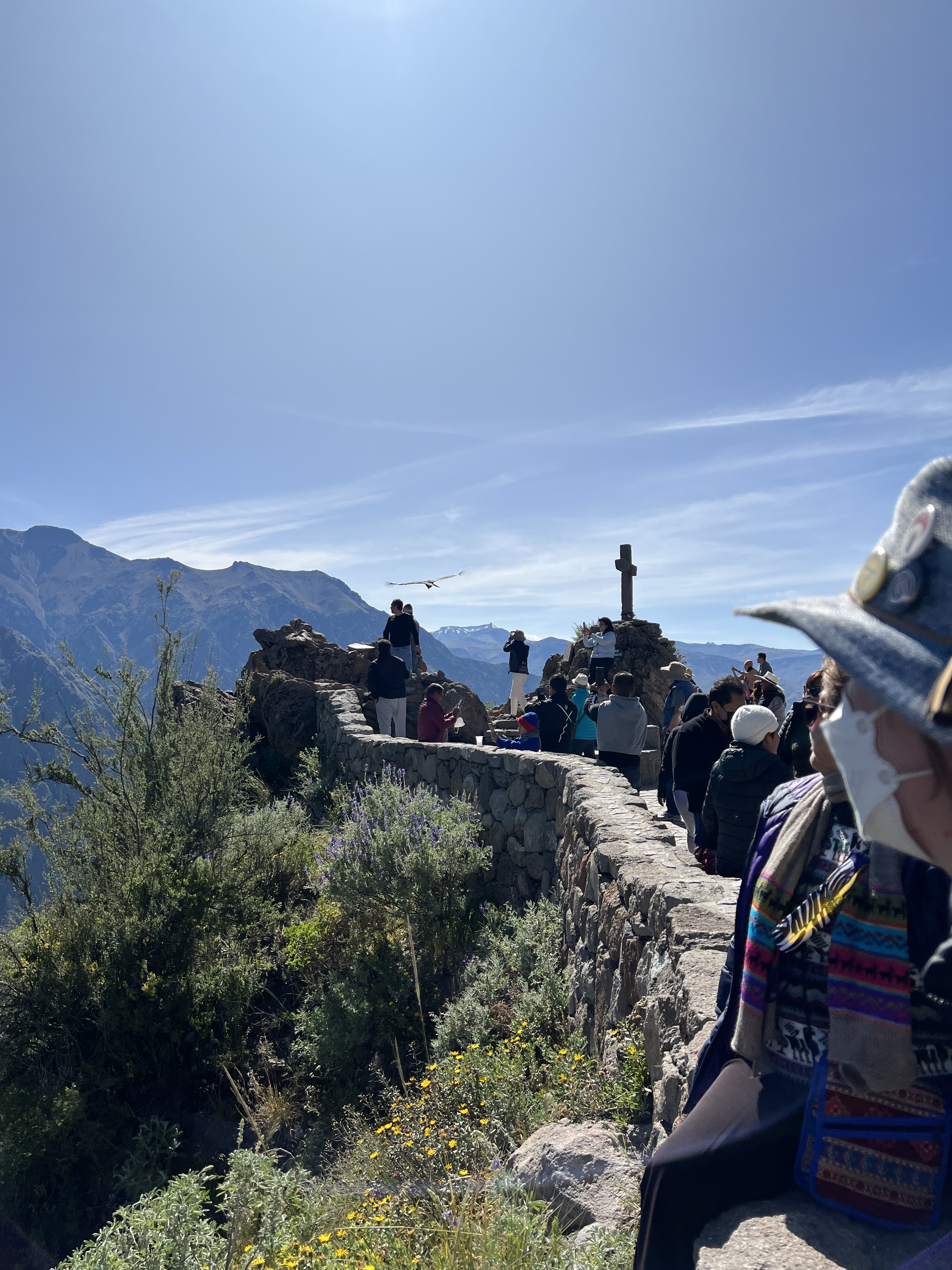
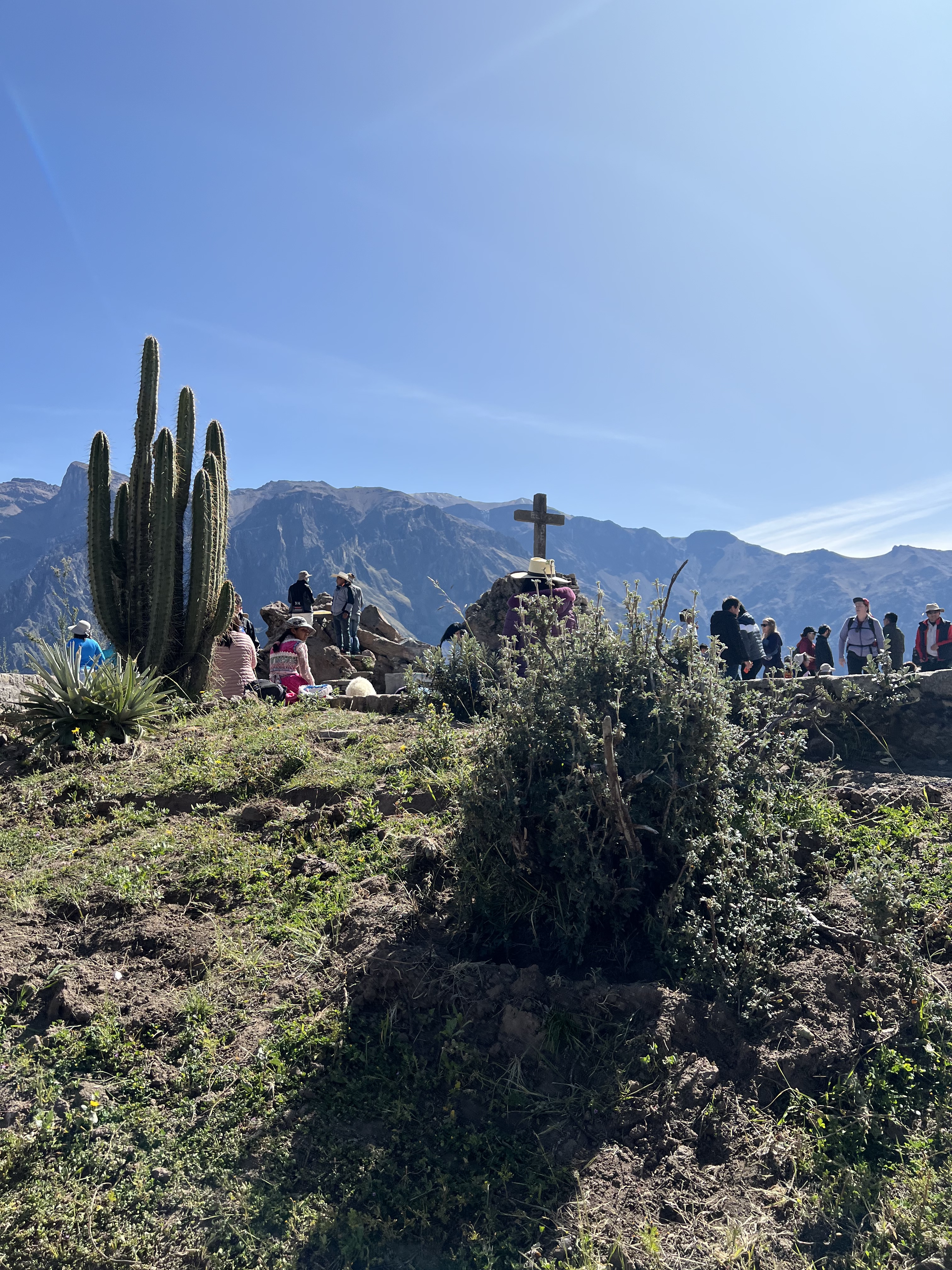
As you can imagine this is a place that attracts visitors from around the world. You can see the Condor Cross that is placed in the ground where folks gather. Catholics over the centuries have tried to put up crosses everywhere in South America and we were told in Cusco, many crosses were often removed by the locals indigenous people in the middle of the nights as they felt it was inappropriate since there were often place at Incan religious locations. This cross has remained and is a very notable tourist site. Amazing to see these massive Condors fly up and over those of us who were standing near the rock walls. I wish we had arrived a little earlier but at least the time we spent there was amazing.
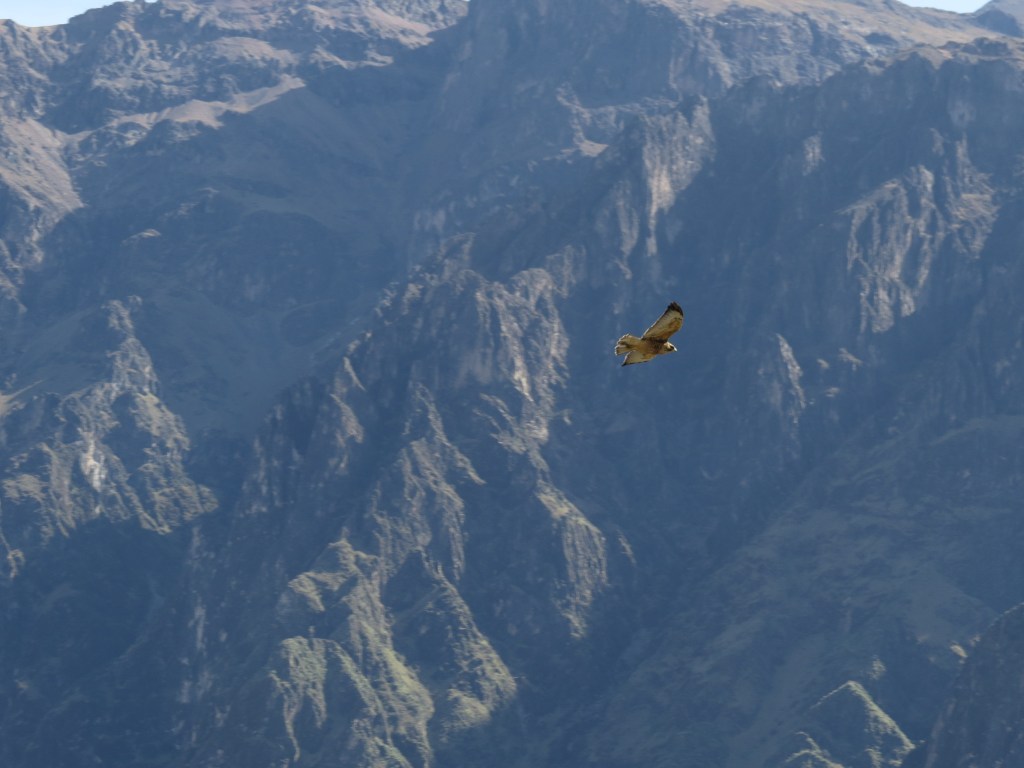
Larkin was able to photograph the lone hawk in flight. Like our home here in Dillon Beach, I heard the sound of the hawk and noticed it! We have half pint vultures (relative to the condors) flying all day around our home. The red-tailed hawks have returned and fly over the hills behind our home looking for potential food sources. Rabbits have been breeding like, well rabbits and have bloomed in population so the hawks are ready to feast!
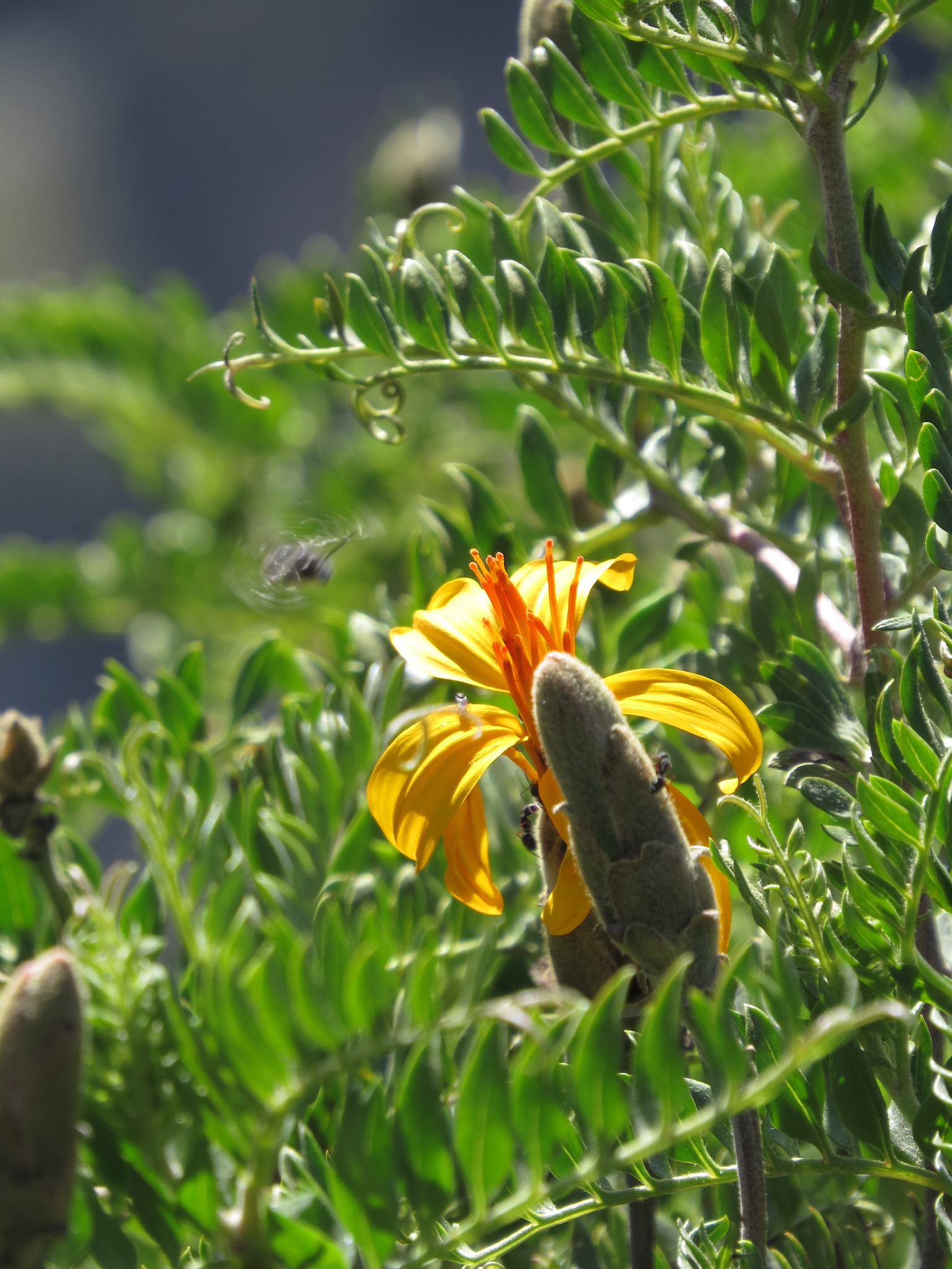
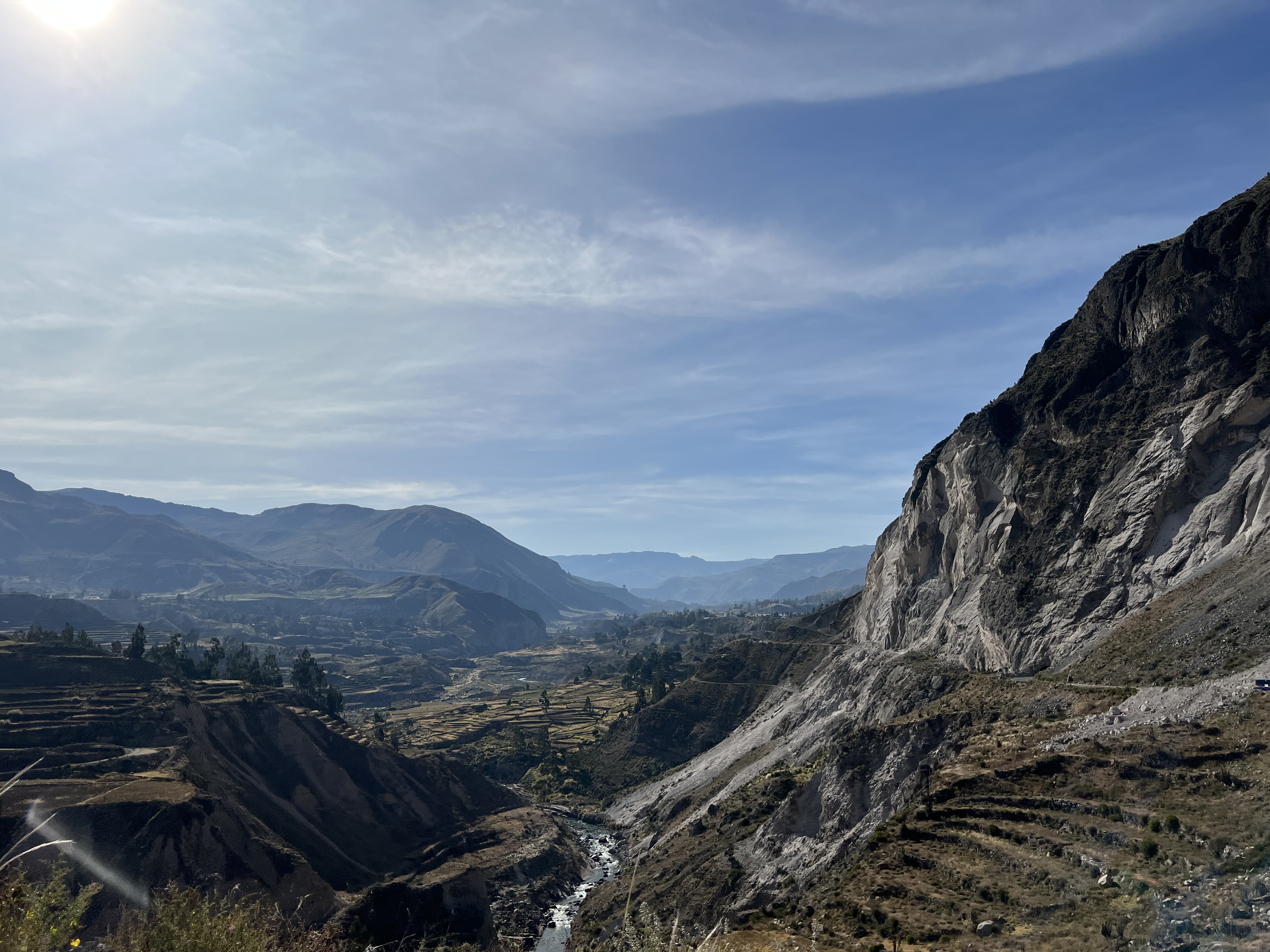
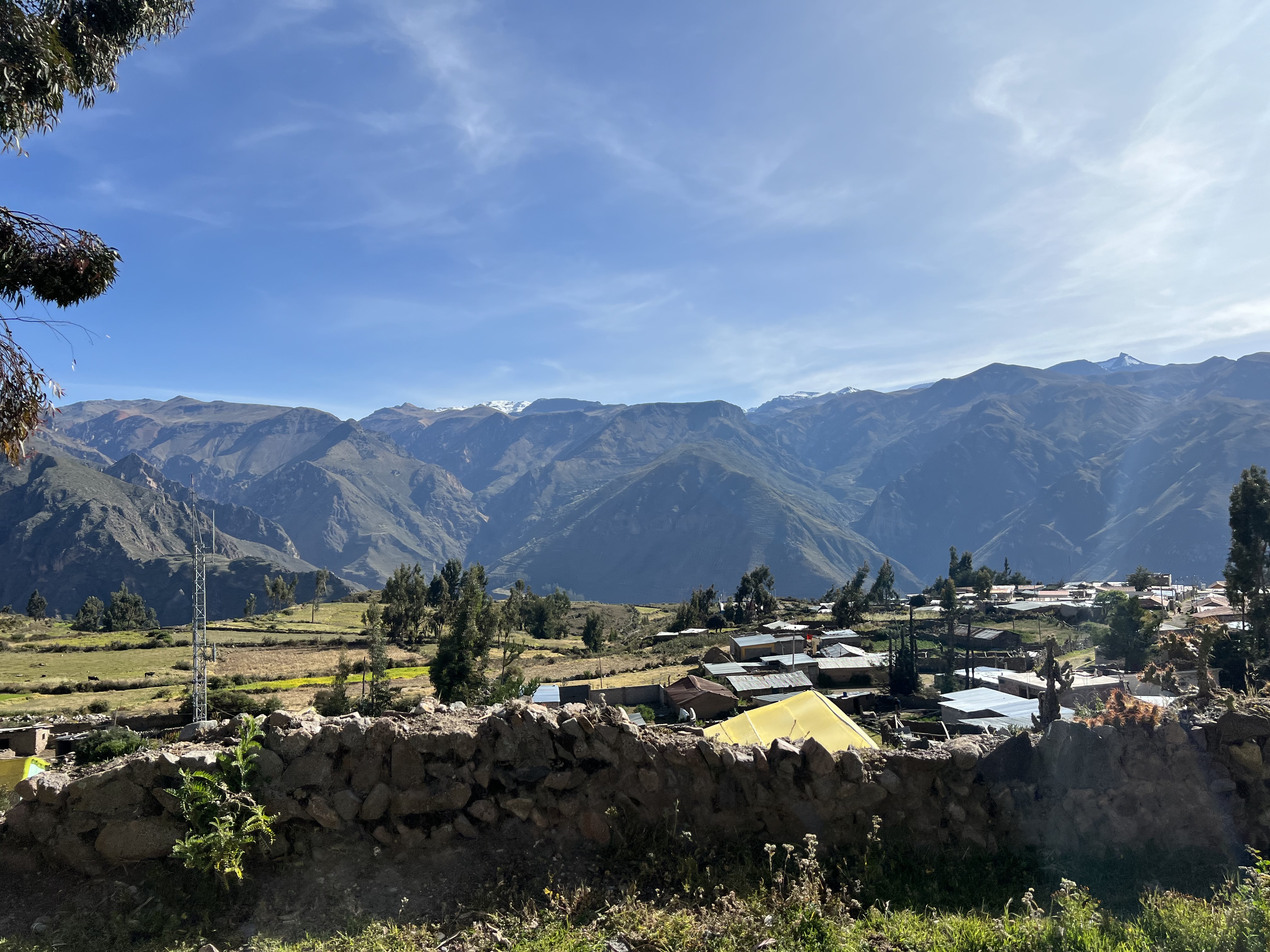
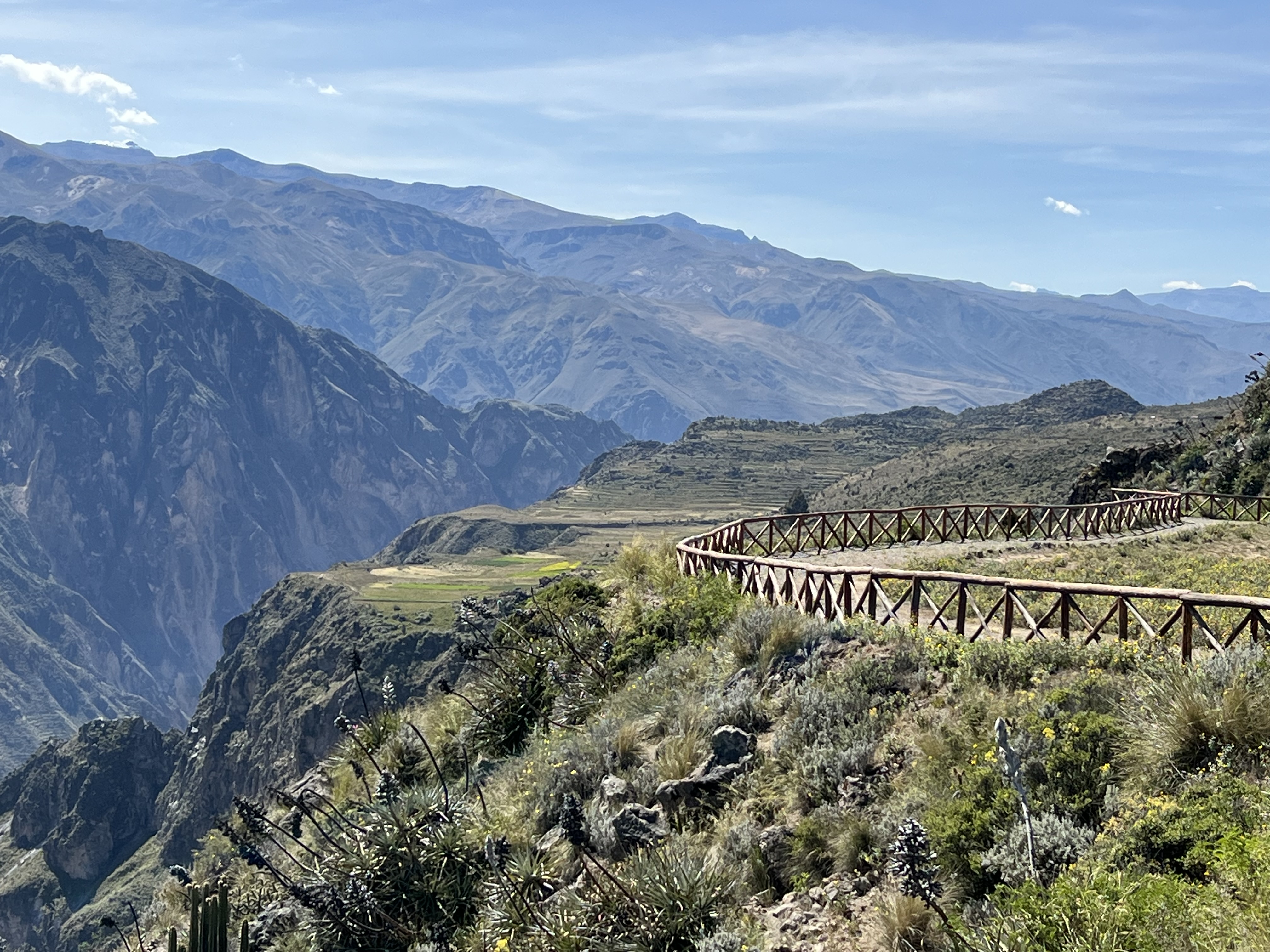
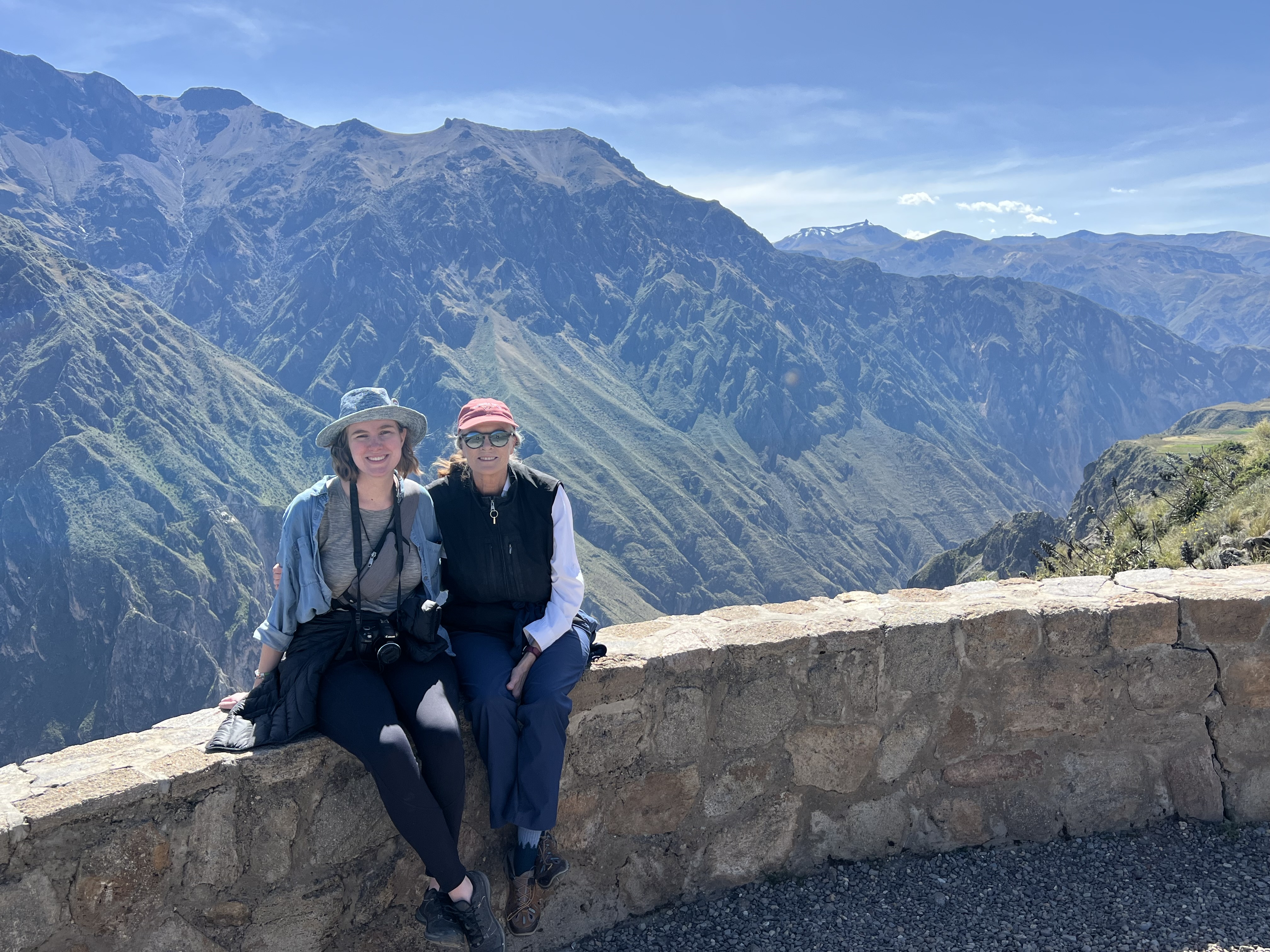
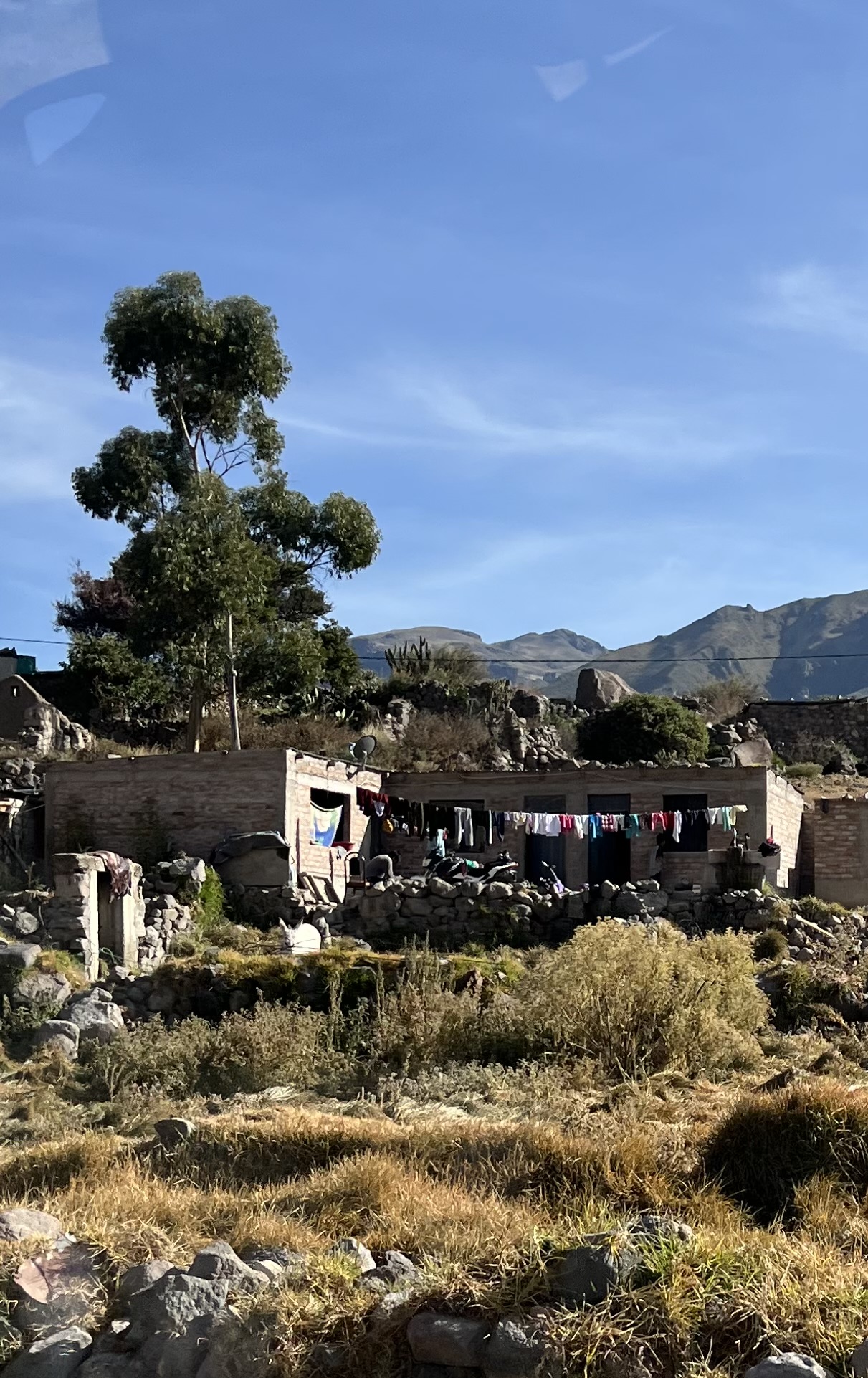
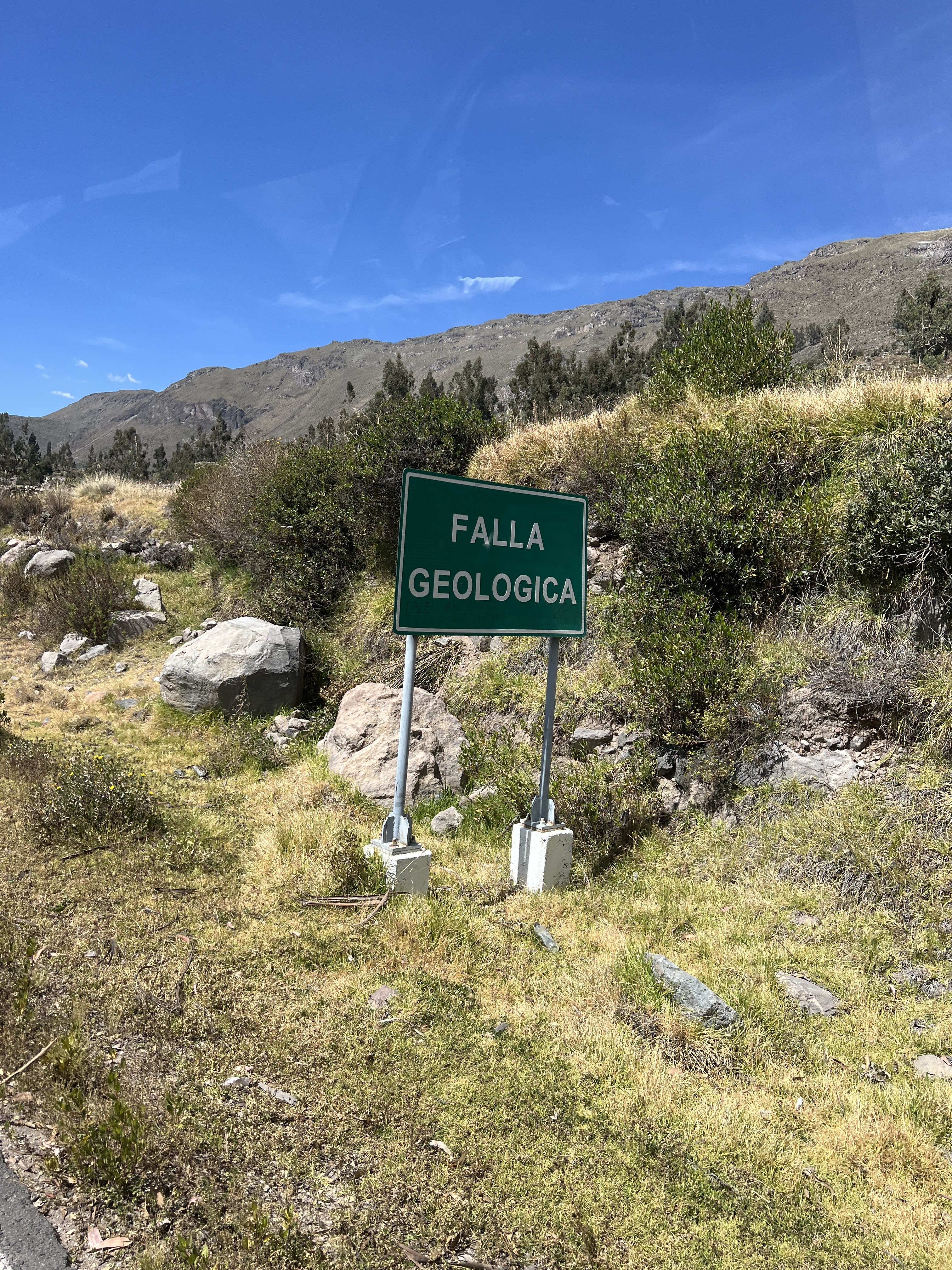

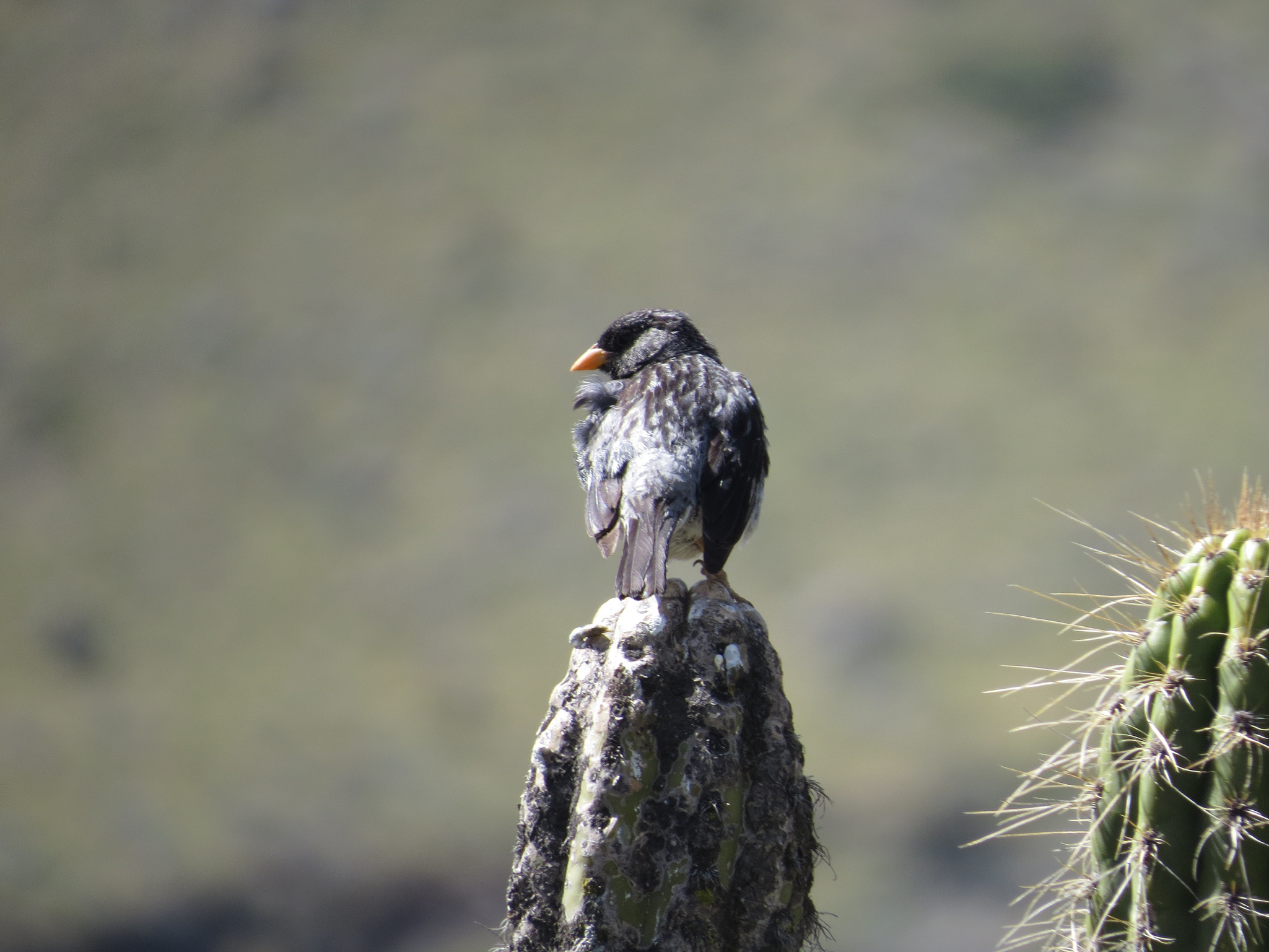
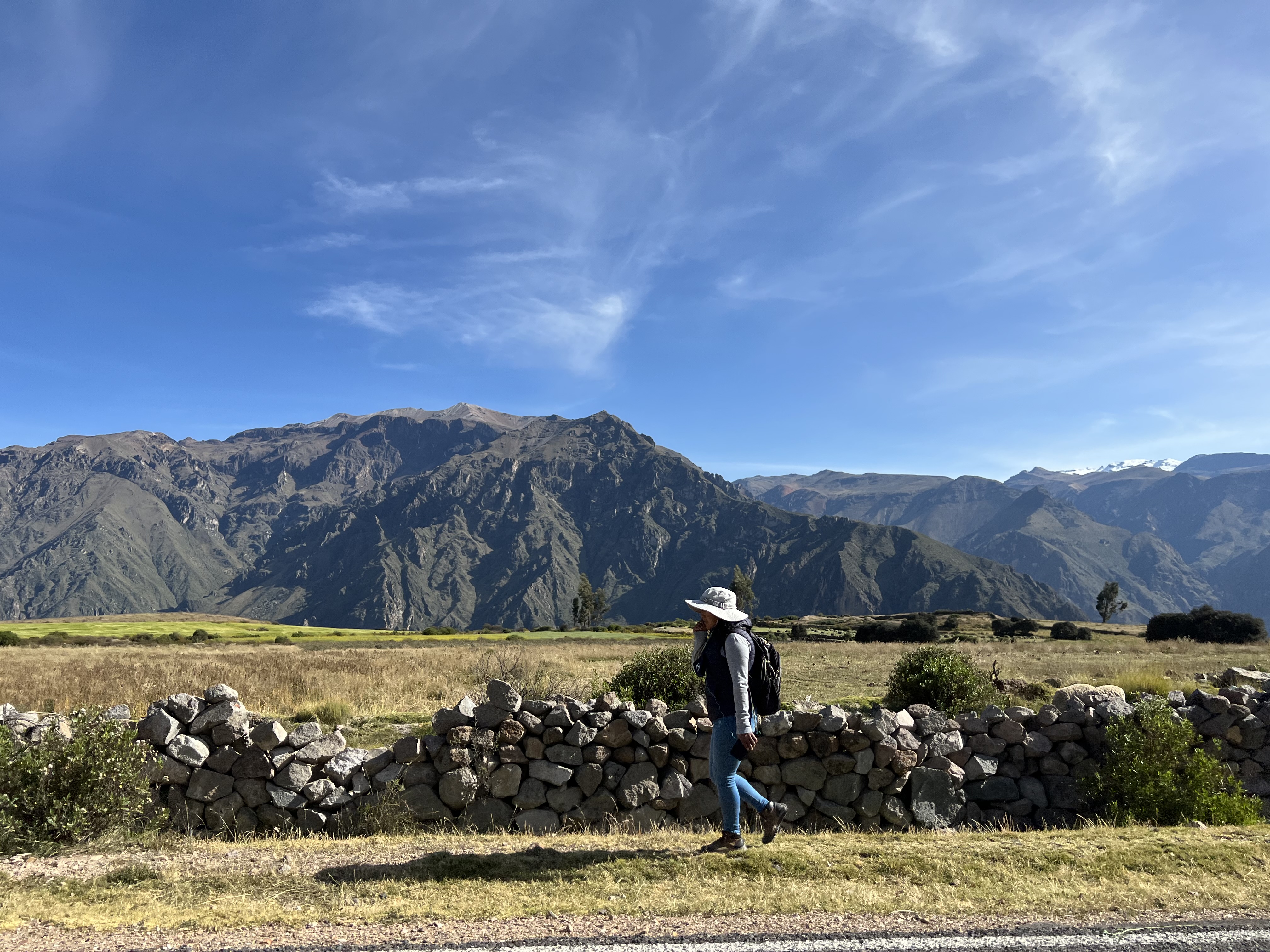
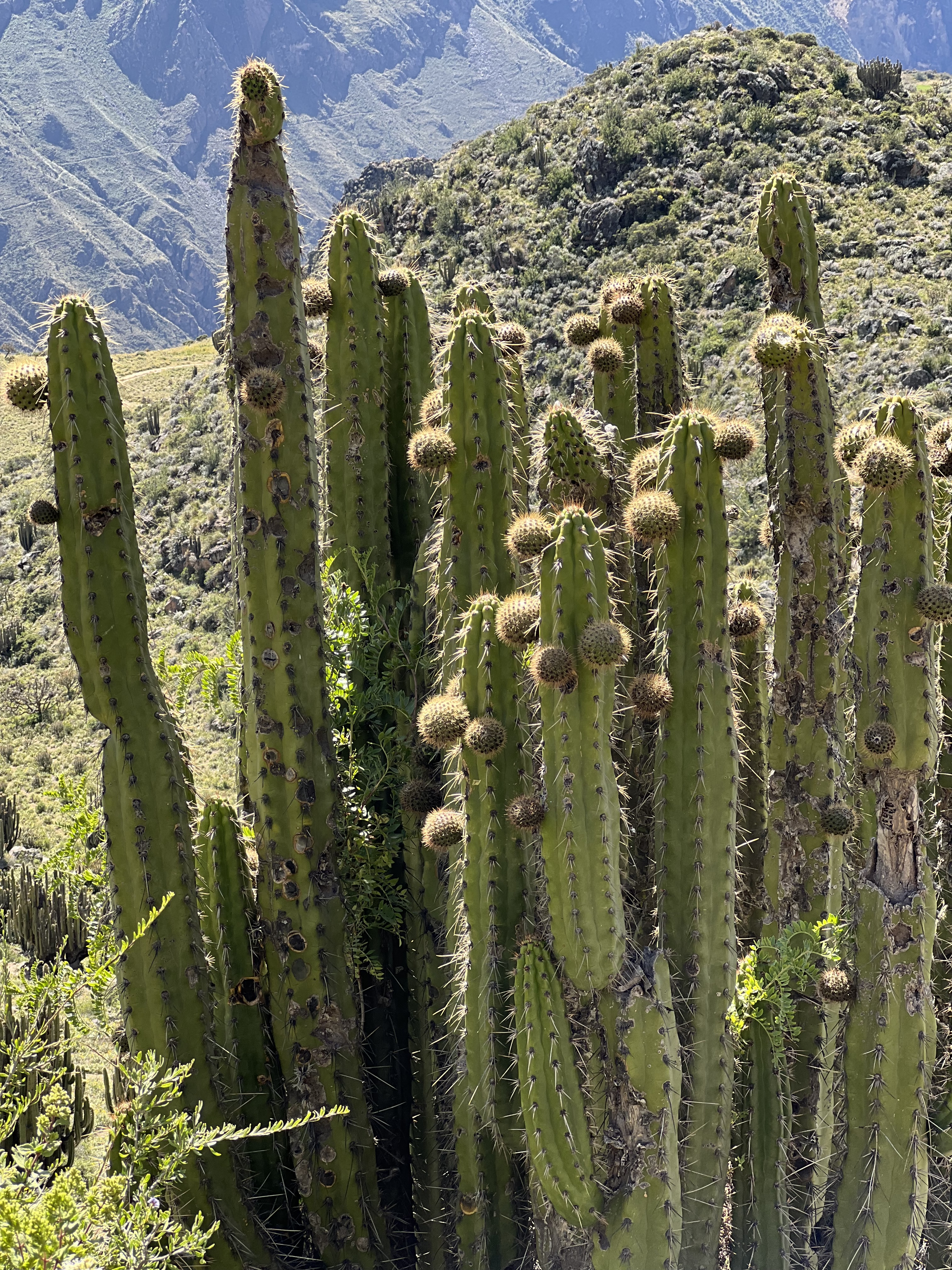
On the way back down the Colca Canyon to the valley, Gaudy took us to another area to walk out and see the canyon. For the most part we were the only people walking on the path. Not many birds but flowers, other birds and cactus’ that are used for food and beverages. I loved the Falla Geologica which meant watch out for falling rocks! We geologists love those signs!
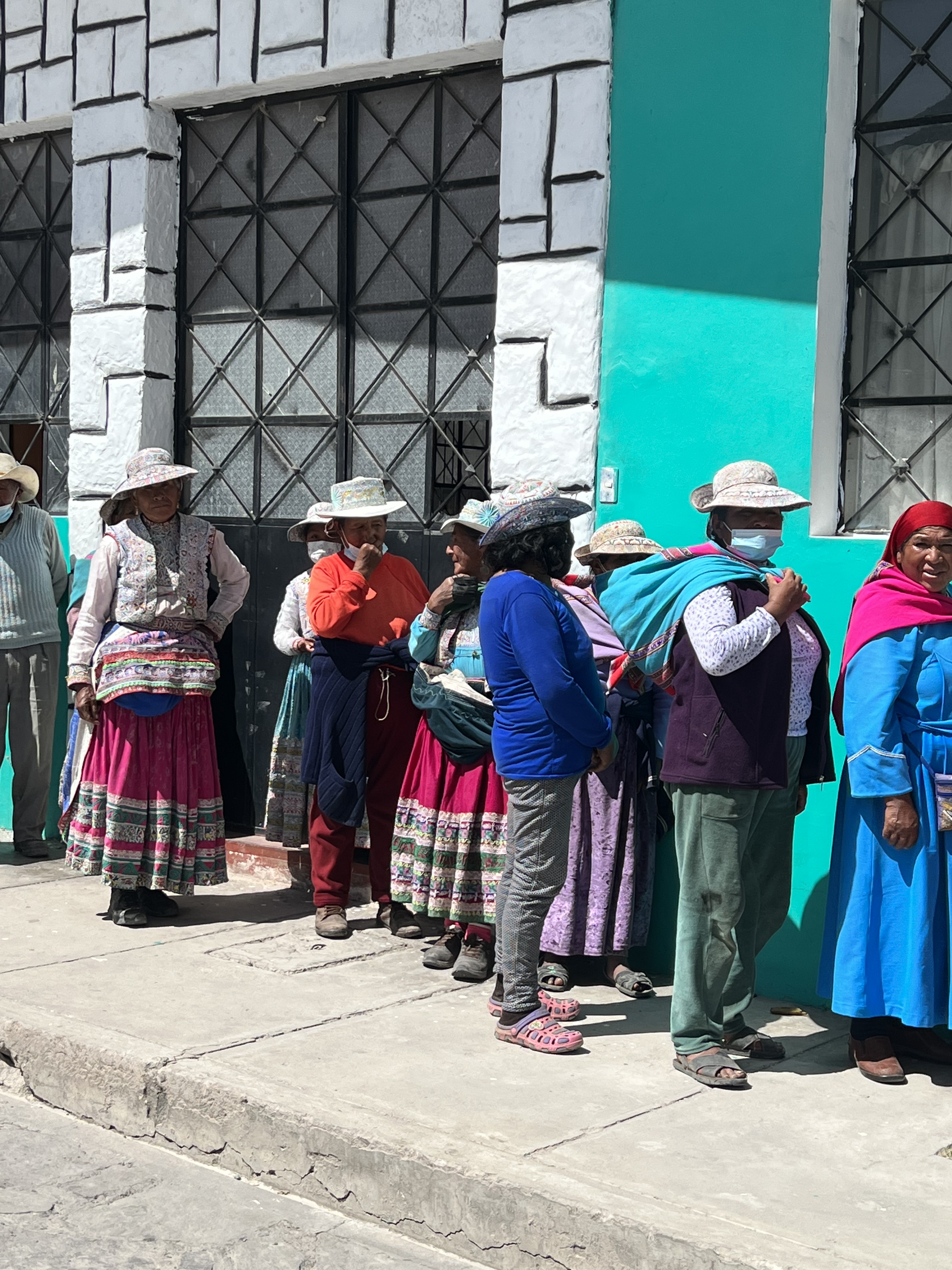


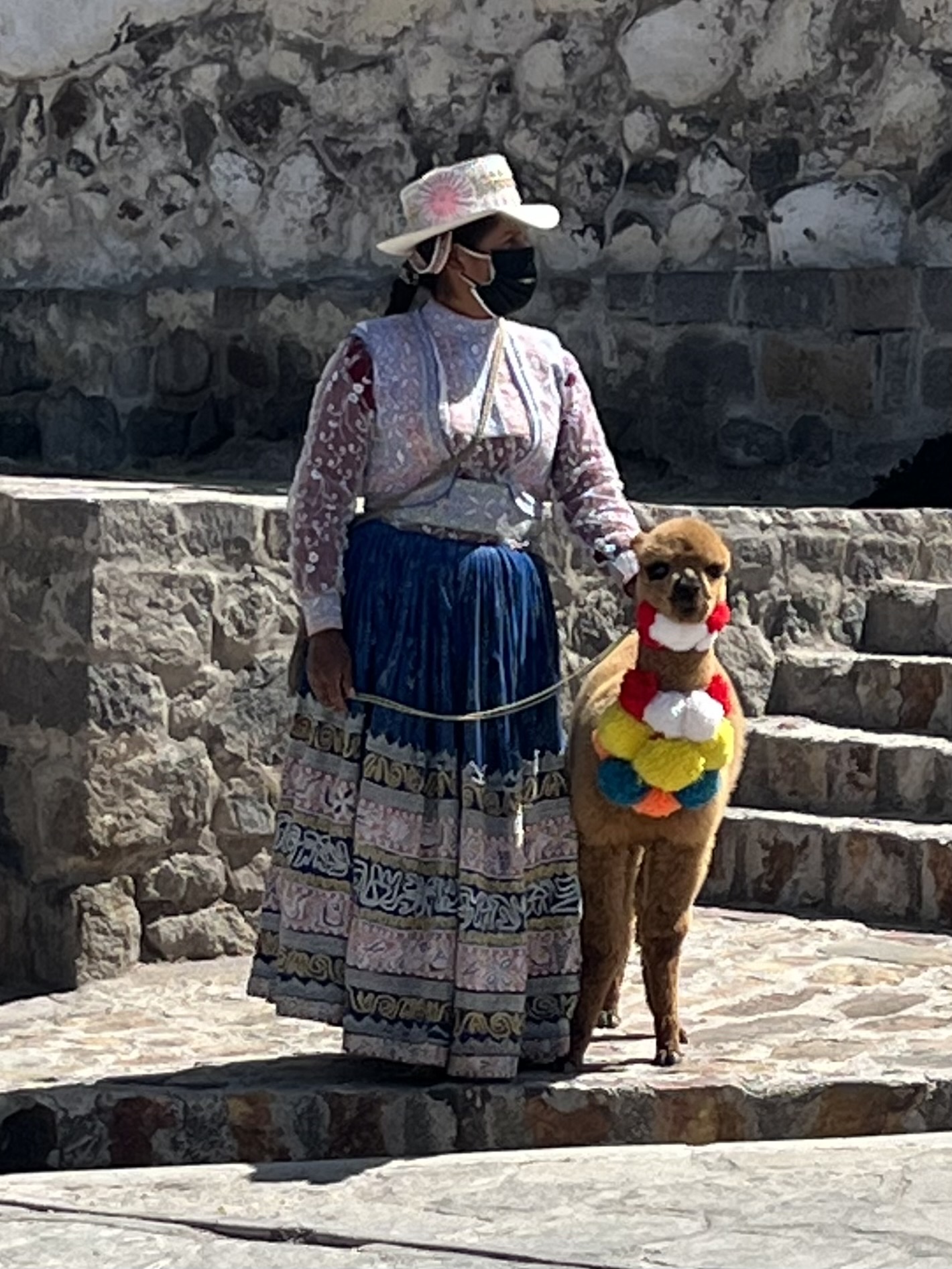
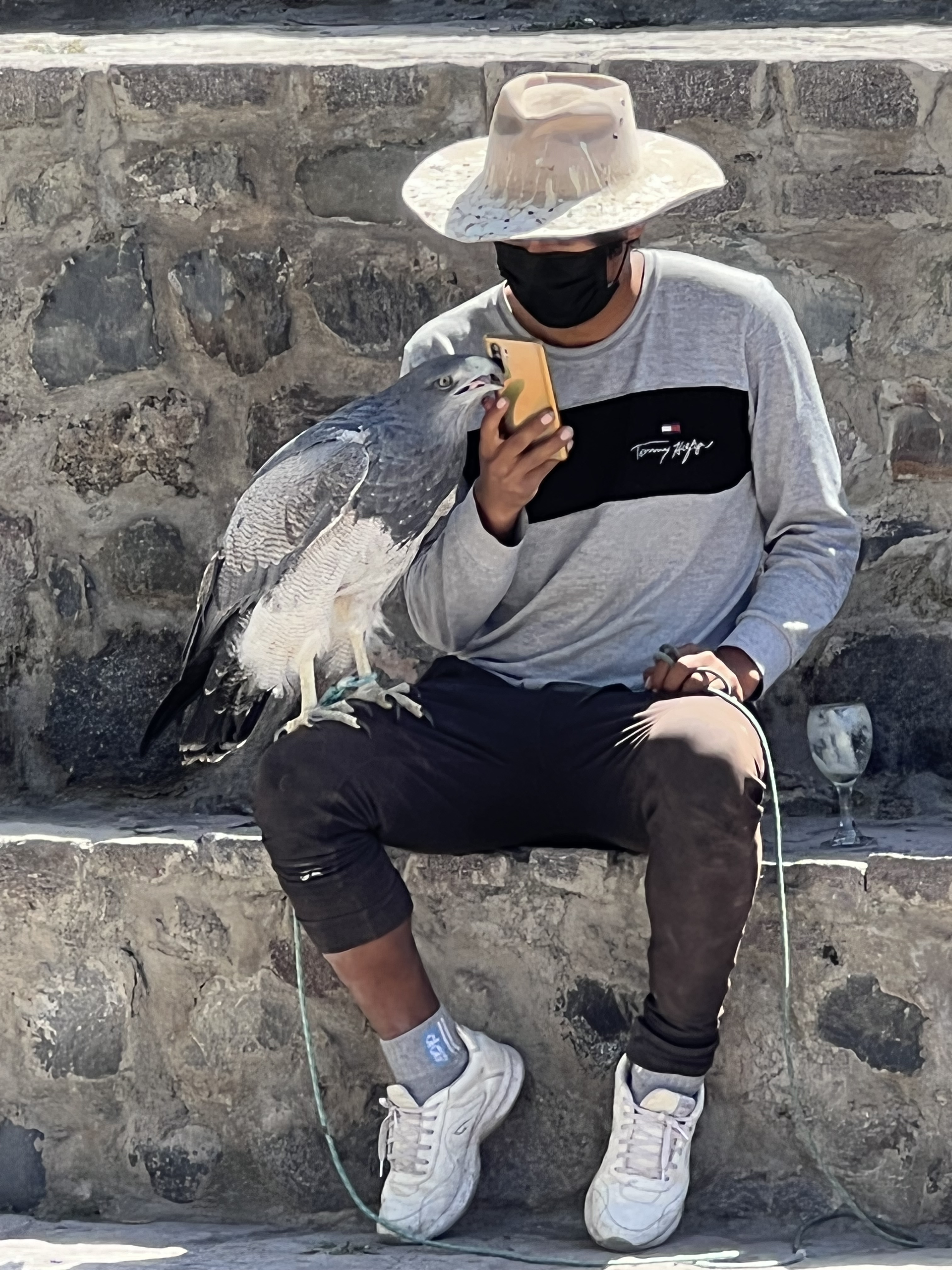
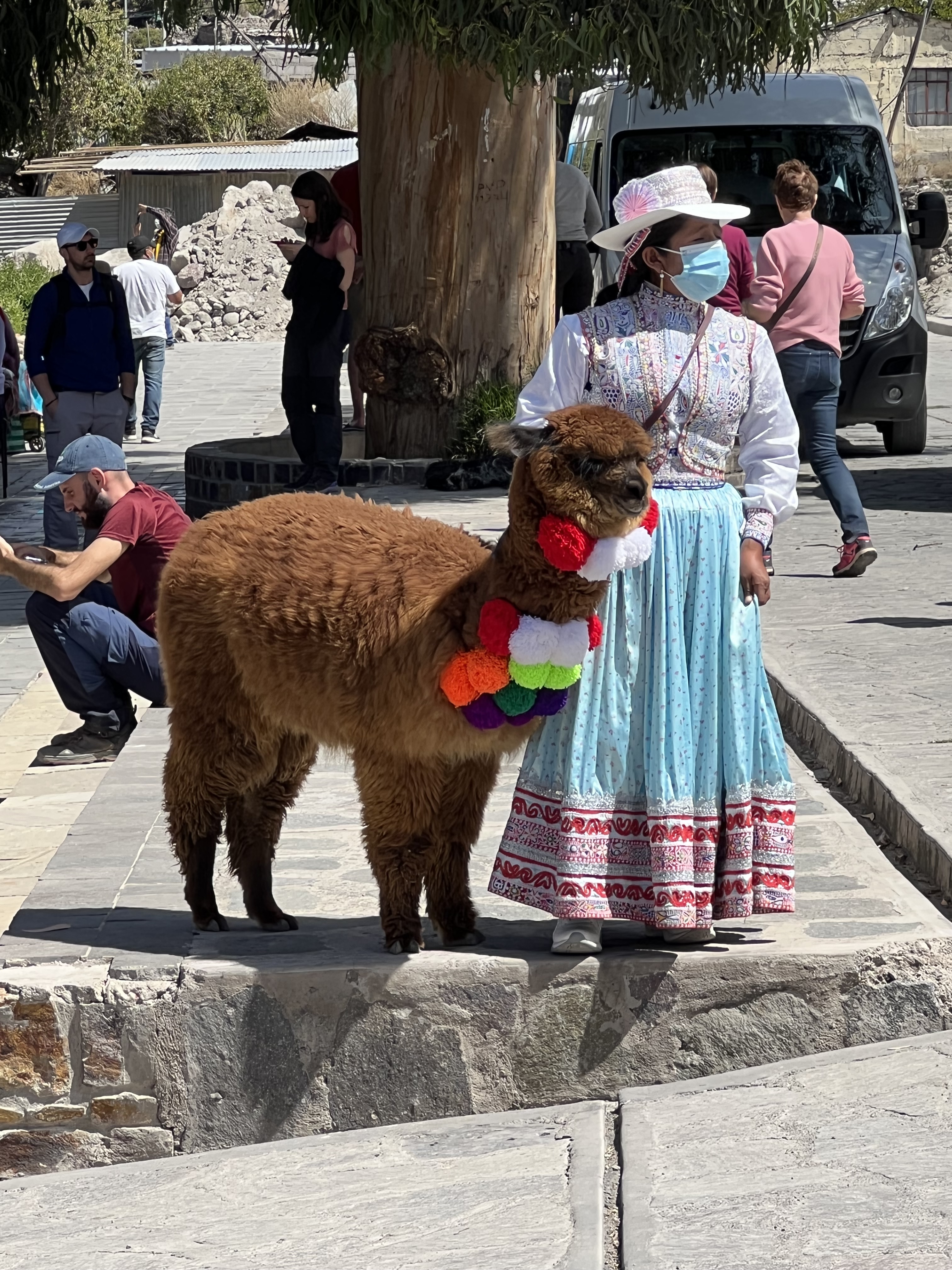
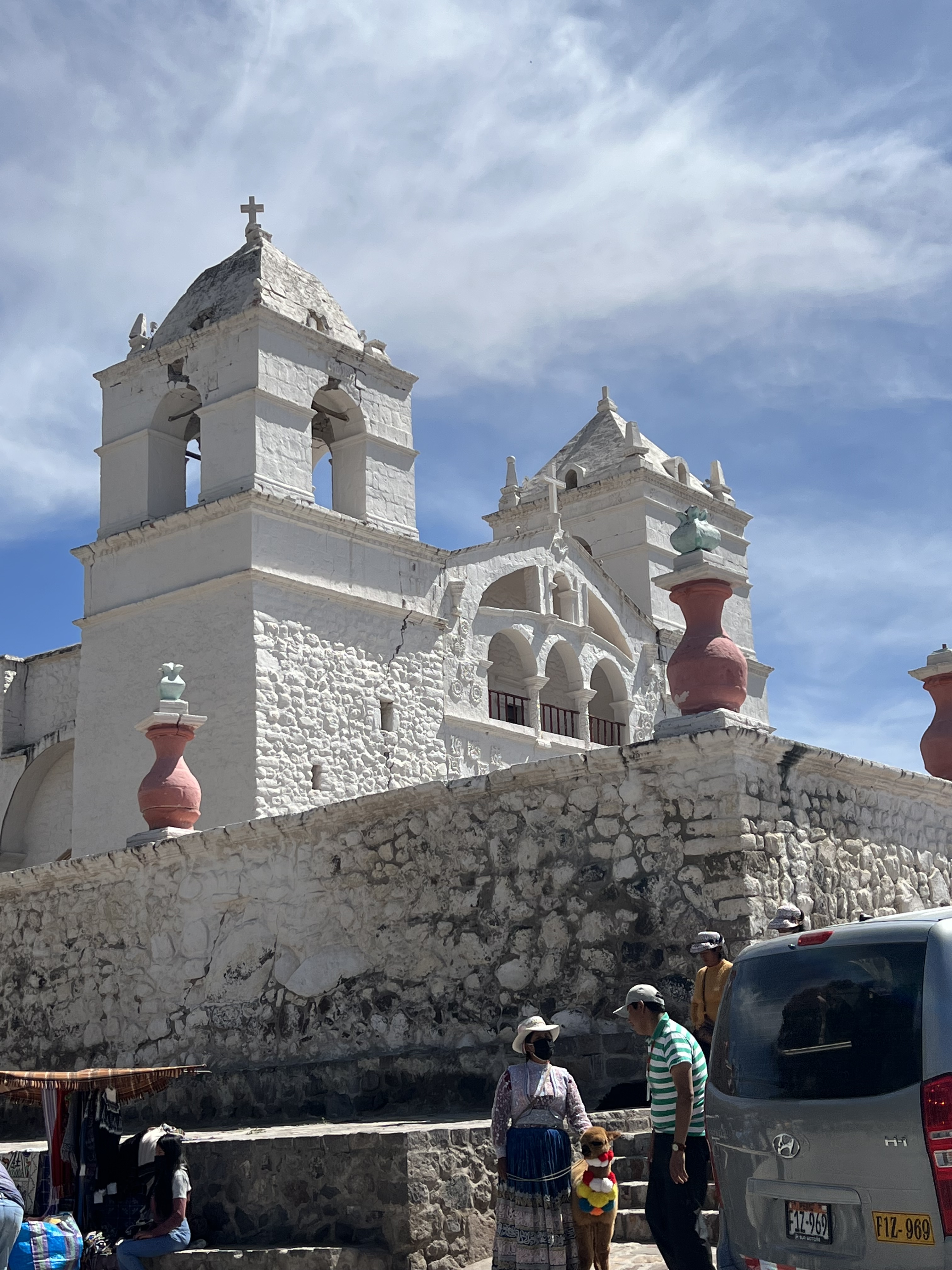
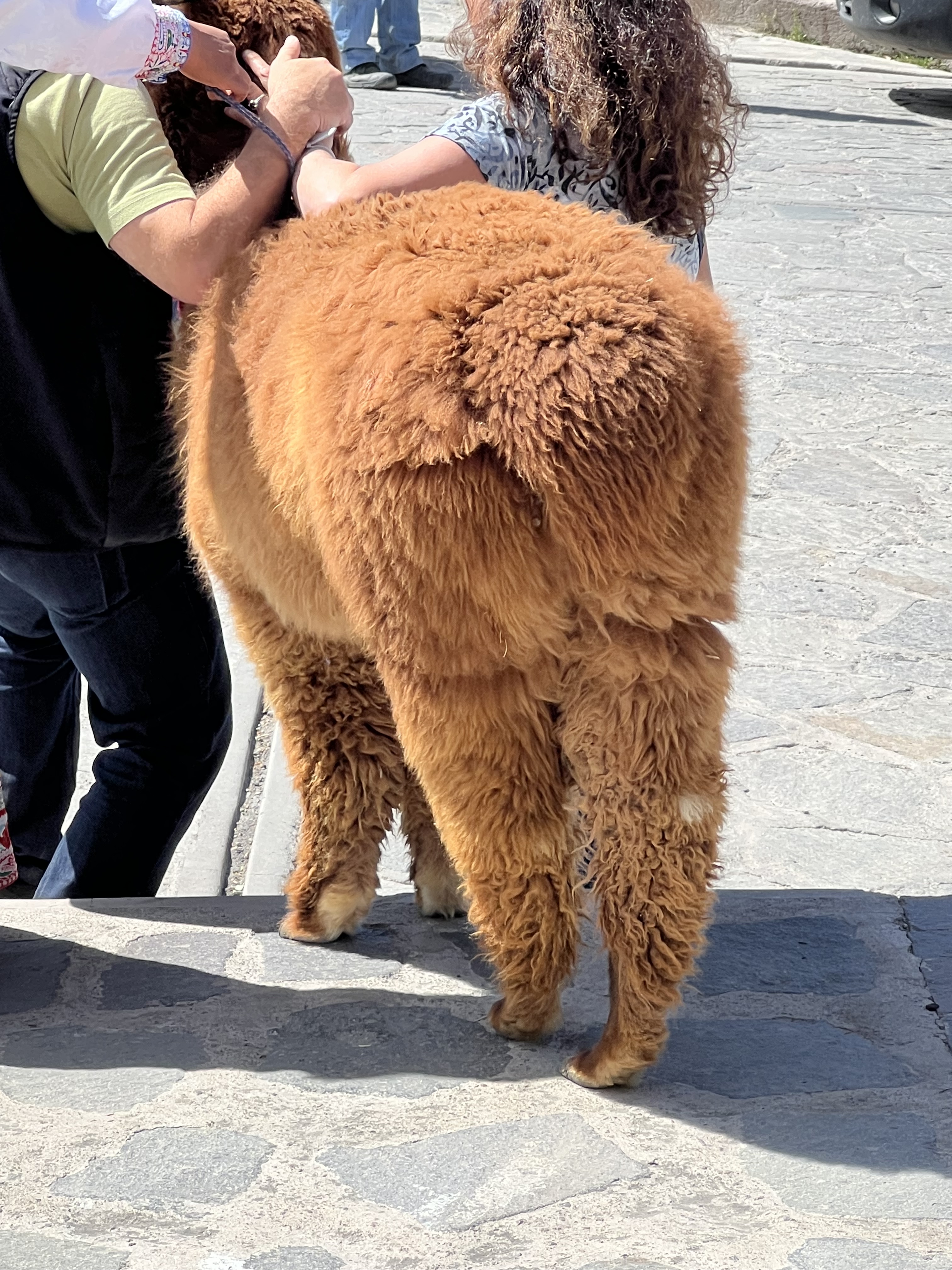
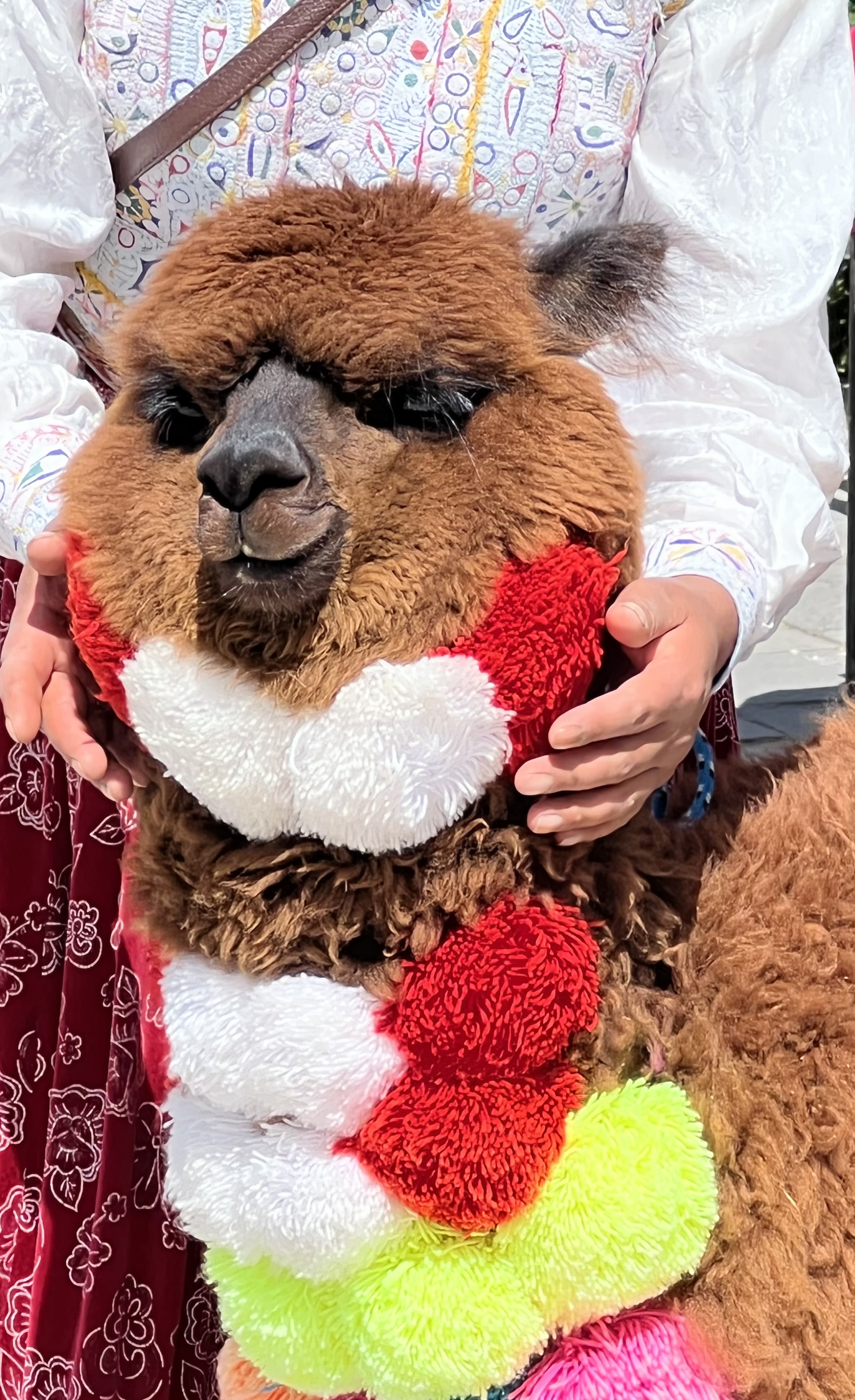
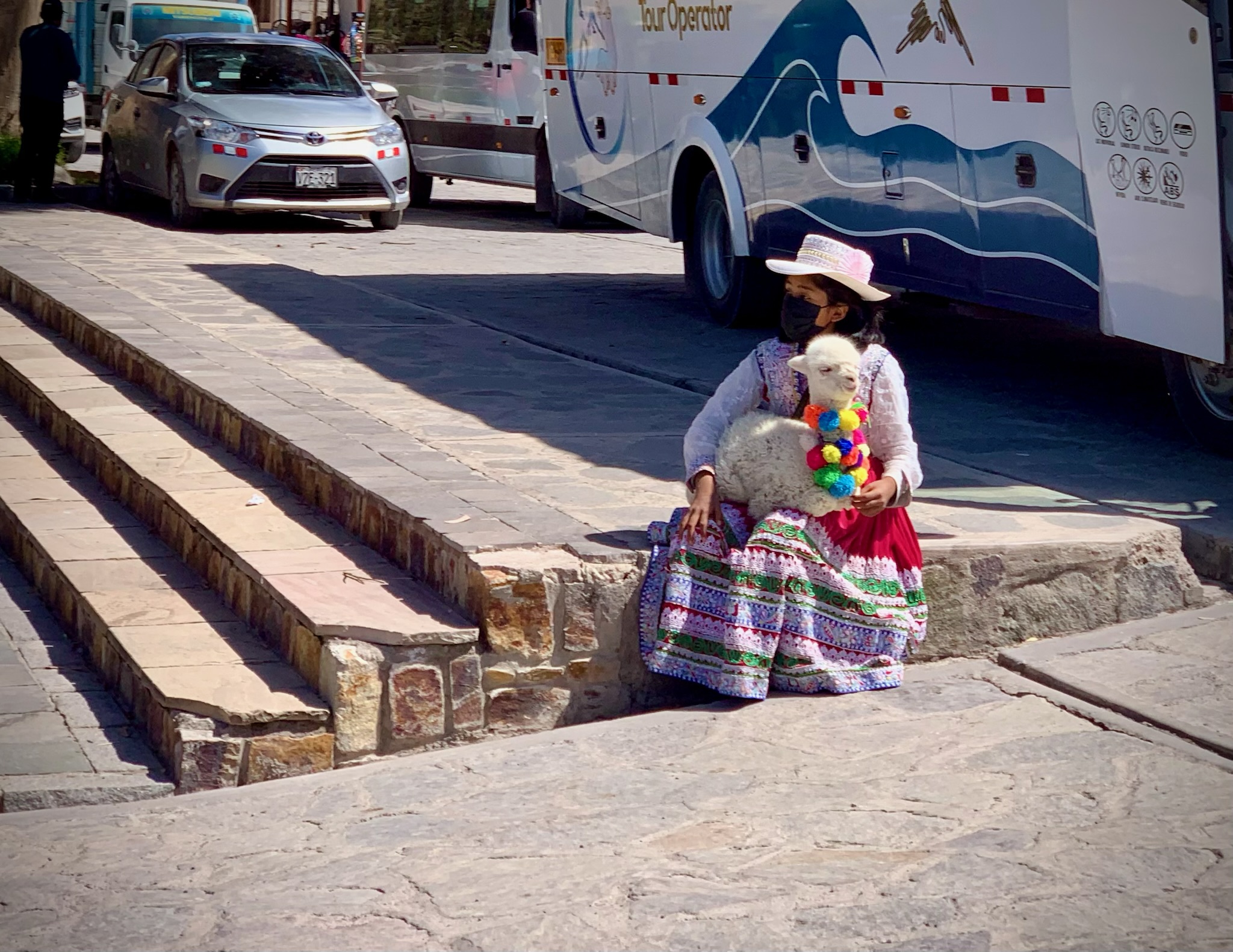
We stopped in Yanque on our way through and walked around the plaza. Color is everywhere! You can see why the Alpaca is so soft! Masks were required everywhere in Peru and everyone mostly wore them. We thought the colorful line of folks might have been for a Covid booster.
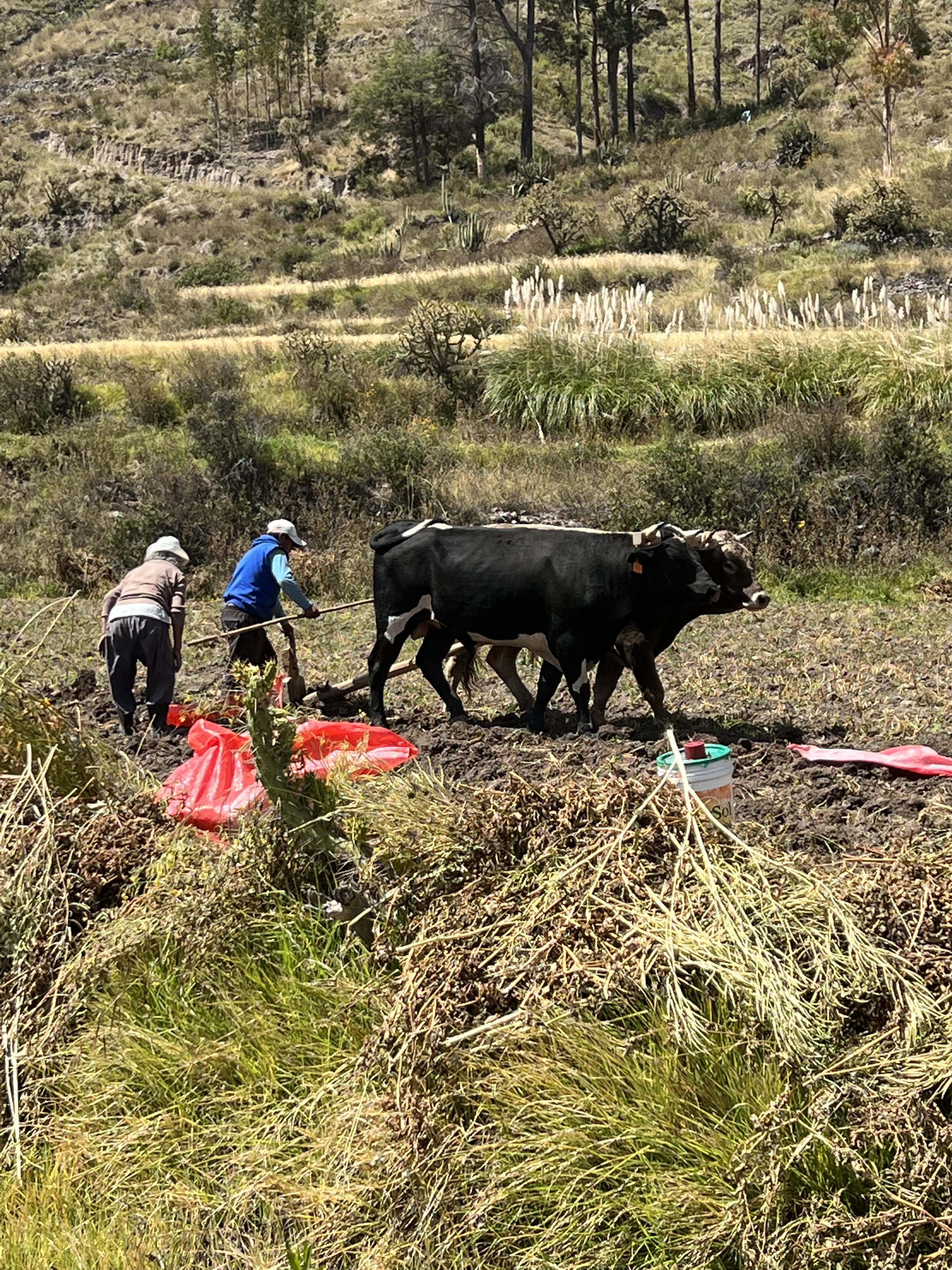

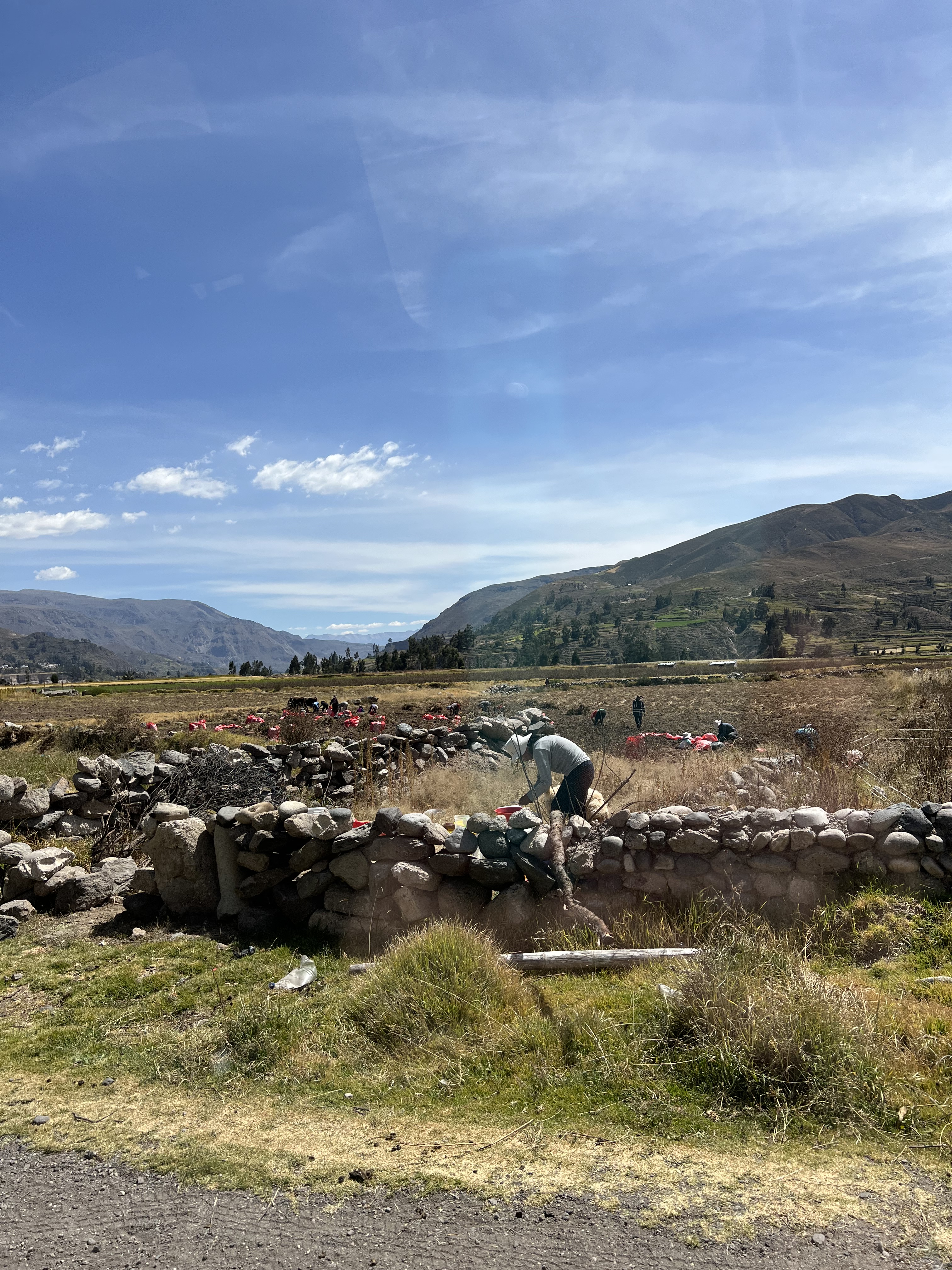
The cows help plow up the potatos and it must be back breaking work to load them in the red bags. We assumed it was potato harvest time! Lunch, while local food, was unmemorable as it seemed more like a linoleum cafe for masses of buses off a tourist ship. The toilet was a blessing though!
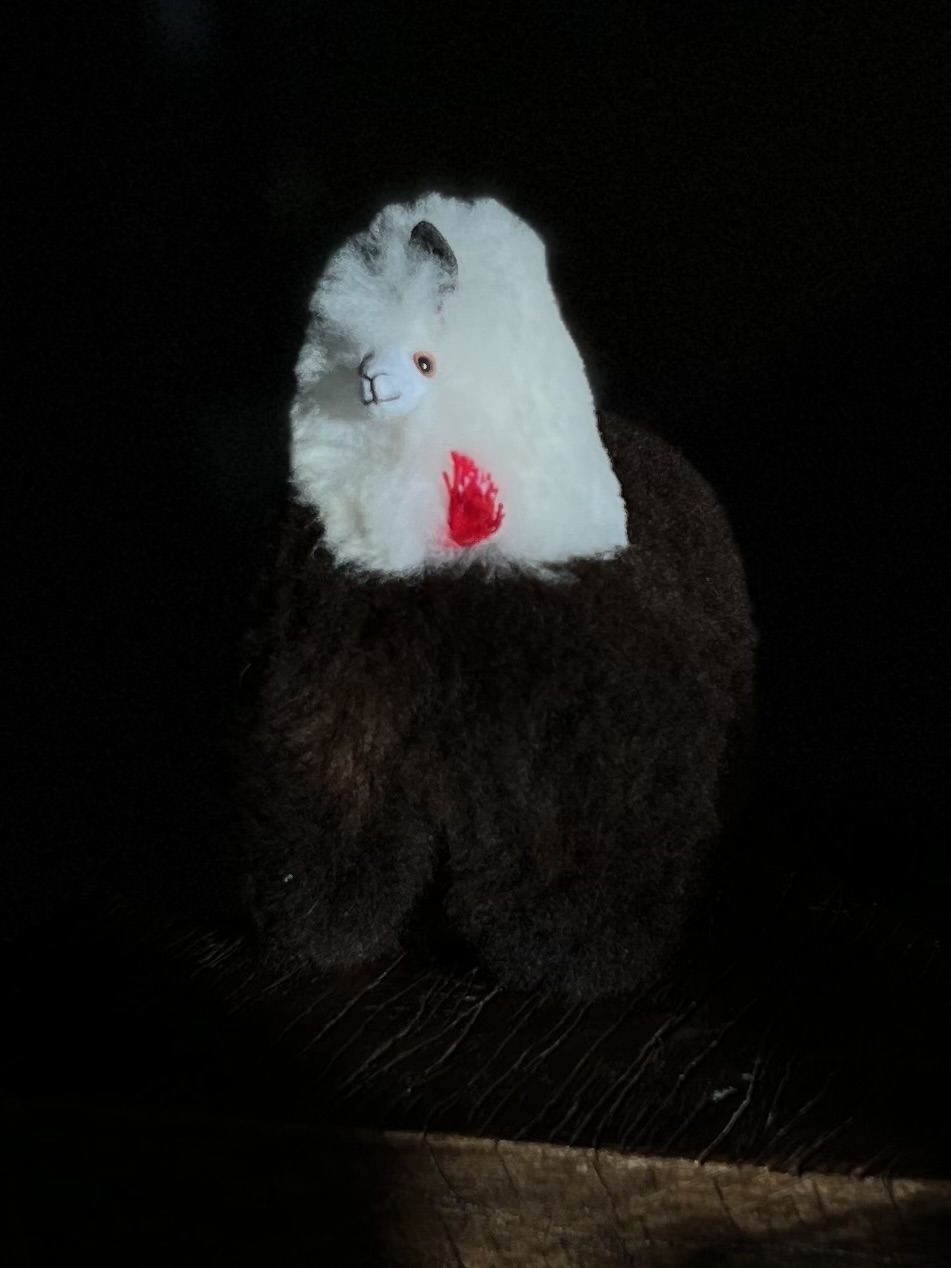
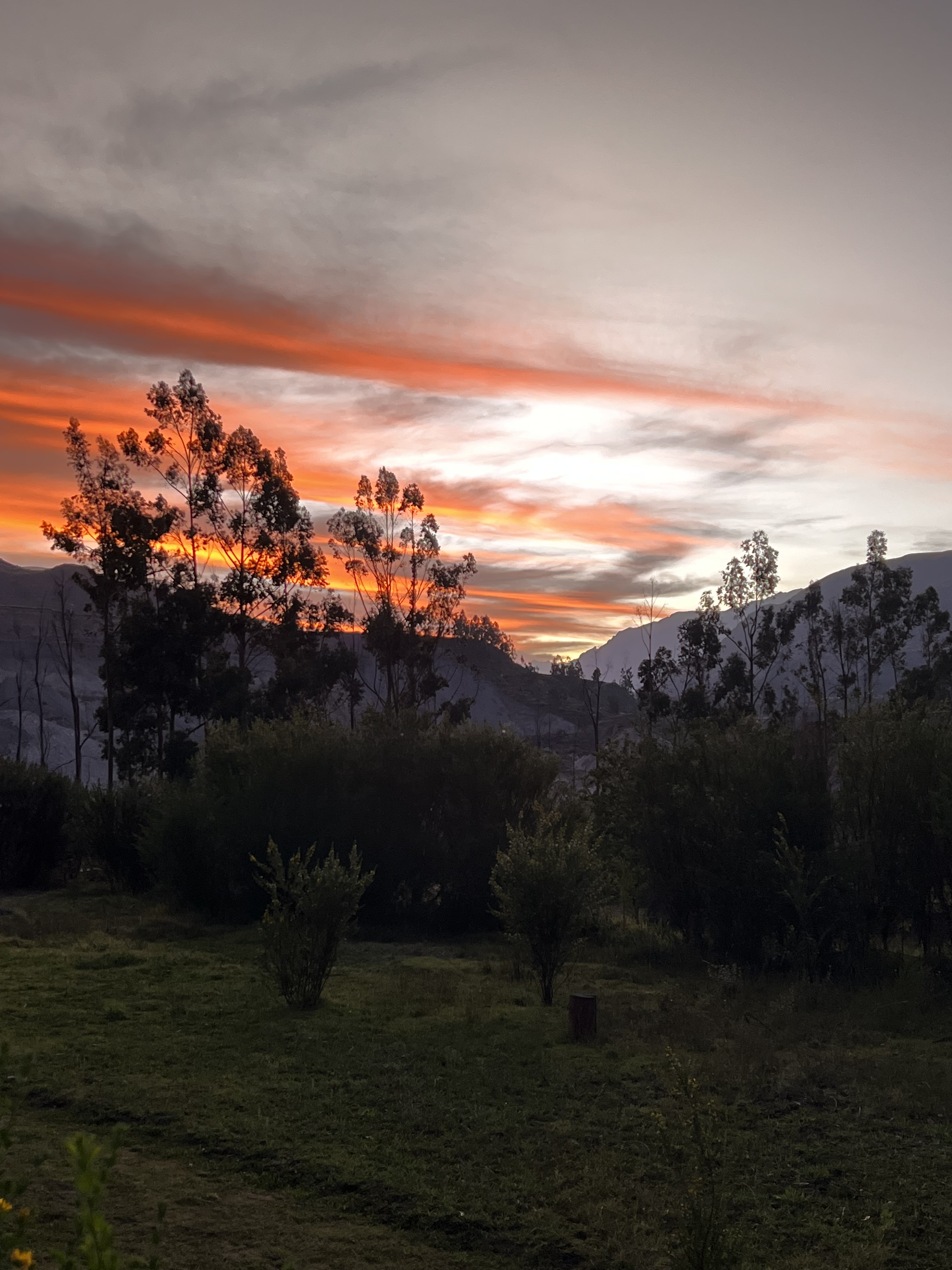
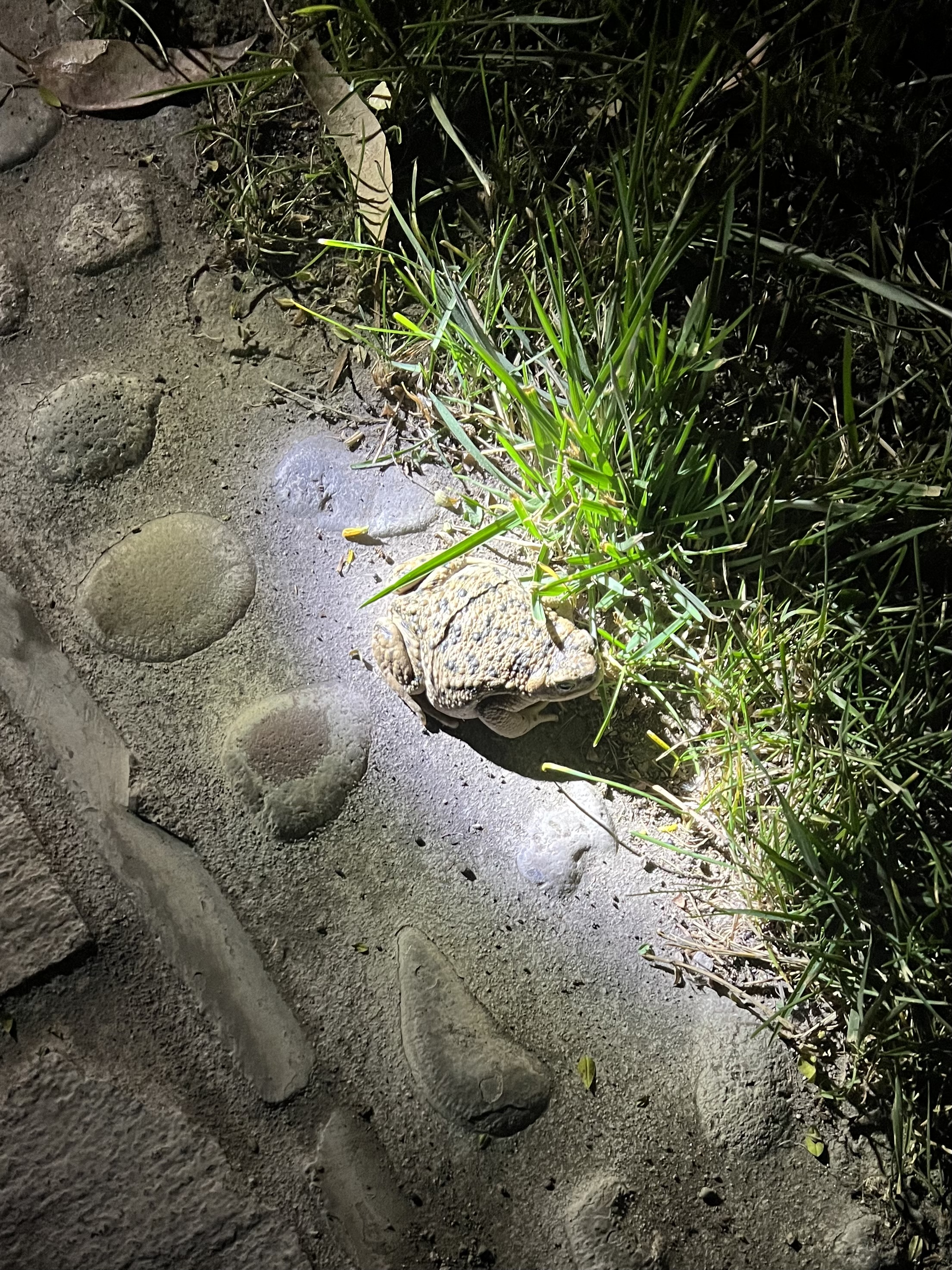
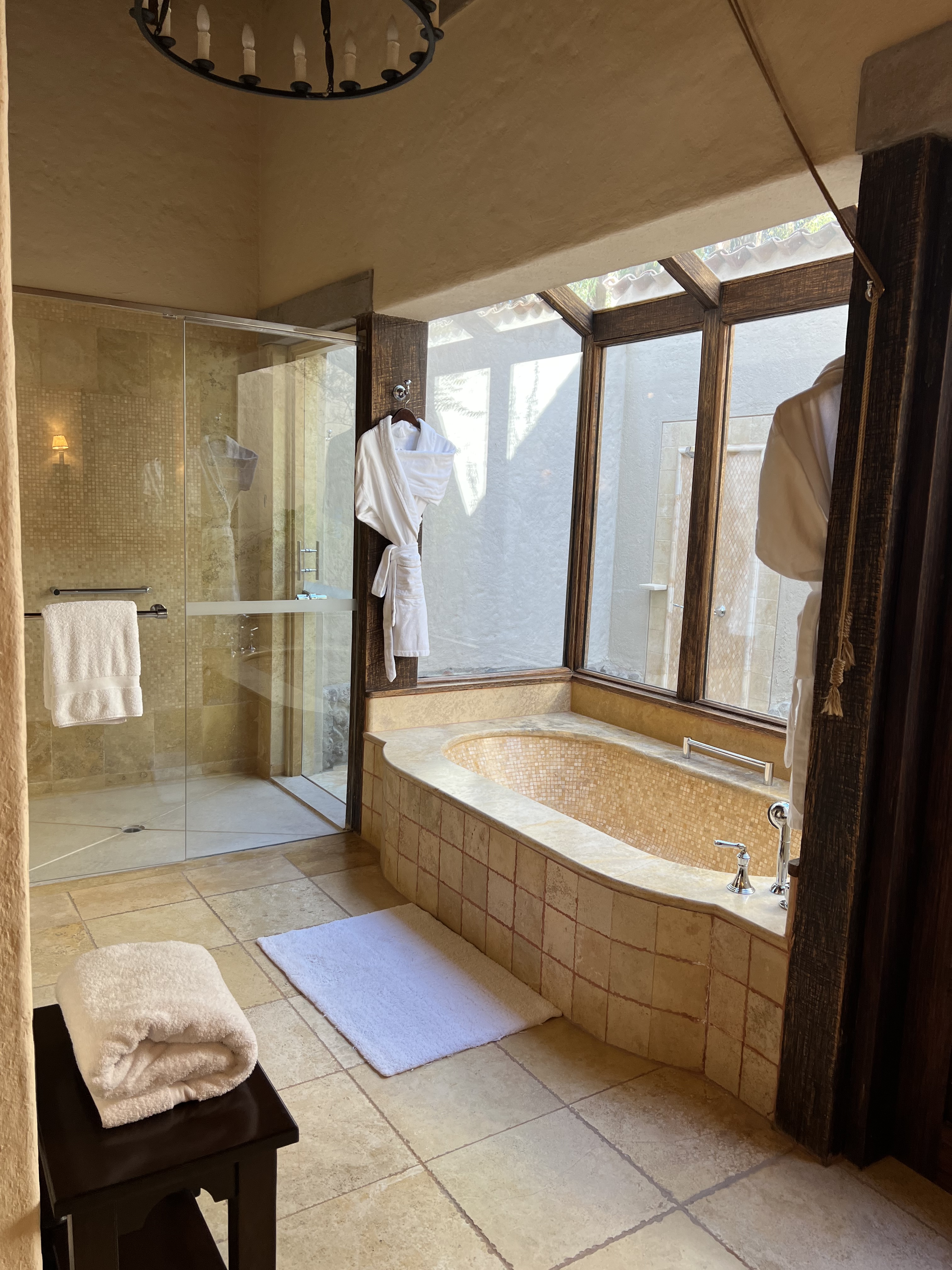
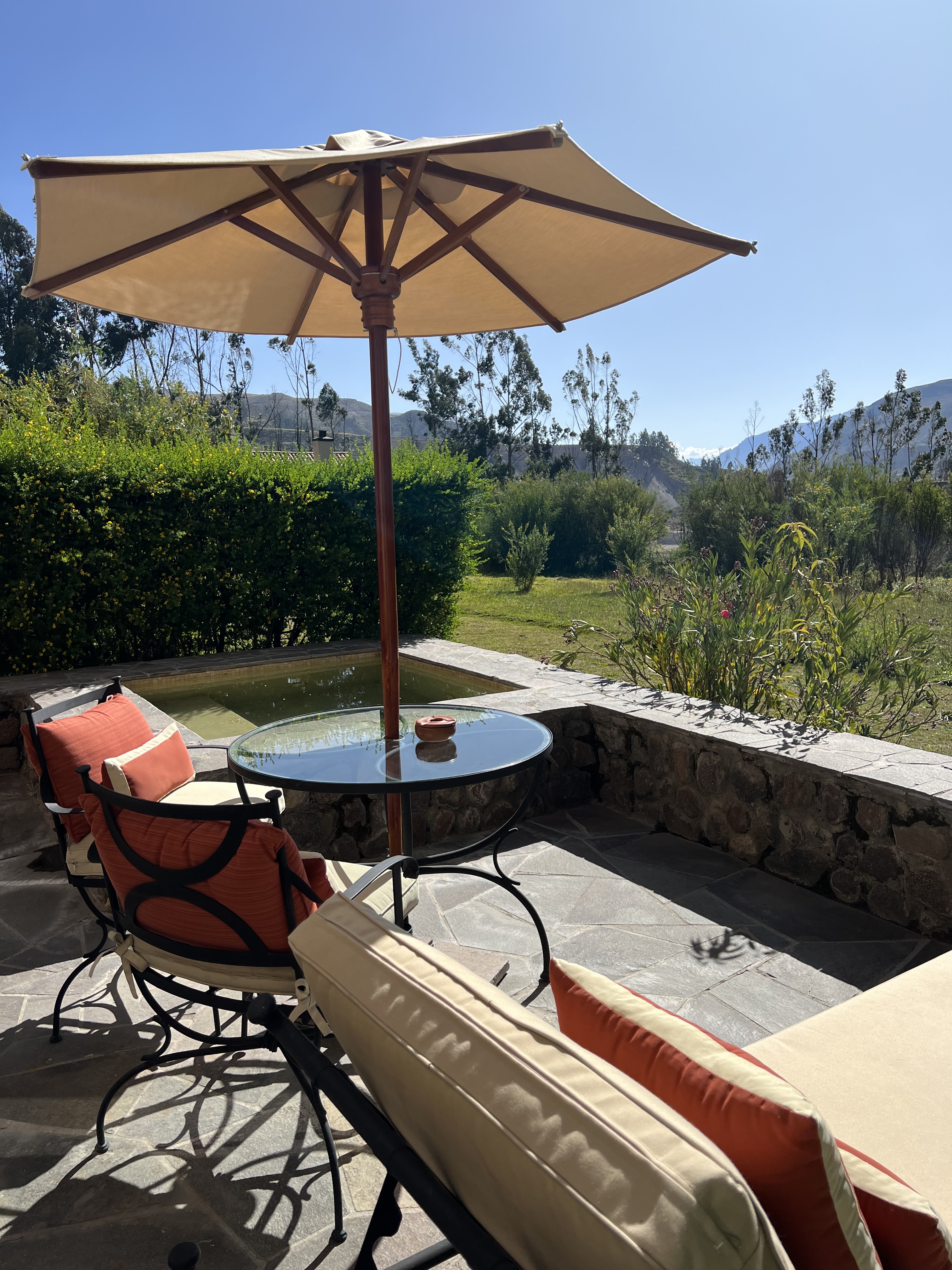
From portraits to our sunset to our local frog, we were ready for our last night at Las Casitas…and another luxurious bath and sunset near the Colca Canyon!
Next day..onto Arequipa and another volcanic eruption!
 THE TRAVELING MARTINI'S
Hi, Jacque! Those condors are really something! Is it okay if I share your blog with a friend of mine? She is an artist and loves to see exotic photos . . . and perhaps paint some of the colorful people. Would you mind if she paints them? Thanks, as always, for sharing your wonderful experiences. Love, Judy & David
LikeLike