
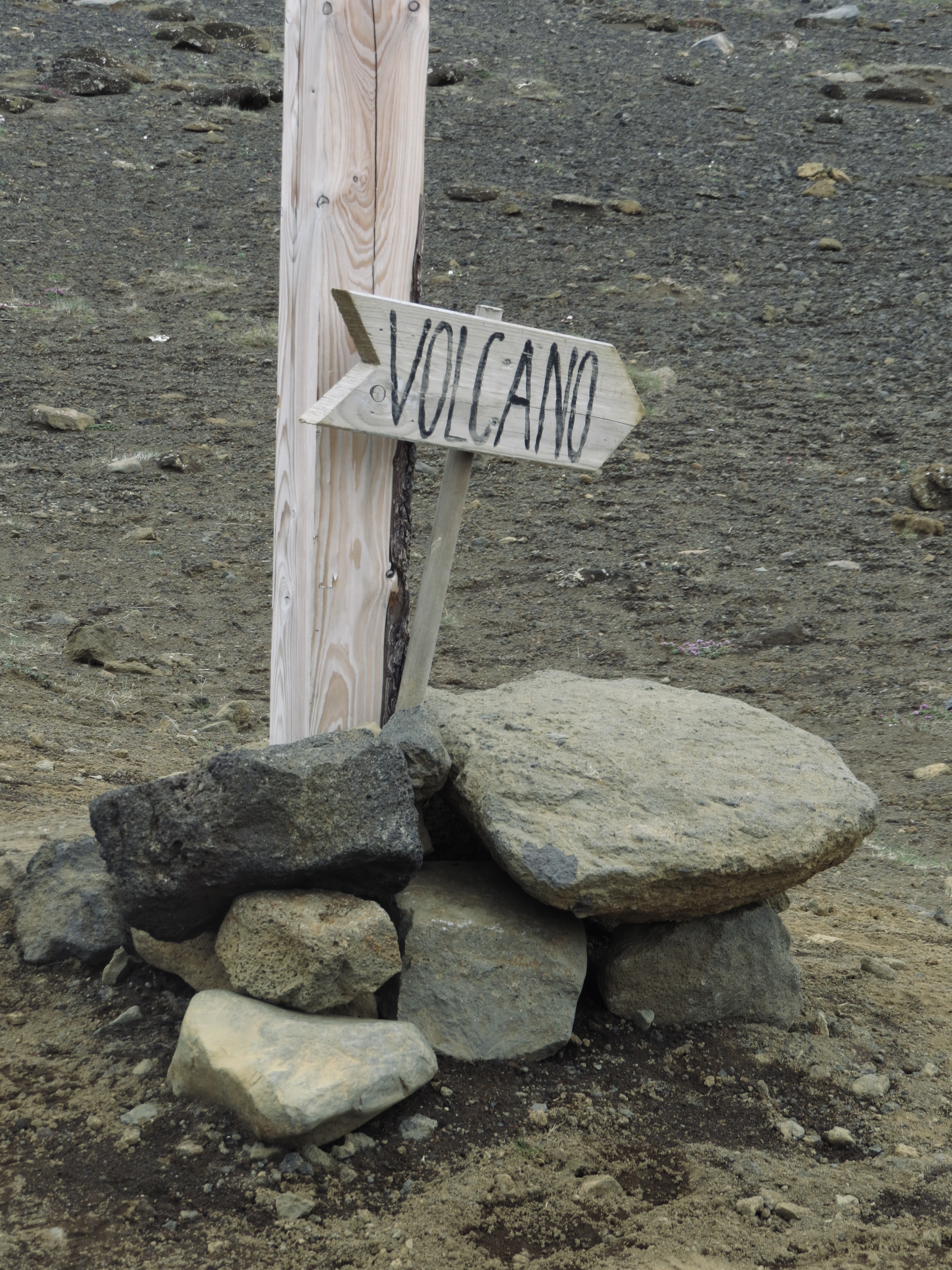
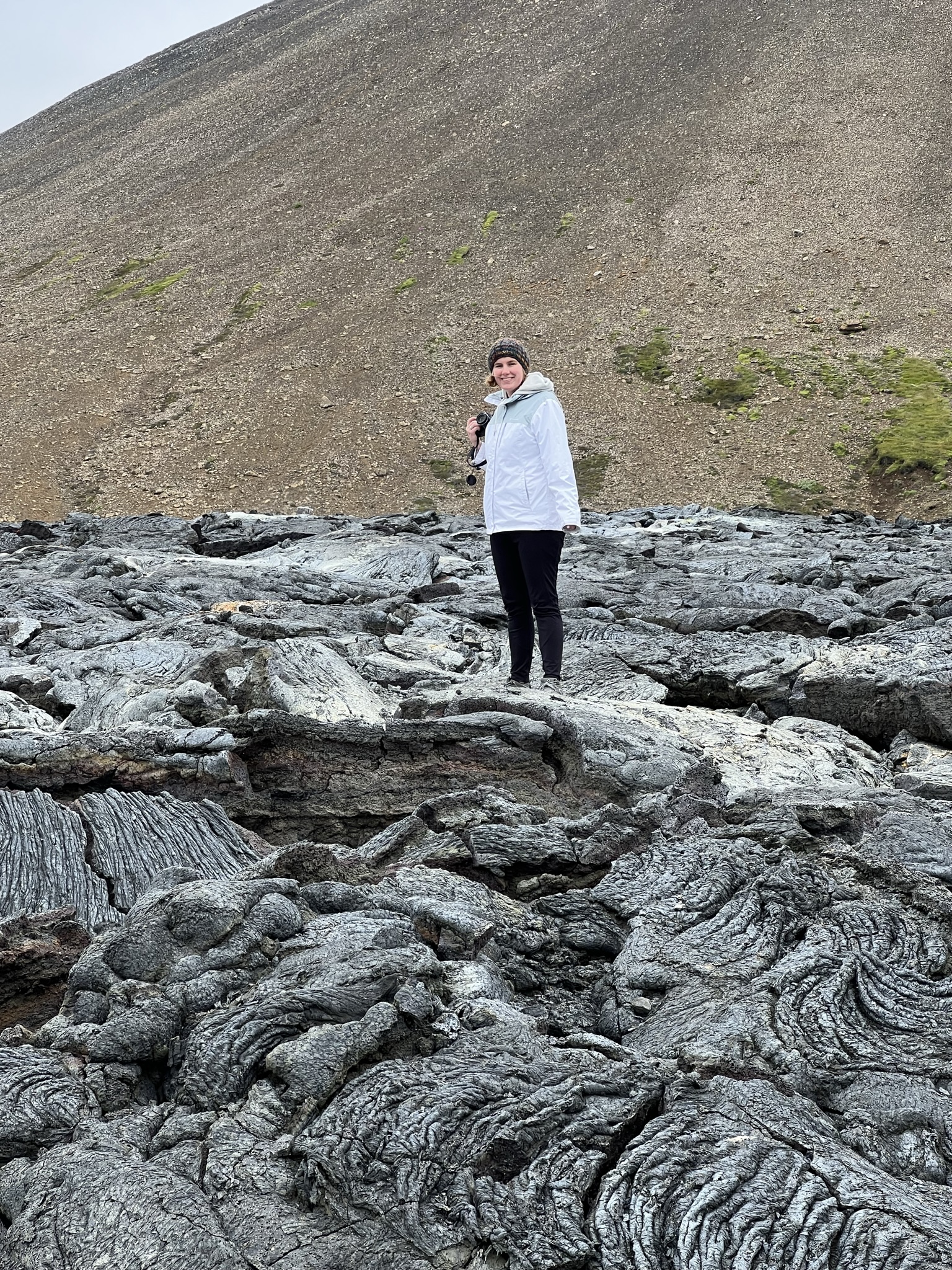
After checking out of the Ion Adventure we headed to the Reykjanes Peninsula to visit the Fagradalsfjall volcanic area which had erupted in March of 2021. Valdi told us when he met us on Friday that if a volcano went up we would detour to visit and of course with two of us being geologists we were more than ready for that detour – three in one year would be spectacular. But alas, we were only able to walk on last years eruption.
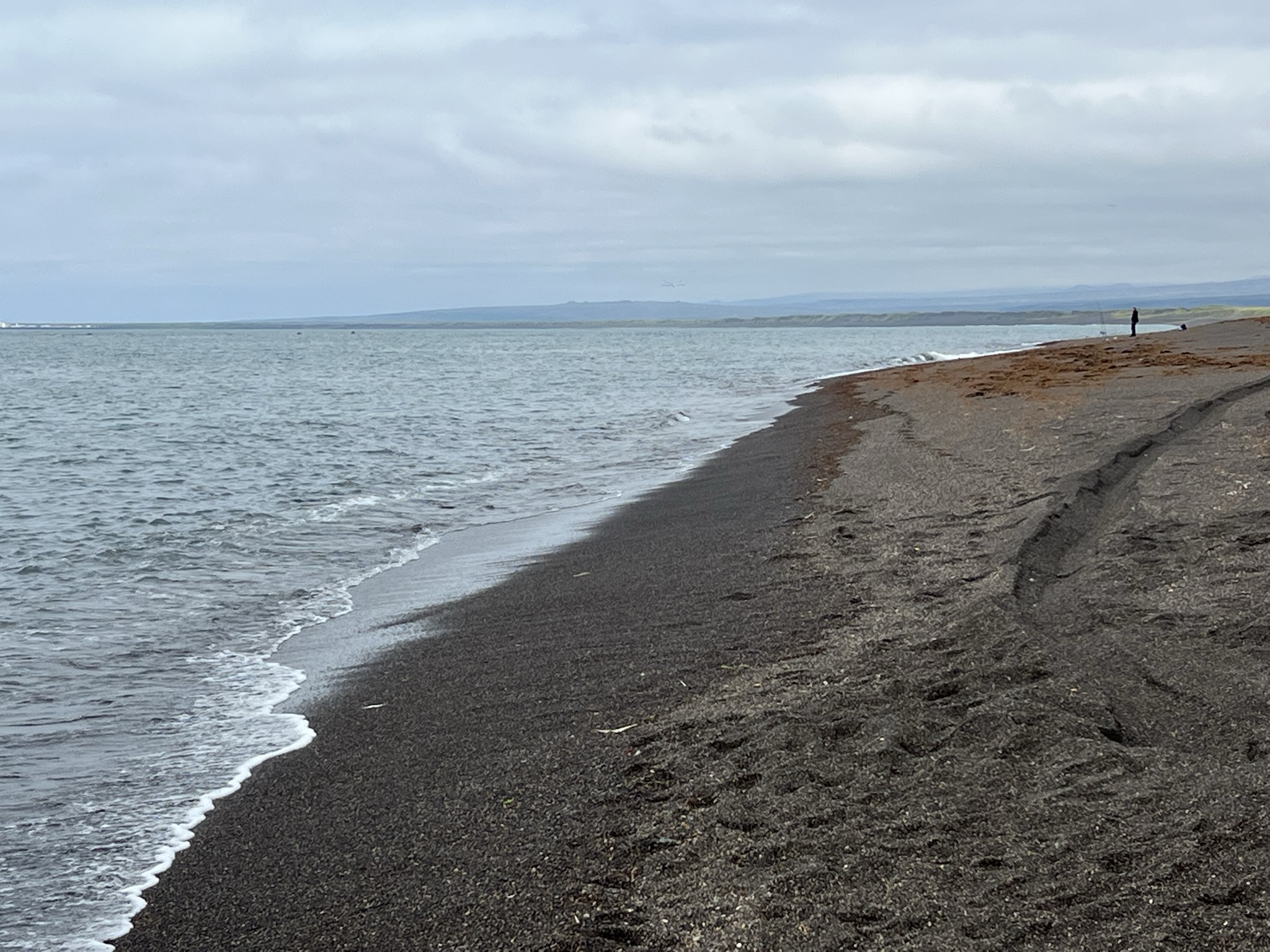
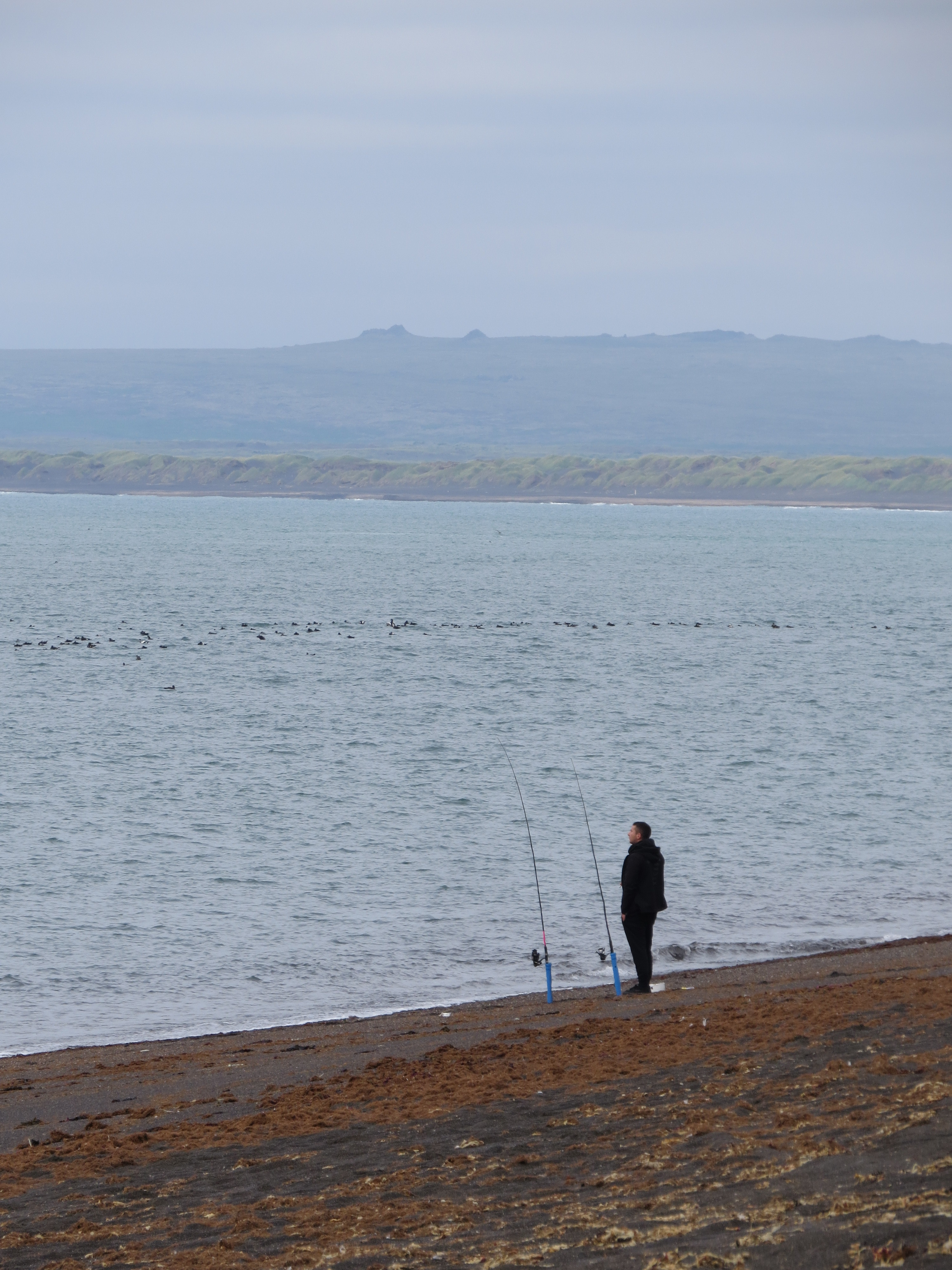
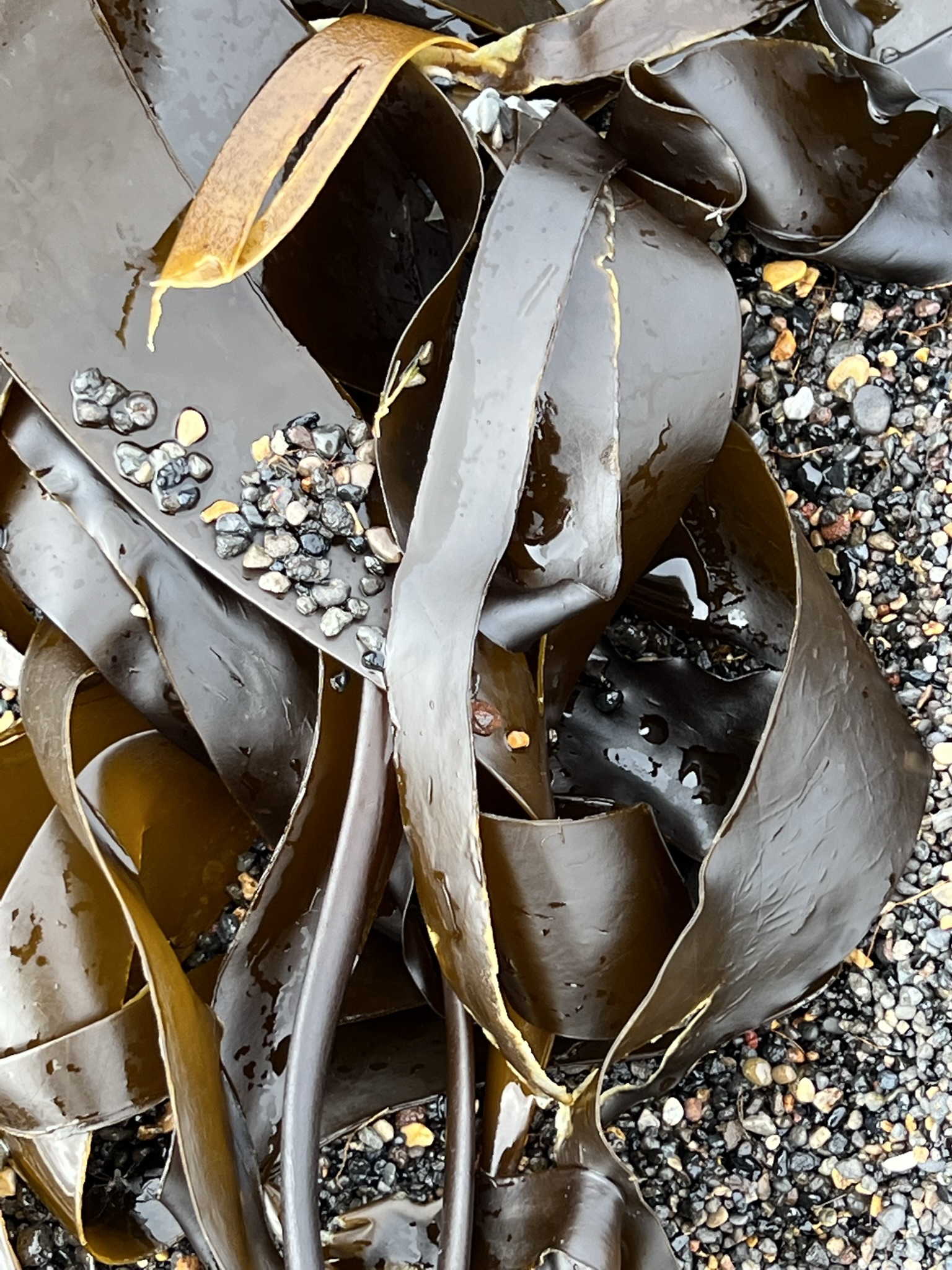
But first, miles and miles of lava fields with moss growing on top, a quick jaunt to another somewhat black sand beach and then the magical lava field.

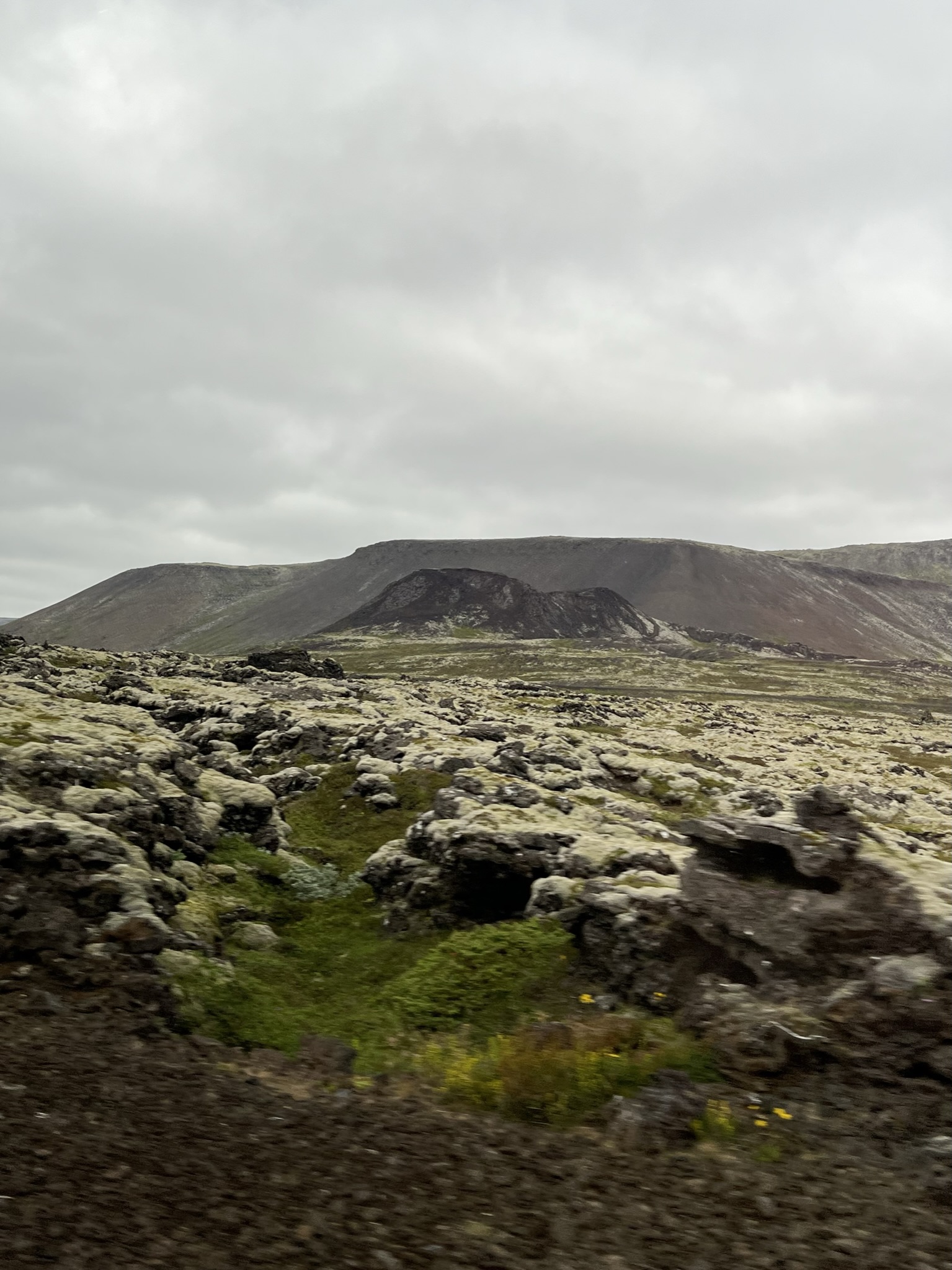
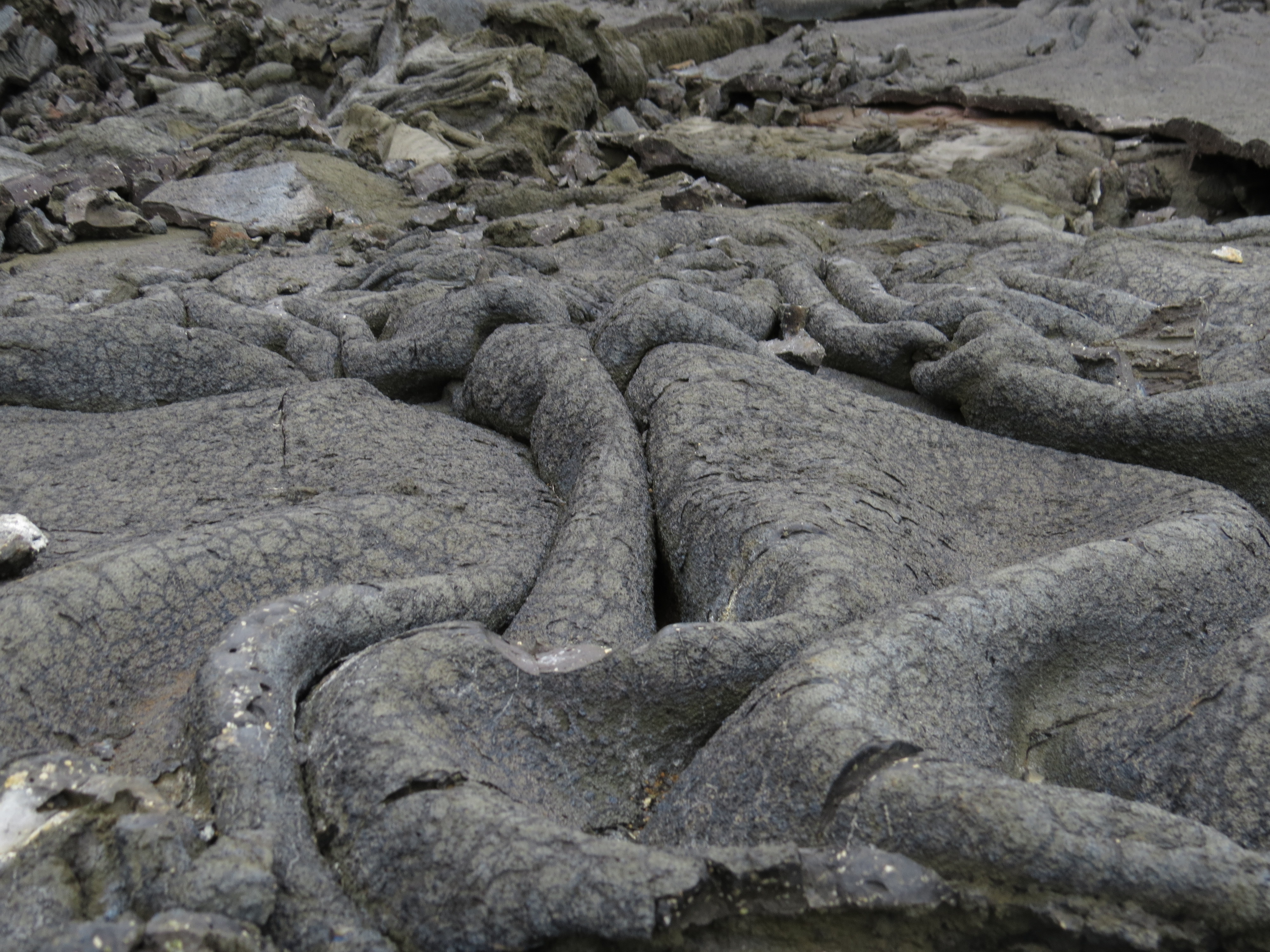
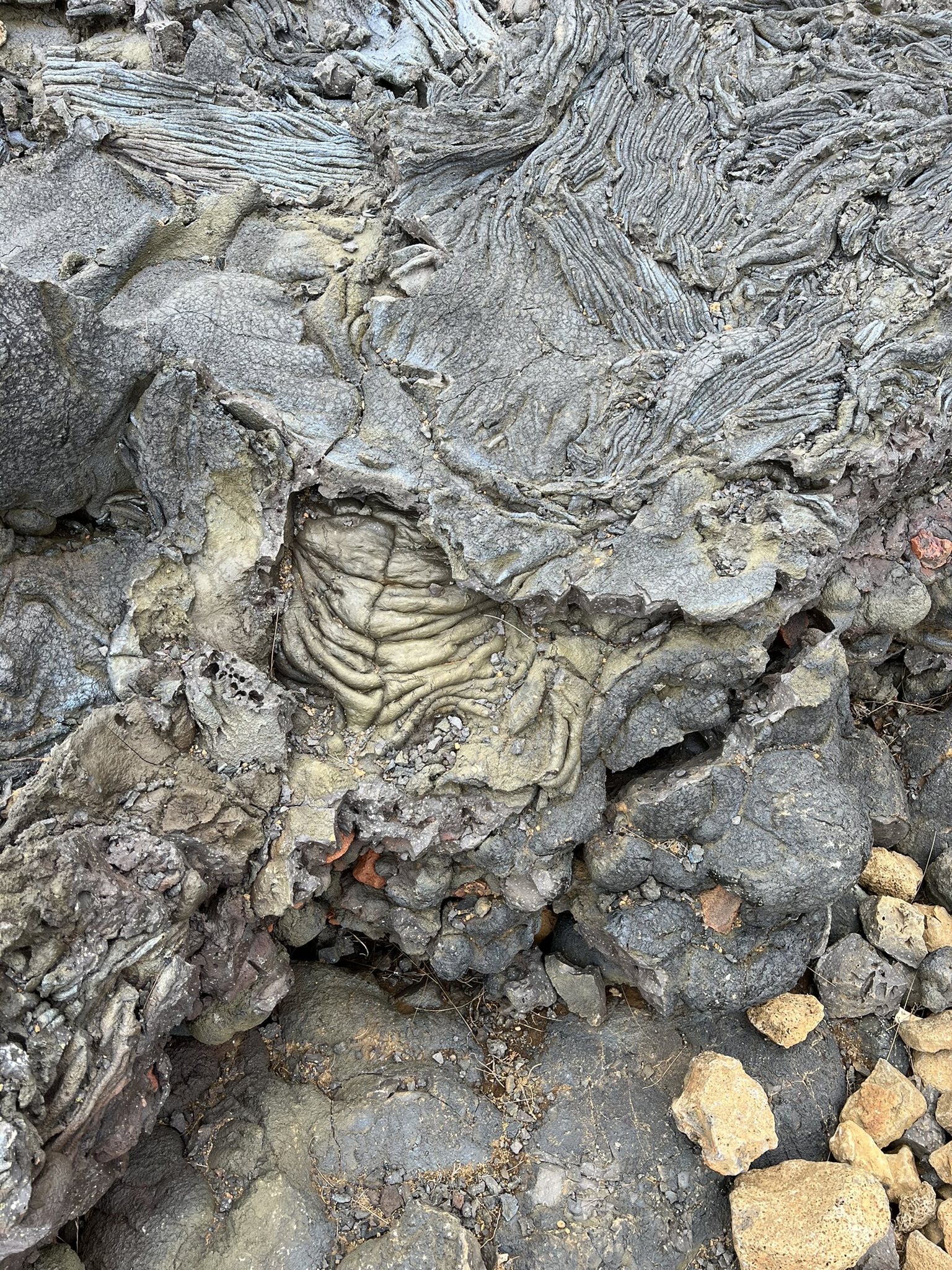
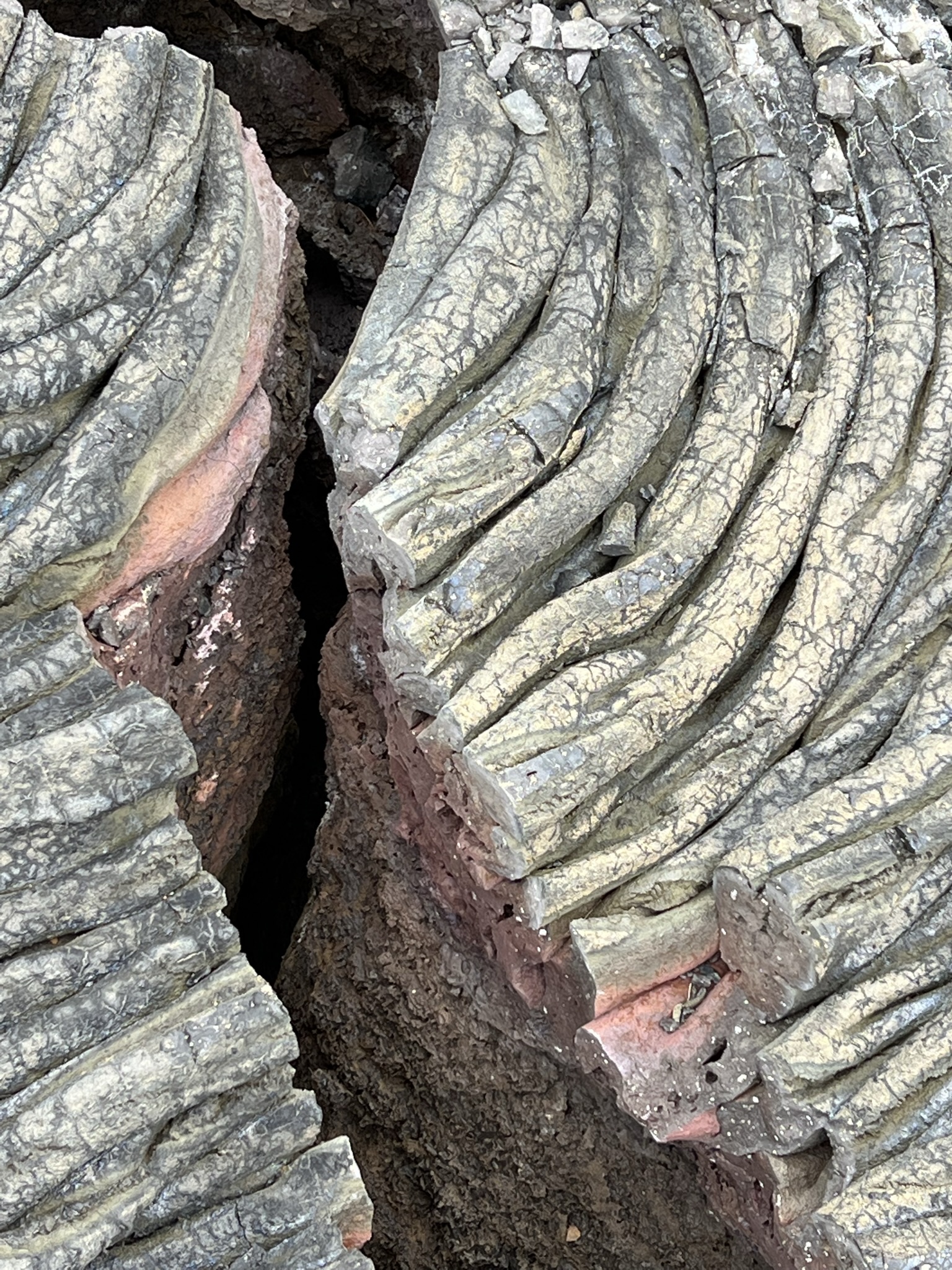
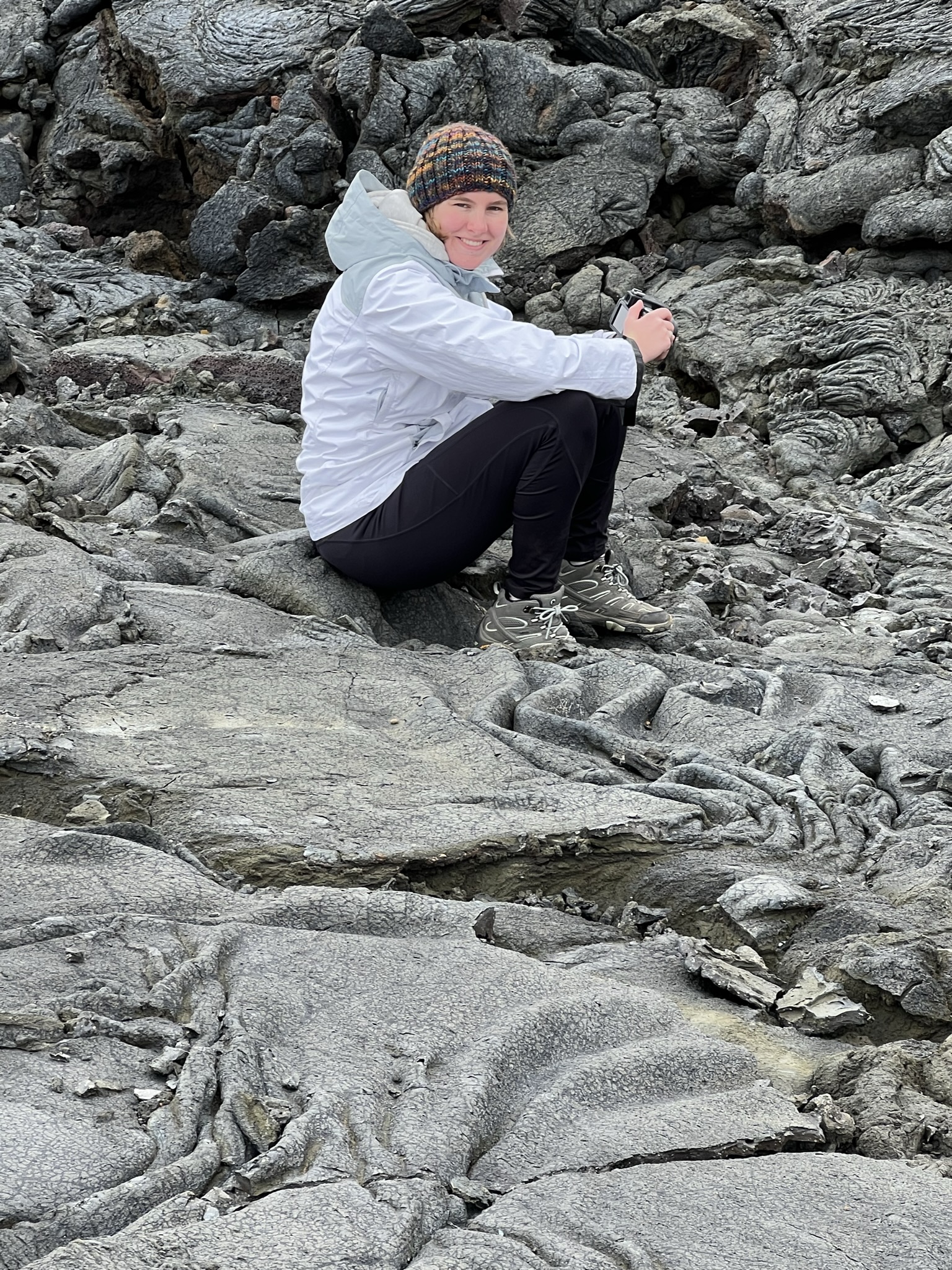
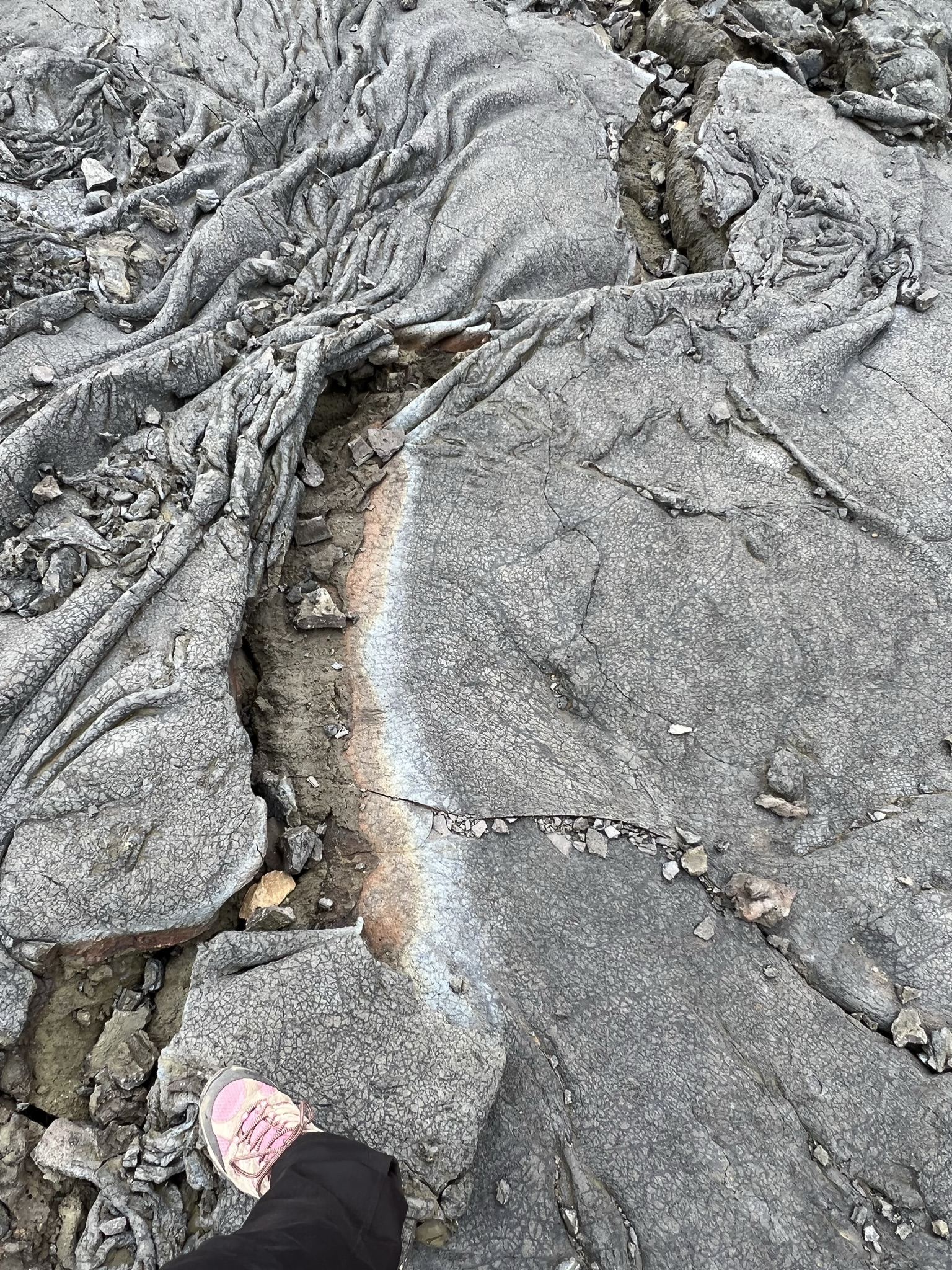
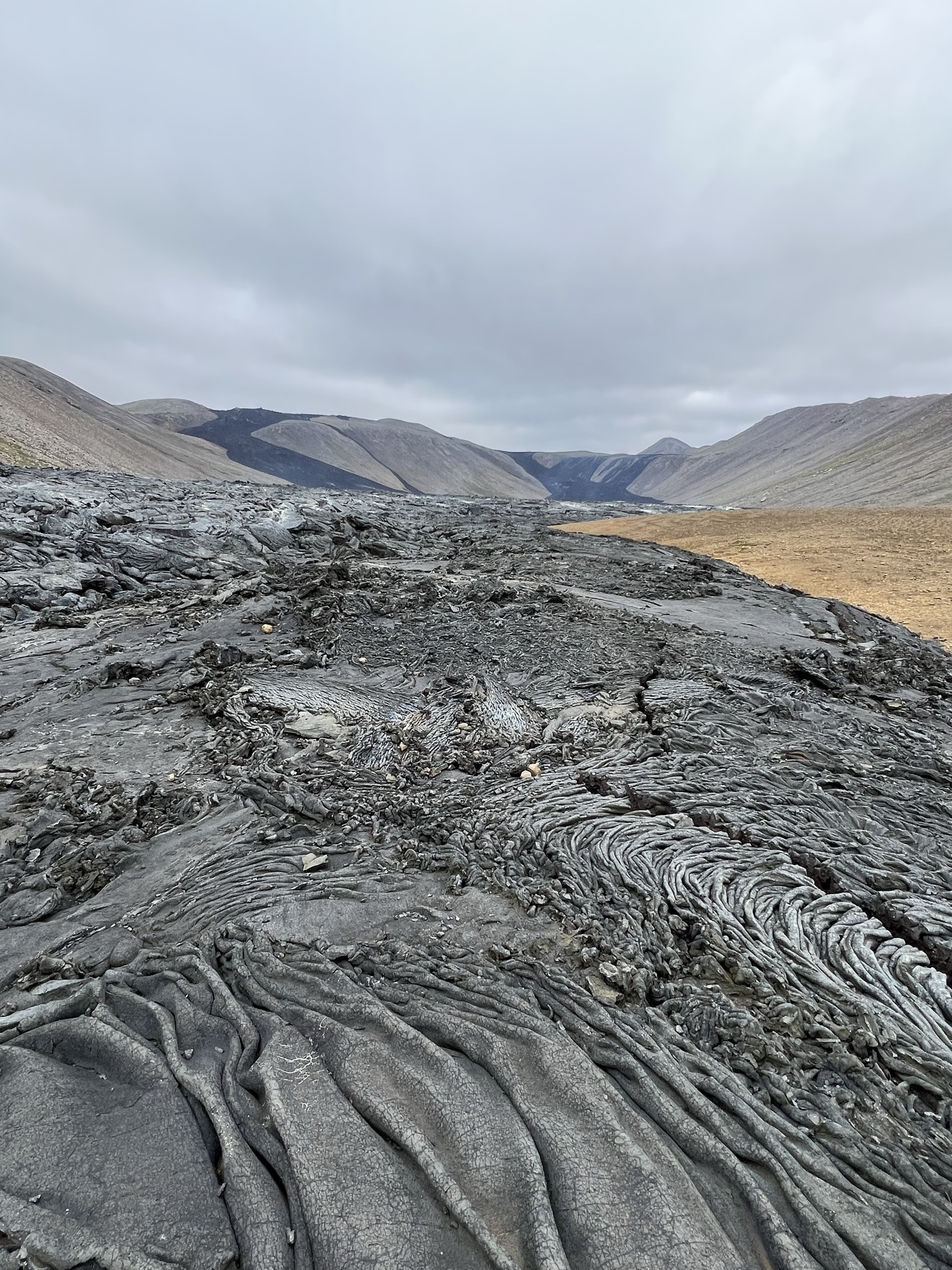
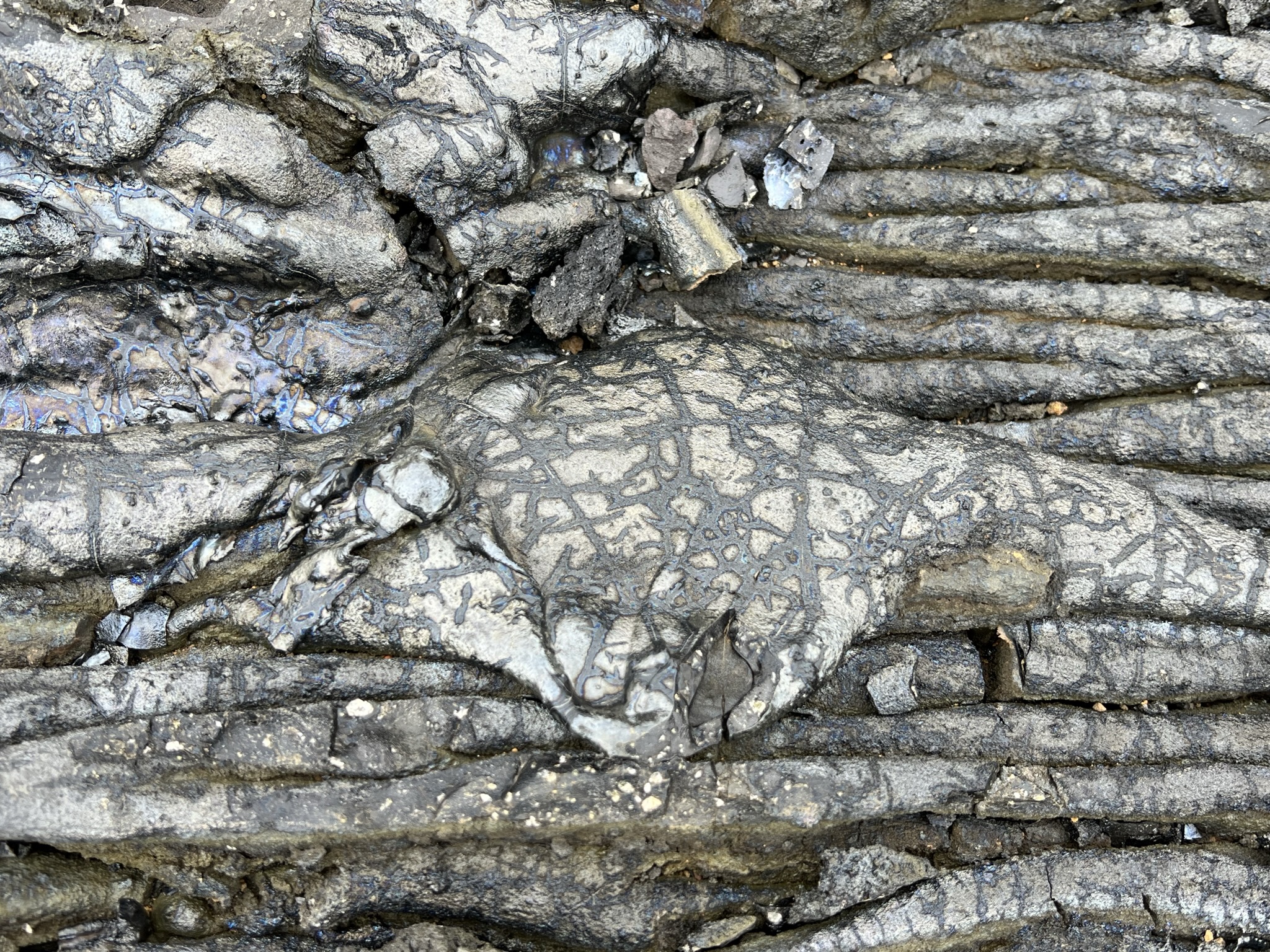
Valdi, Larkin, Michael and I enjoyed this incredible lava field. Valdi normally stayed in the Suburban at our various stops but he loves joining his tourists on this hike. An Icelandic geophysicist said of last years lava flow into the Natthagi Valley, “the lava is running down the slope in enjoyable torrents.” We enjoyed photographing those solidified torrents! You can even visual them running down the hills in the distance.

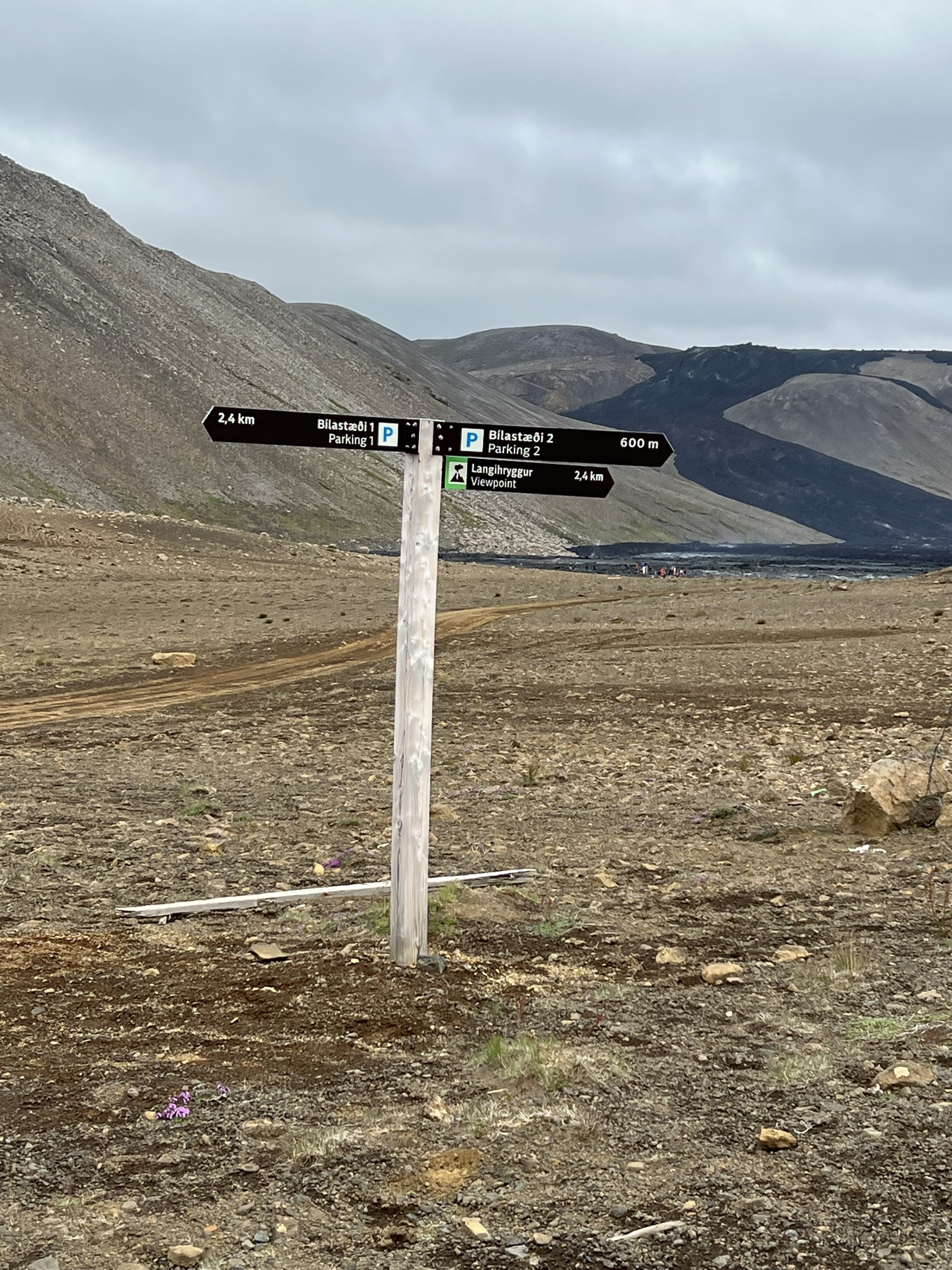
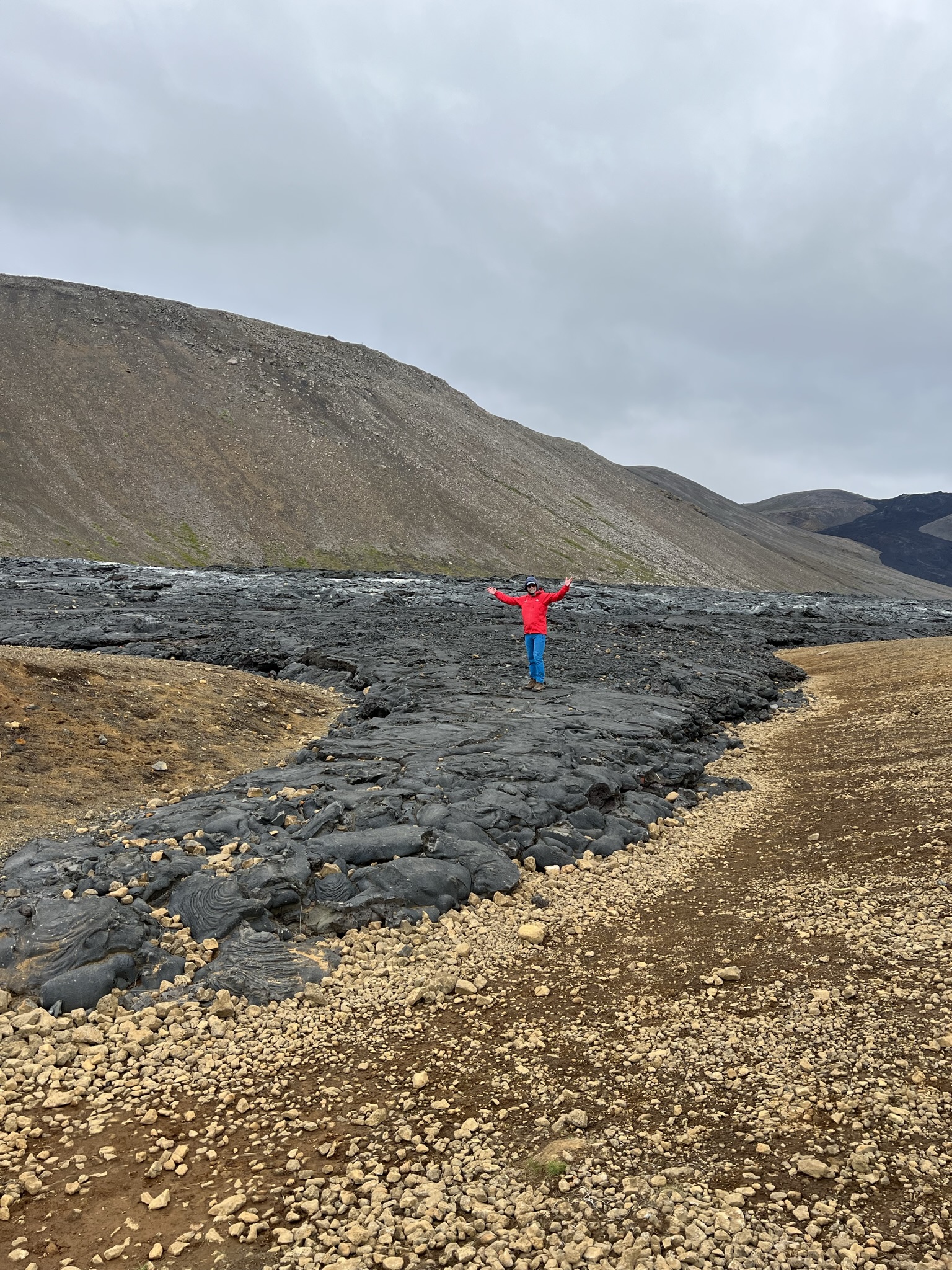
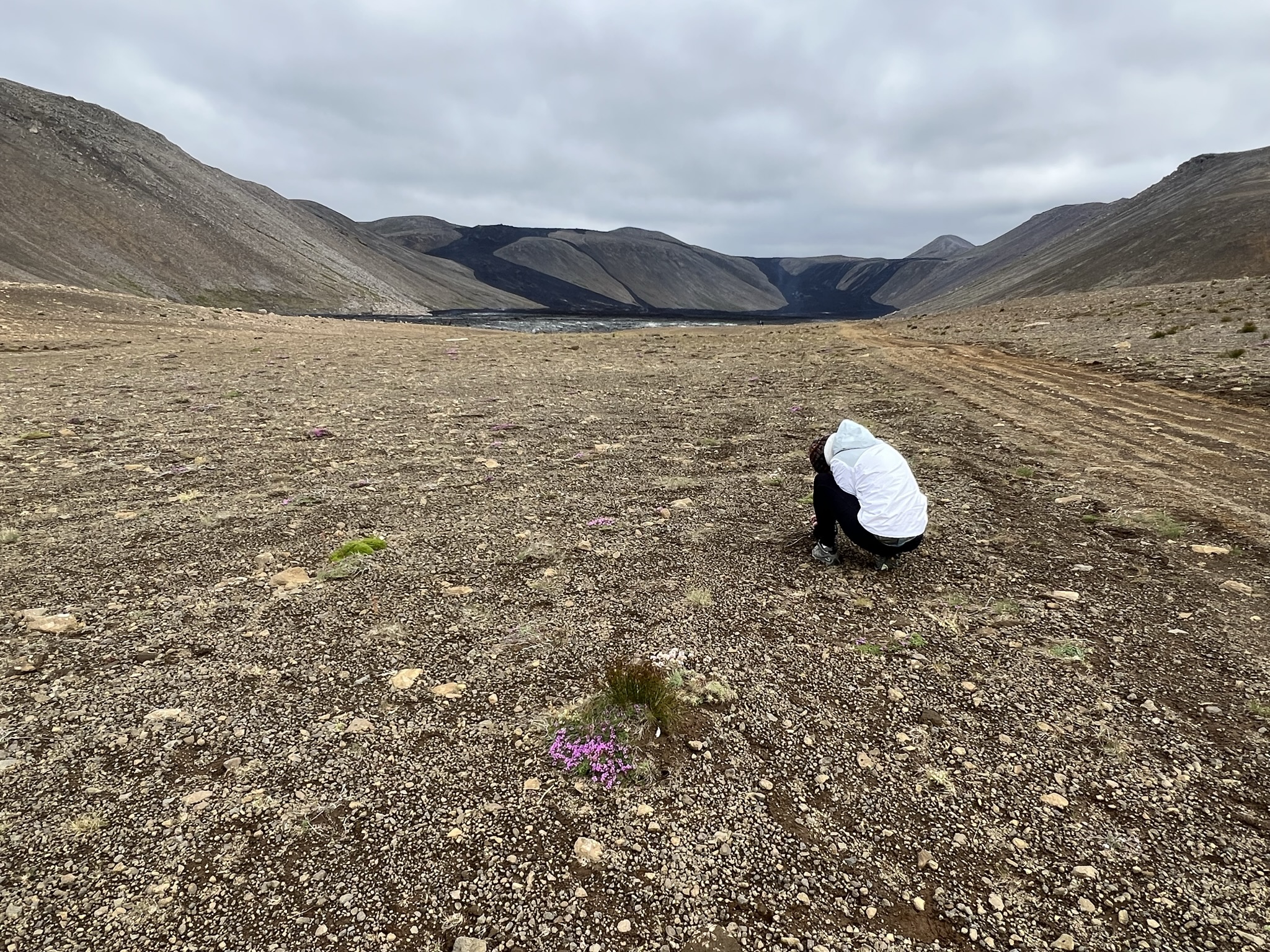
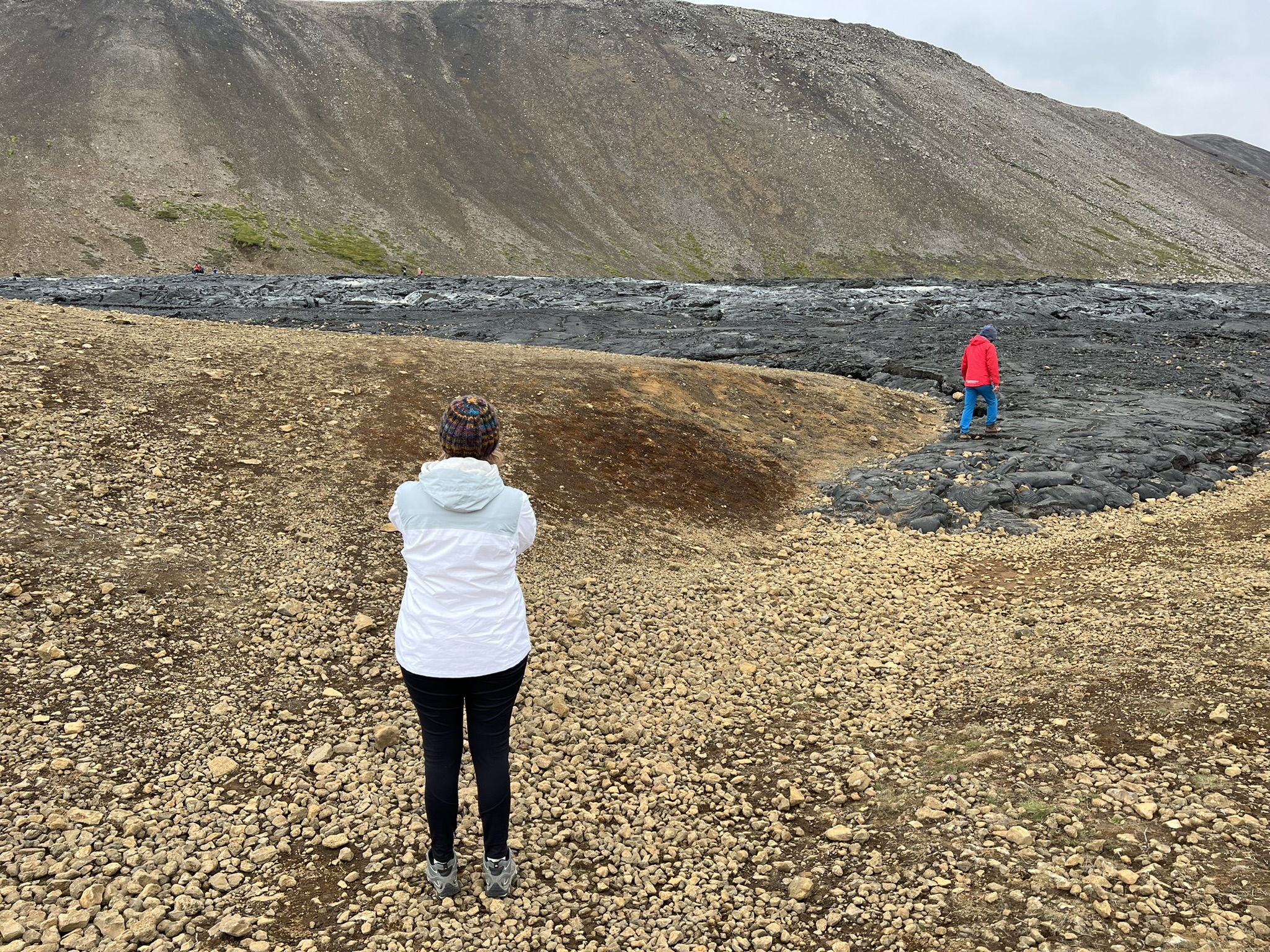

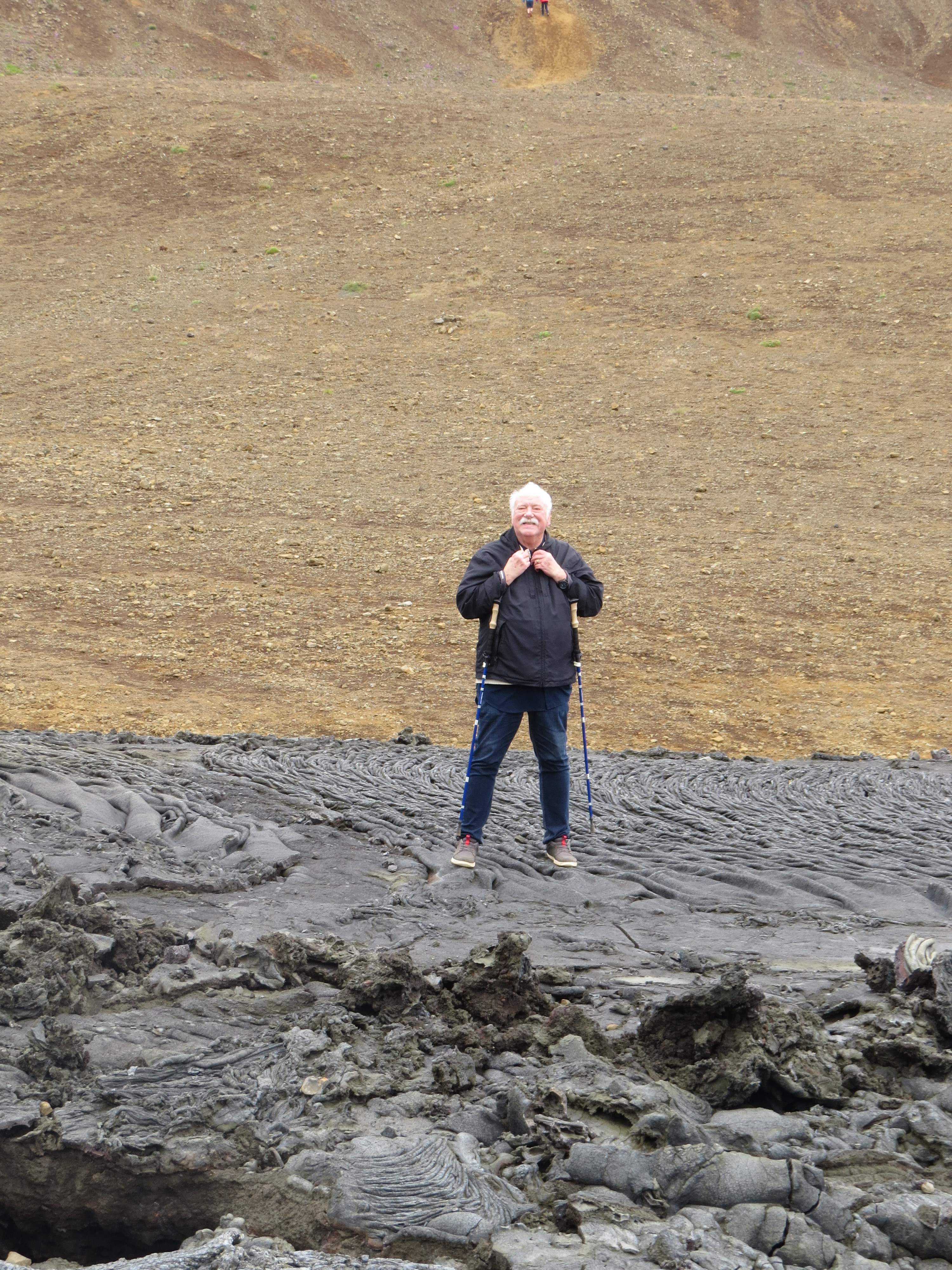
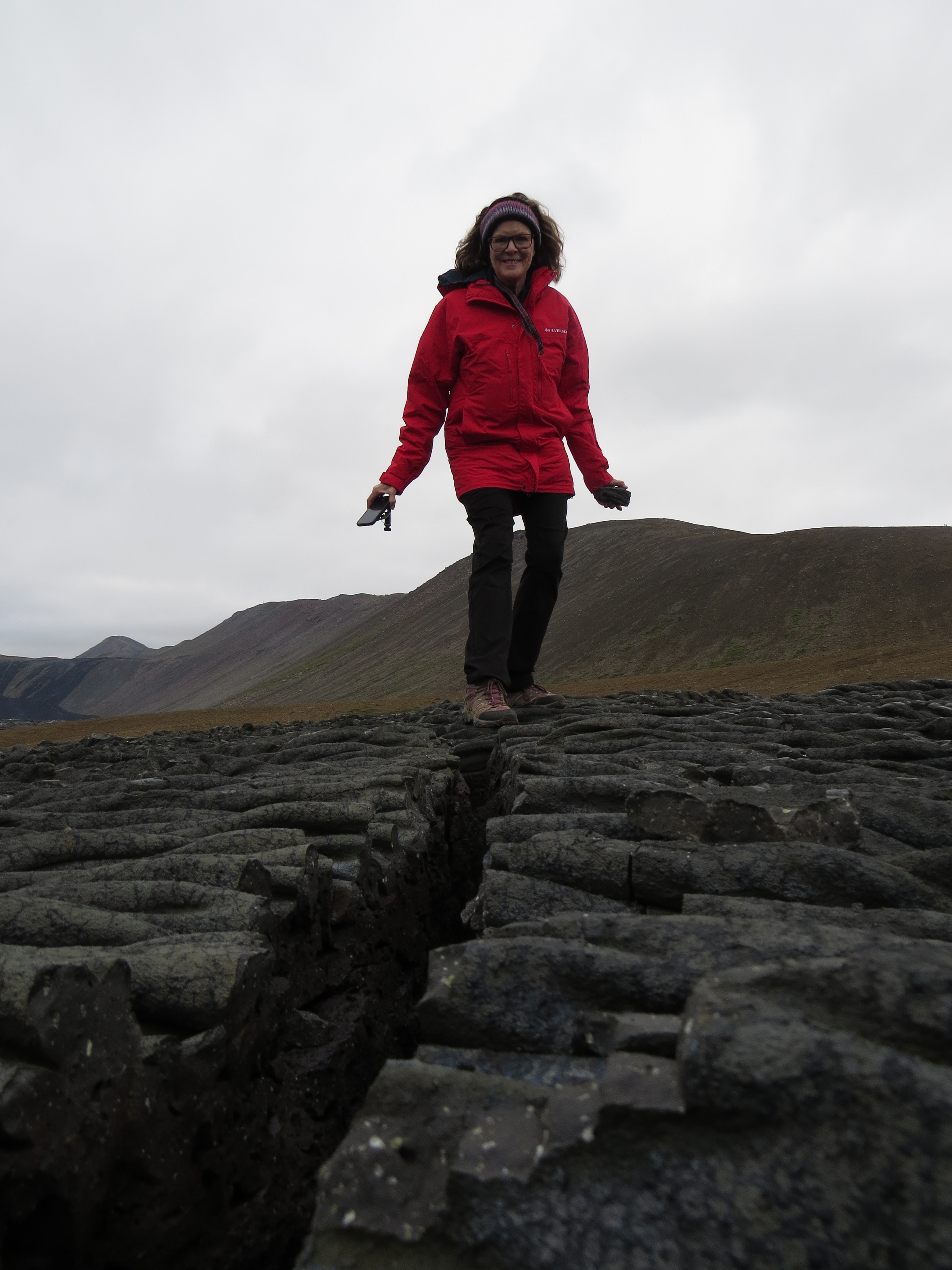
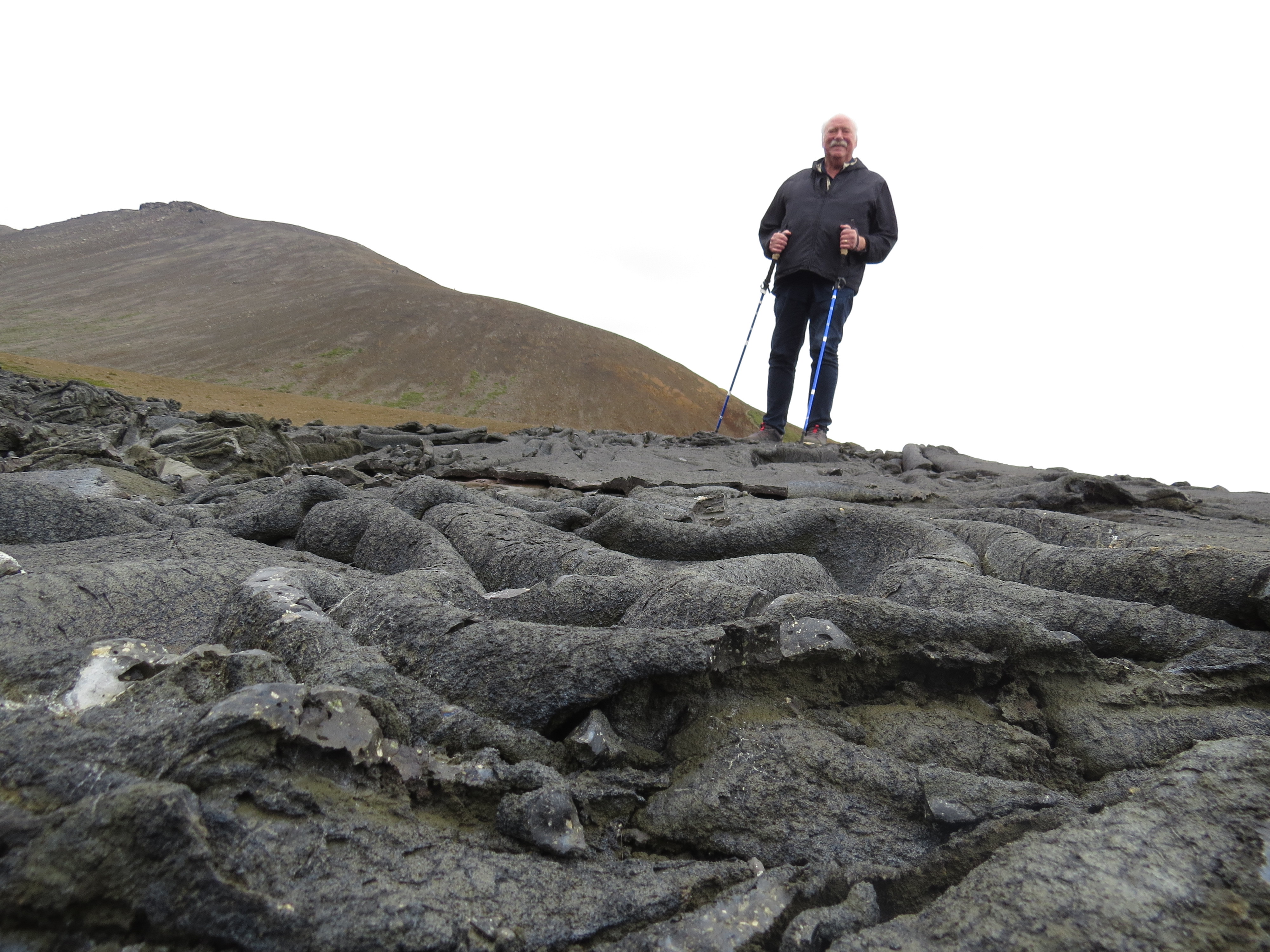
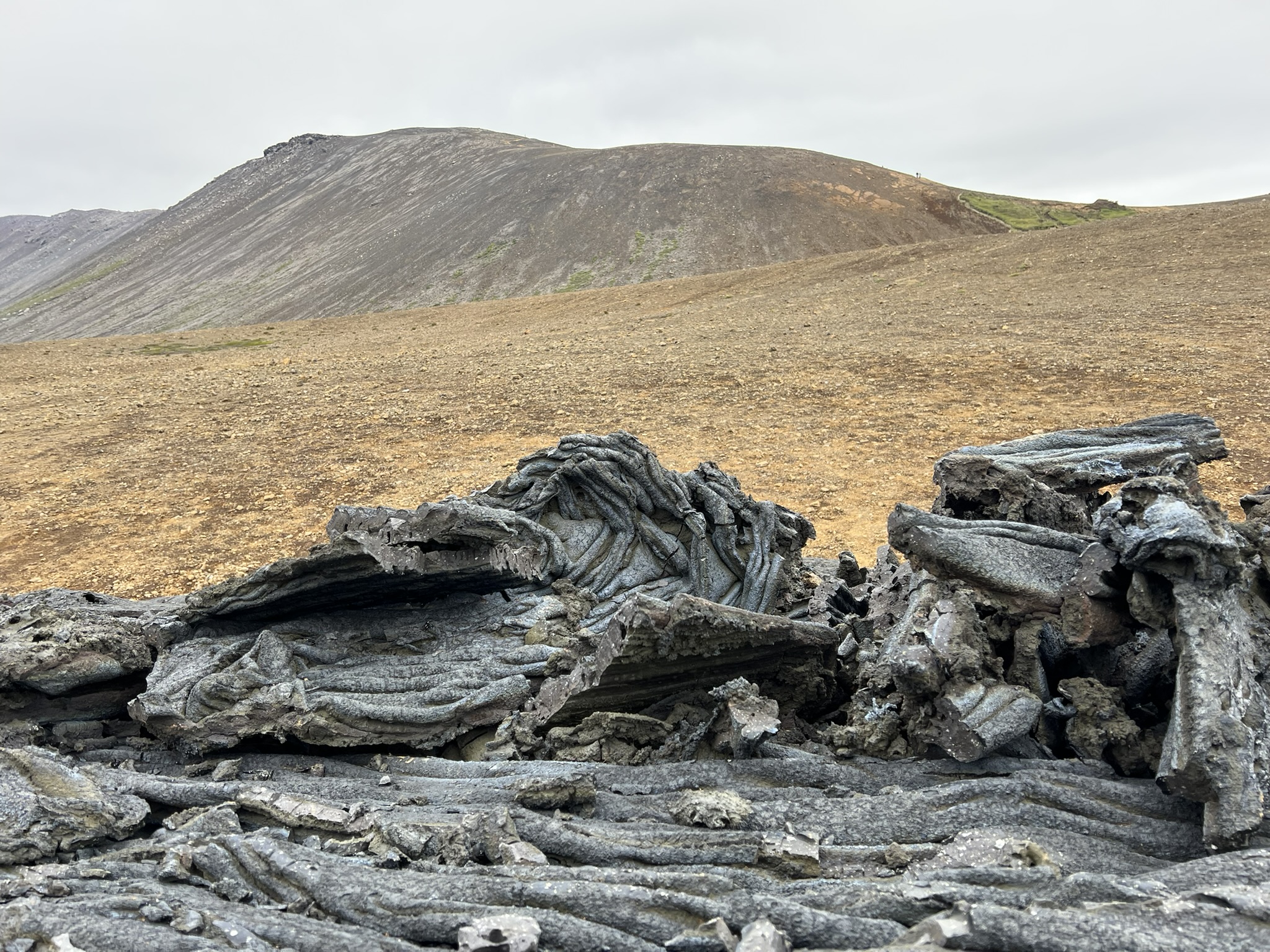
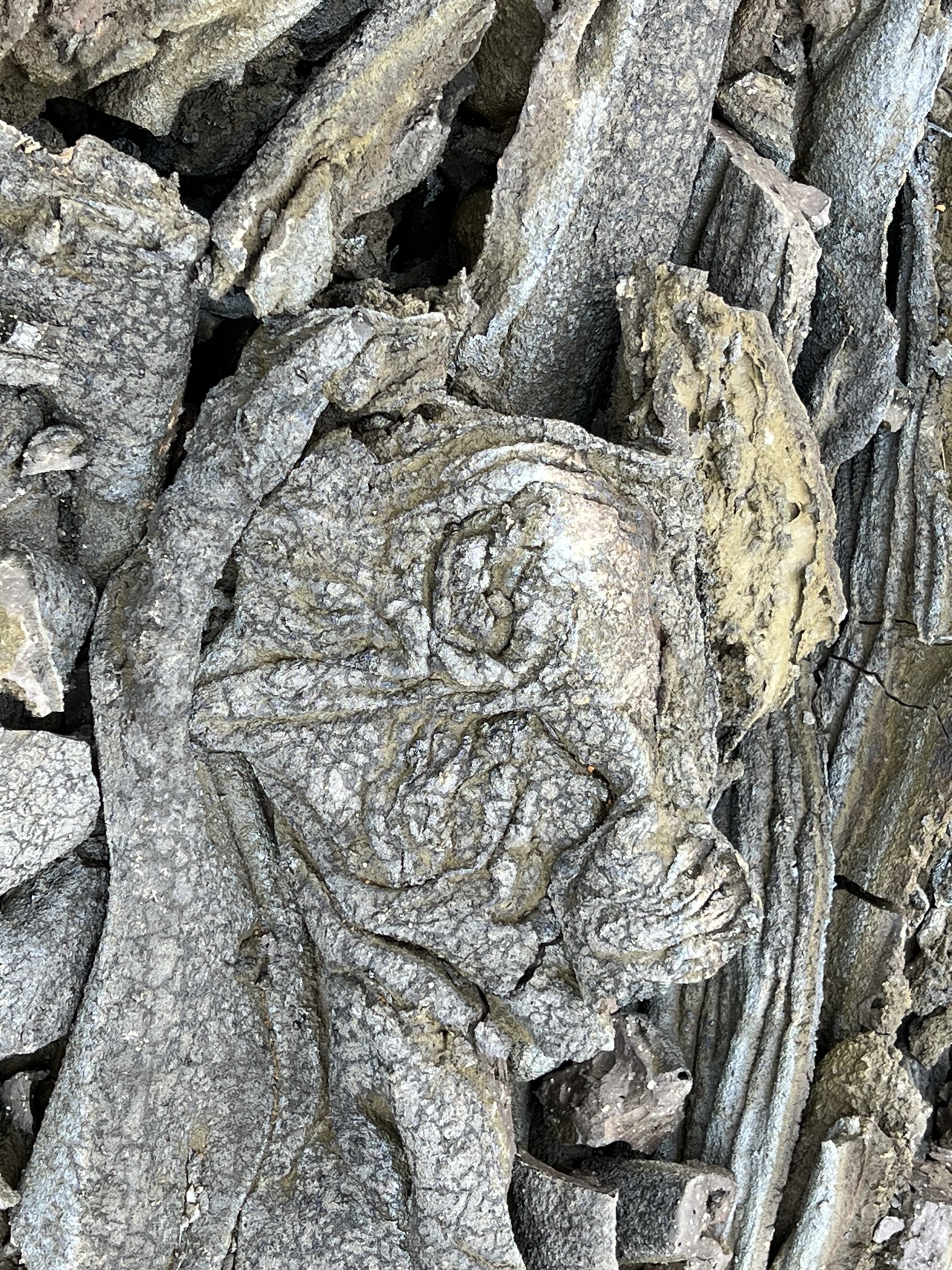
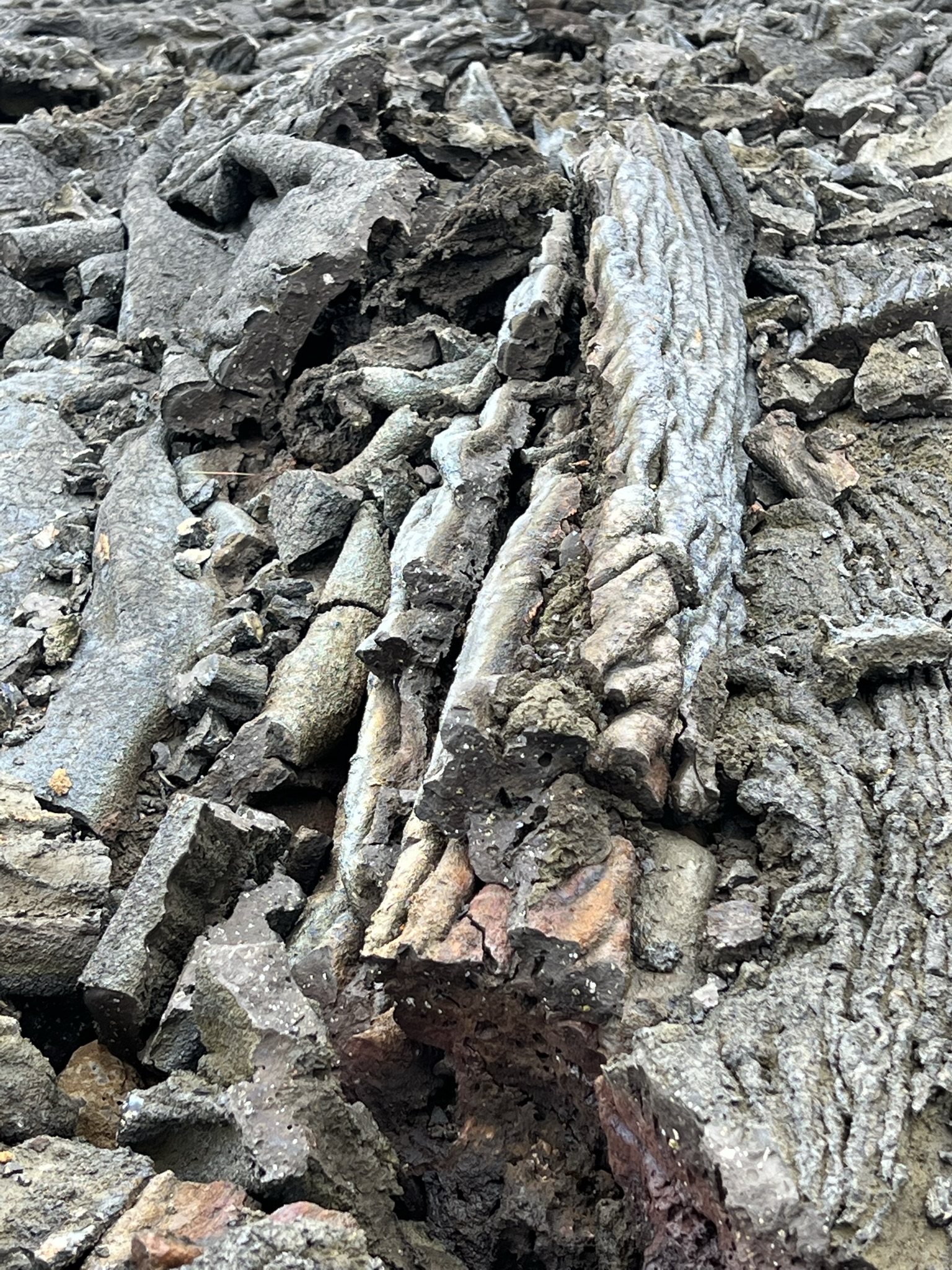
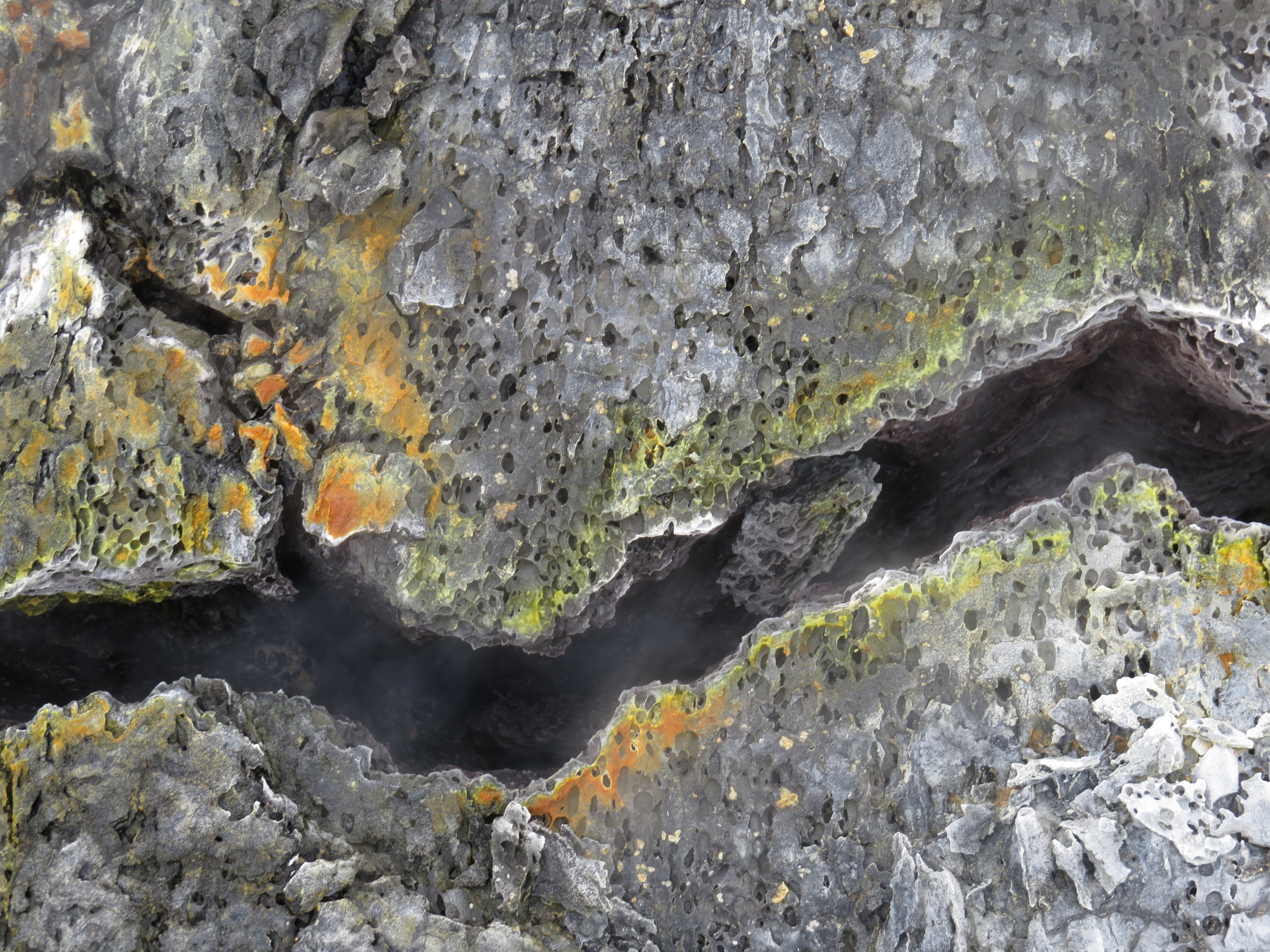
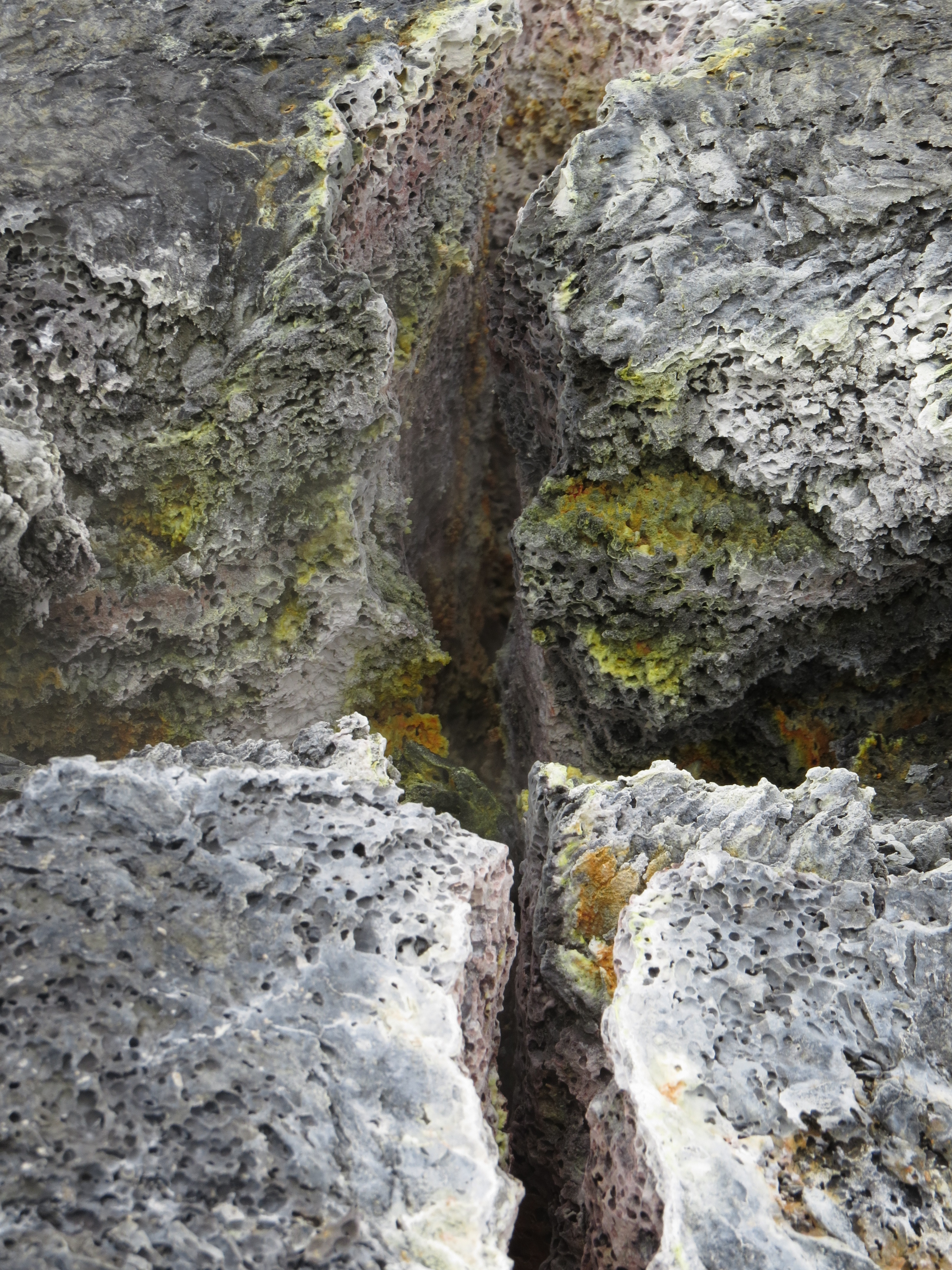
Acres and acres of rope lava and some sulphuric vents. Unique looking formations that resemble magical creatures, black, grey, blue, yellow coloring, with green olivine crystals in the cooled magma. Olivine is found on the surface associated with dark igneous rocks along divergent plate boundaries. This lava is reportedly said to be the oldest rocks on the surface of the planet because of the content of the magma and how deep it was sourced. Regardless of how close in miles each of these volcanic areas are located in Iceland, each one seems to have a different source into the mantle. I can imagine geologist and geophysicists are loving their jobs here in Iceland…from earthquakes, divergent plates and magma, there is always something to study indepth and new connections to be made. These photos show new earth from a year ago – that alone seems magical!
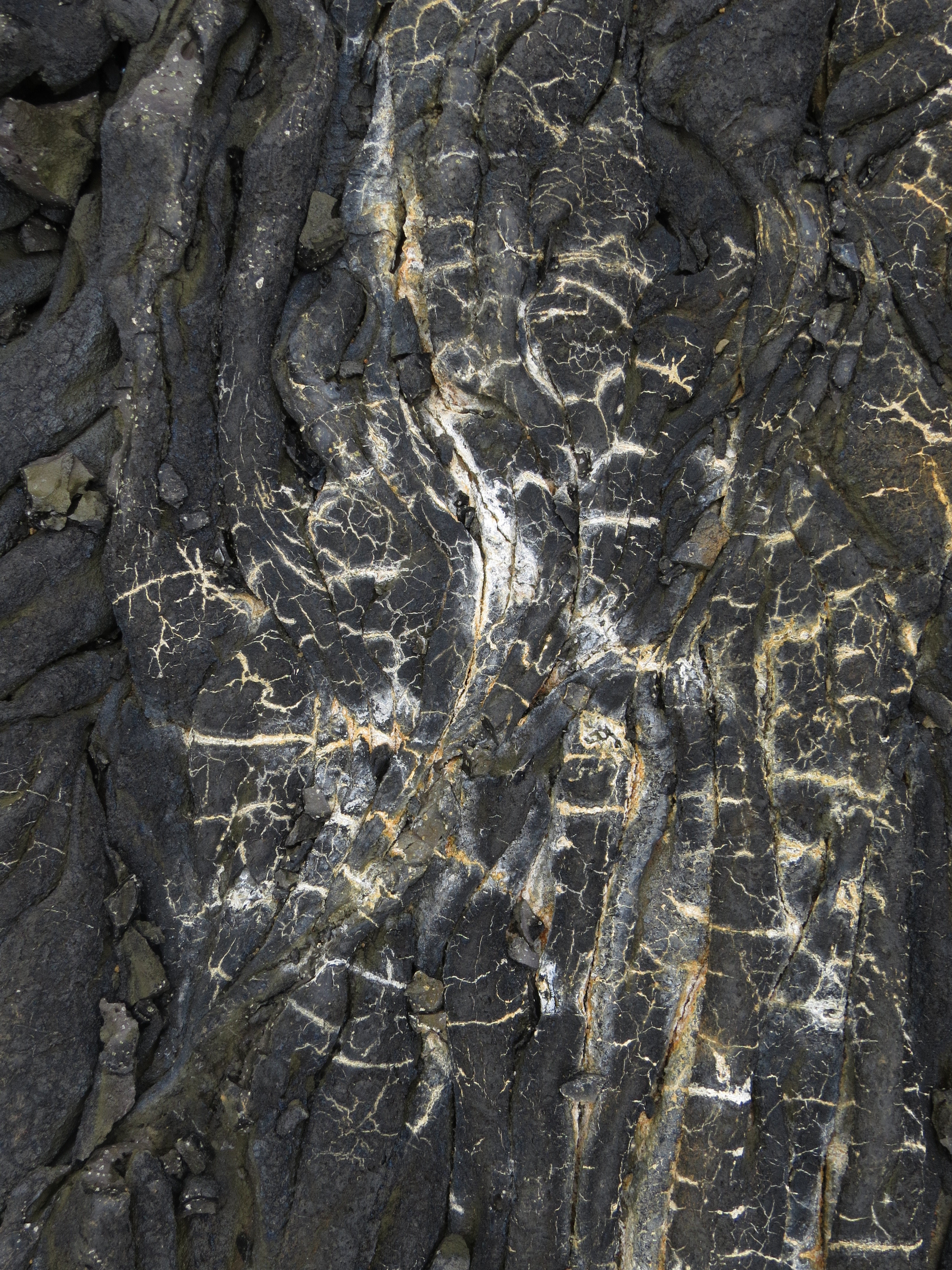
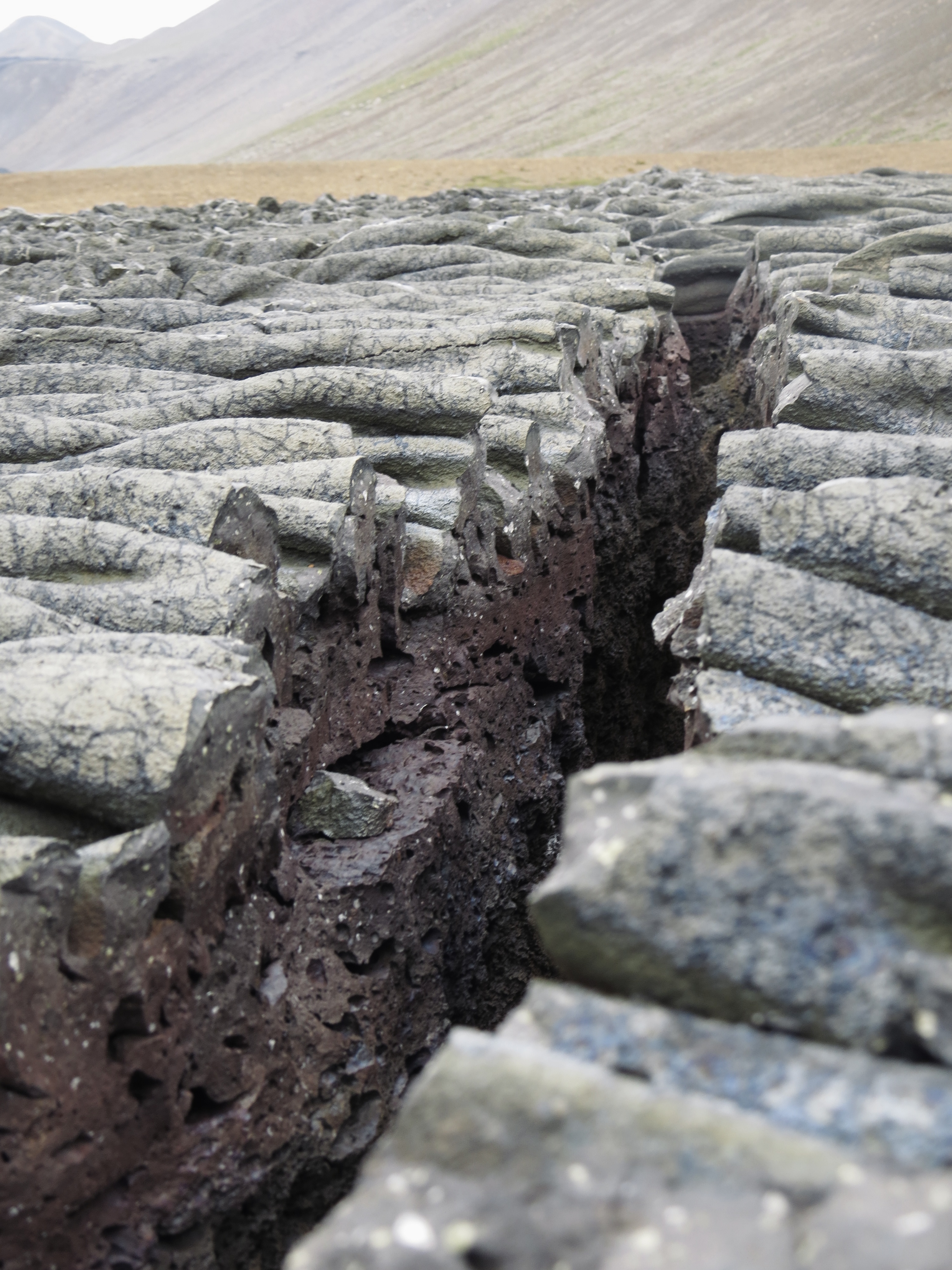
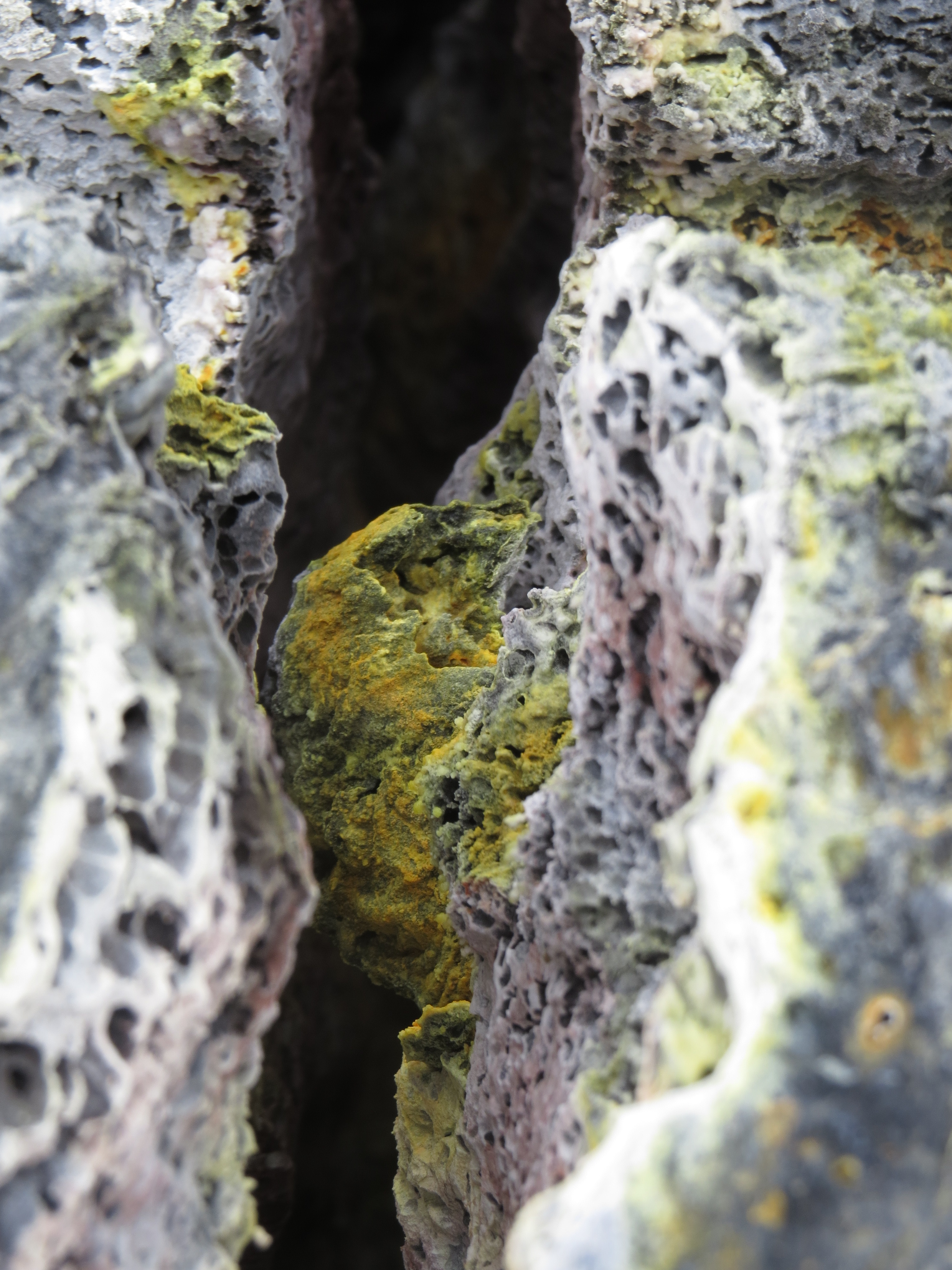
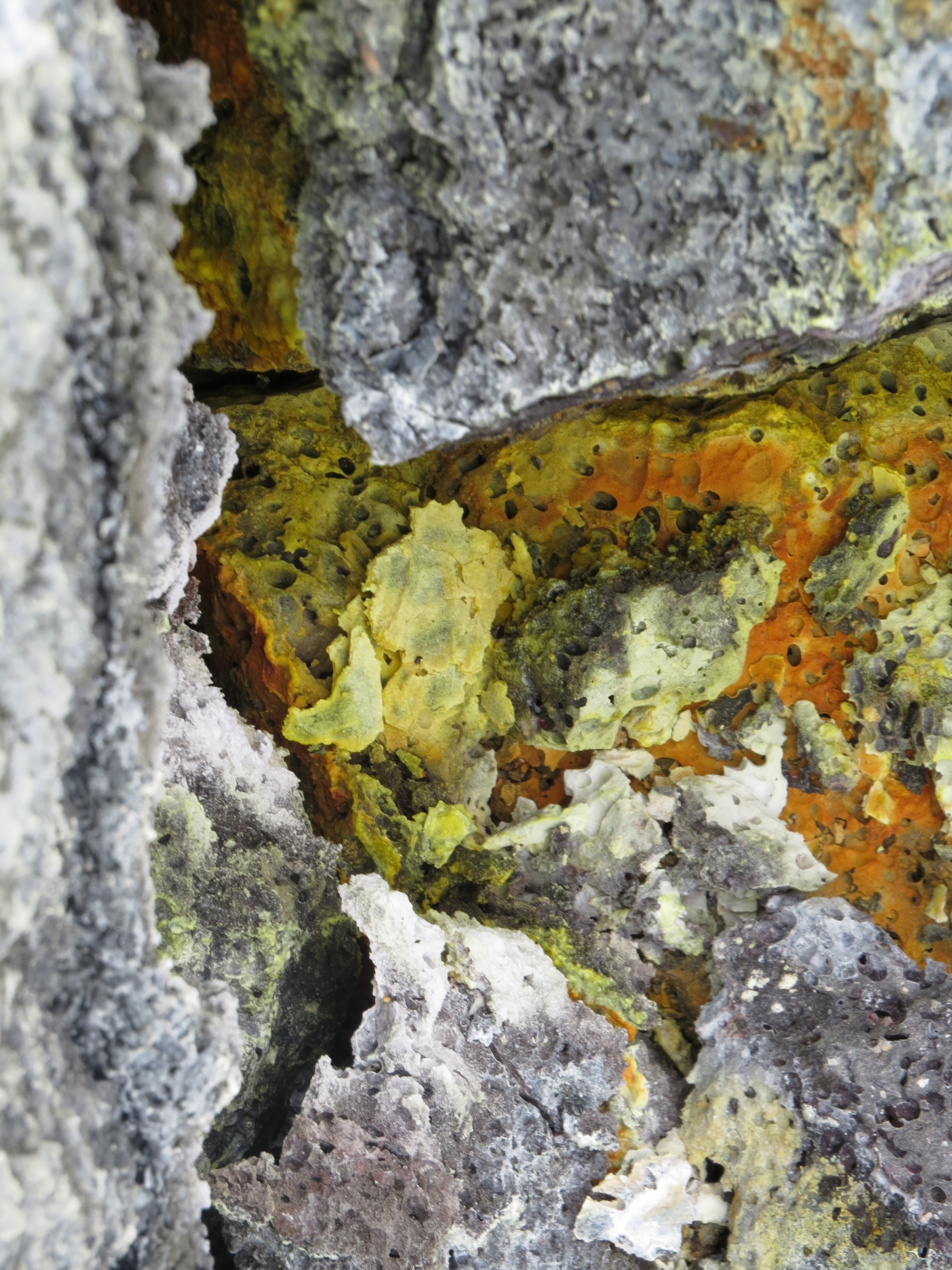


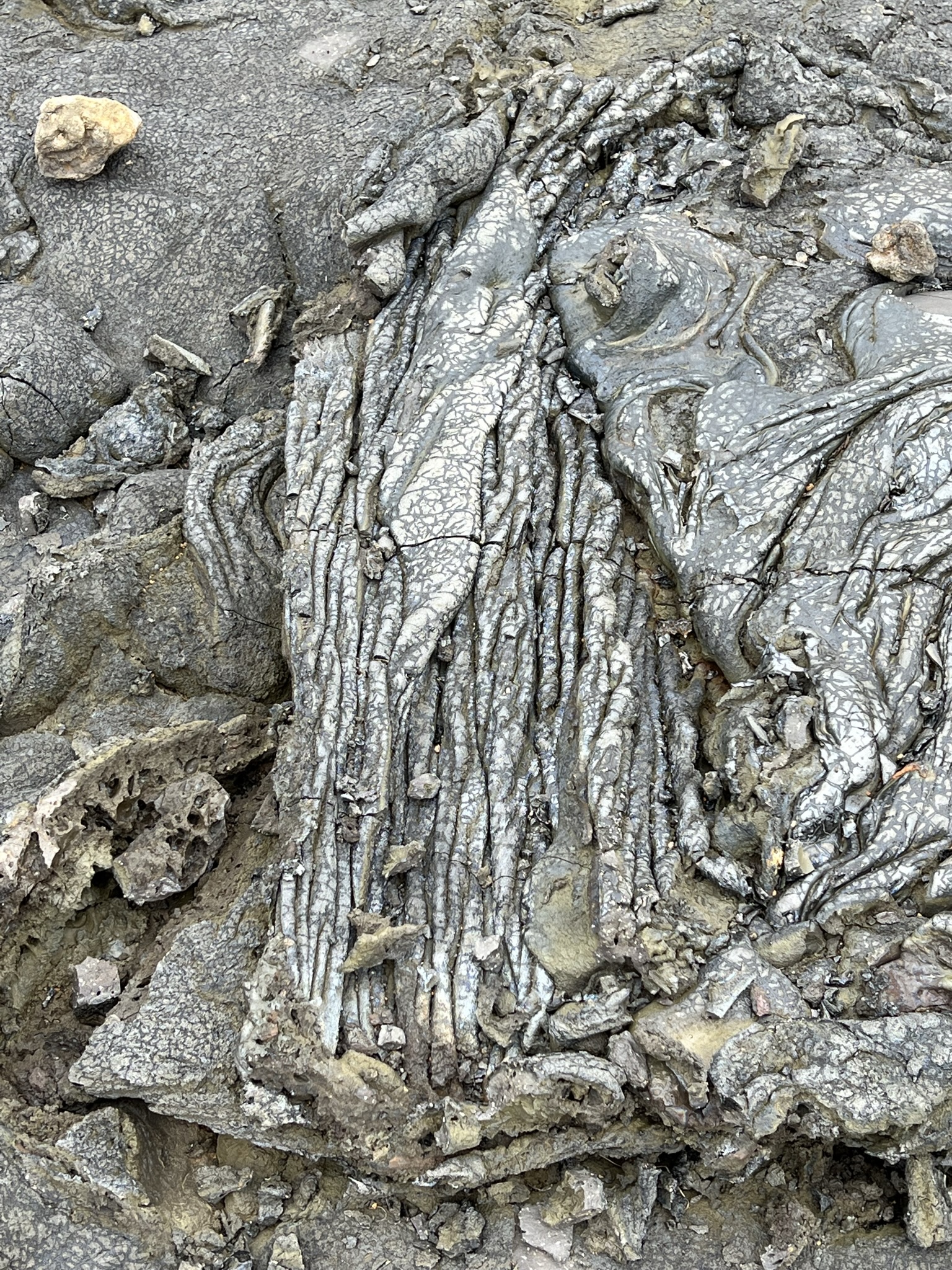

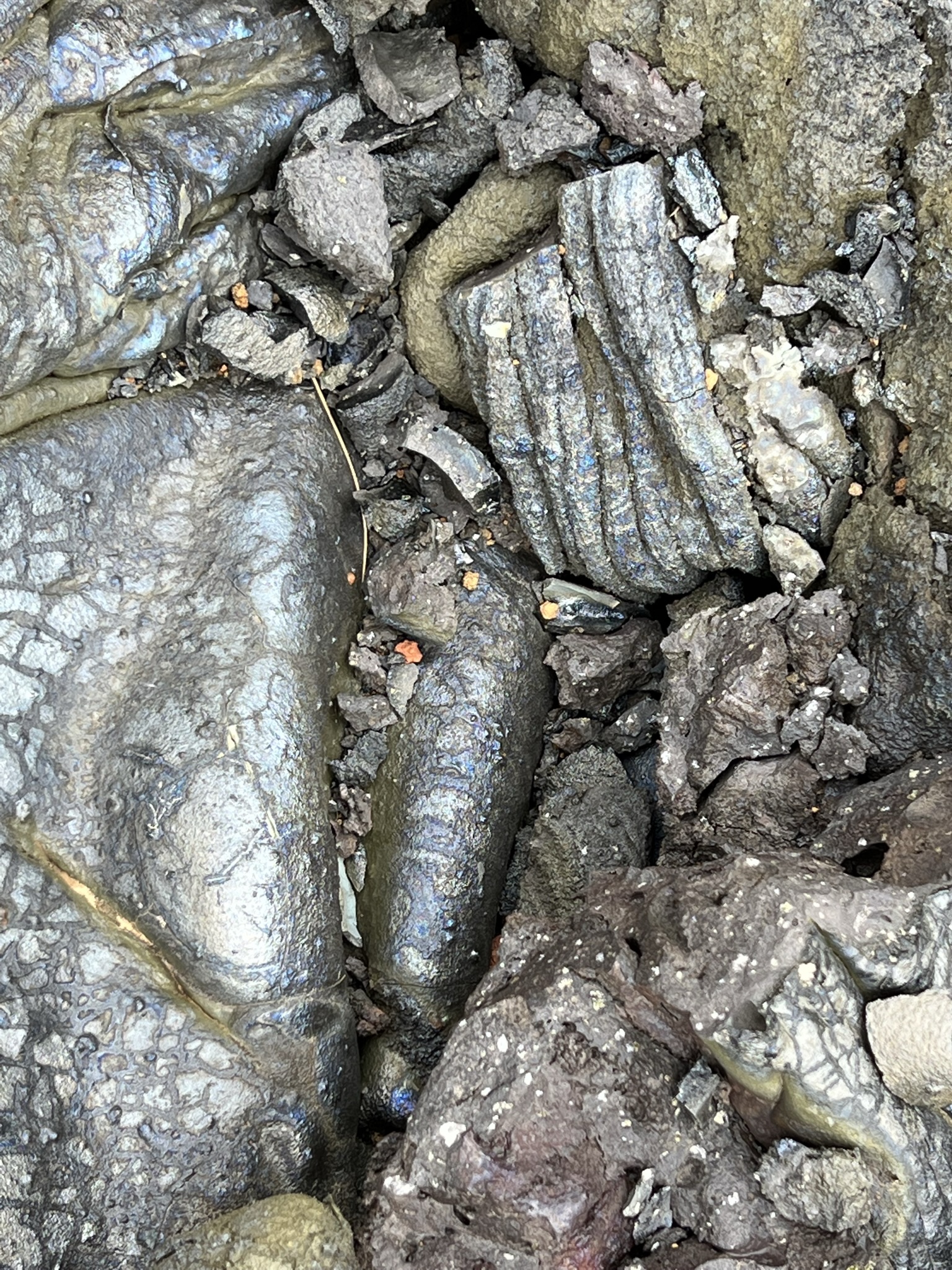
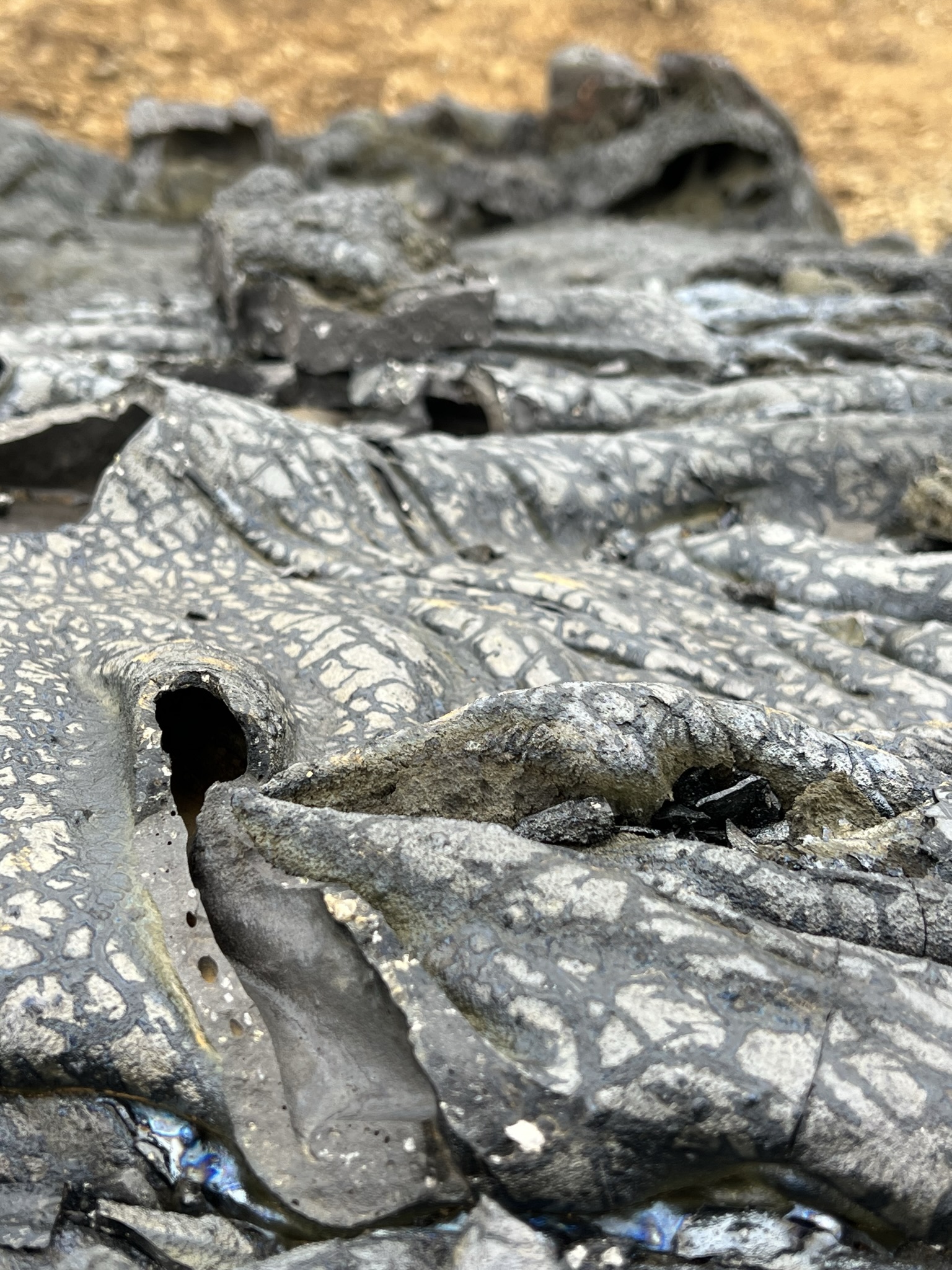

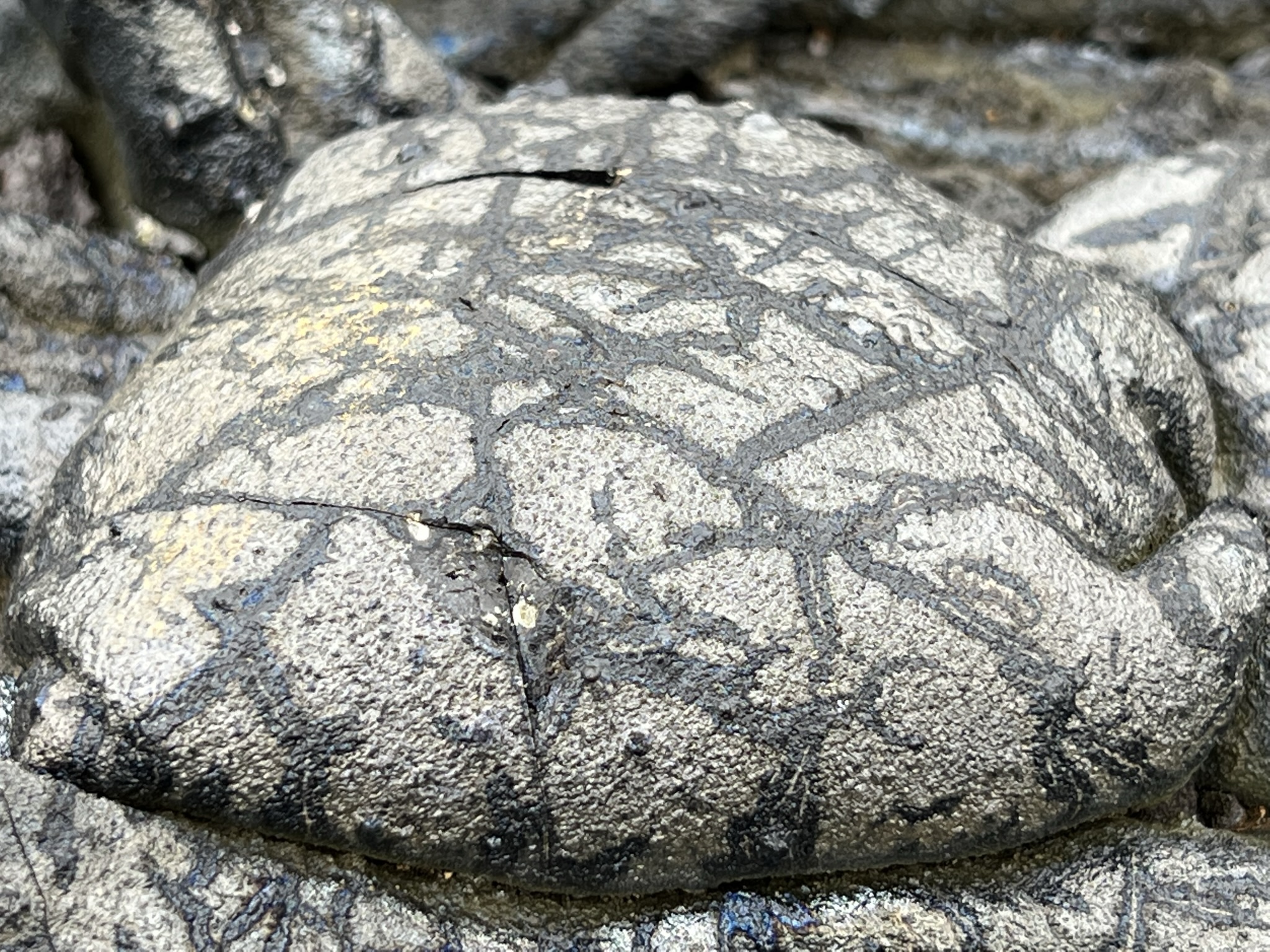
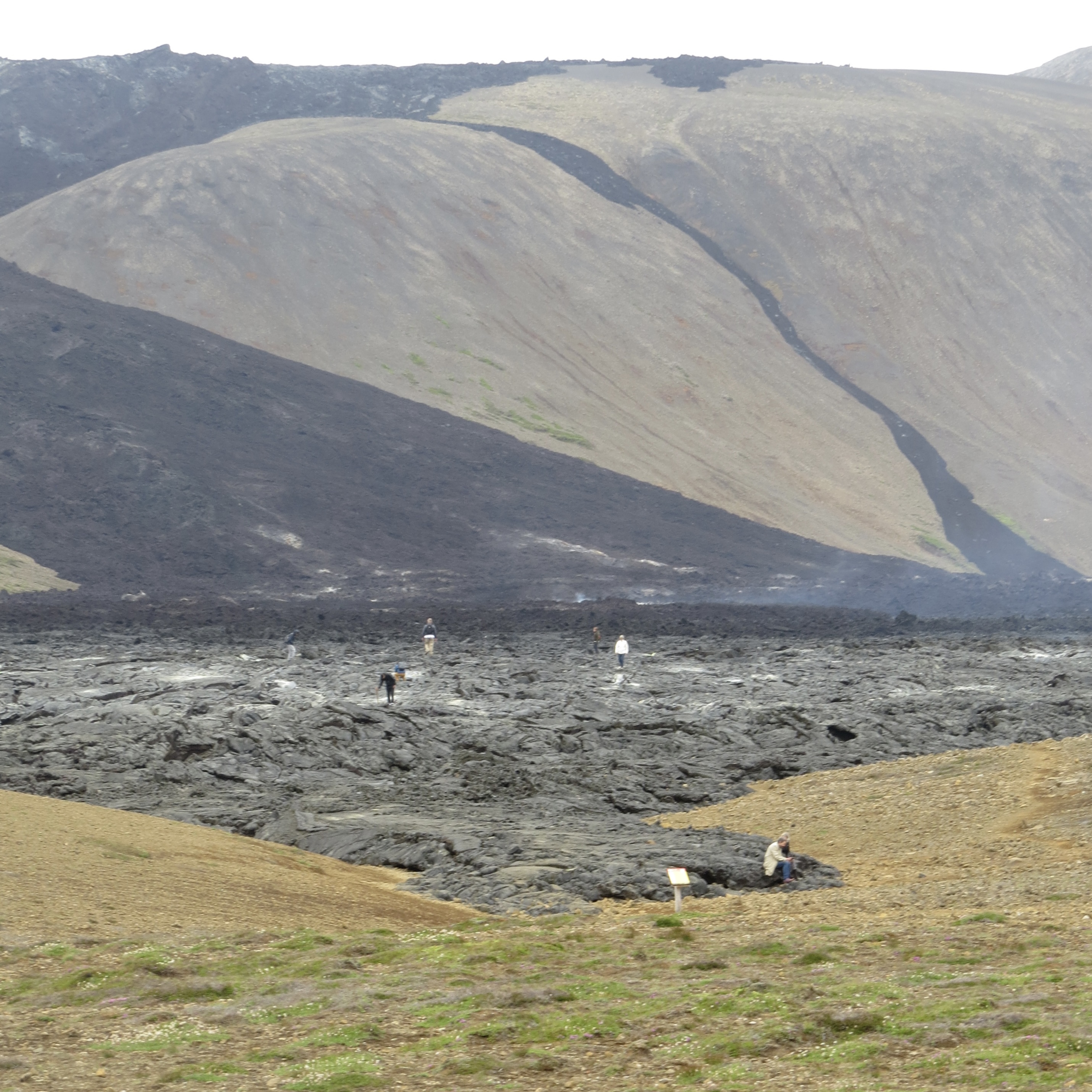
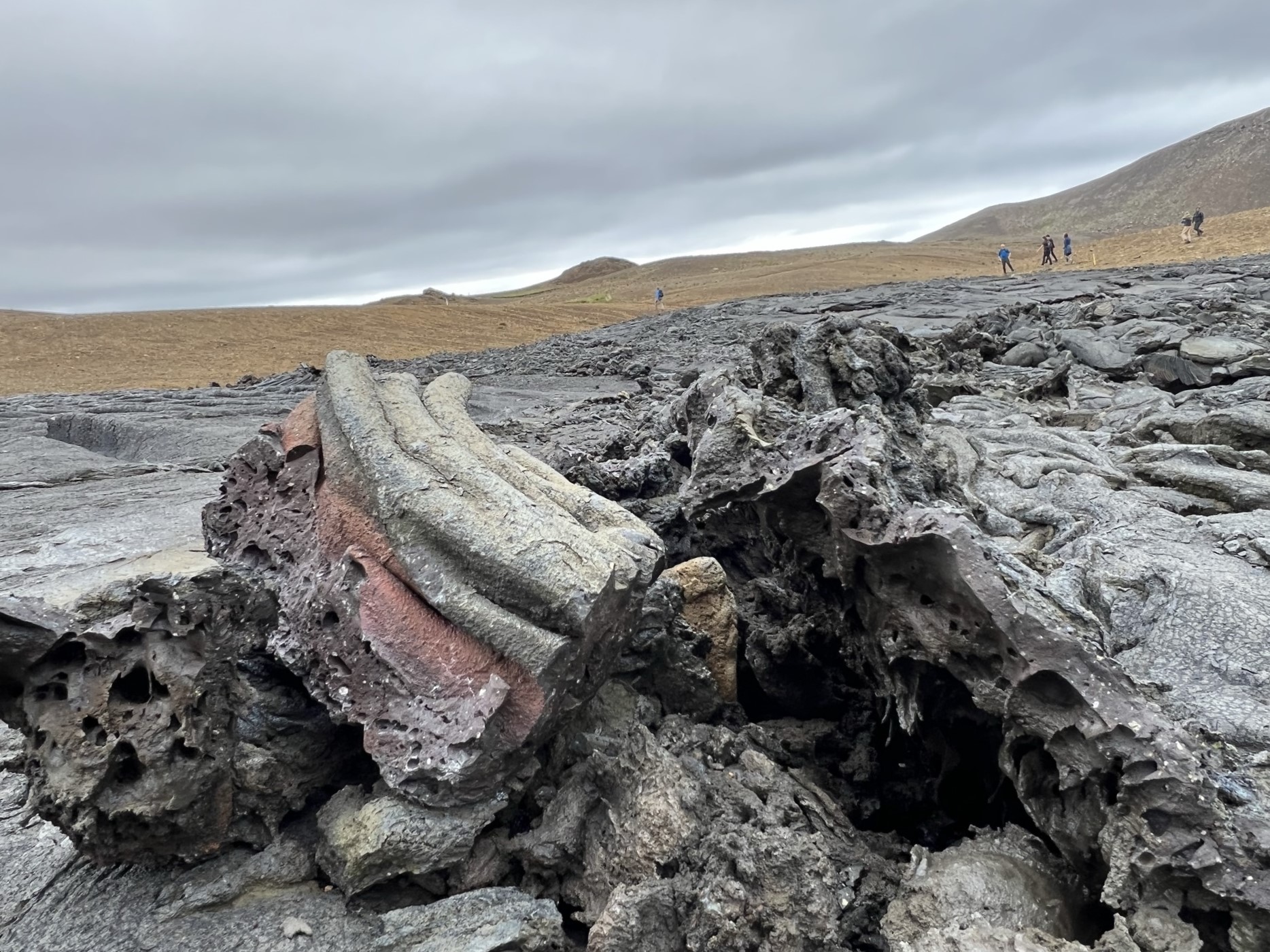
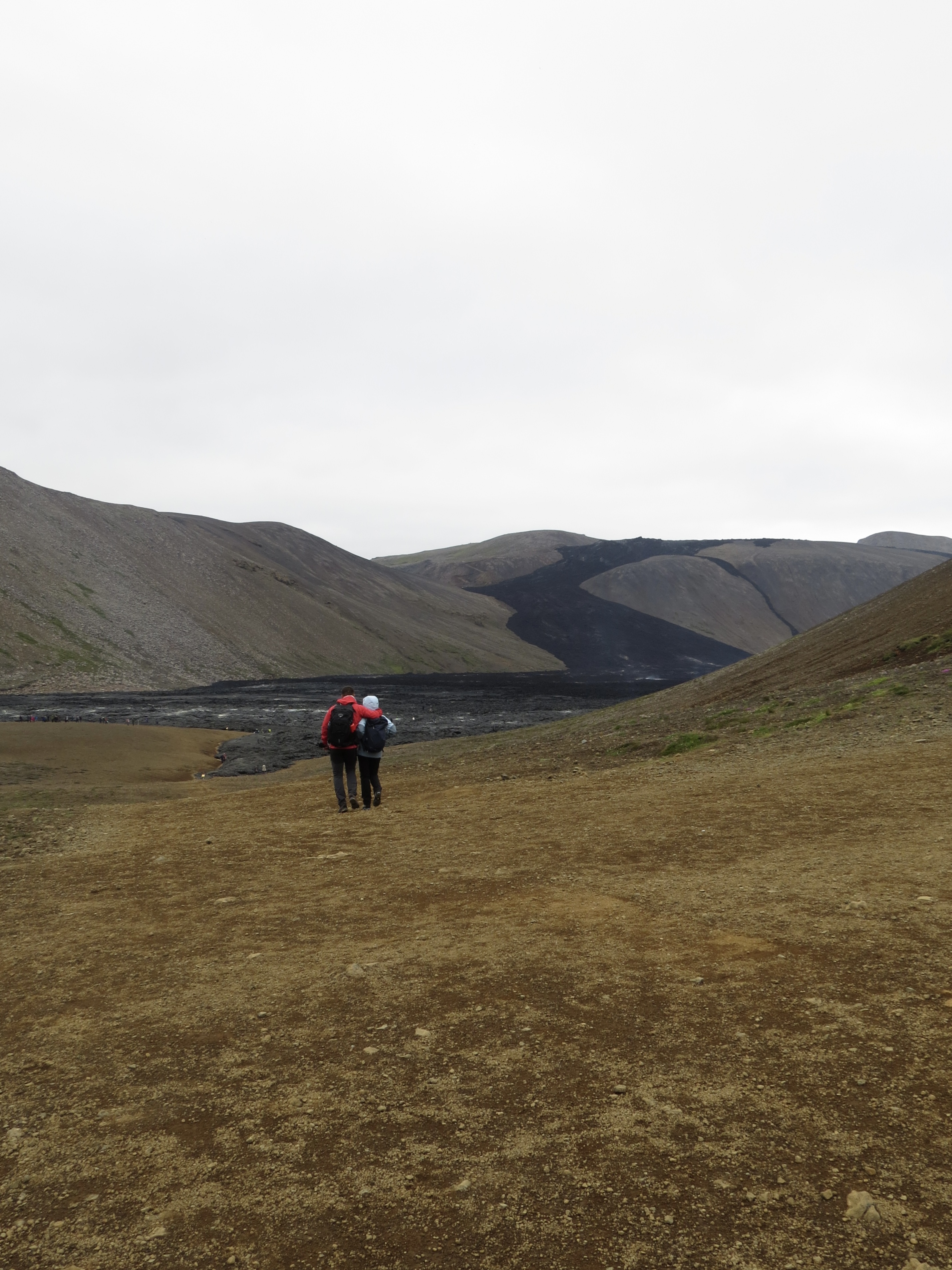
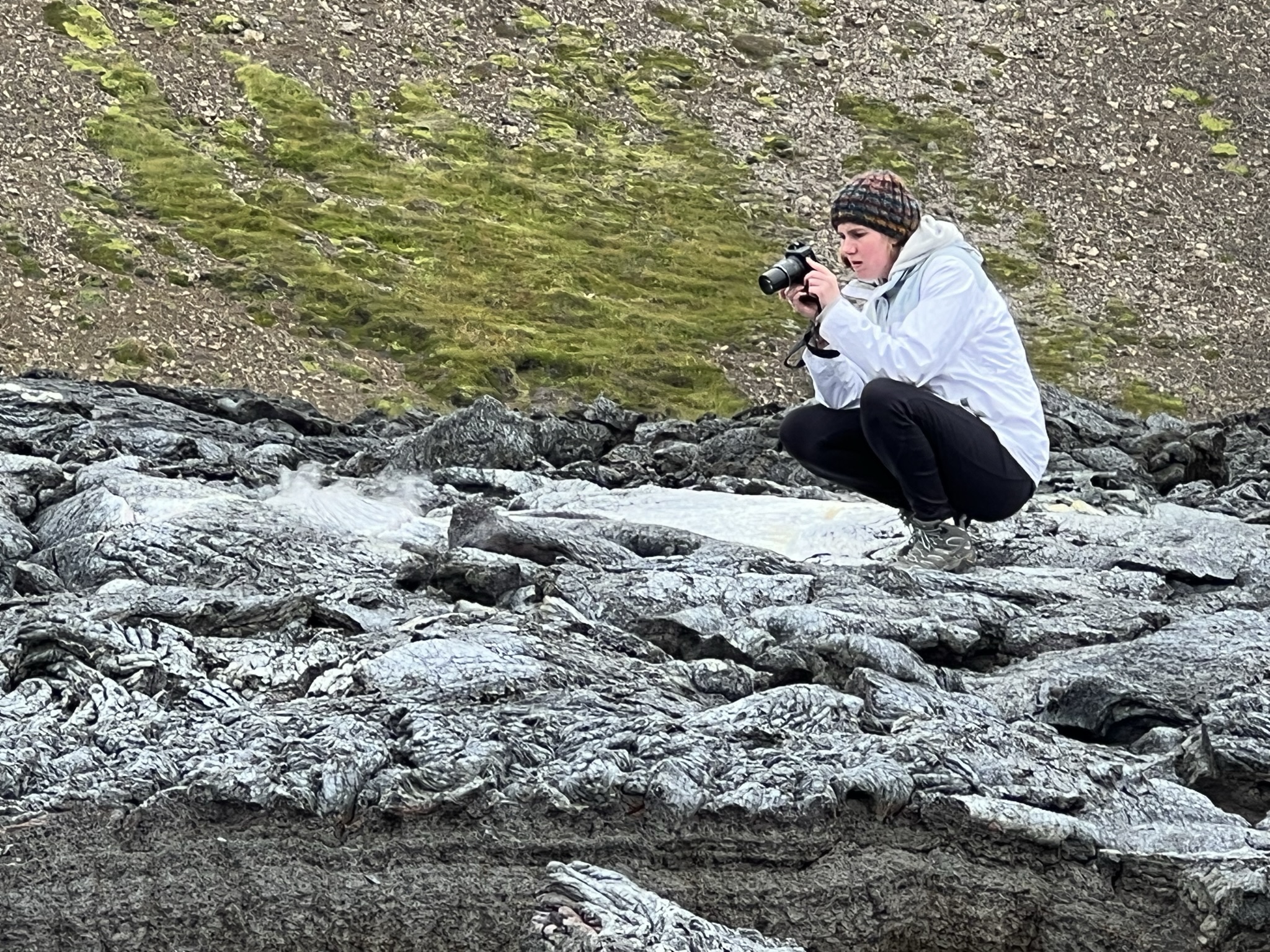
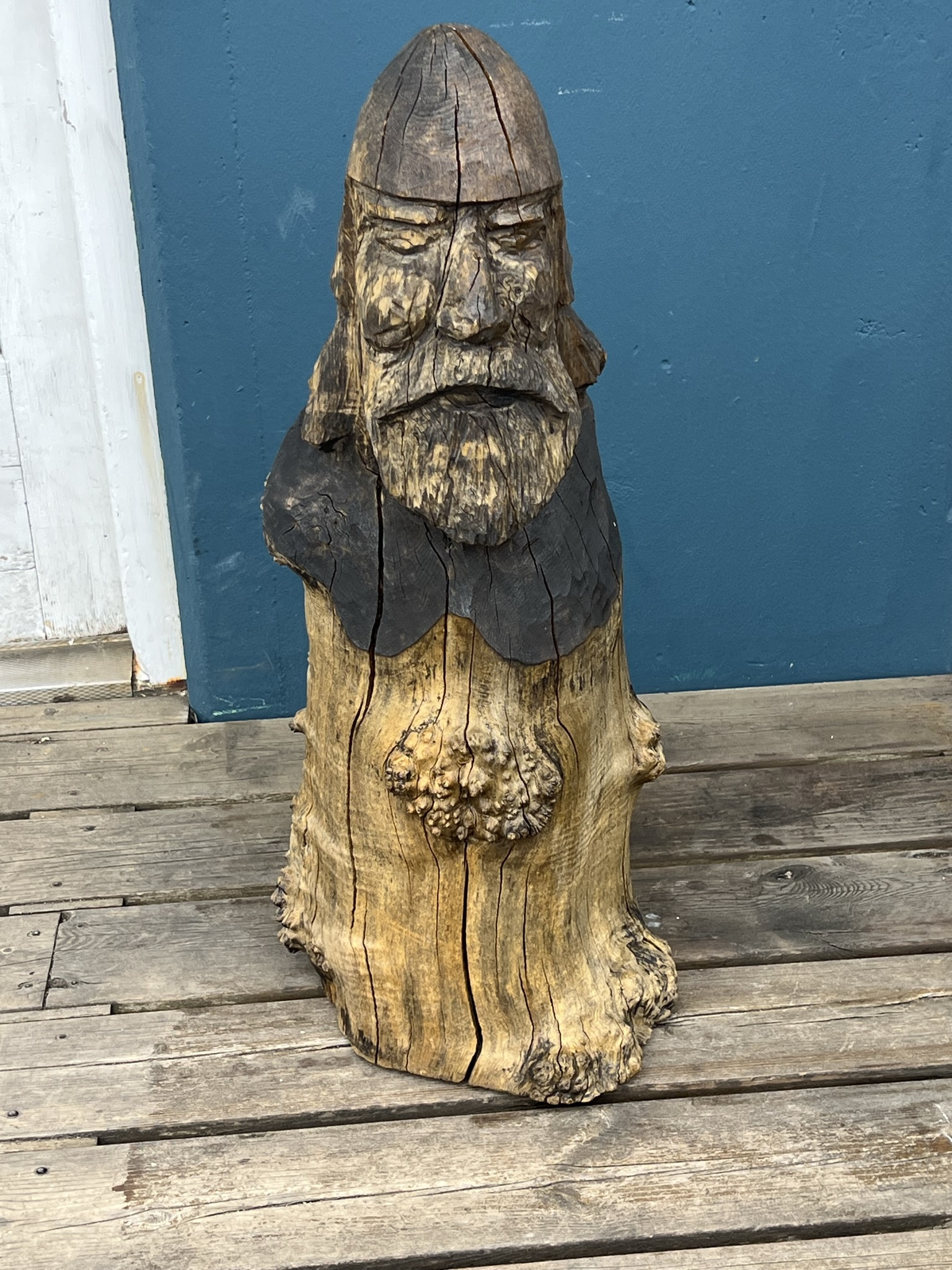
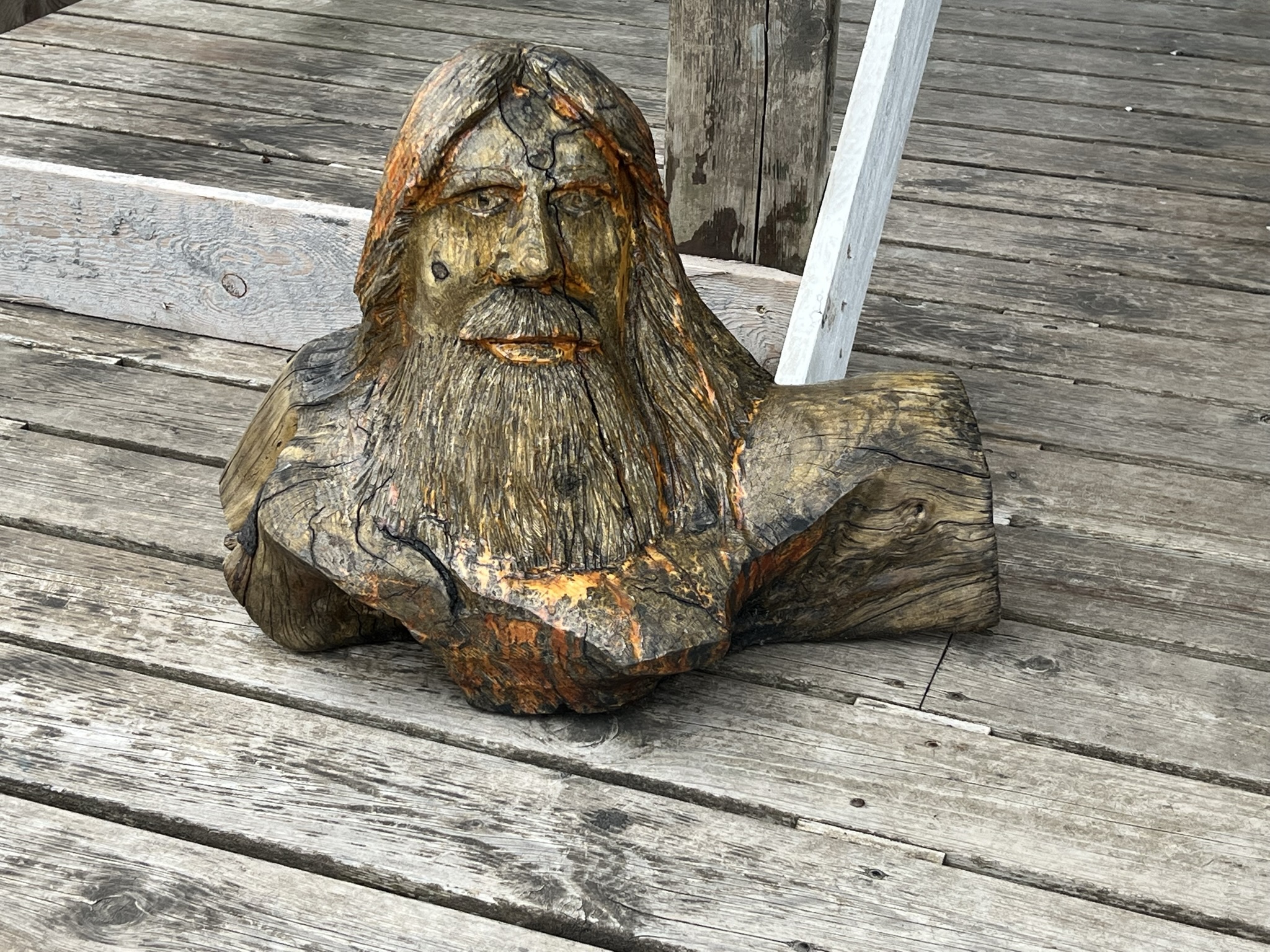
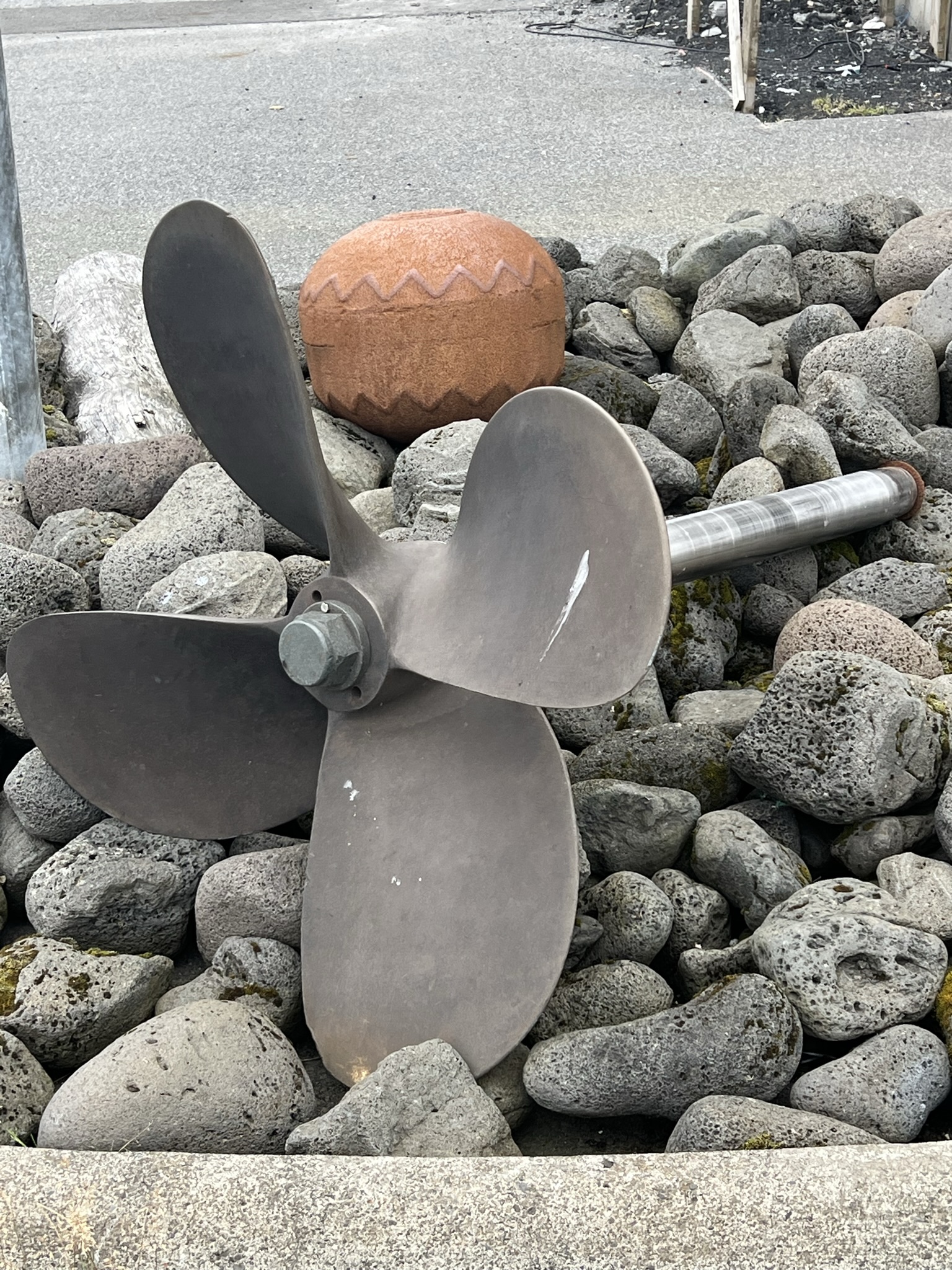
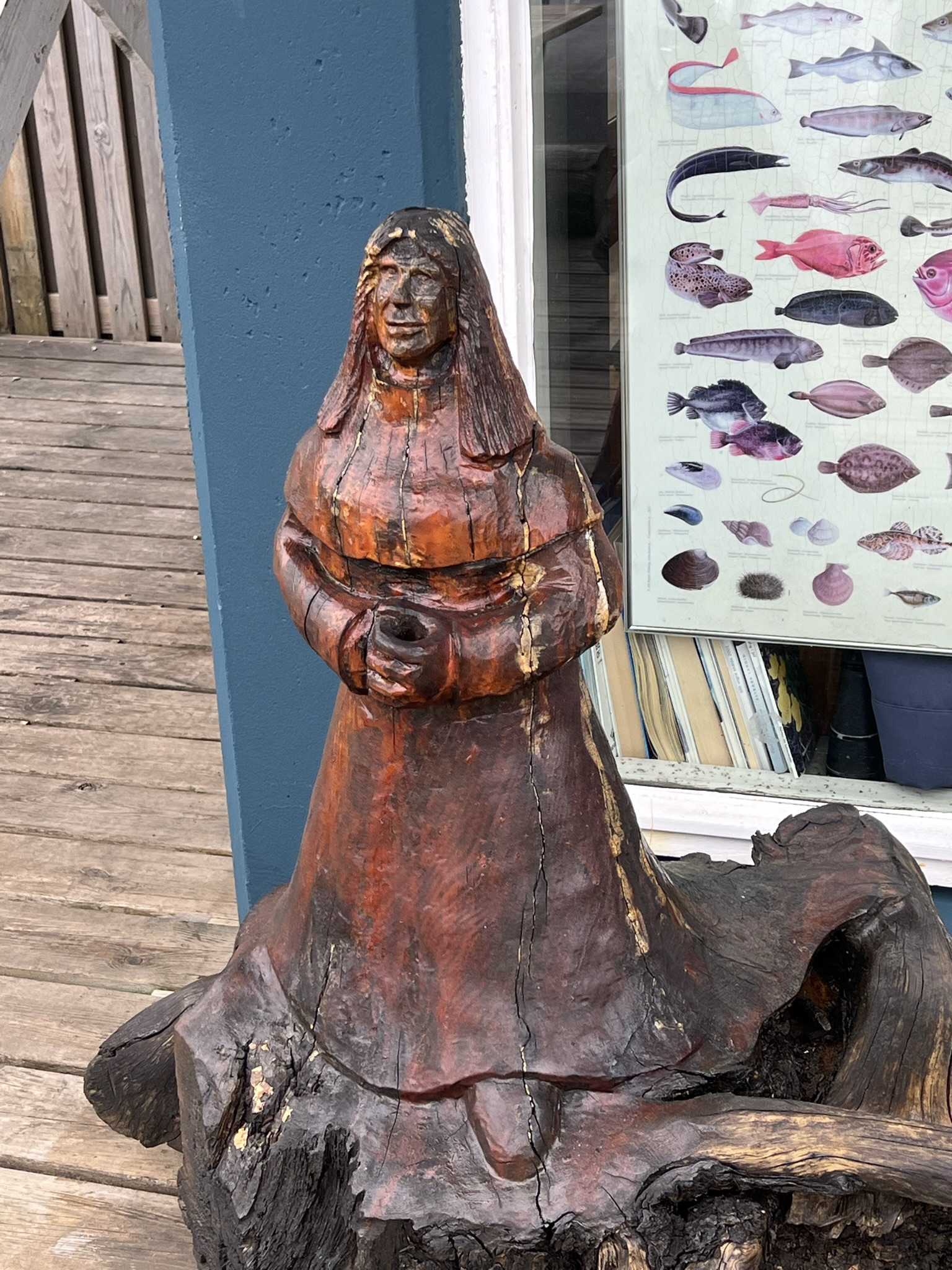
After our delightful hike, we headed to Bryggjan Grindavik, a restaurant in Grindavik that serves their world famous Lobster soup a la Bryggjan which is made from scratch everyday and served with fresh bread from a local bakery. The restaurant is right on the harbor. We could go back for seconds if we were still hungry! They loved carved wood Icelanding creatures and if course a propeller as decor.
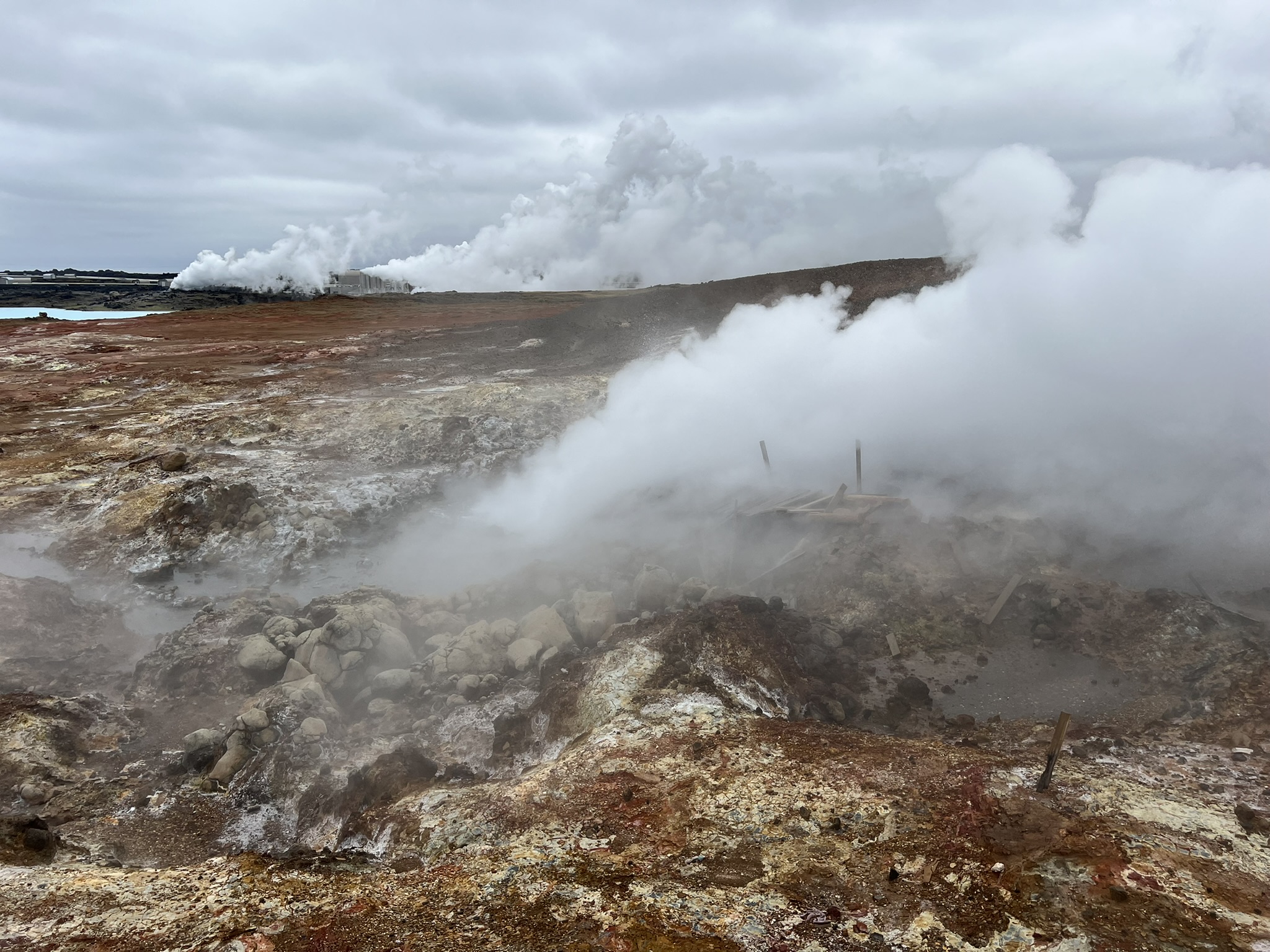
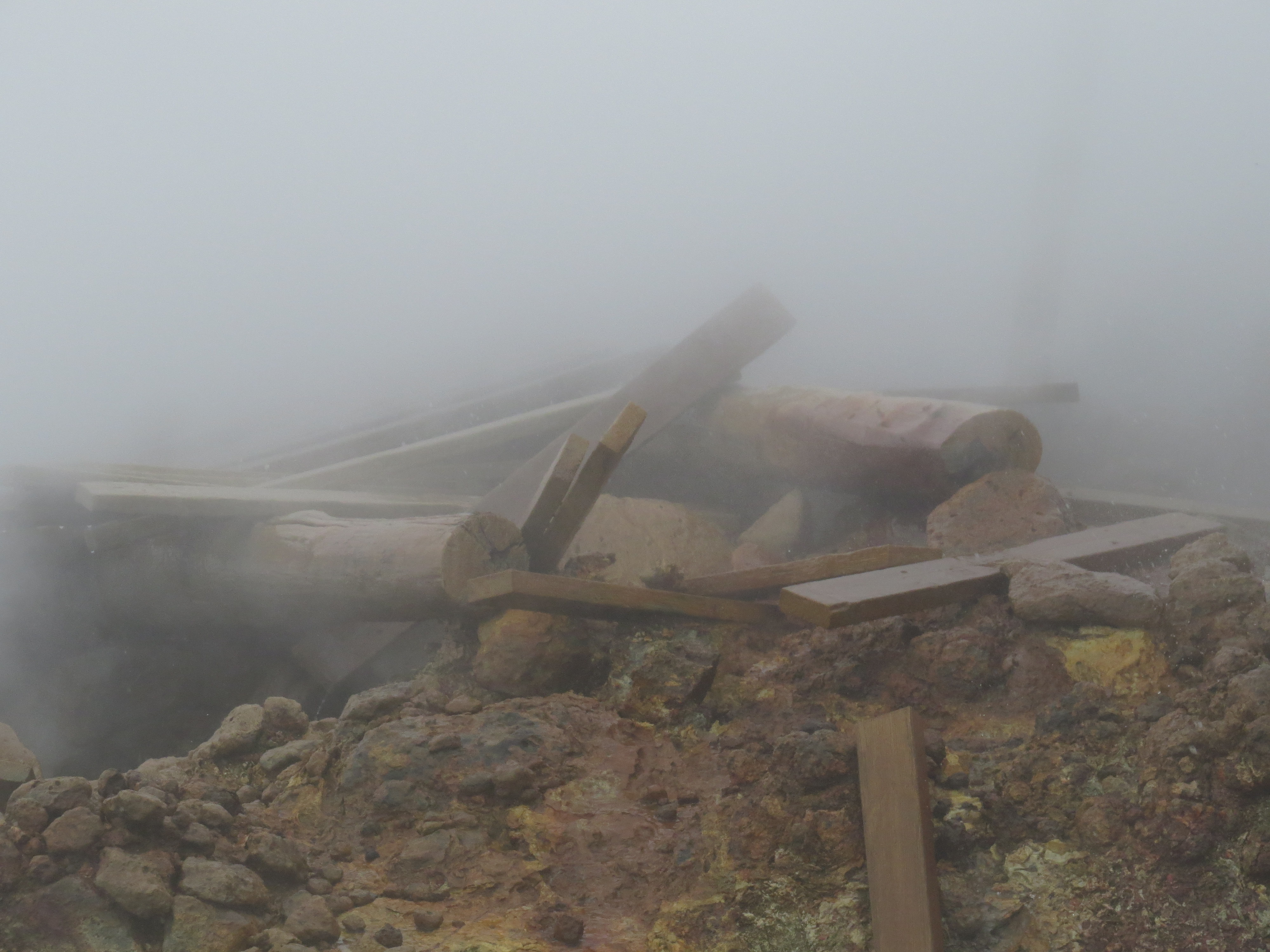
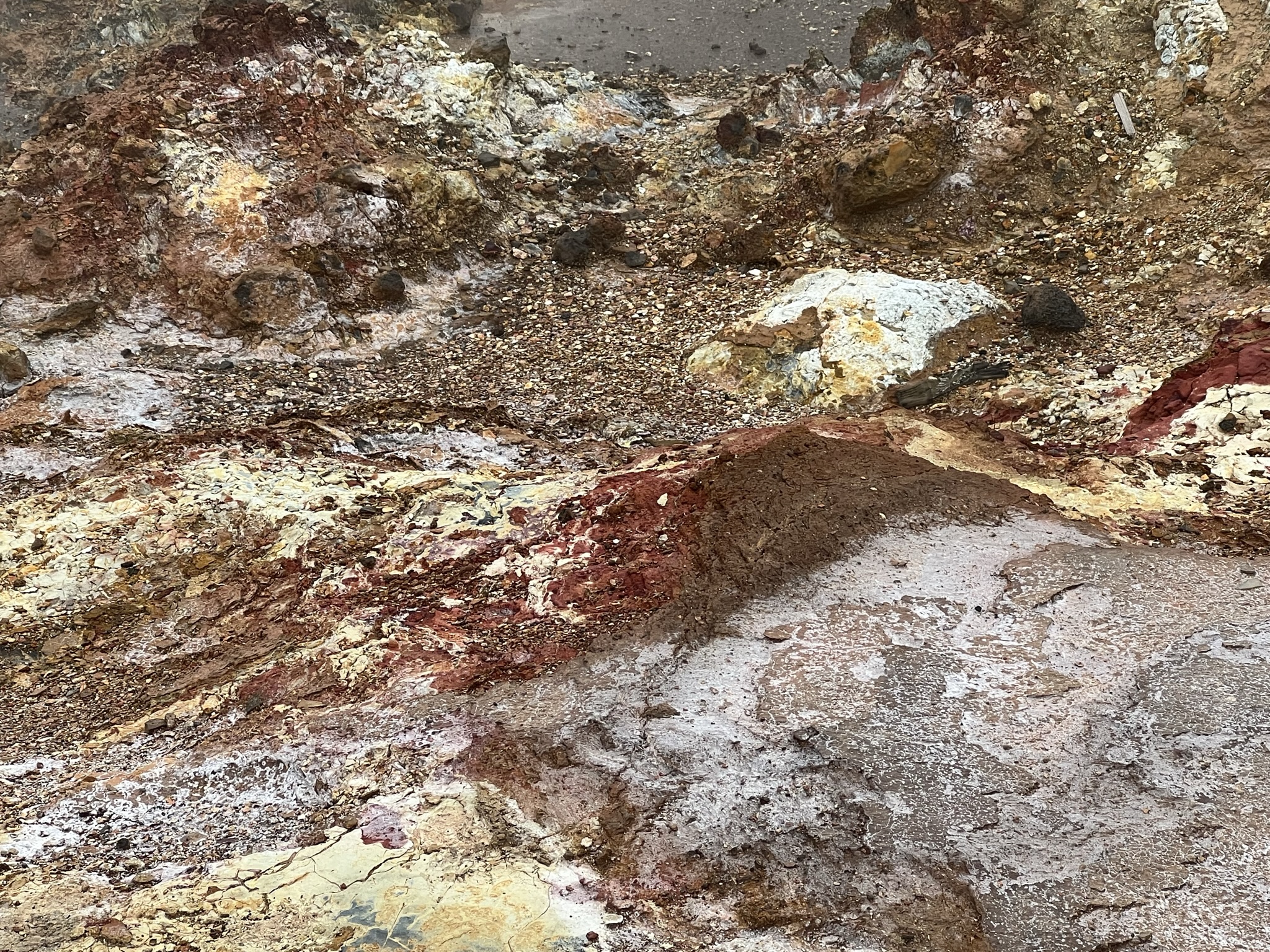
Out last stop of the day before our Hotel Silica at the Blue Lagoon was the farthest southeast corner of Iceland often called ” the toe.” We first visited the Gunnuhver Geothermal Fields which is Iceland’s impressive and colorful geothermal field of various mud pools and fumaroles. The area definitely had an incredible misty sulfur vapor. The surrounding rocks are impressive with their oranges and blues due to unusual minerals. The groundwater here unique as it is 100% salt water. The ground temperatures here can exceed 500 degrees Fahrenheit. We stuck to the wooden pathway and walked quickly – it looked like the hot springs had engulfed the remains of an older path.


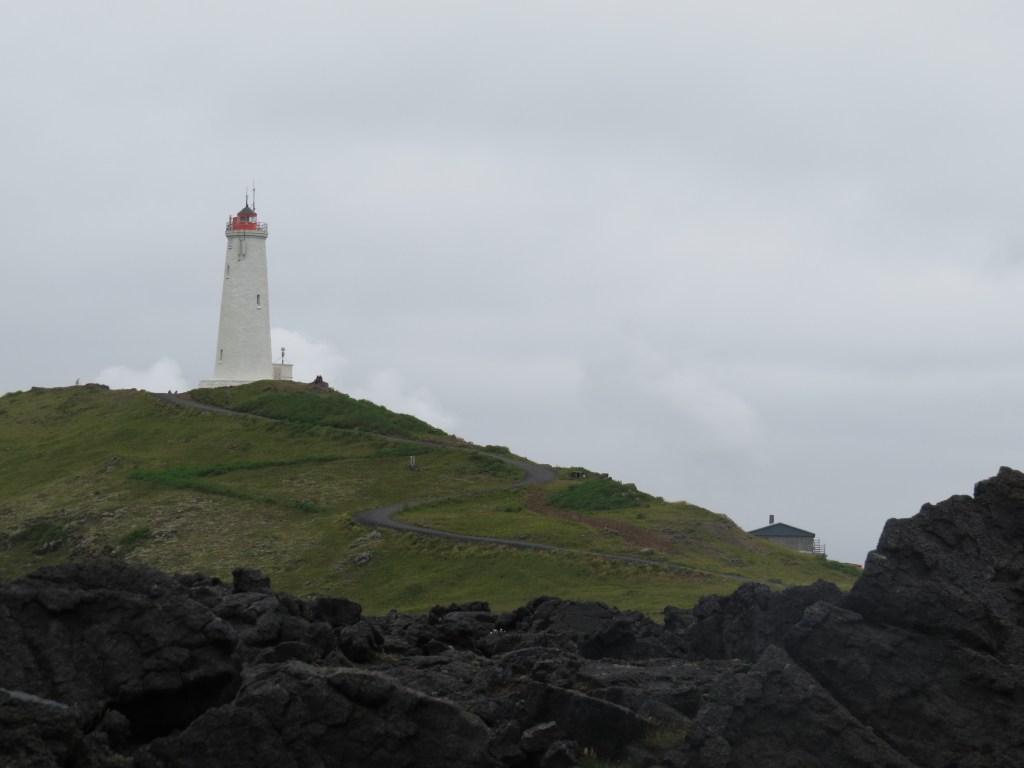
Reykjanesviti, the first lighthouse in the country was erected in 1878. By 1887 an earthquake left the structure in disrepair. The one we saw is the 1929 model rebuilt on Baerjarfell Hill.
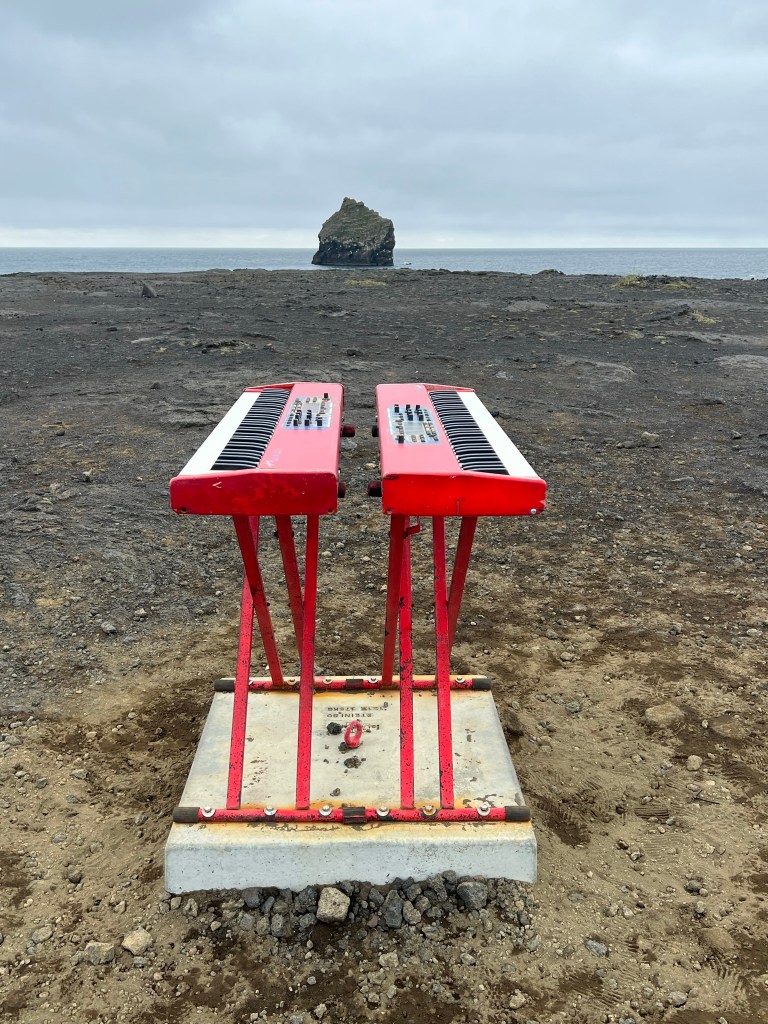
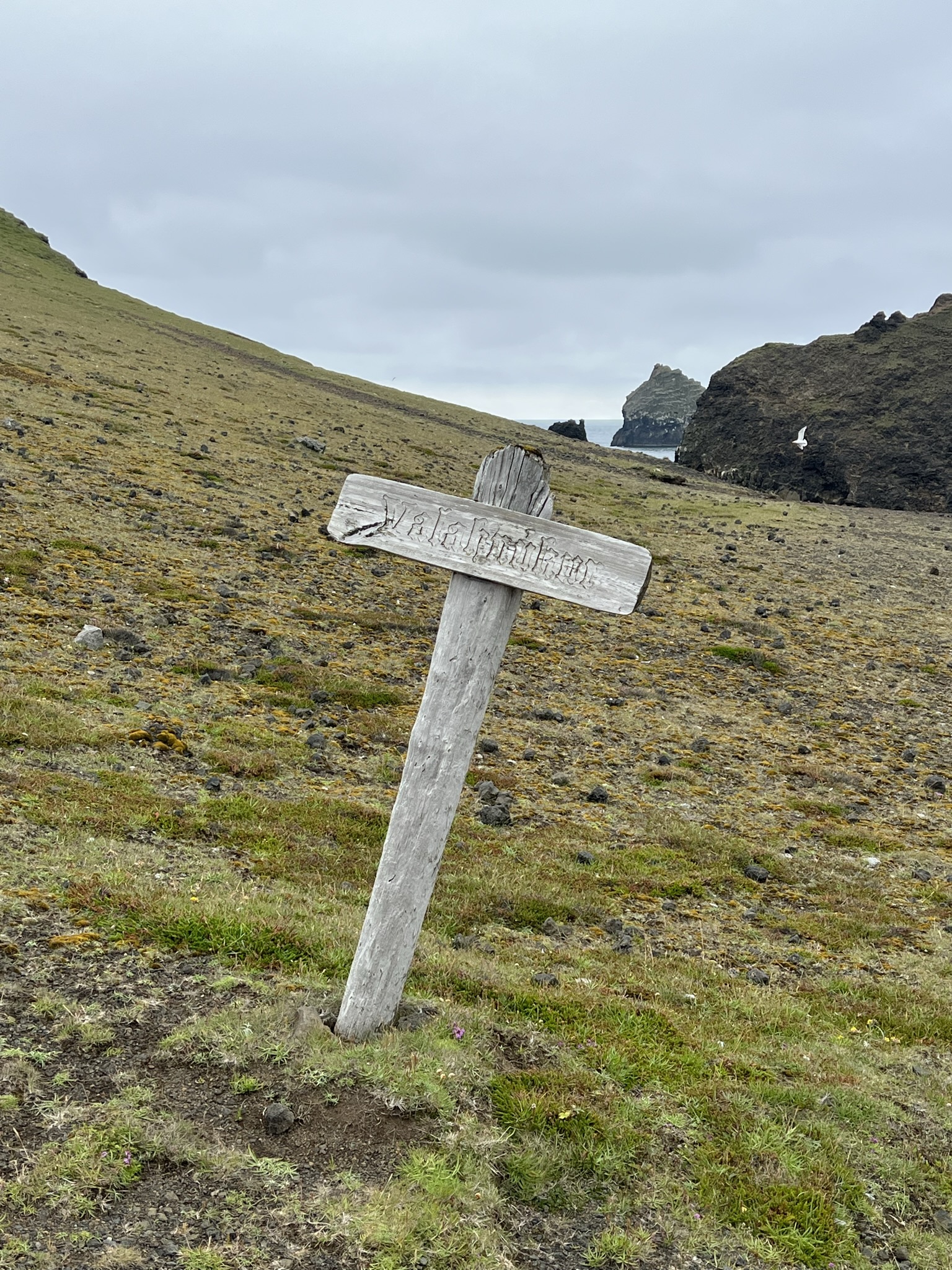
At this location, the Valahunkamol cliffs, Will Ferrell and Rachel McAdams performed Volcano Man for the Hollywood movie Eurovision Song Contest: The Story of Fire Saga. These red keyboards make for an interesting photo.
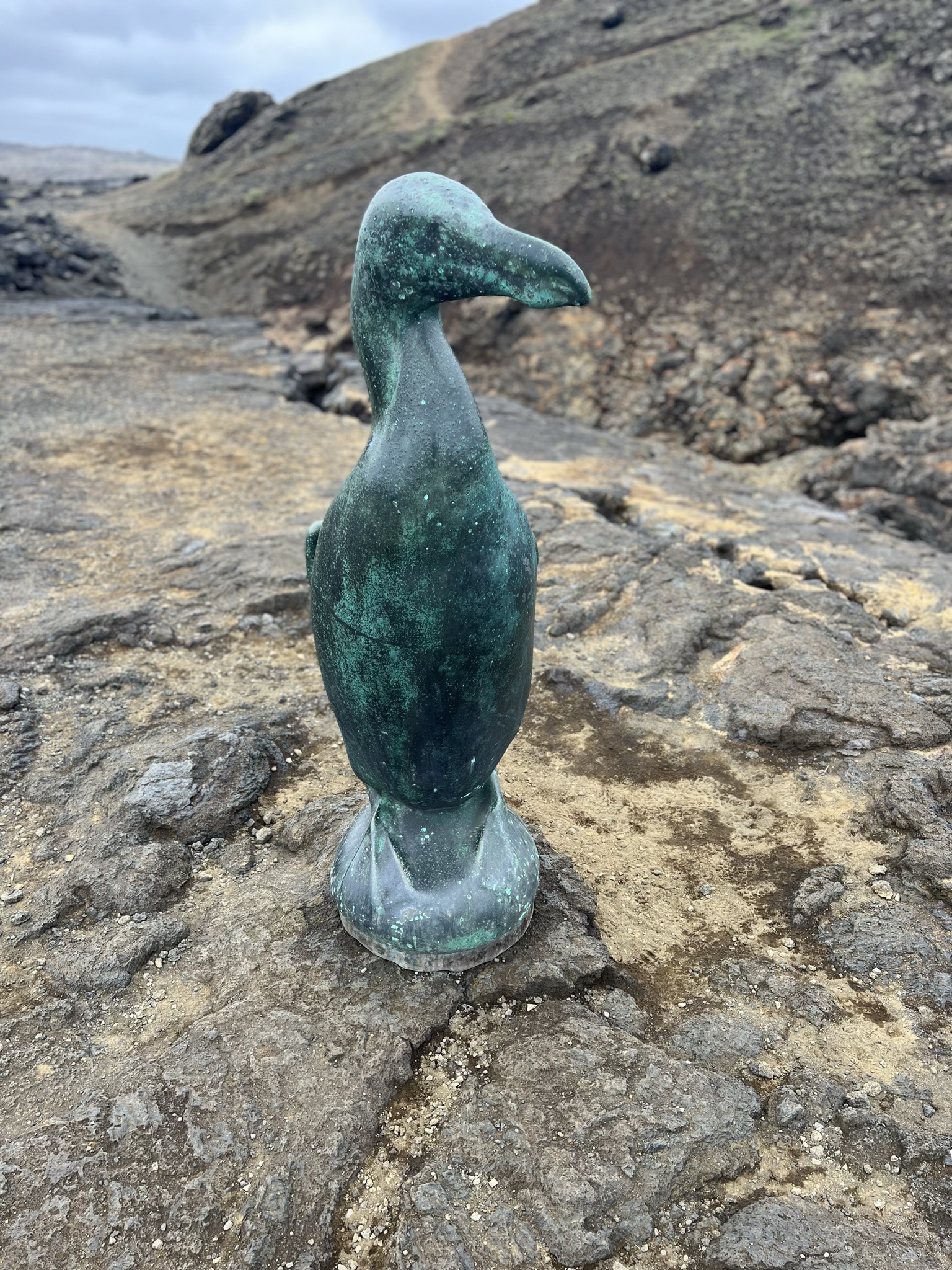
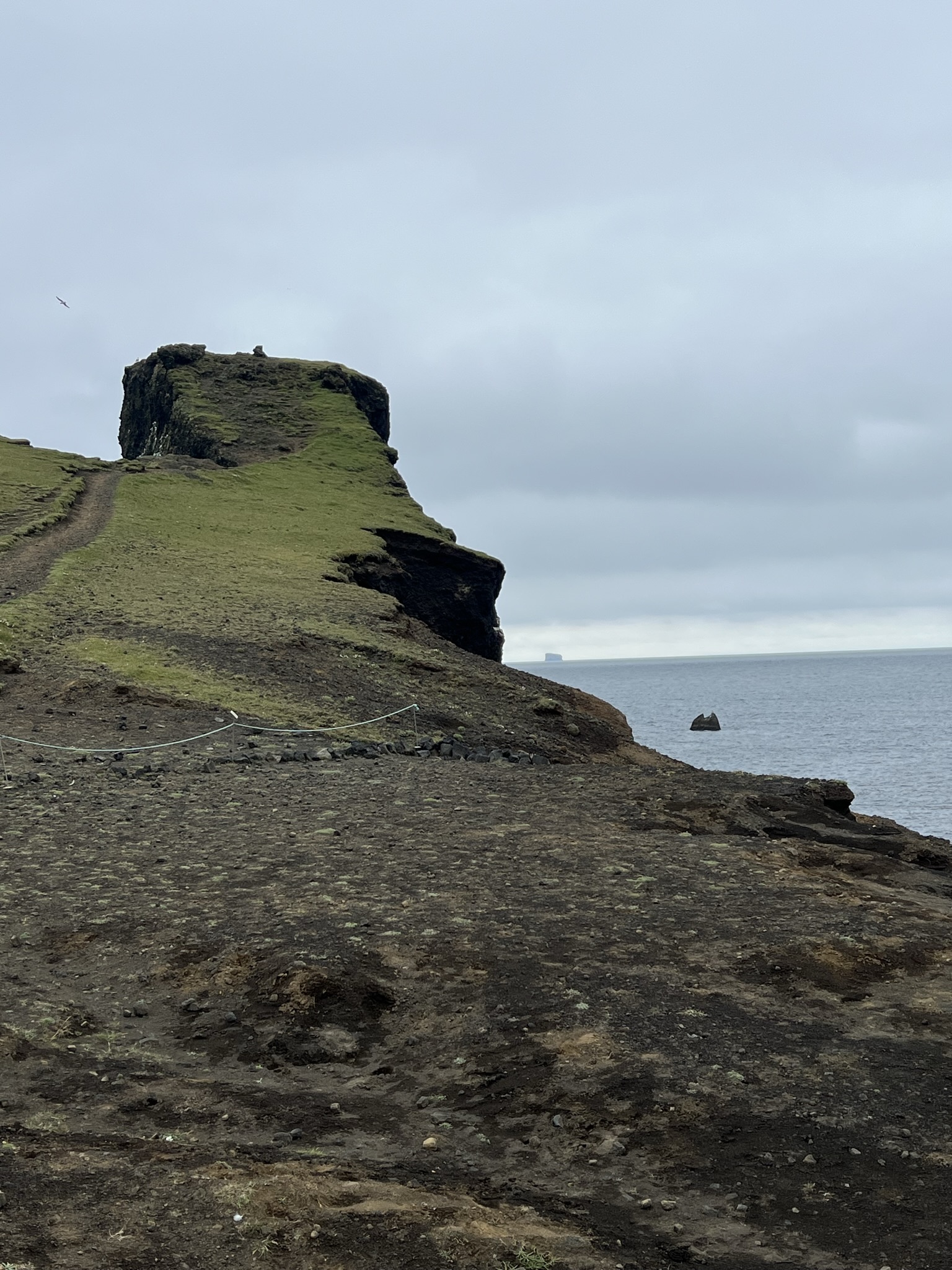
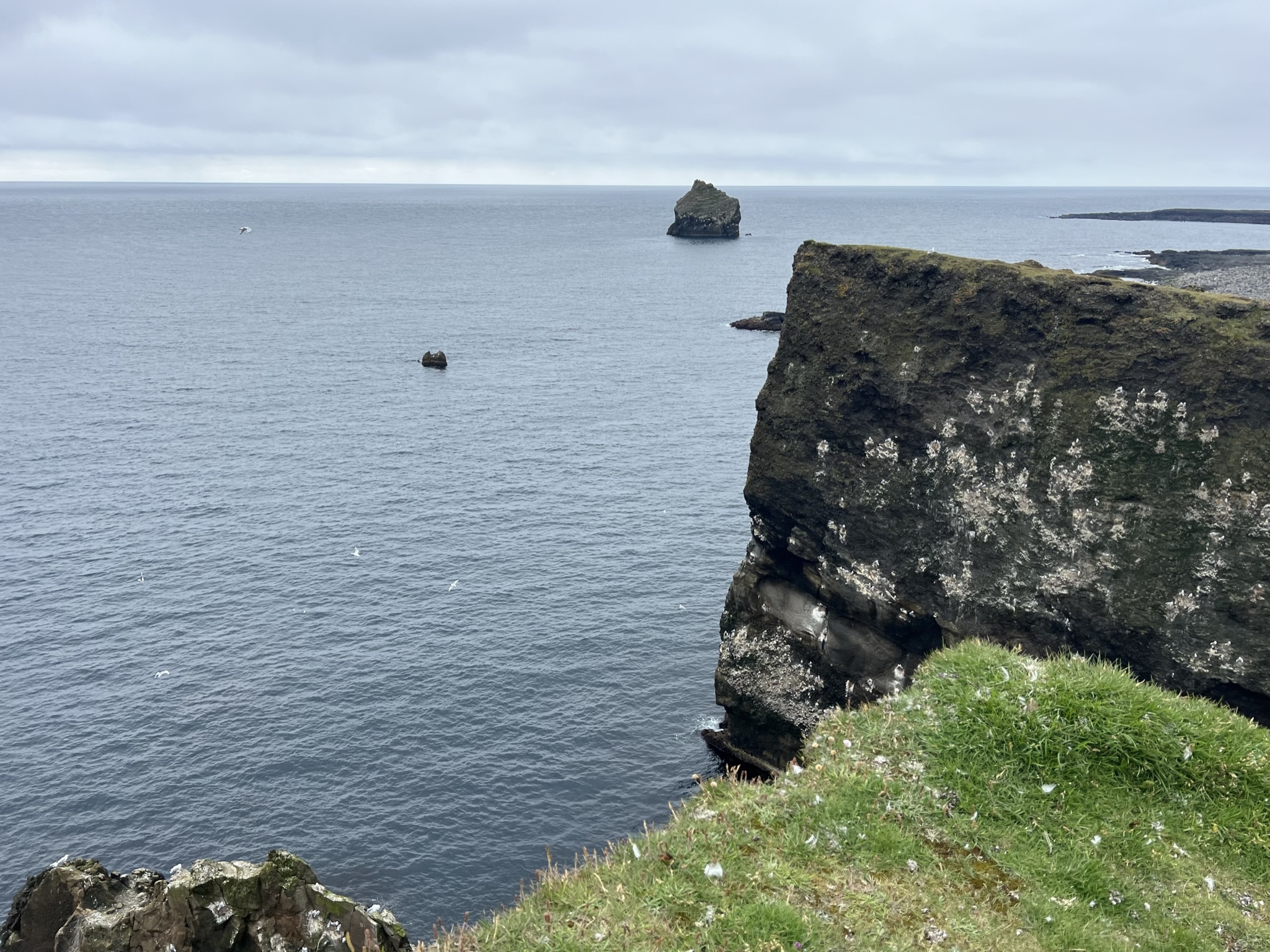
Eldey Island visible behind the red keyboards, is 252 feet tall and home to the largest gannet colonies in the Atlantic with 16,000 mating pairs. They are the largest sea bird found in Iceland. However this island was home to the last known pair of the Great Auks which are now extinct. The birds were 33 inches tall and weighed 11 pounds. The Great Auk found refuge on Eldey Island by the early 1800’s. However in 1830, a volcanic eruption pulled the island beneath the water of the sea leaving the fragile population adrift. The remaining few took refuge on these cliffs and were easy pickings. The last pair was killed on June 3, 1844 by a Dutchman who took them to a museum in Denmark. The statue was created by Todd McGrain called The Lost Bird Project. He wanted to bring attention to environmental issues such as loss of diversity.

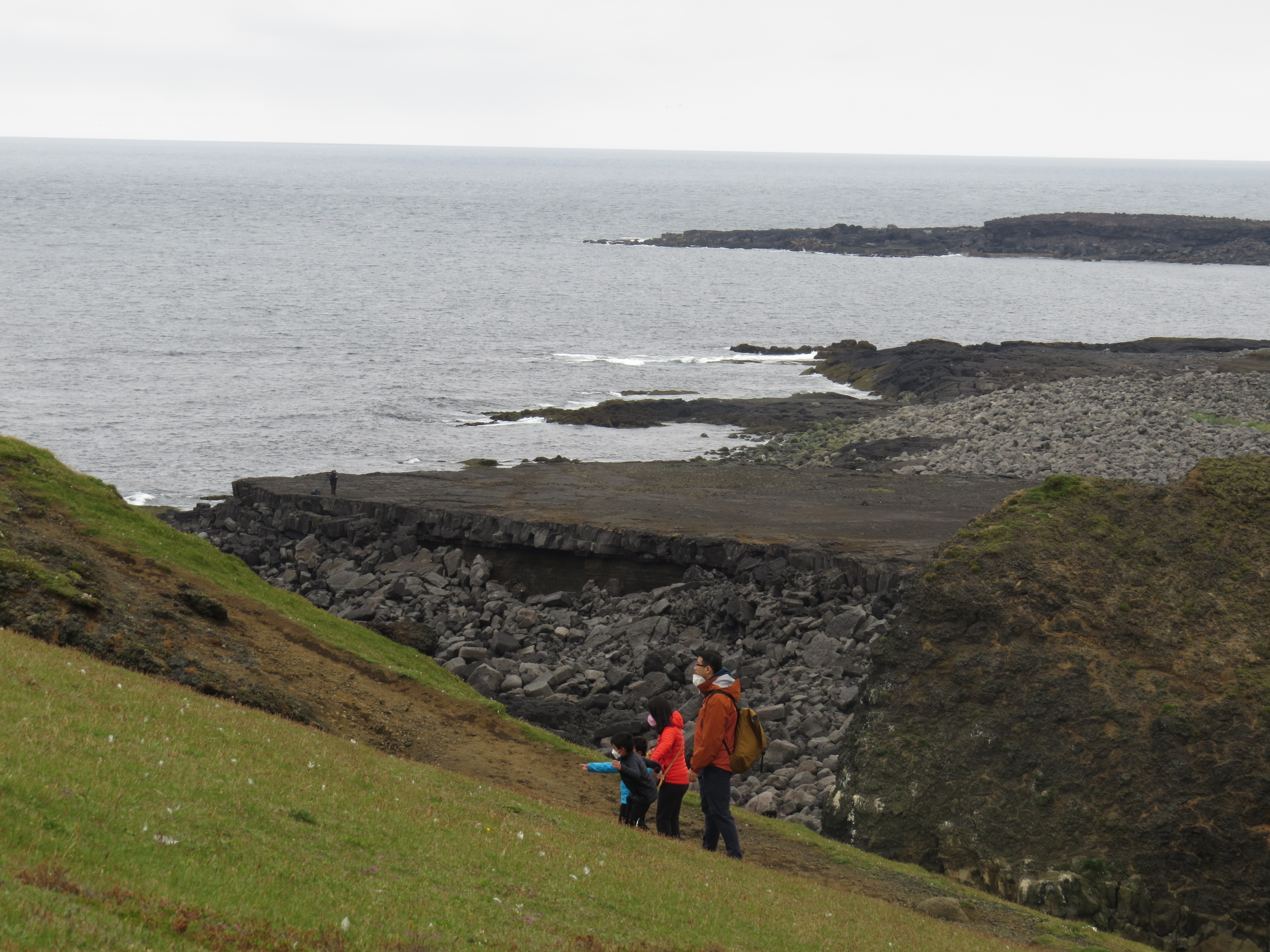
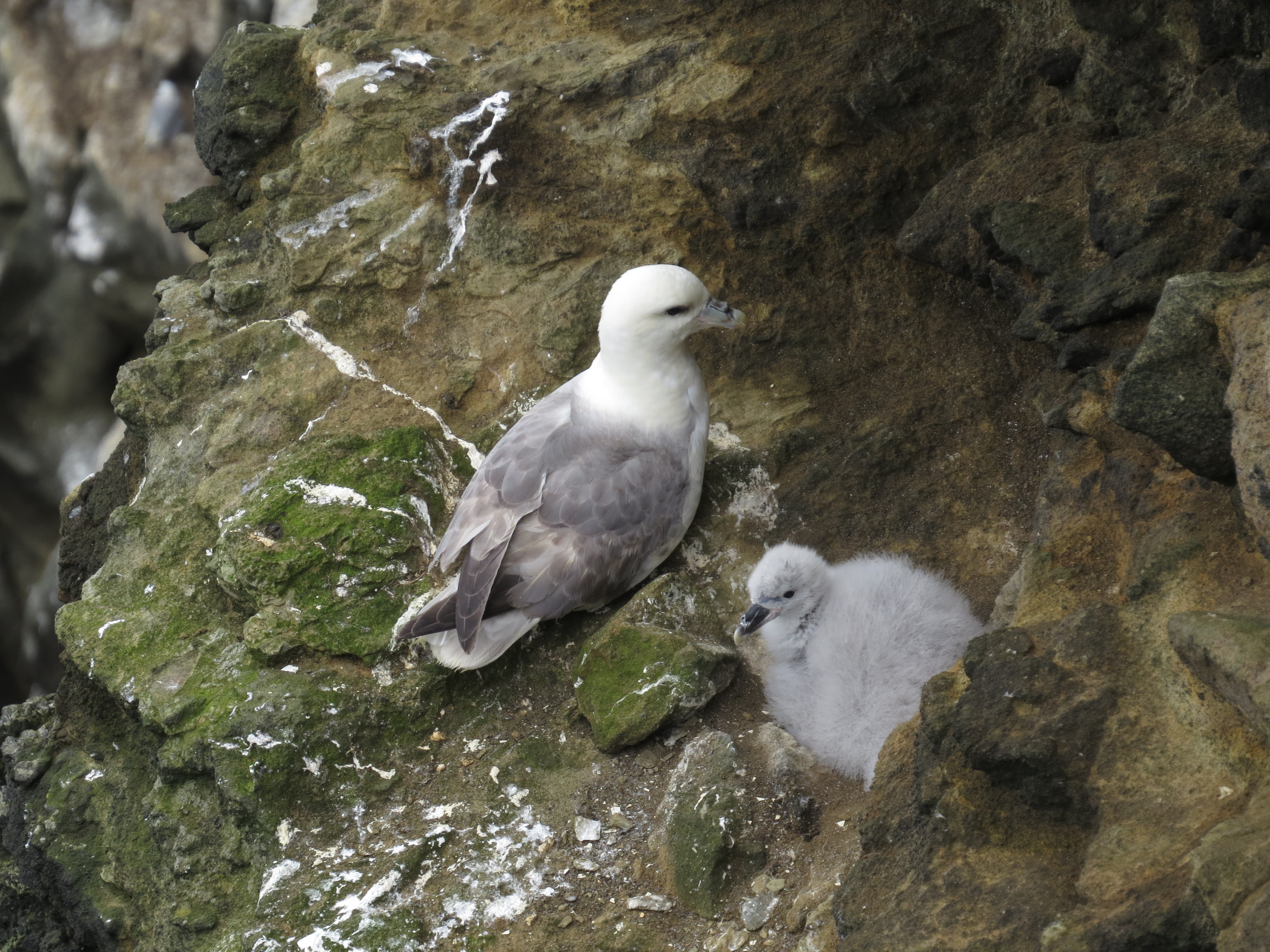
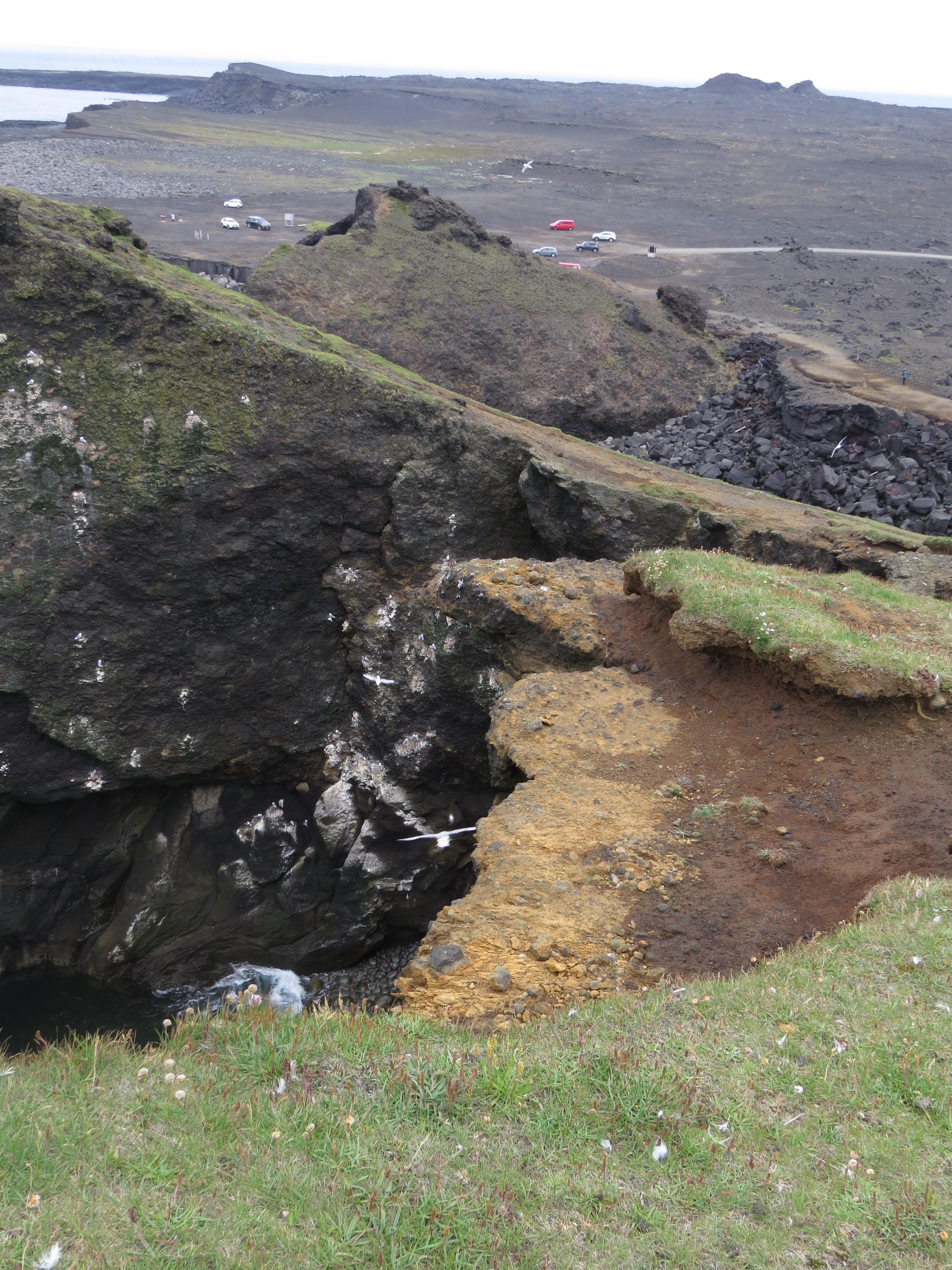
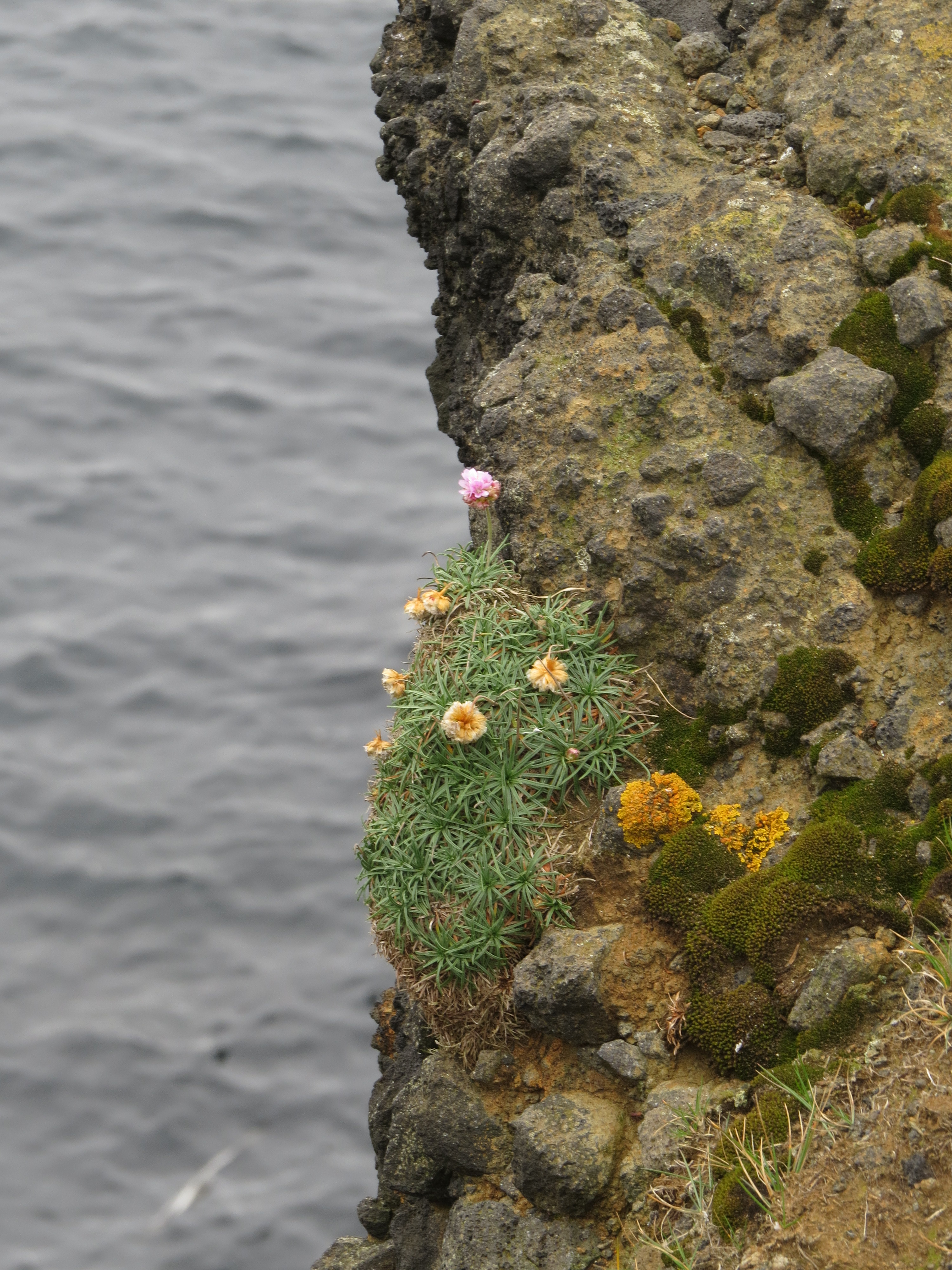
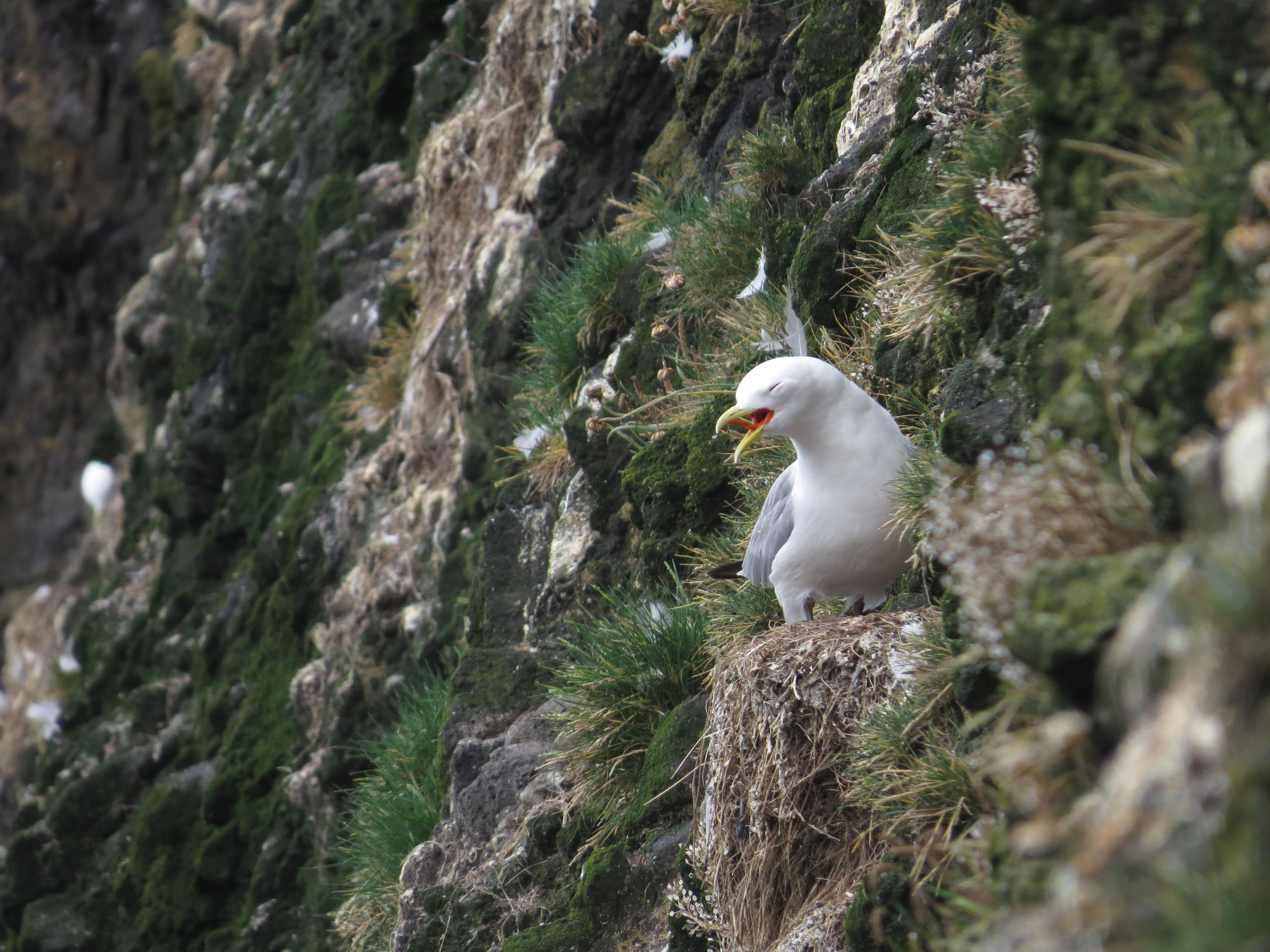
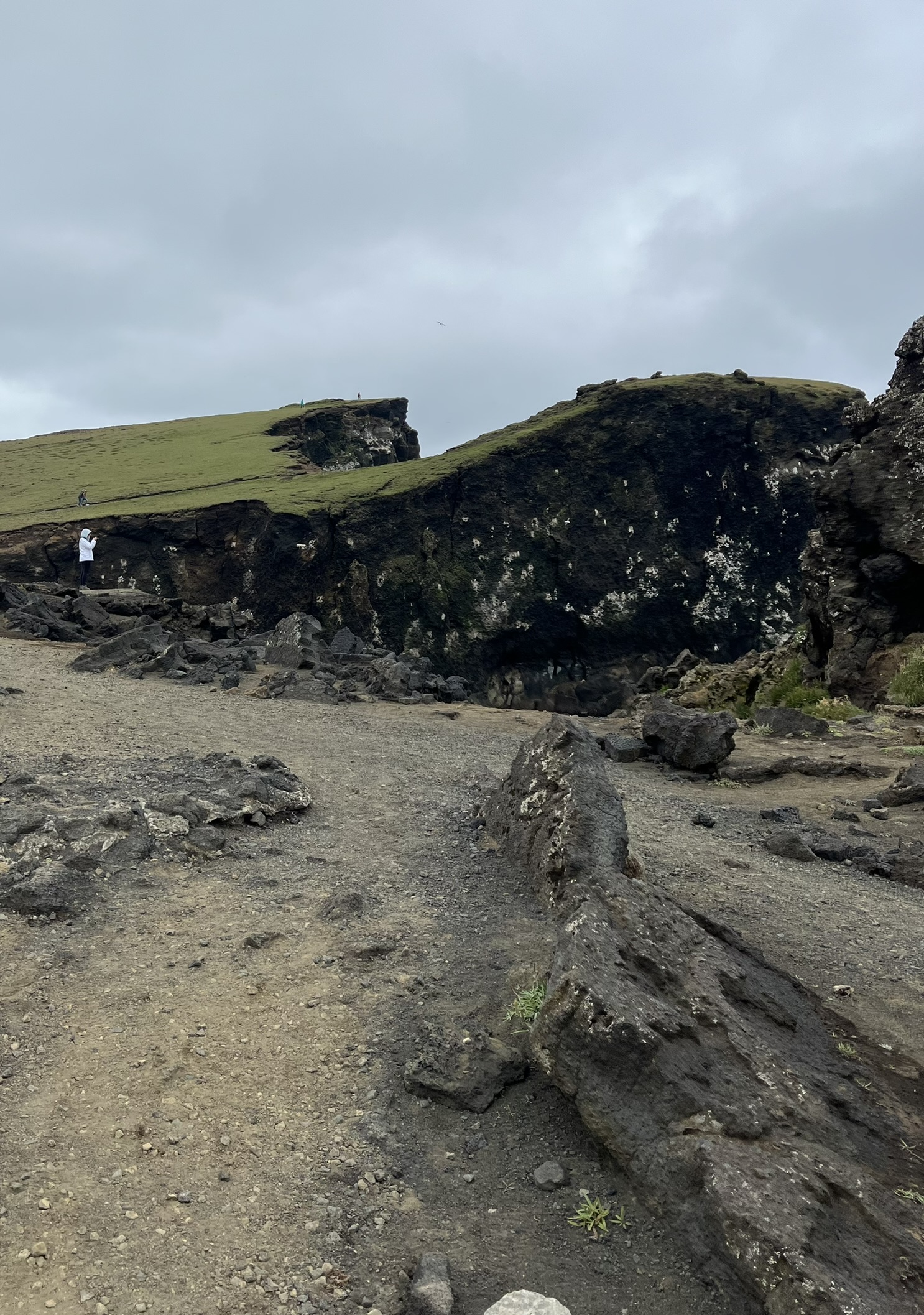
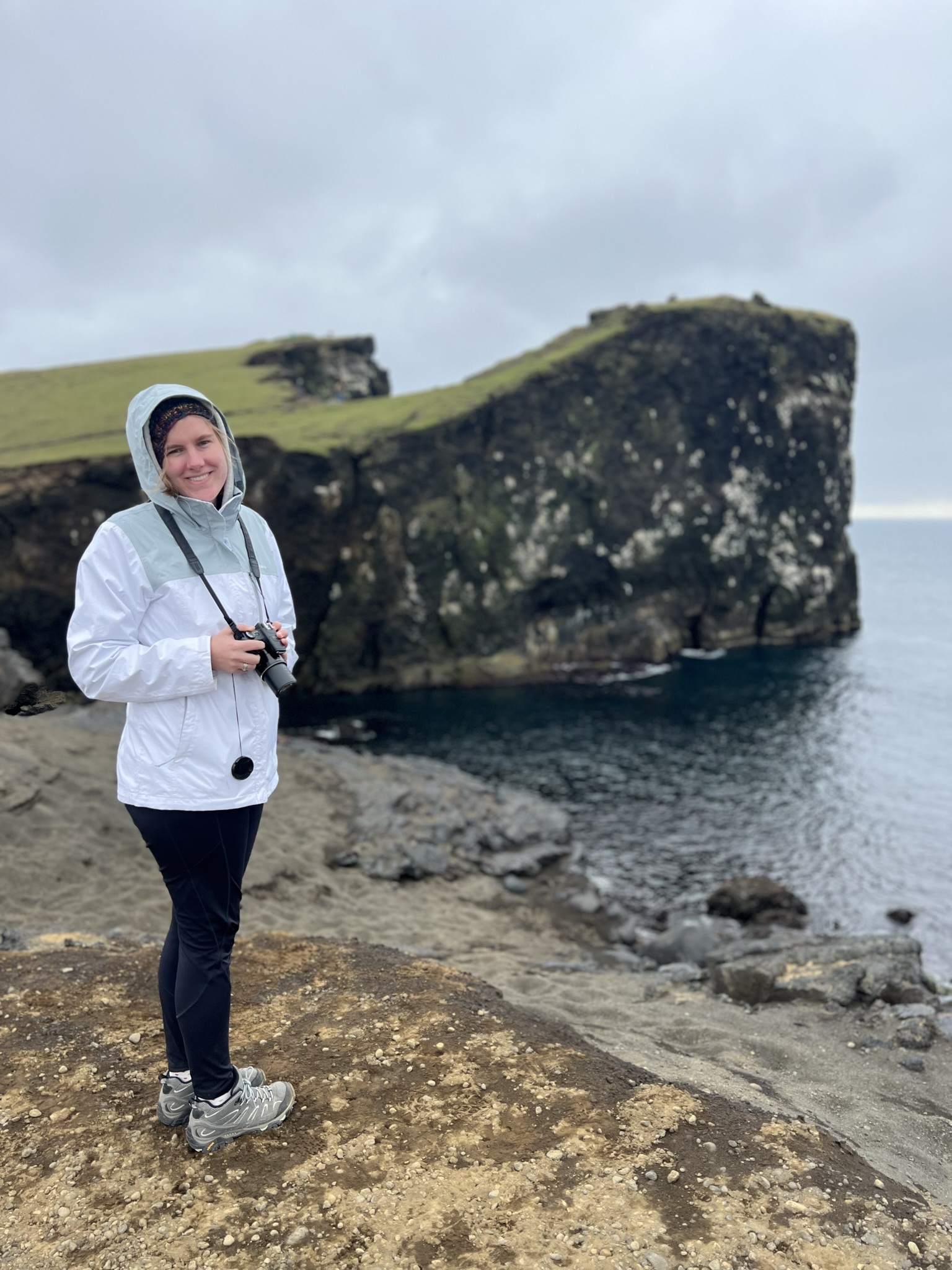
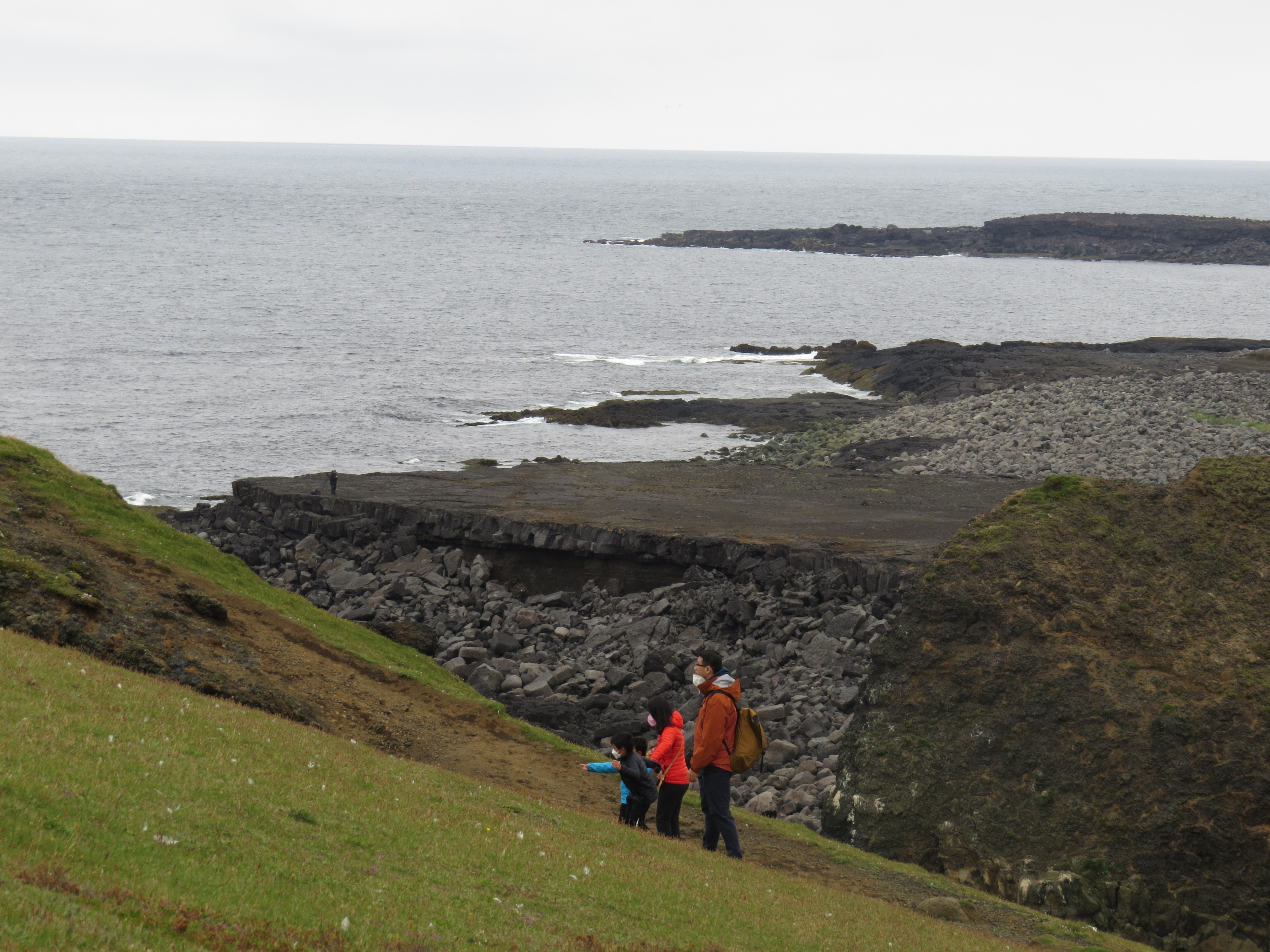
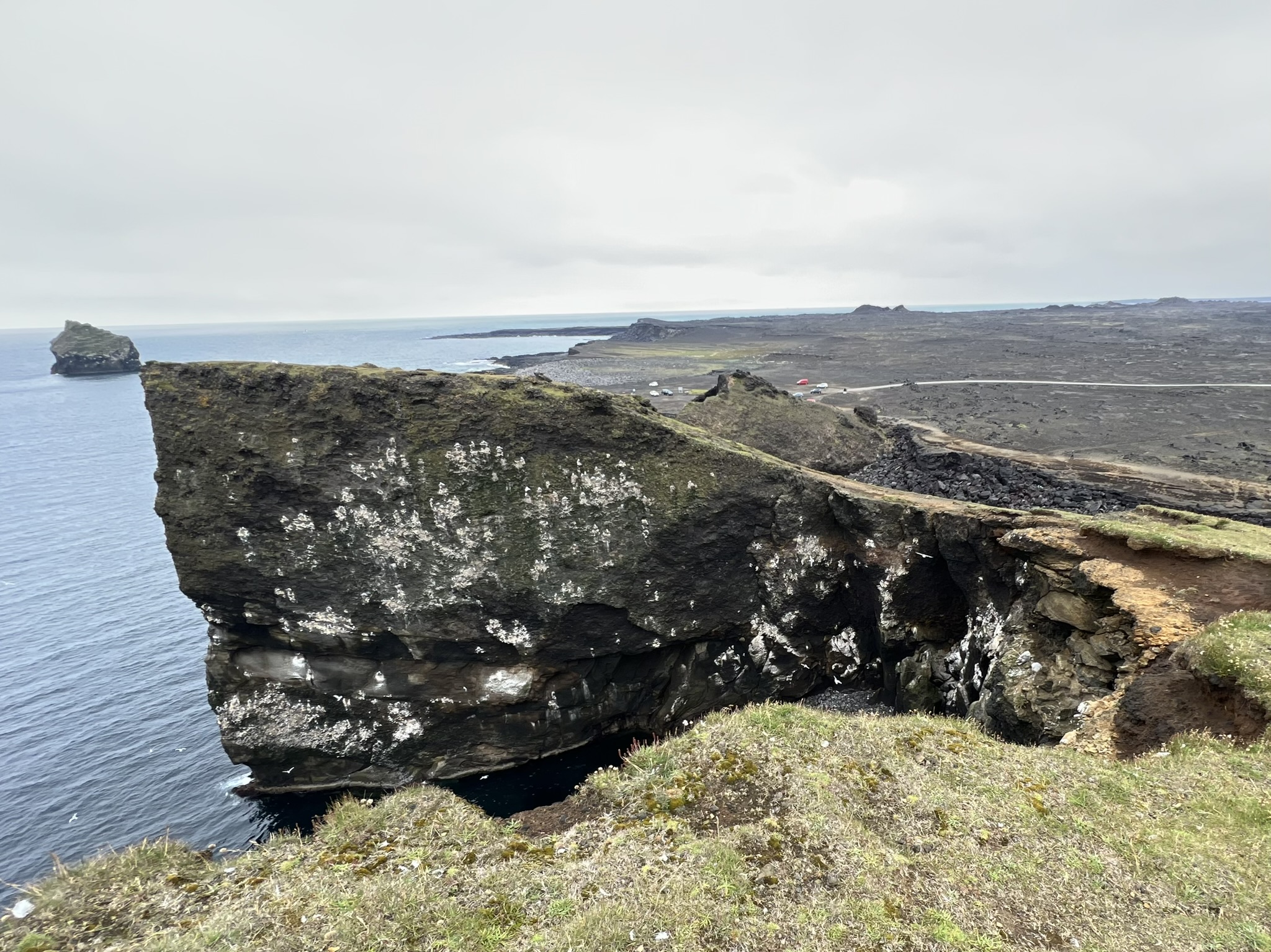
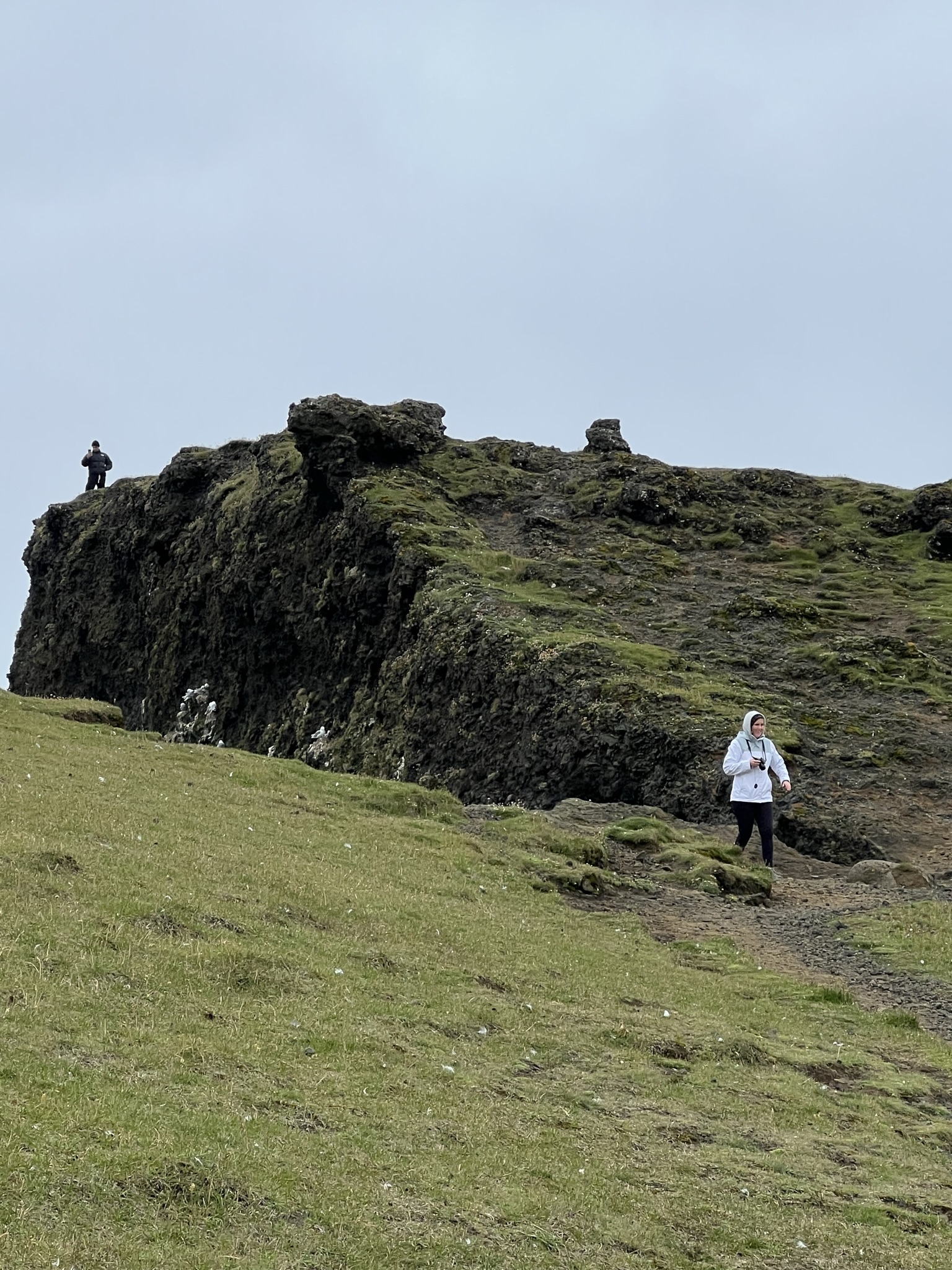
These cliffs with their craggy weathered appearance are composed of pillow lava from a single eruption. During 1226, there was an undersea eruption which created the Sand Winter. Ash fall was so heavy it was dark as night in the middle of the day, resulting in death and famine. Larkin and I climbed up the main cliffs for a fantastic view but were very careful.




Our next stop, The Blue Lagoon…
 THE TRAVELING MARTINI'S