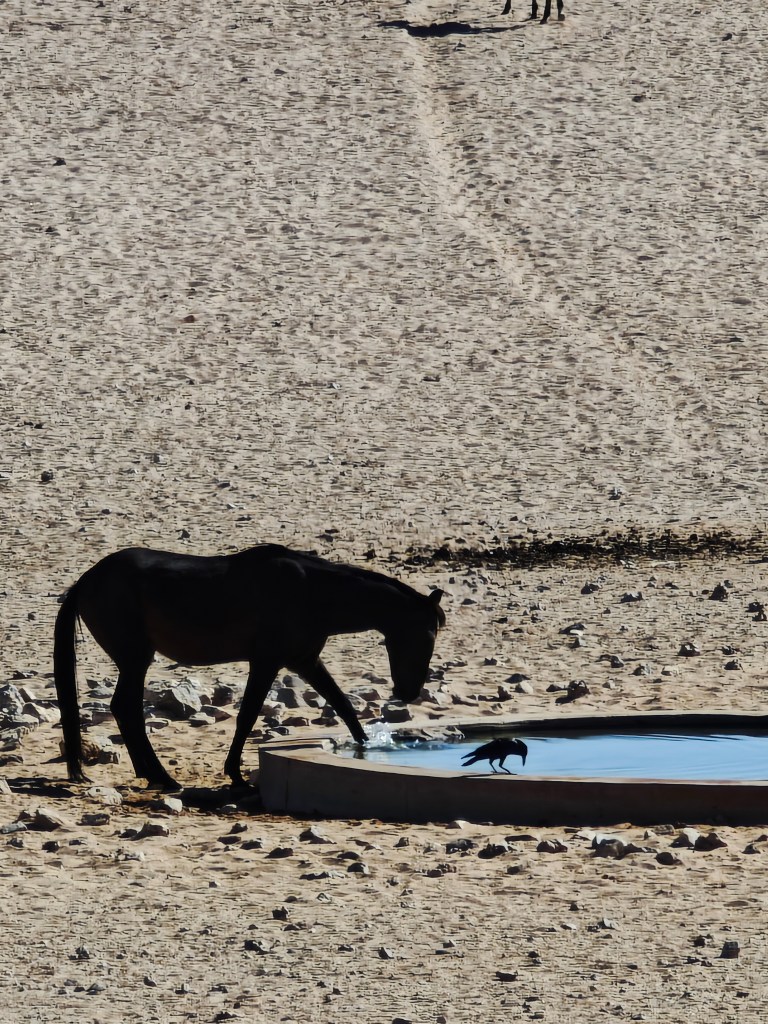
Our first stop in Namibia was Luderitz where we visited the wild horses of the desert. The Namib Desert is one of the oldest and harshest environments on Earth, spanning more than 2,000 kilometers along the Atlantic coast of Namibia and Angola.
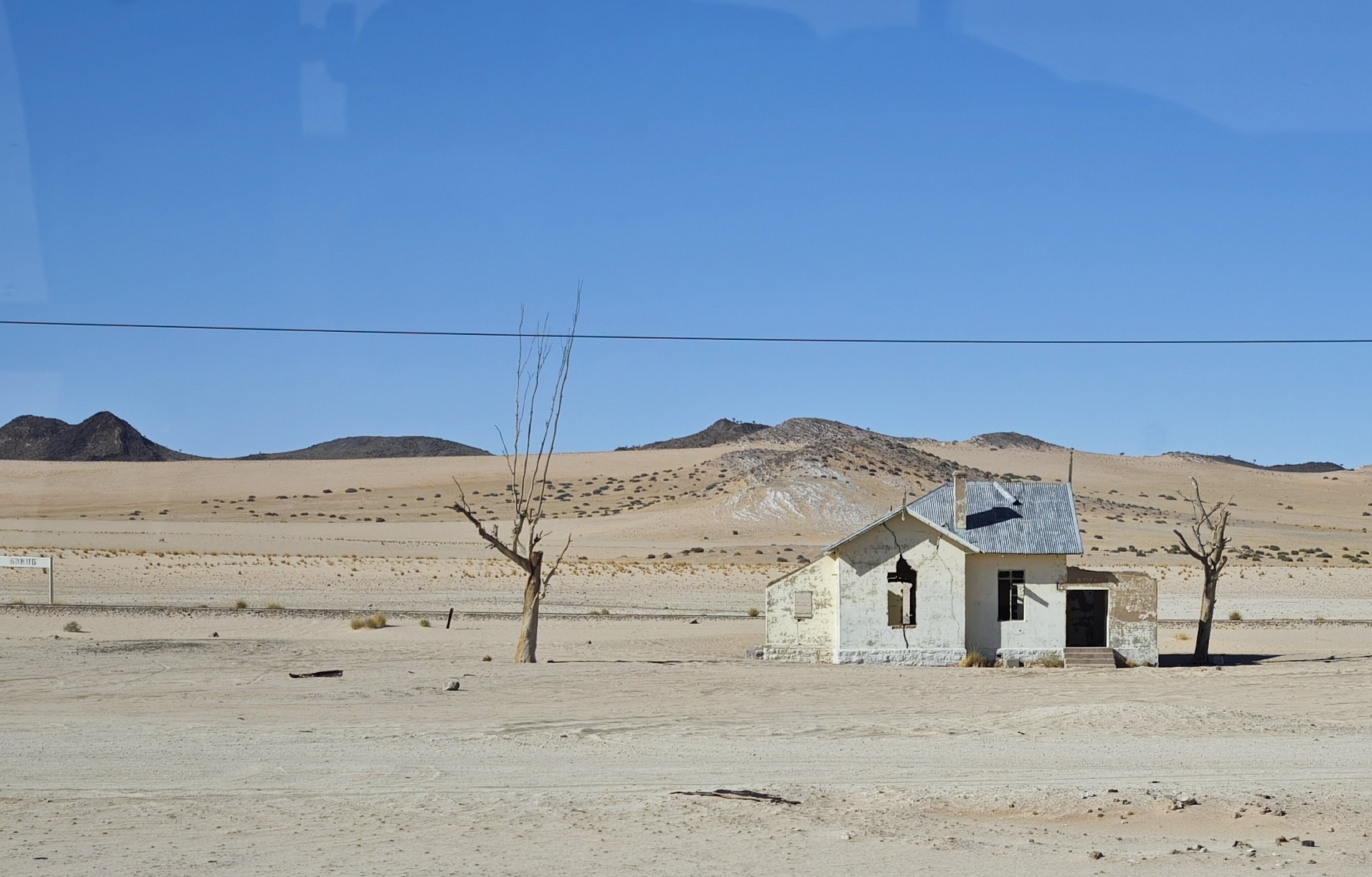
The Namib’s, as the free horses of the Namib Desert are called, live on the barren plains around Garub on the eastern fringe of the Namib Desert, their origin is shrouded in mystery. Despite the harsh, arid landscape, they have adapted and survived against all odds. In the entirety of Africa, this is the only feral herd that can be found. Even though they share genetic links to Arabian-type horses, Namib Desert horses do not resemble them physically. Both breeds fall under the “hot-blooded” classification, characterized by athleticism and lean muscularity. People believe that these horses had German origins and congregated in the Garub plains in Namibia when the German’s left. The key characteristic of this horse is it adaptability. It has adapted itself to desert life thanks to its over 100 years of existence in the desert.
An employee at Consolidated Diamond Mine named Jan Coetzer proved invaluable by not only arranging water provisions but also rallying support for their wellbeing – this period marks an integral chapter in their conservation history, revealing just how human intervention played into their survival efforts. Horse numbers were critically low by 1984, but their fortunes changed with their habitat becoming a part of Namib-Naukluft Park.
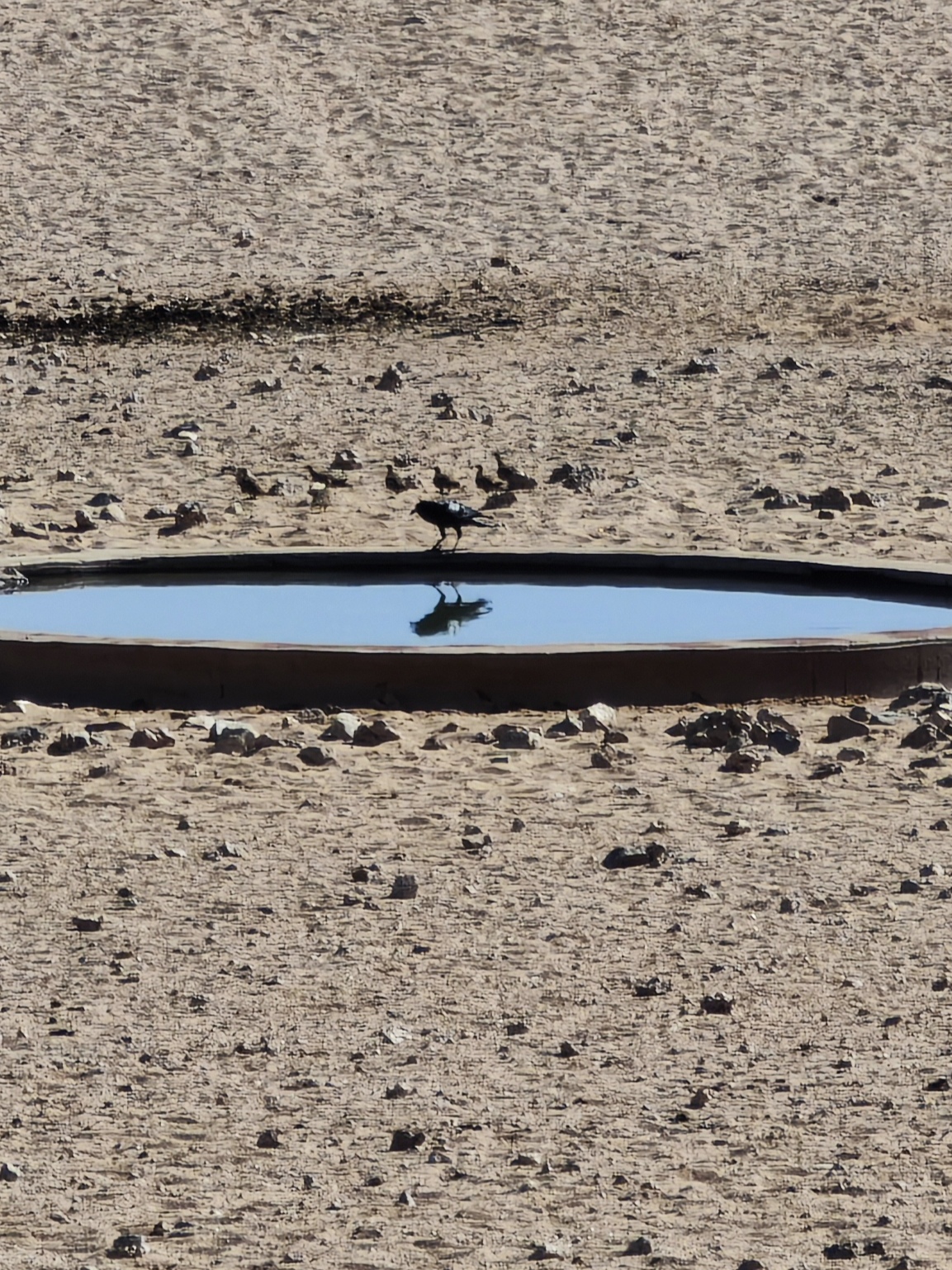
It was fun to arrive in the bus and have our guide mention, “we’re lucky today, here they come.” We saw this group of eight or nine come from our left to the watering hole. Next the single male had his time at the watering hole as the herd wandered up the sandy desert.
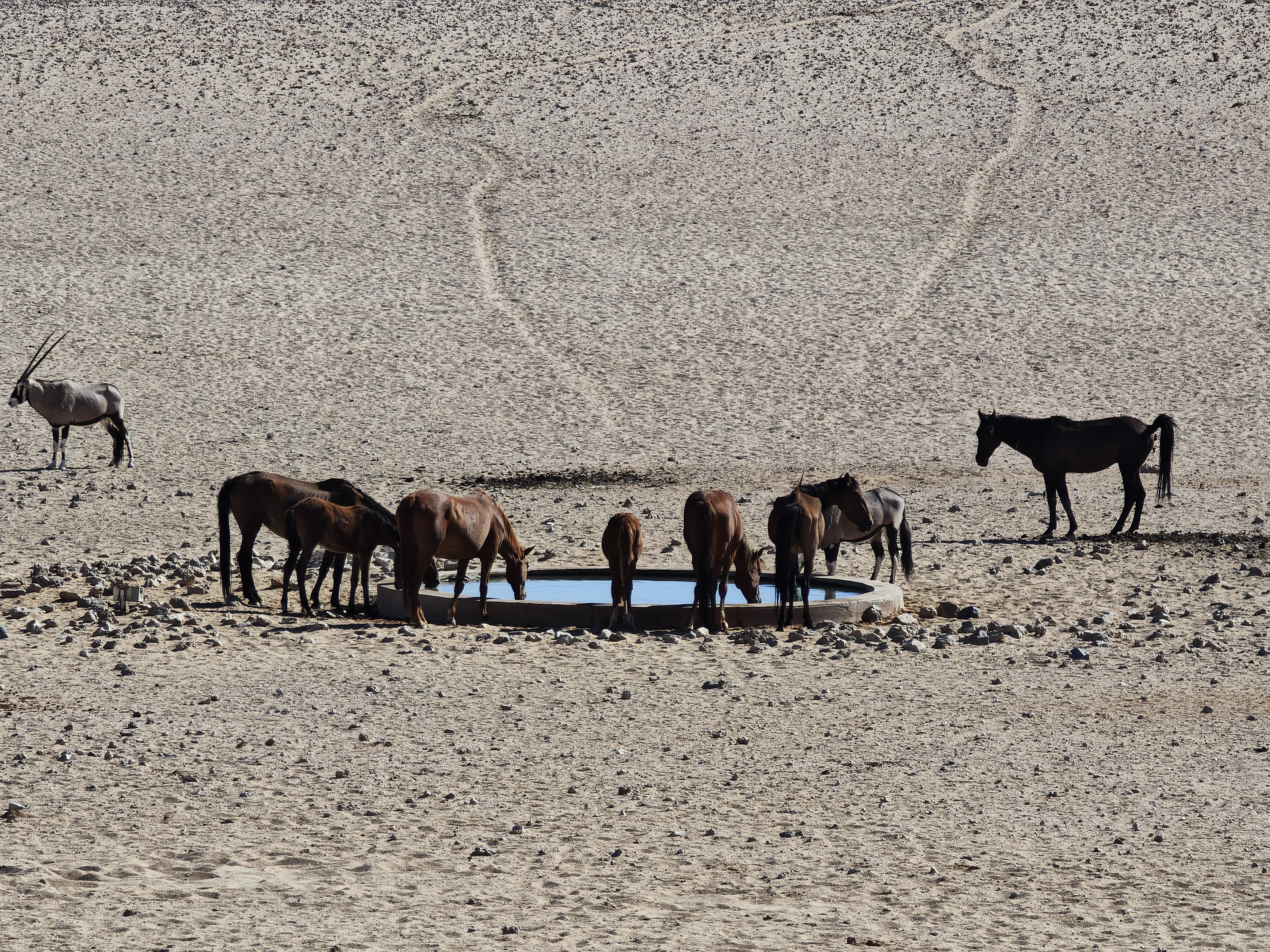
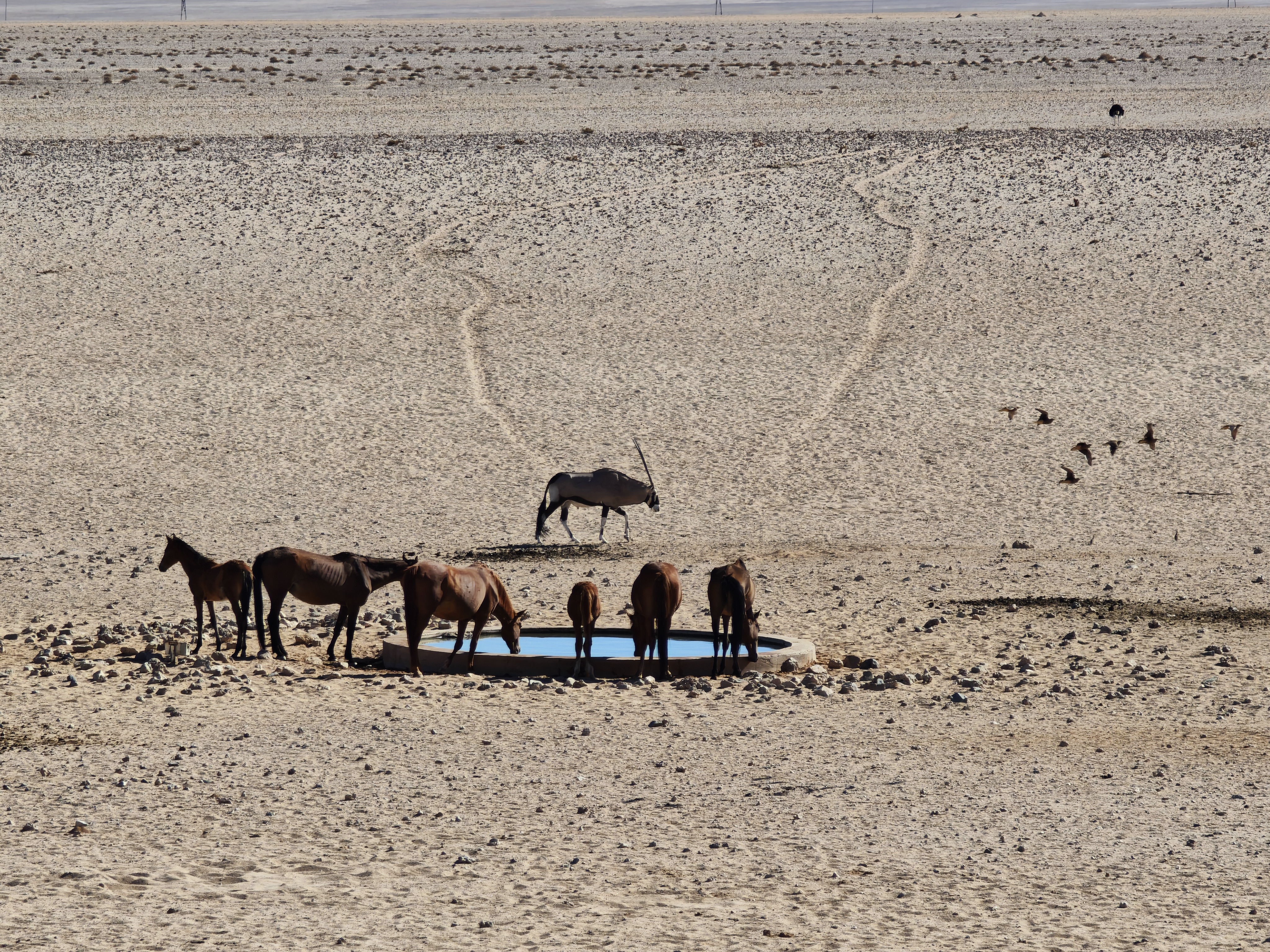
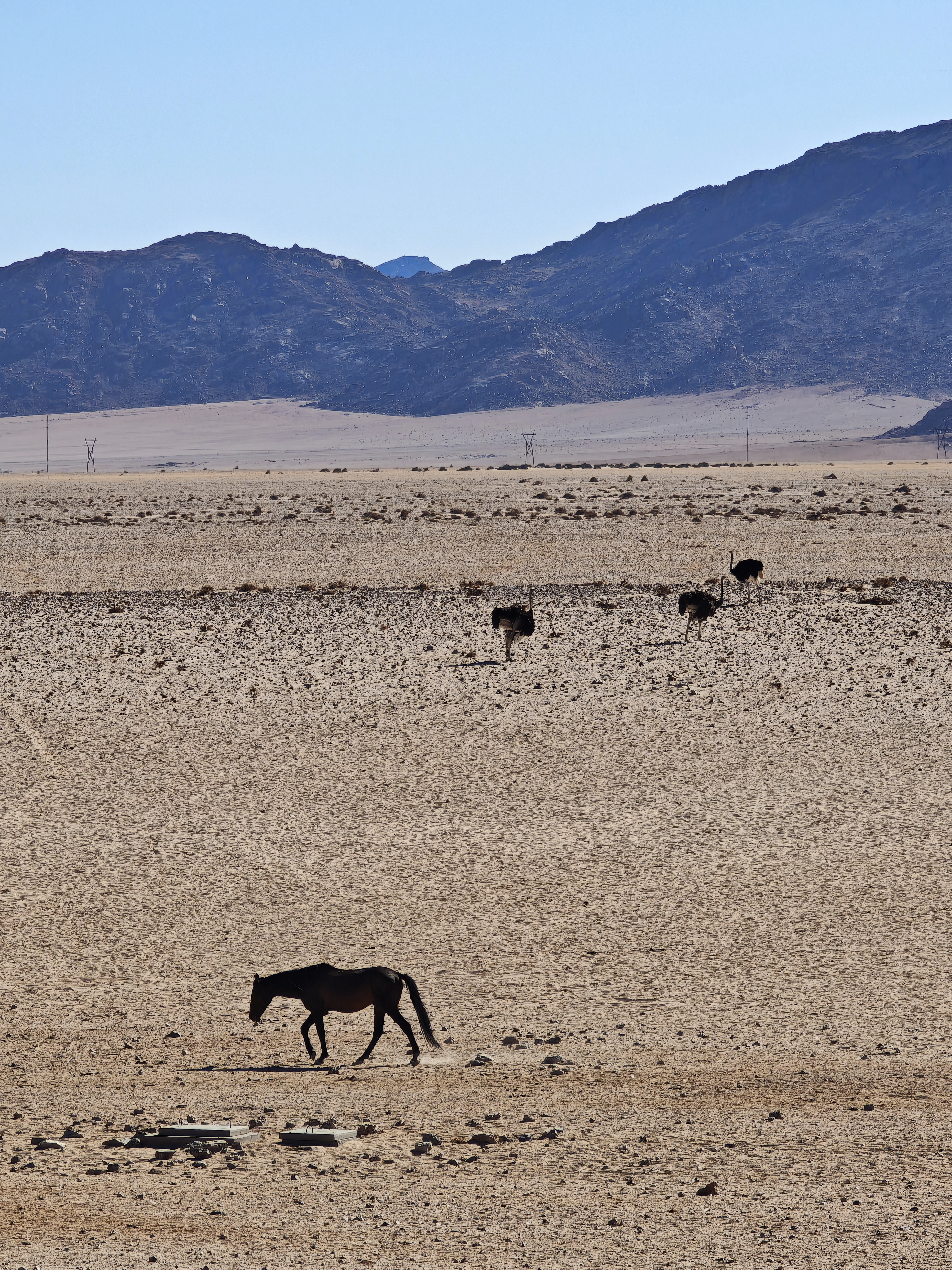
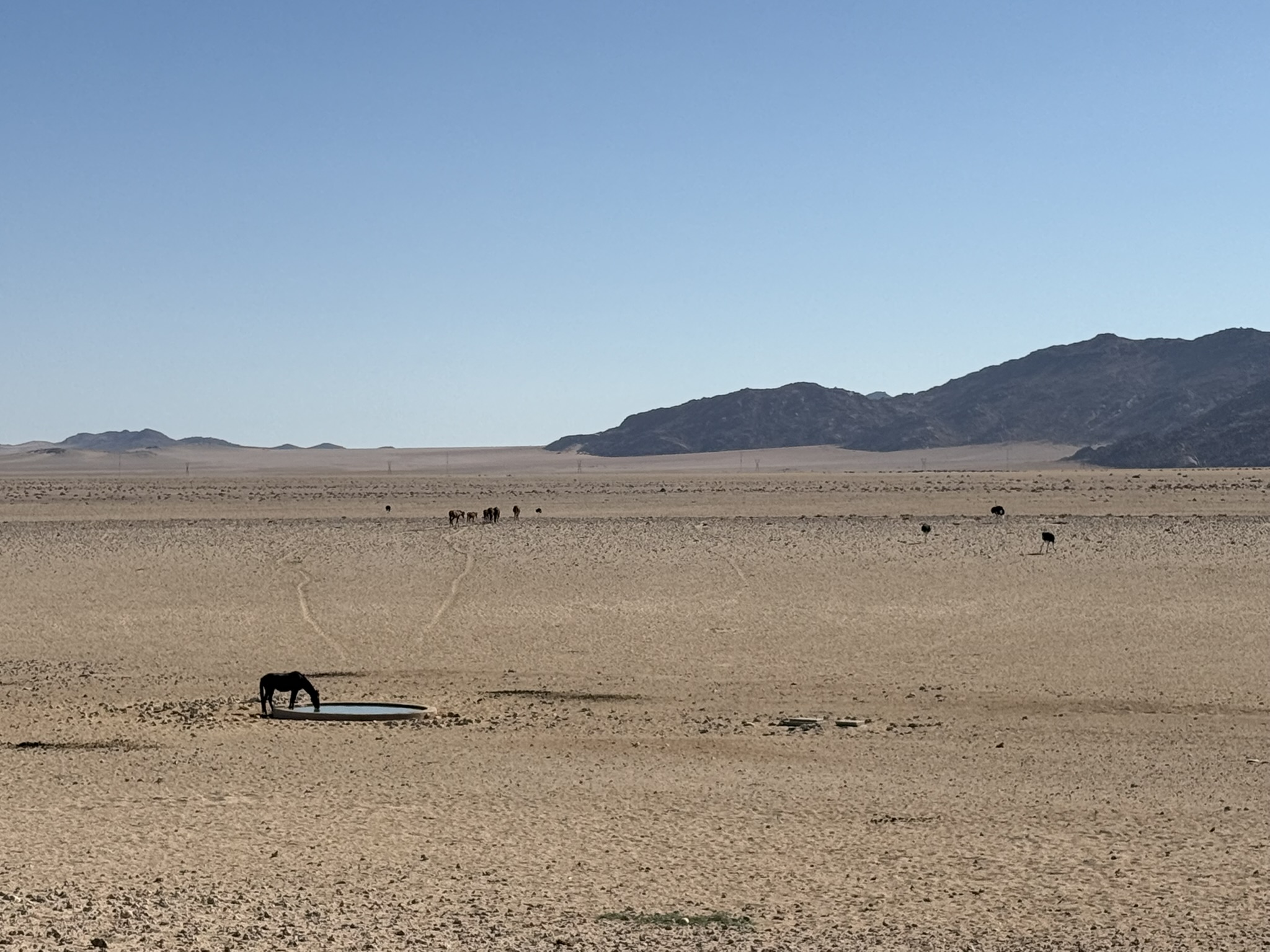
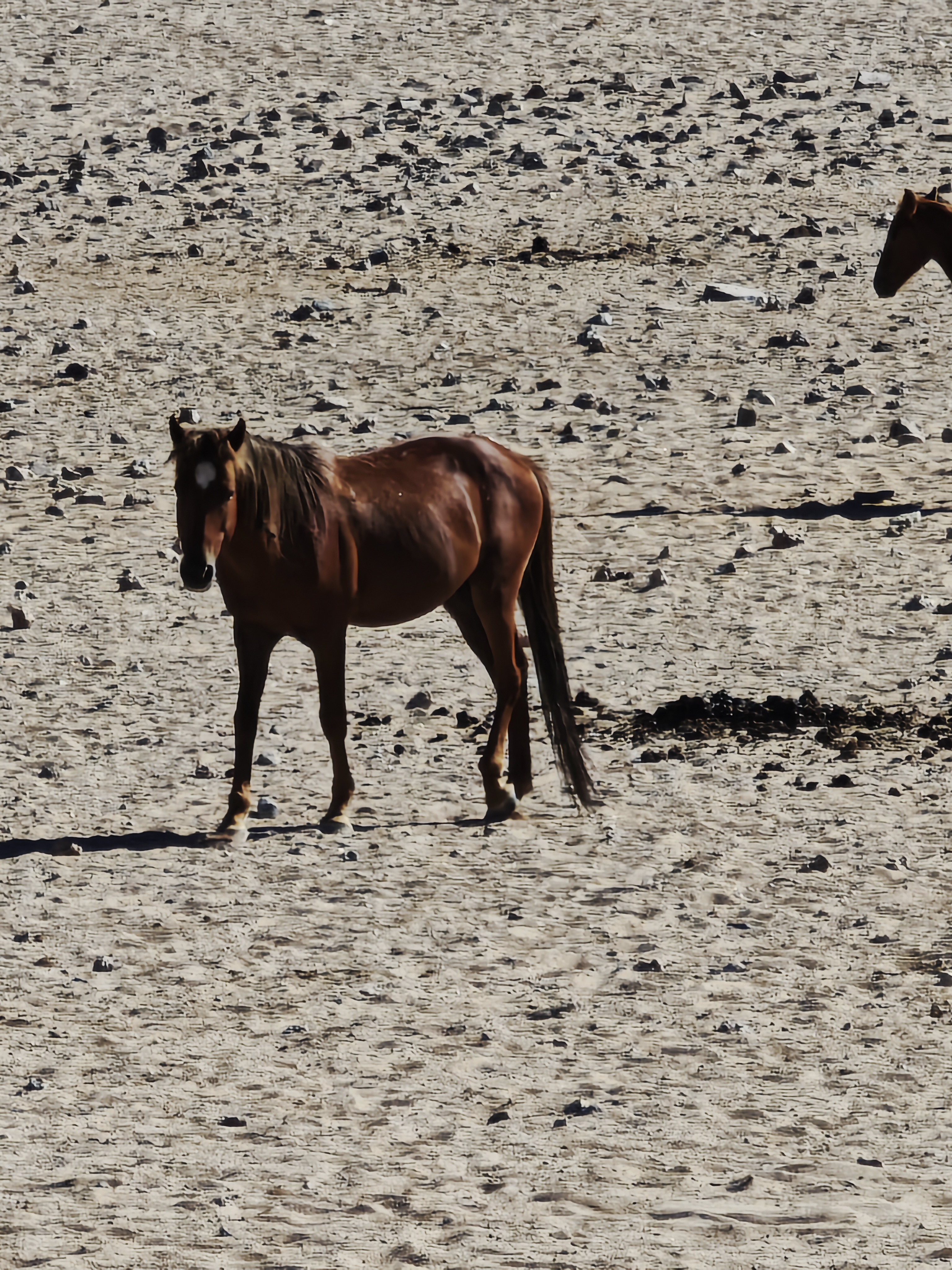
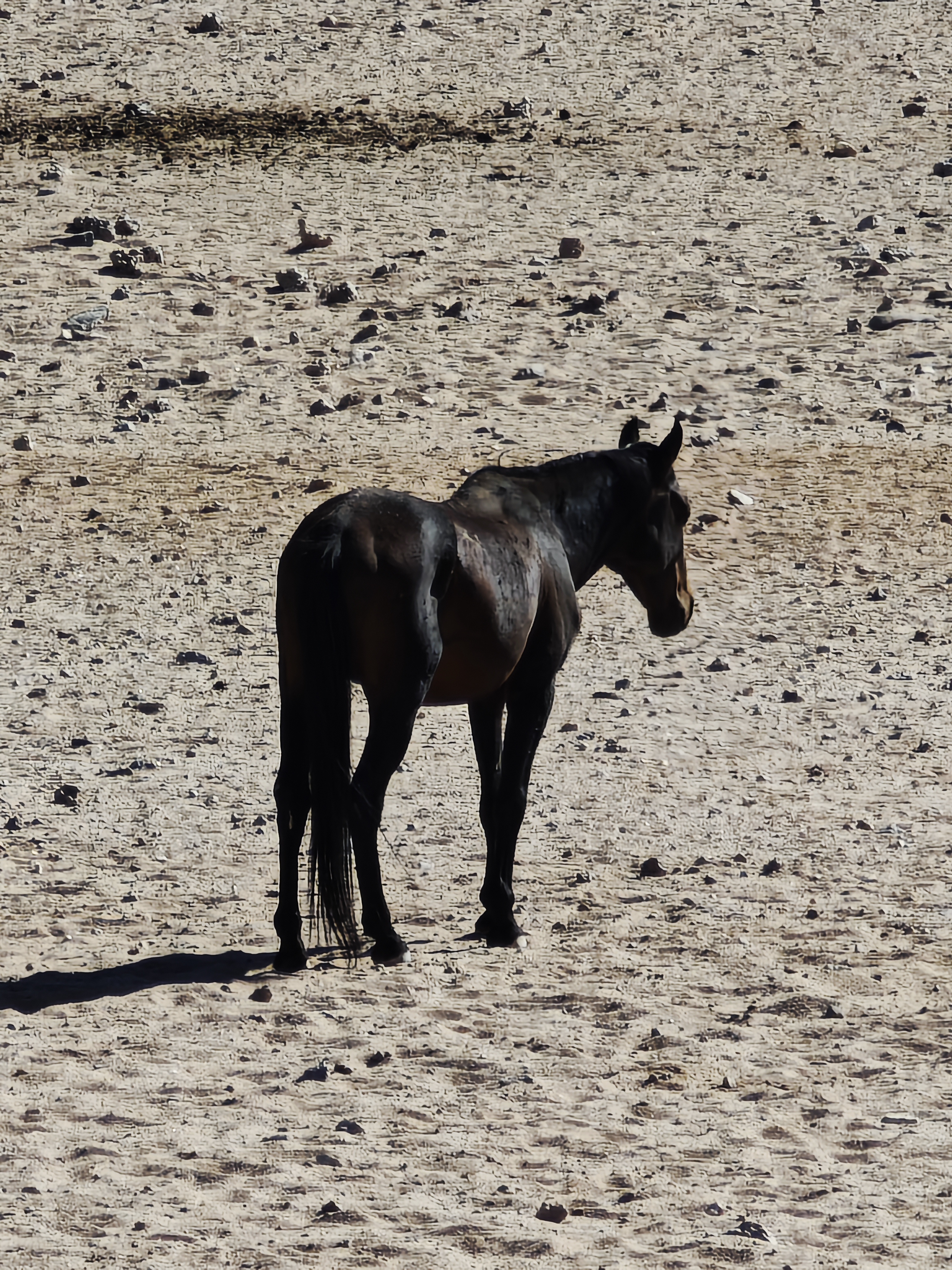
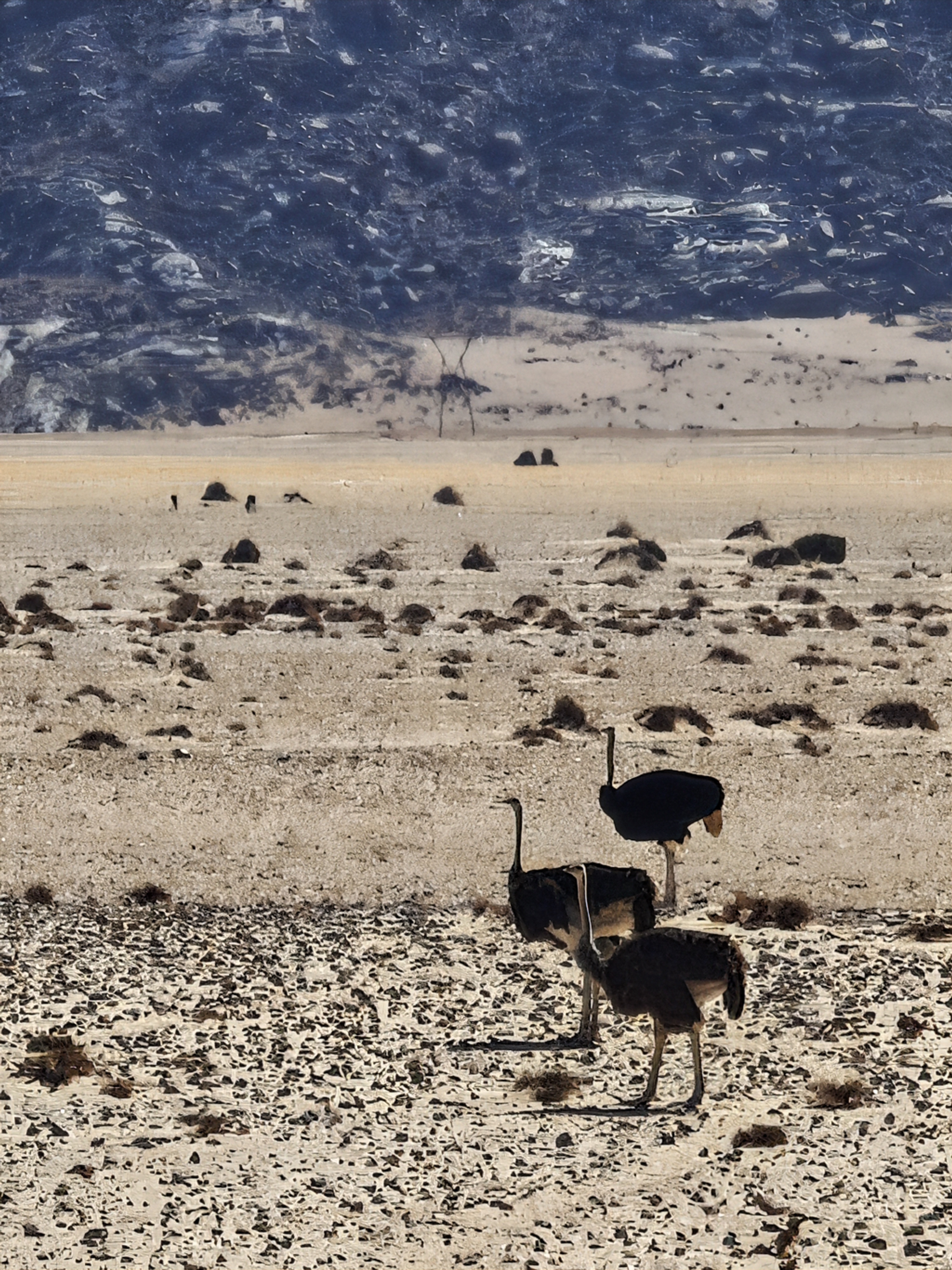
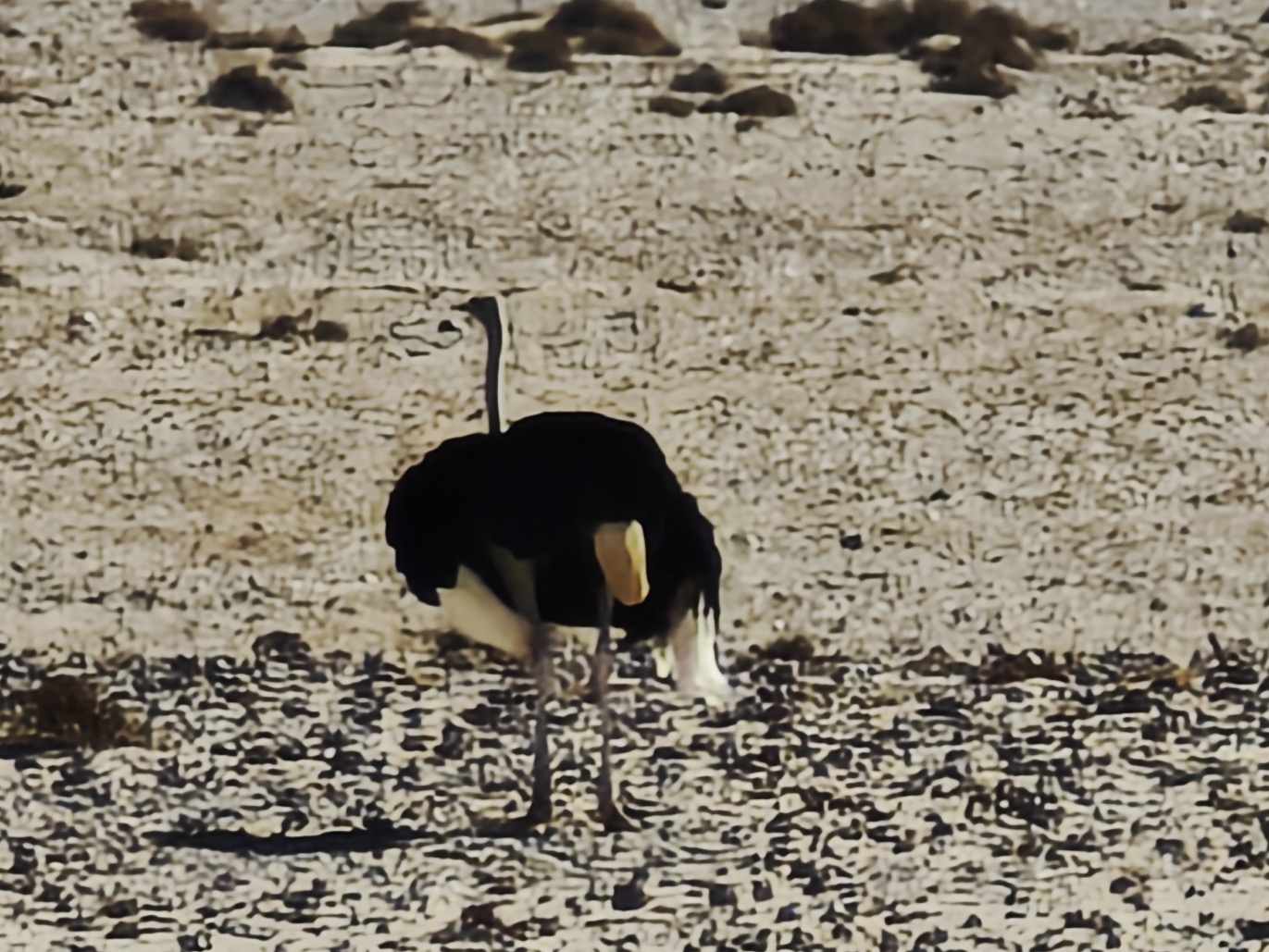
When the horses had enough water, the oryx’s game to drink. We saw ostriches but they didn’t take their turn at the watering hole.


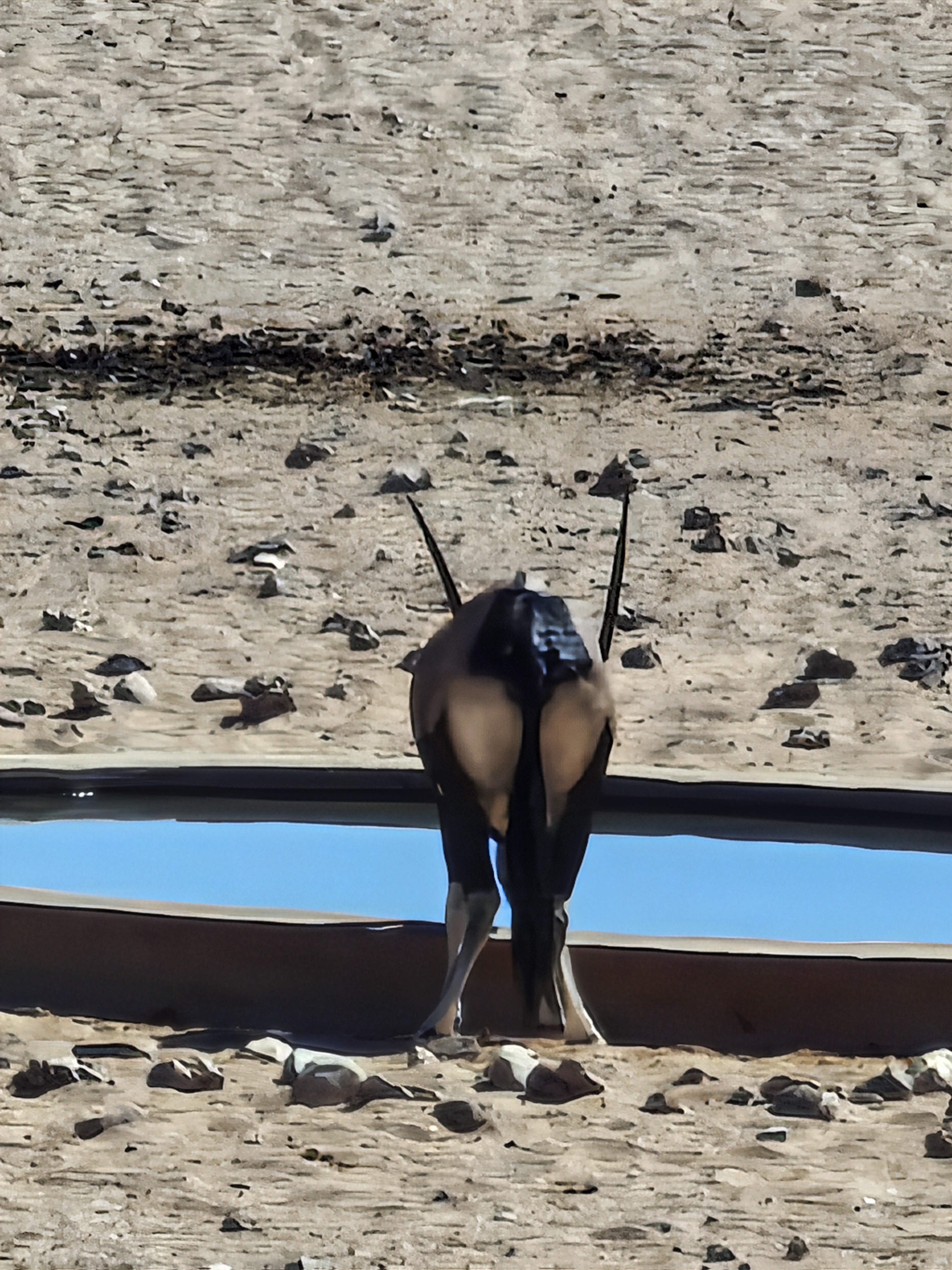

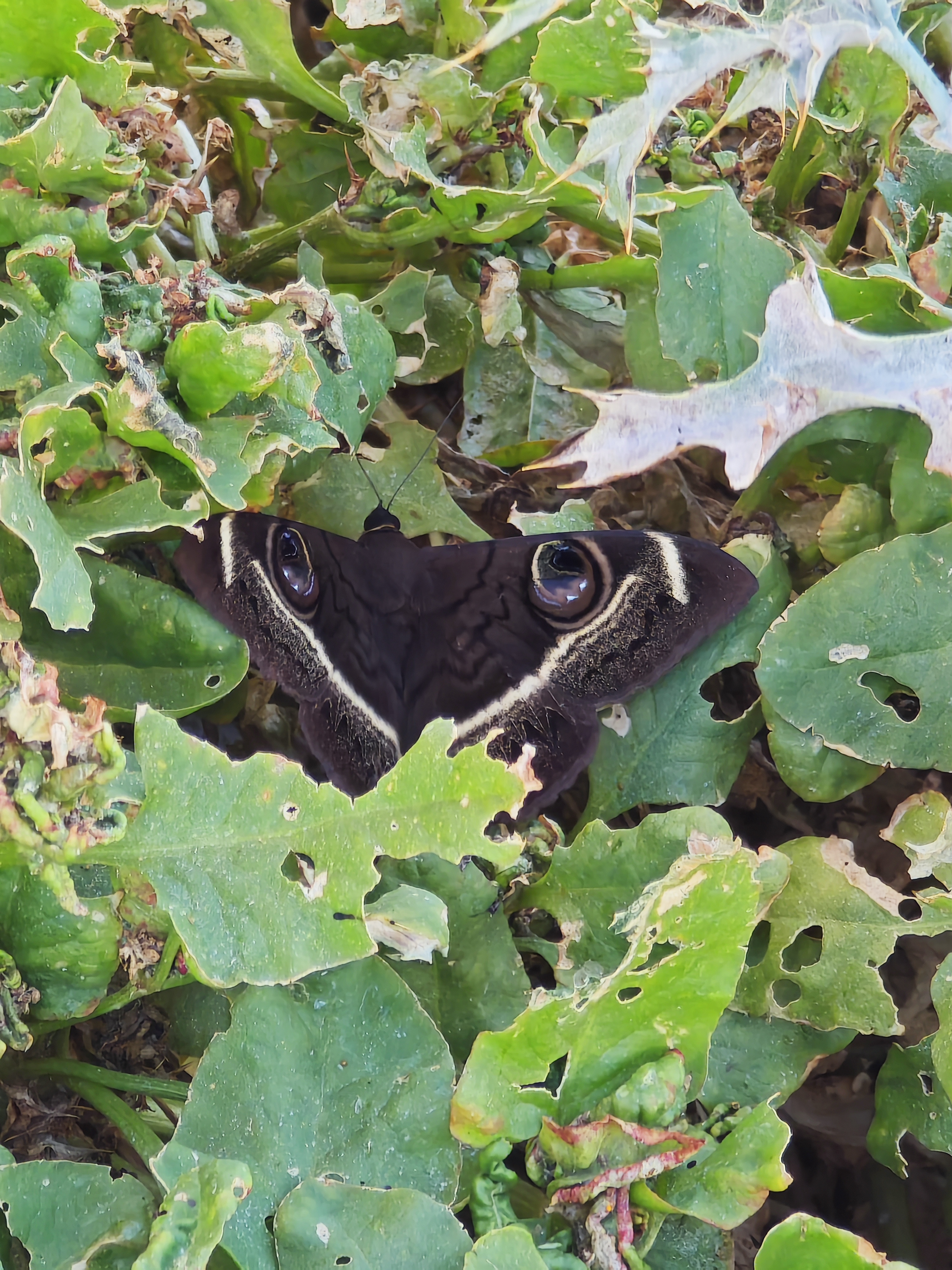
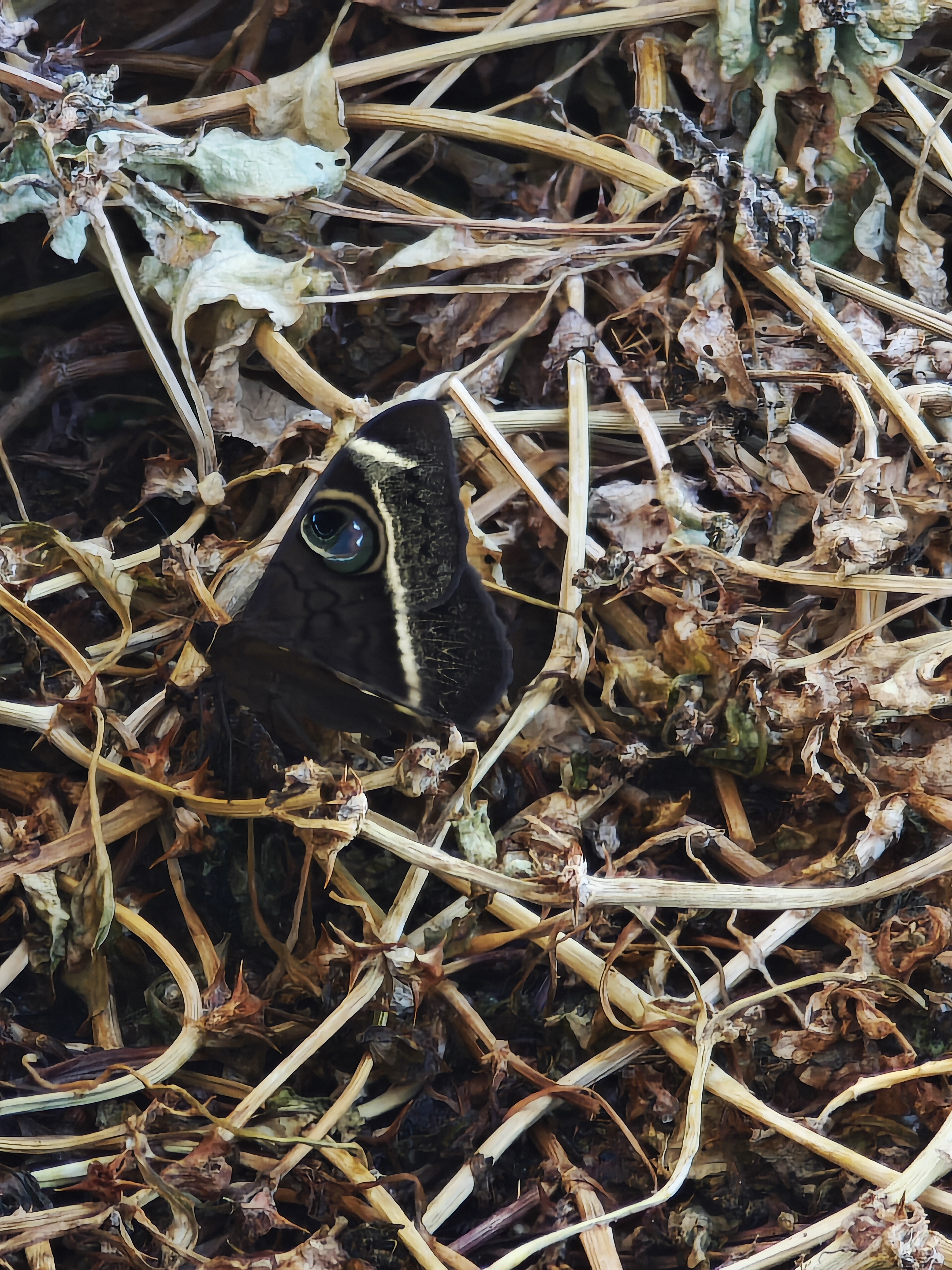
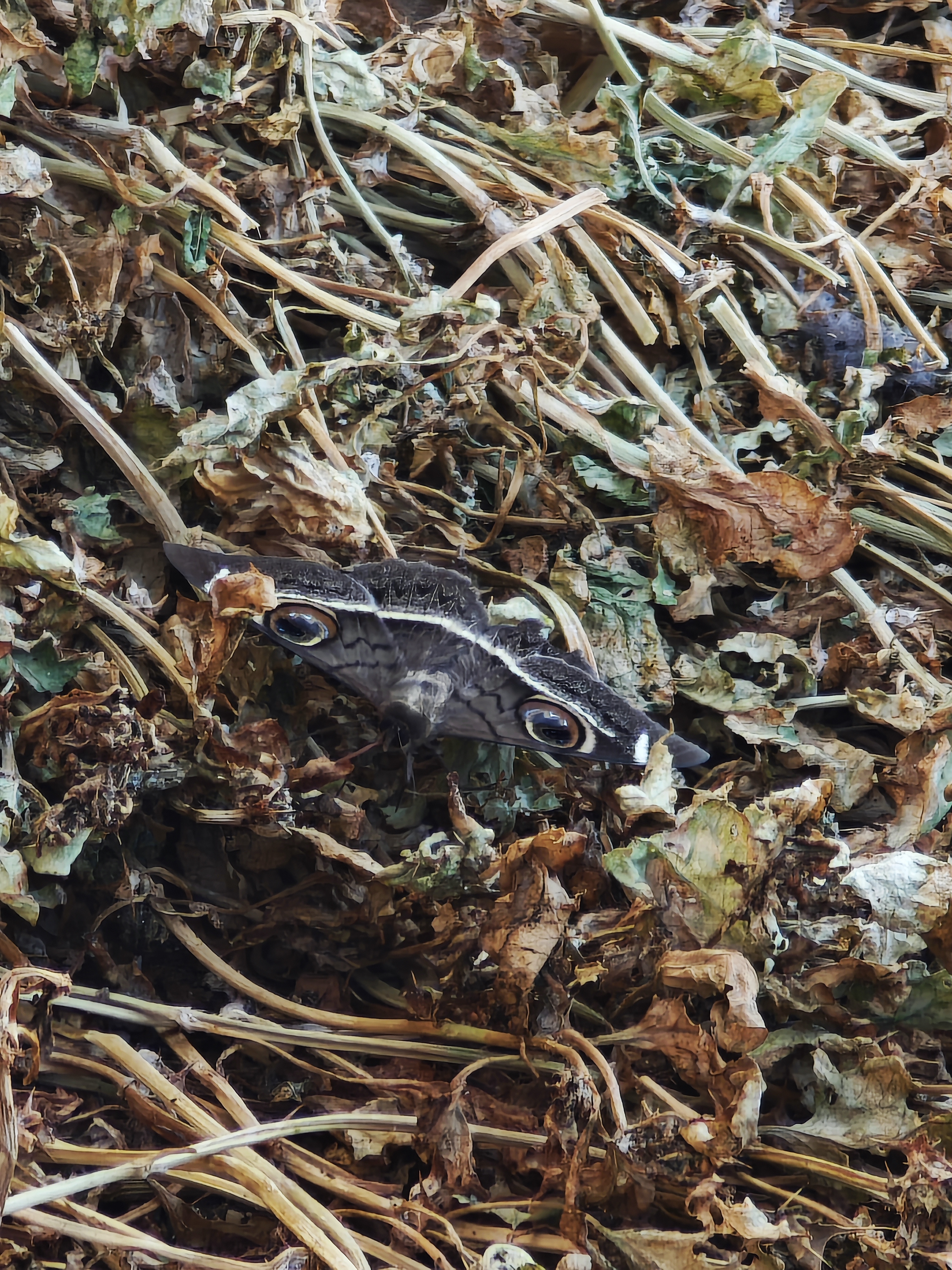
Find the butterfly at the watering hole! The toilets were up the hill from the viewing area and if you go around the back where the water does come in, it is a respite for little creatures where the water leaks onto the ground!
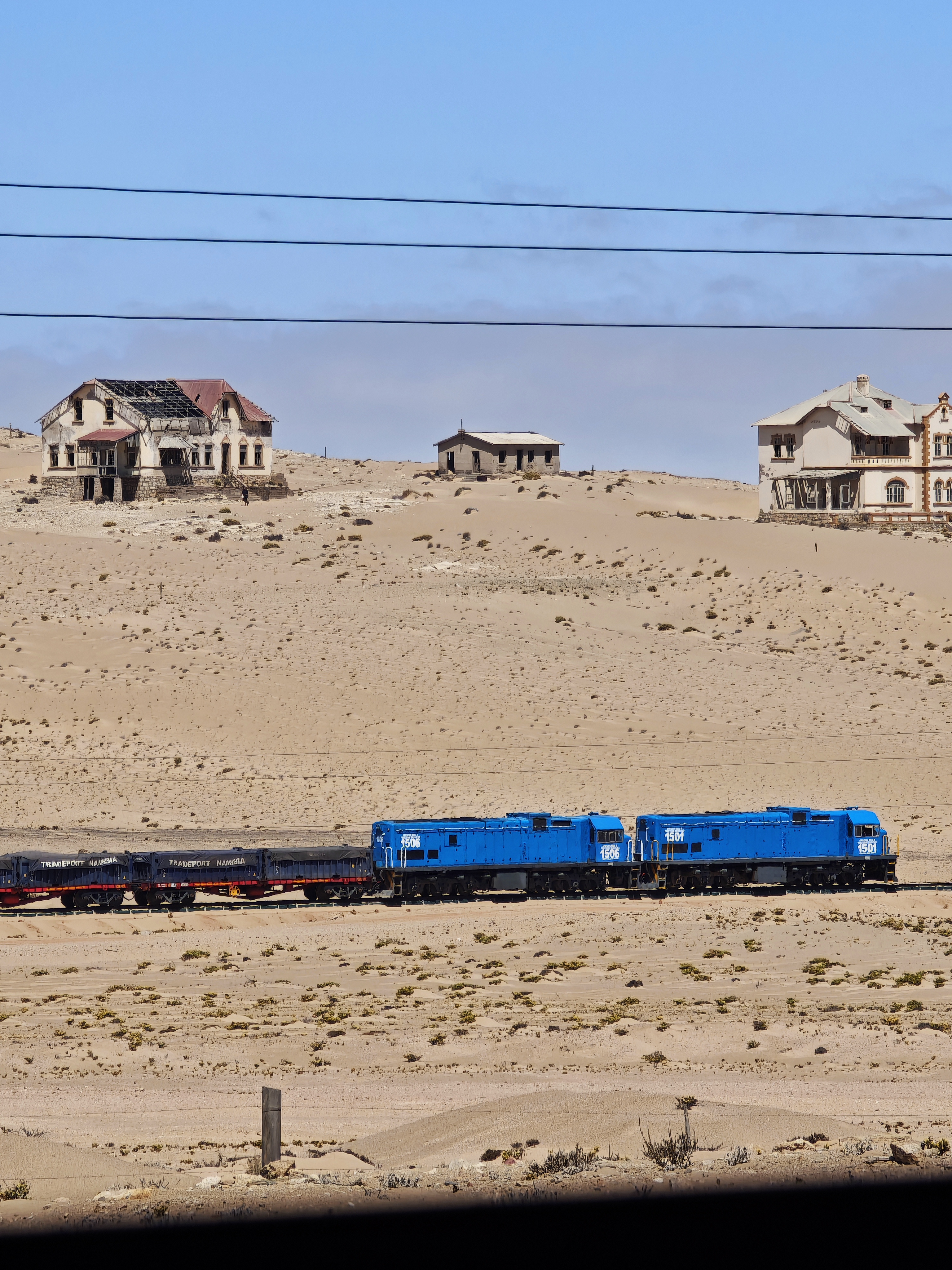
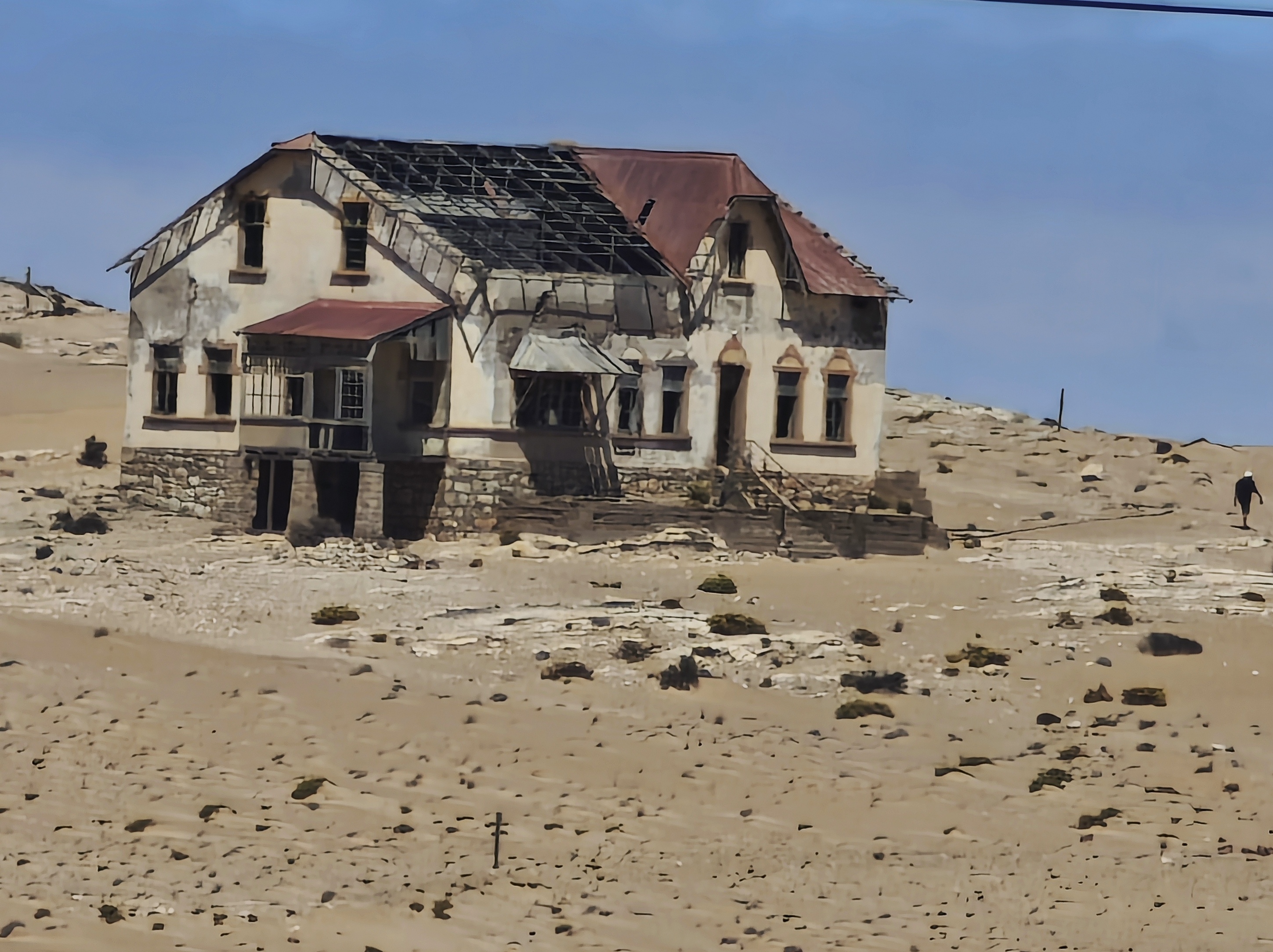
We knew of a few passengers who took the trip to just walk around the ghost town, Kolmanskop because they wanted to see how different the houses looked after 20 years (not much!) We were lucky and at least had a photo op to enjoy them from a distance. The area had been rich in diamonds but was over taken by diamonds being found on beach terraces to the south in Namibia. It was completely abandoned in the 1950’s and is now knee deep in sand but a place to view Edwardian architecture. The trains slog slowly down to the ports. We saw this train on the way up going down and it was just passing the ghost town when we were heading back to the coast! I believe the cars held manganese heading down to load on a ship in Luderitz.

We arrived in Walvis Bay the next morning for an over night and started with an adventure to see the salt flats and to see flamingos. That was the quick part of the trip!
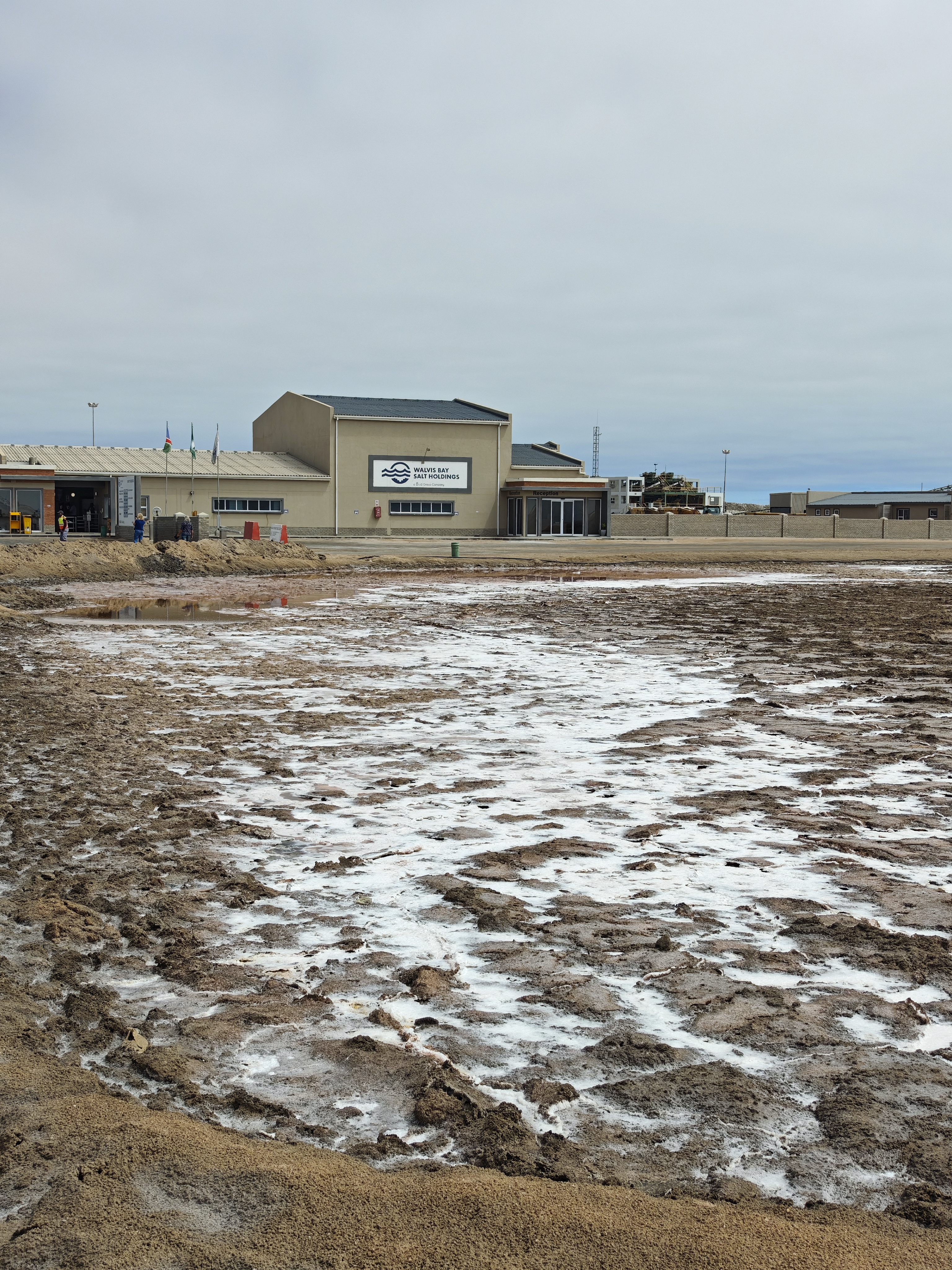

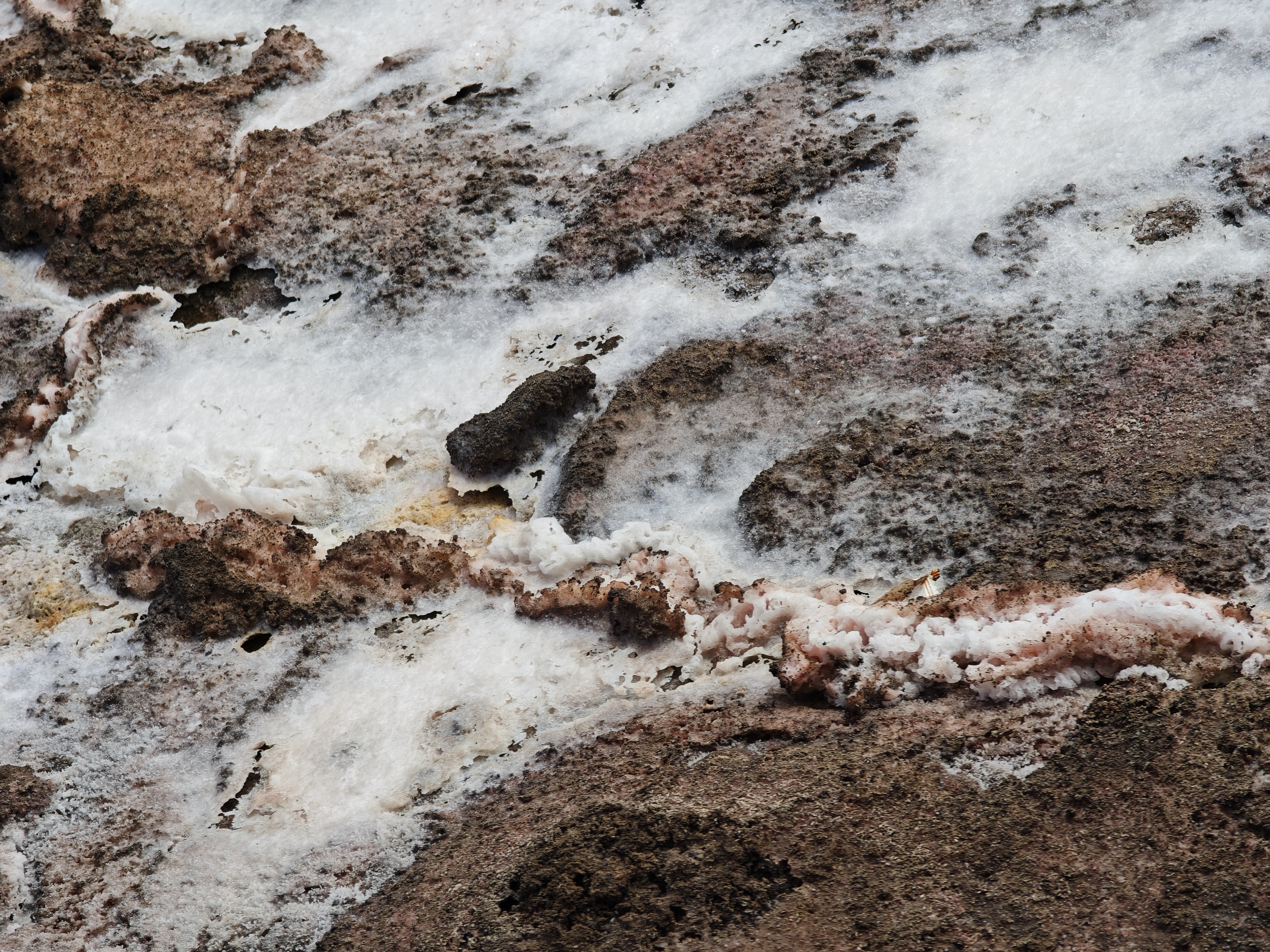
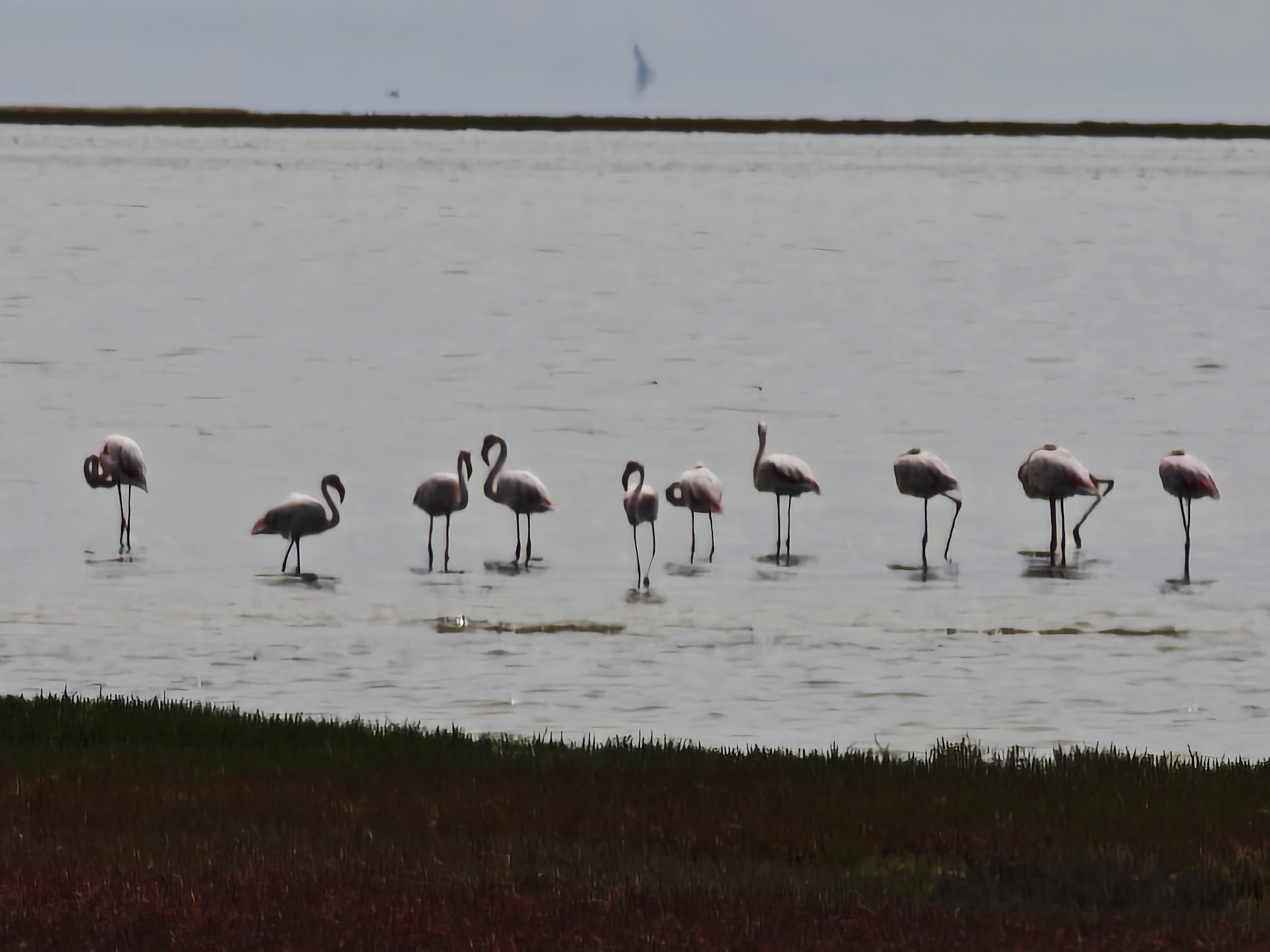
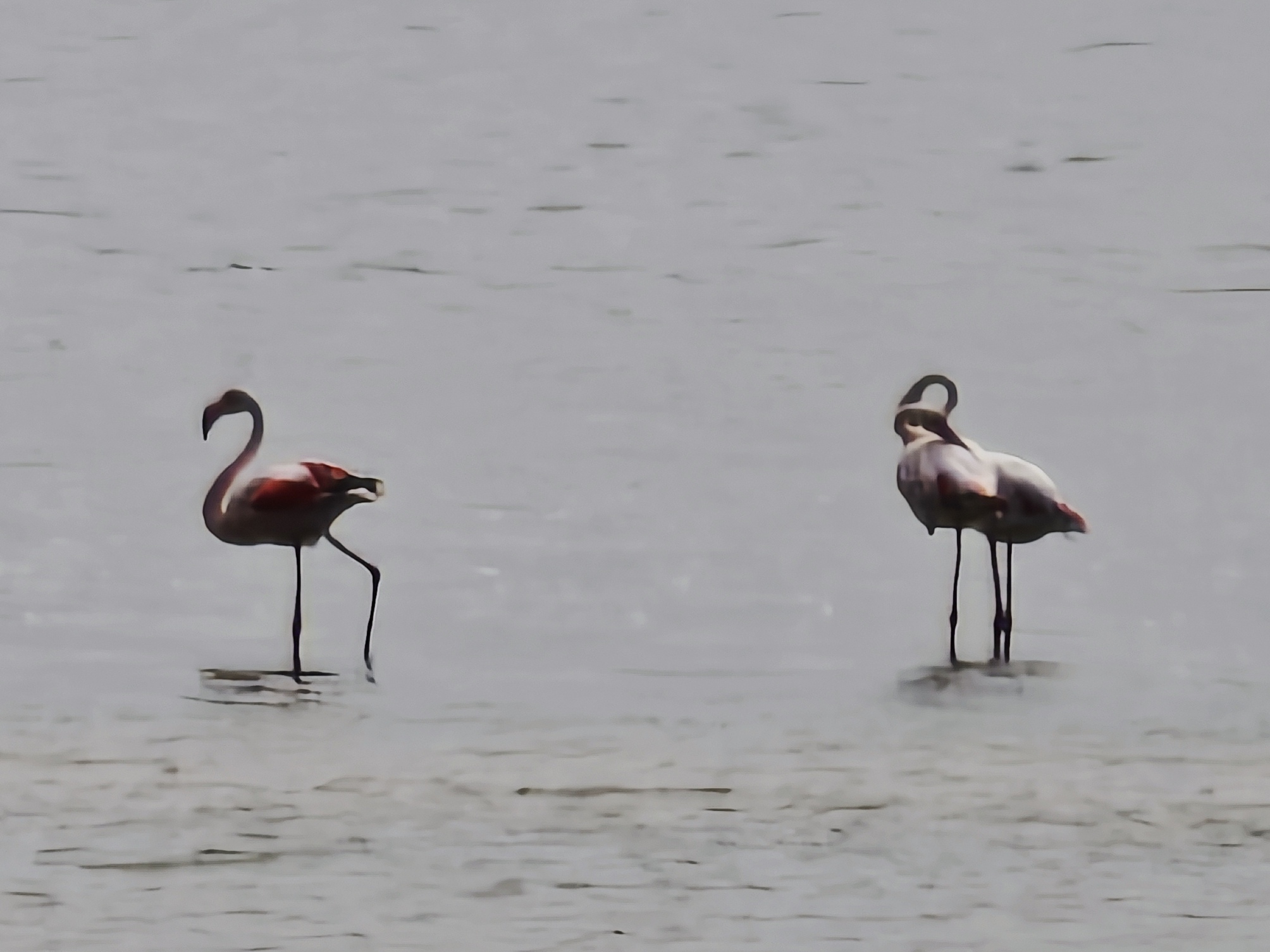
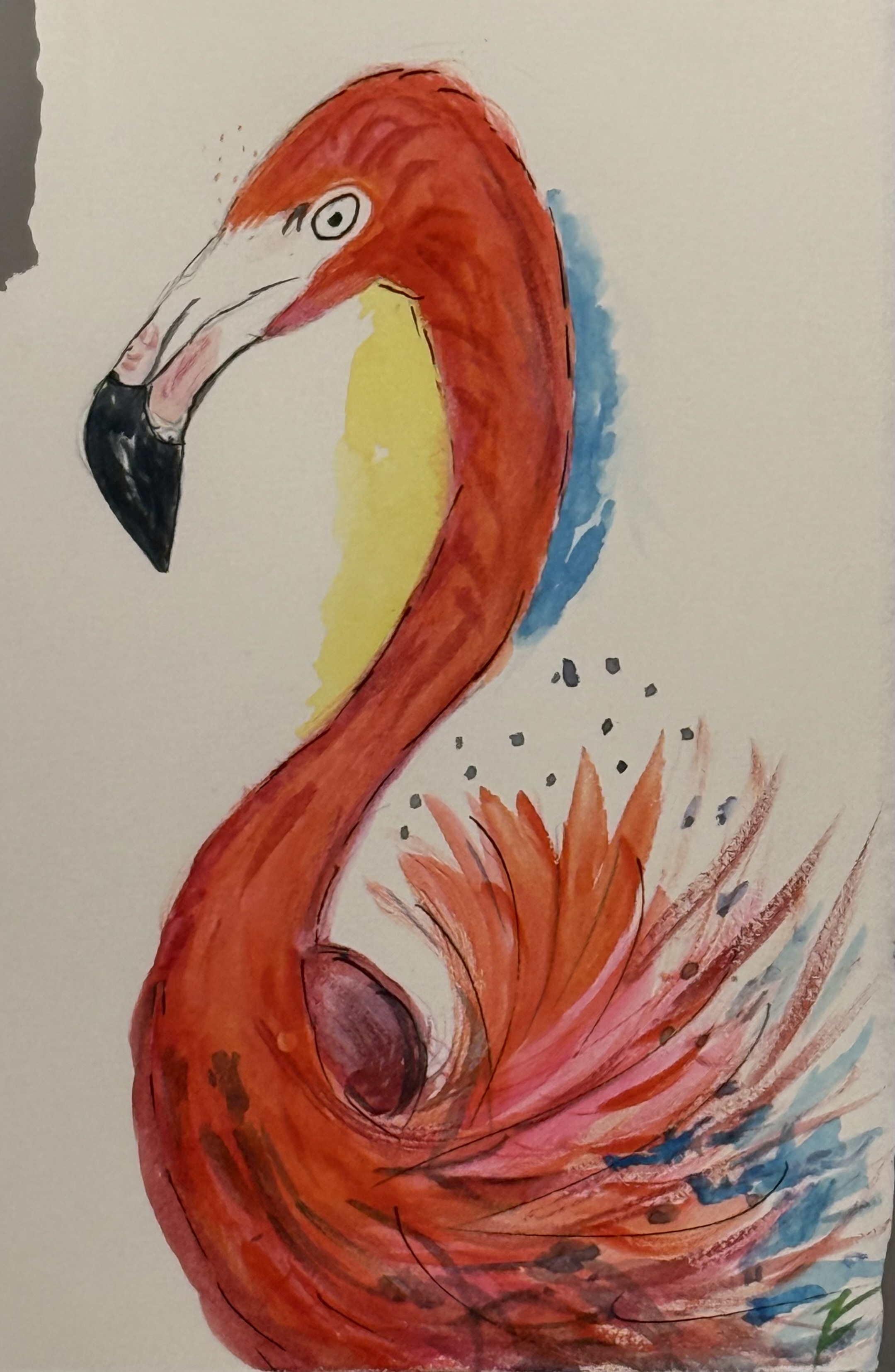
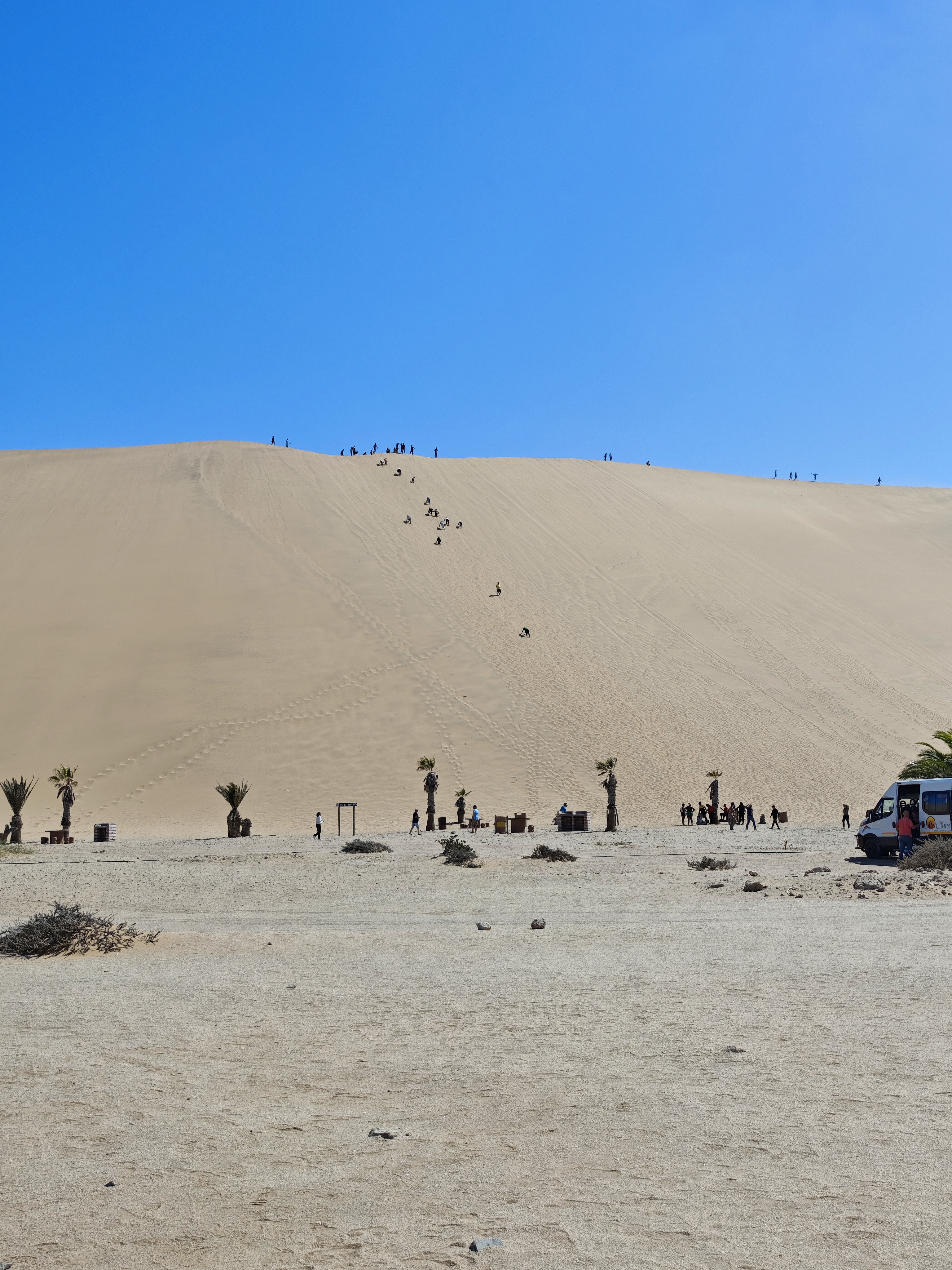
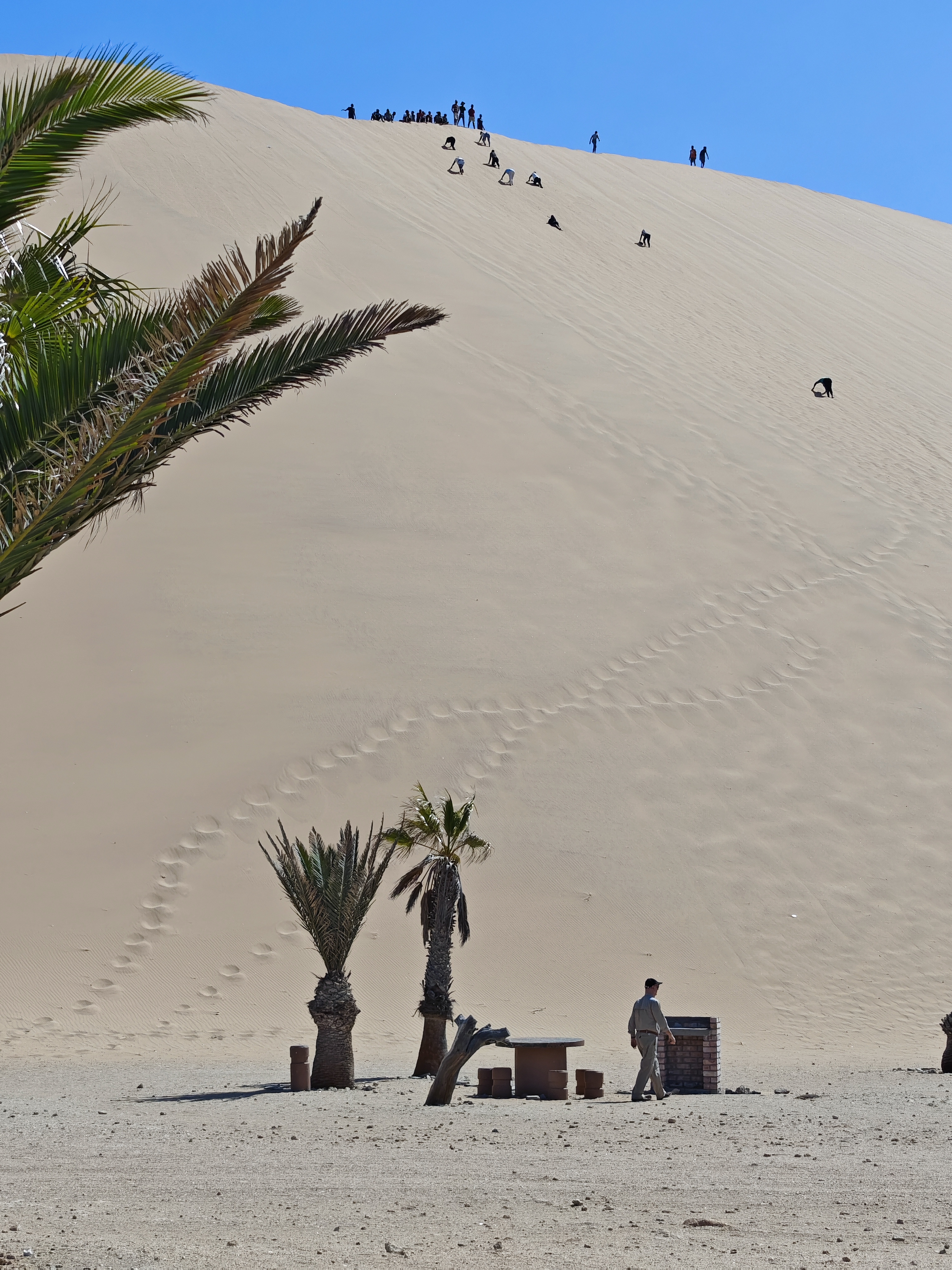
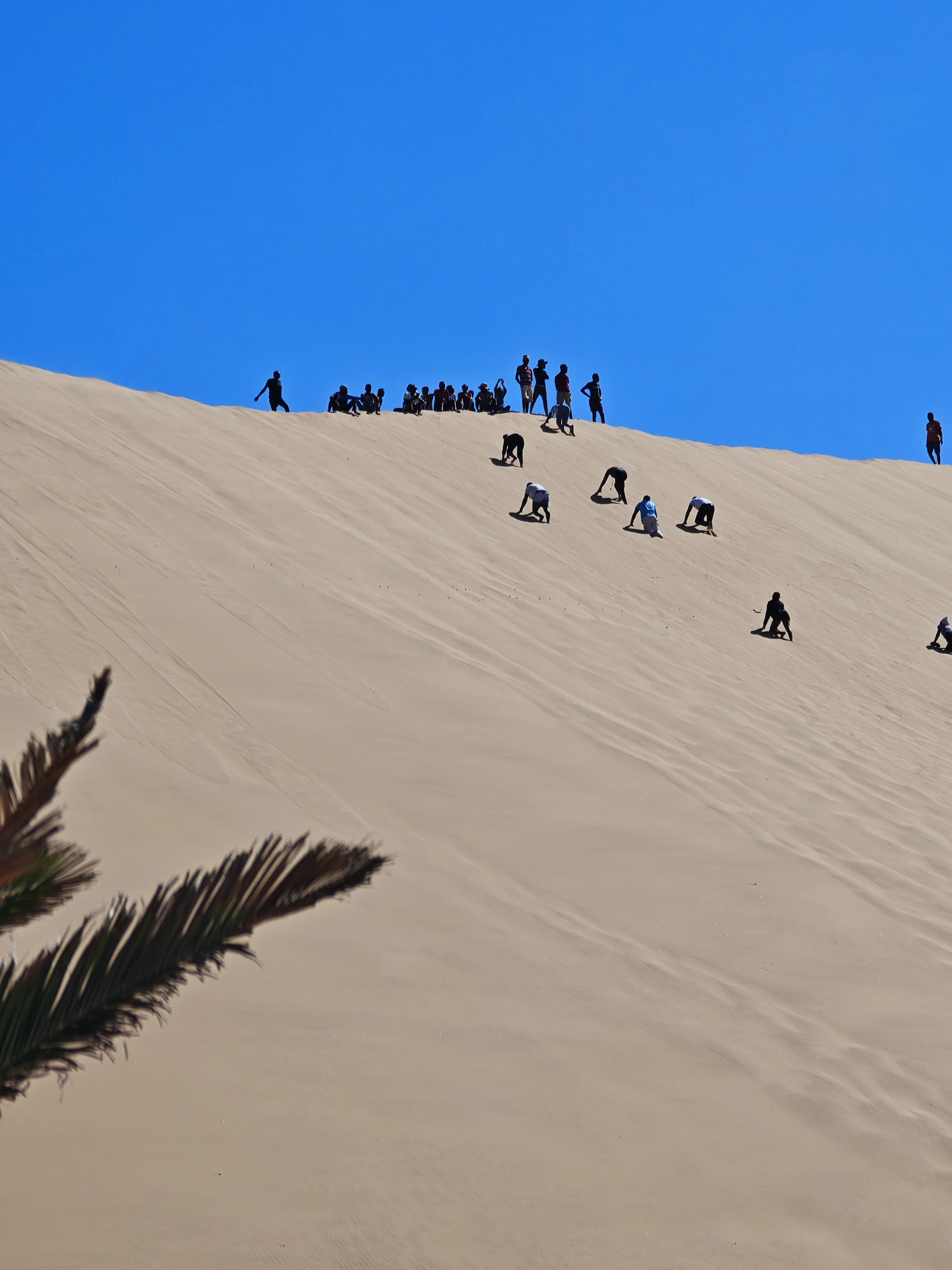
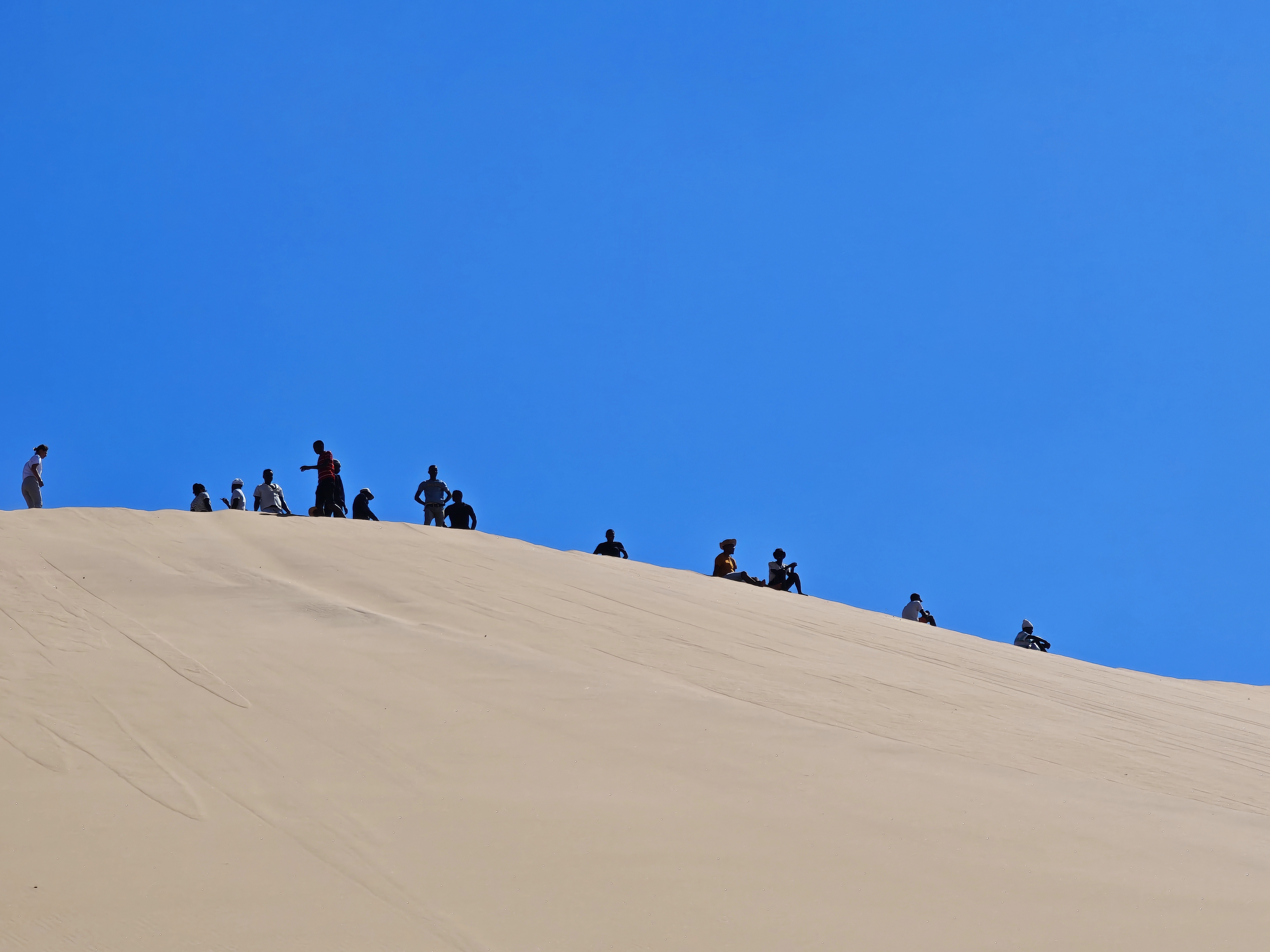
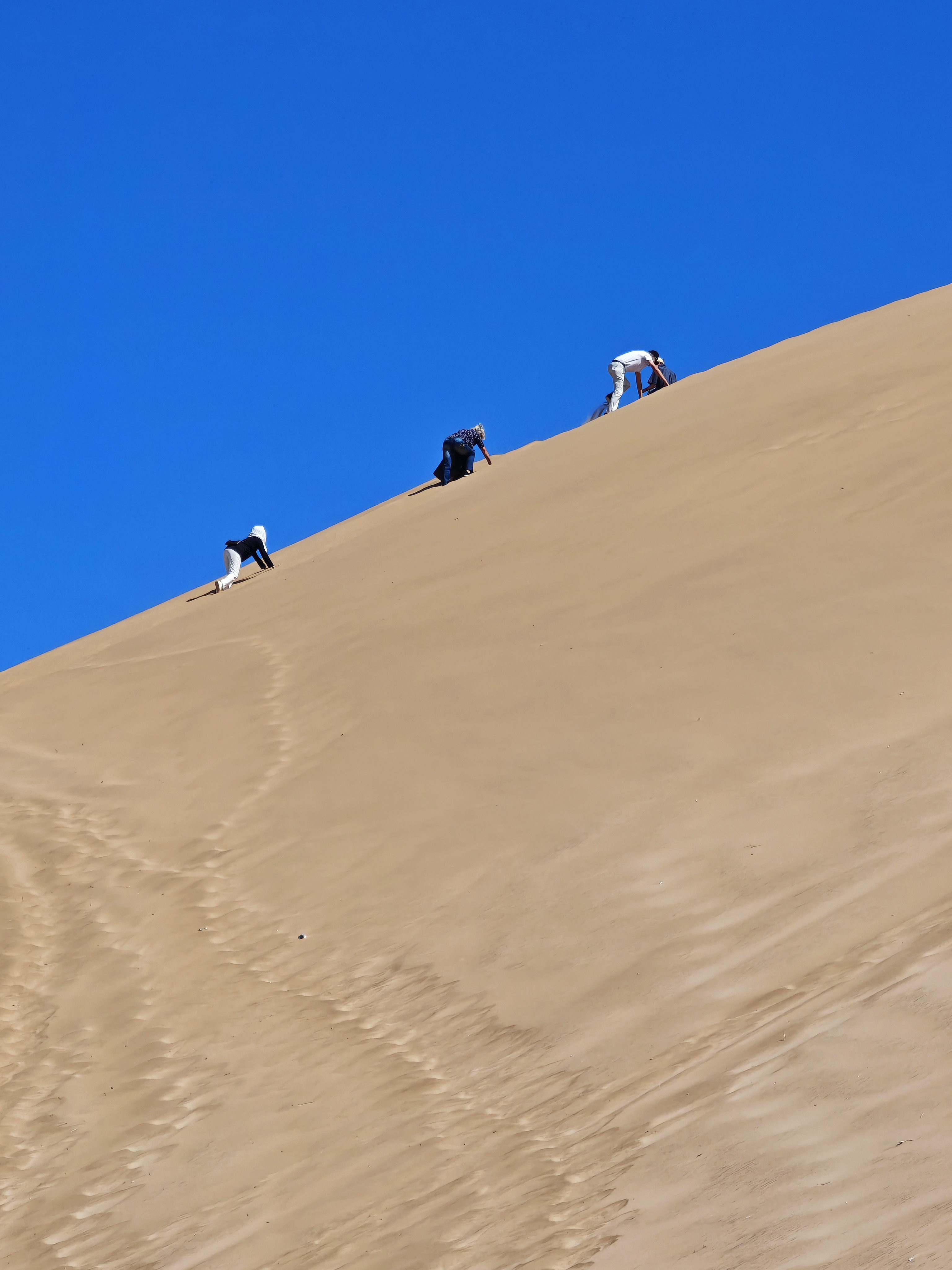
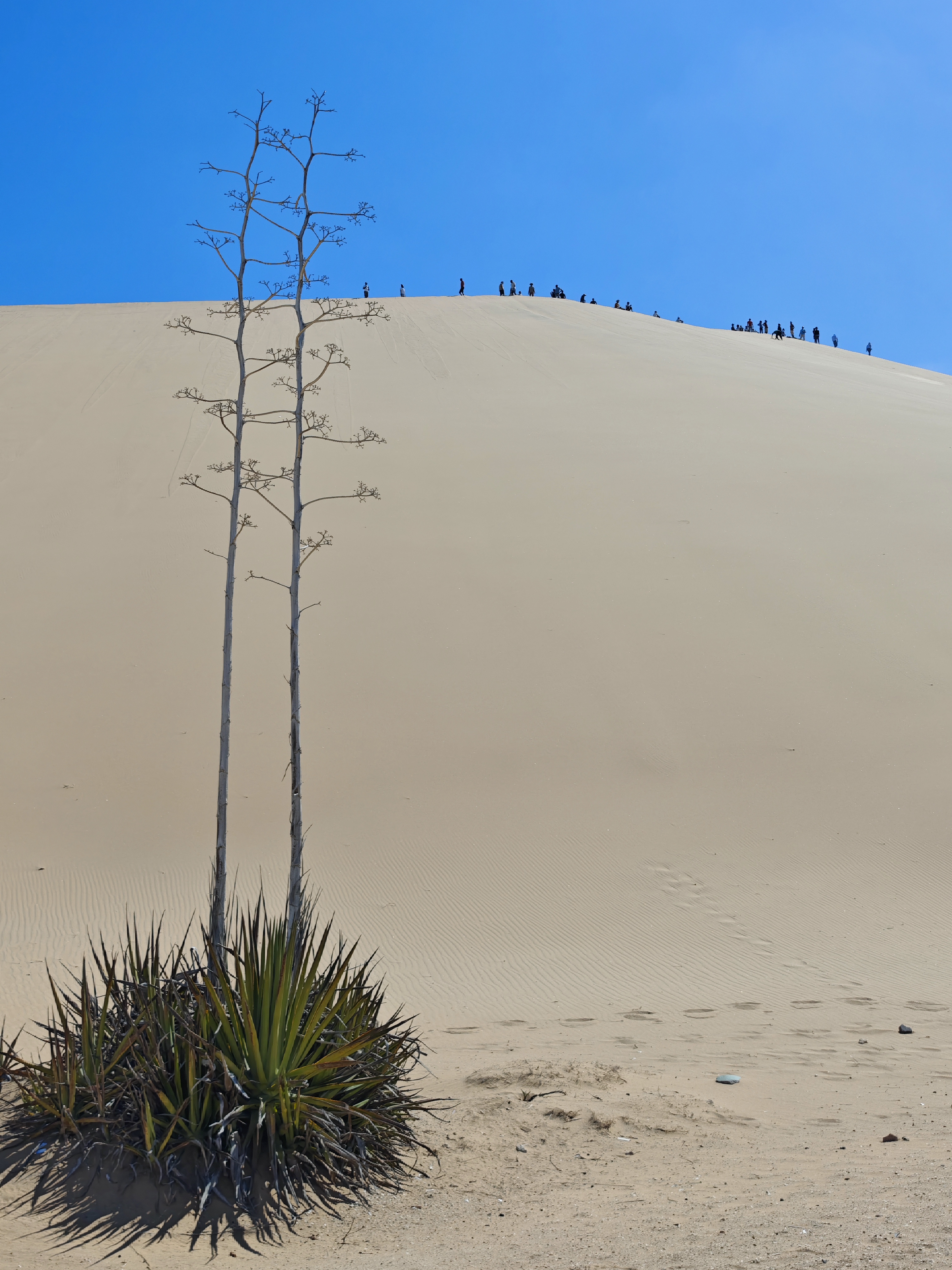
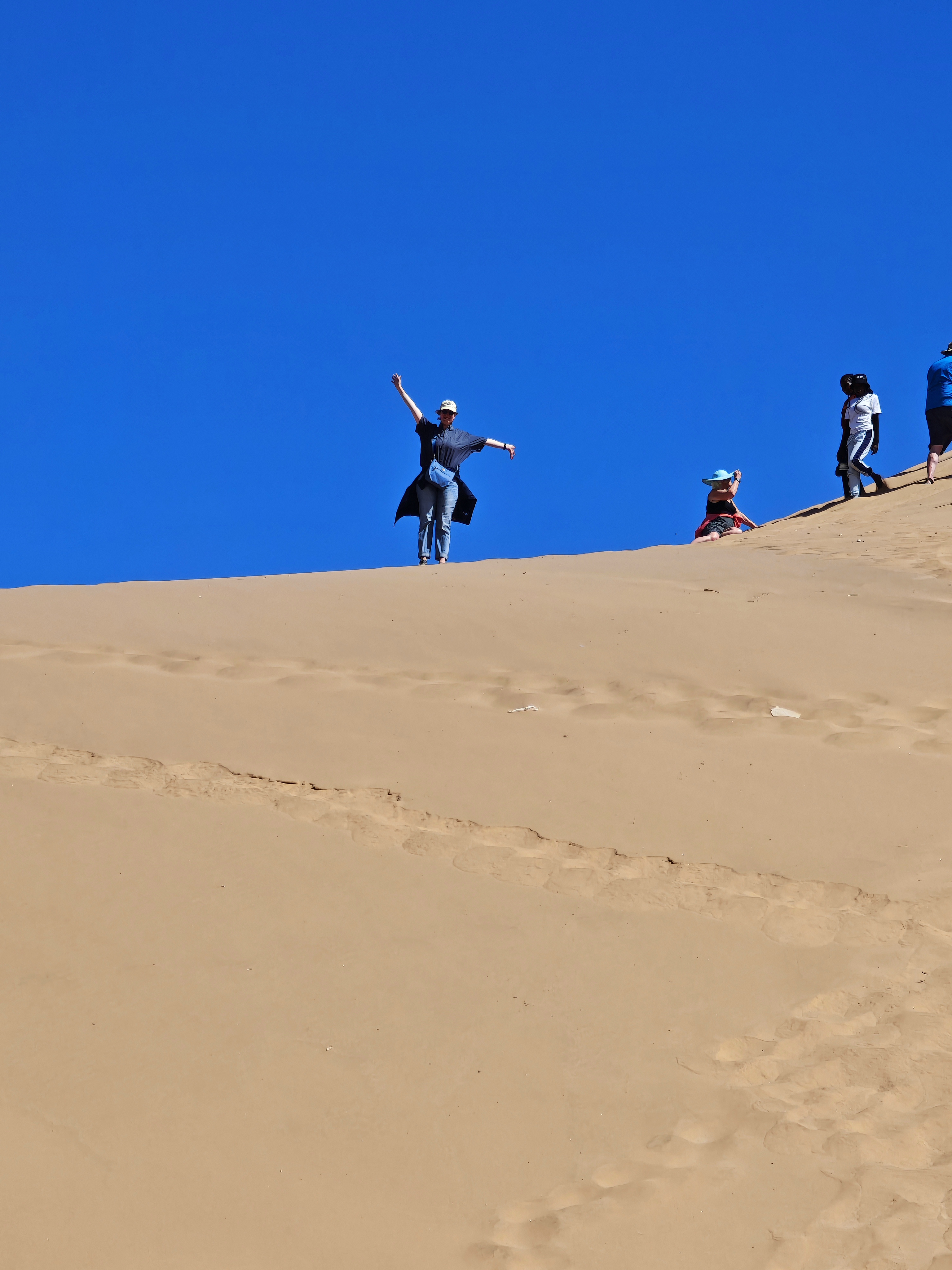
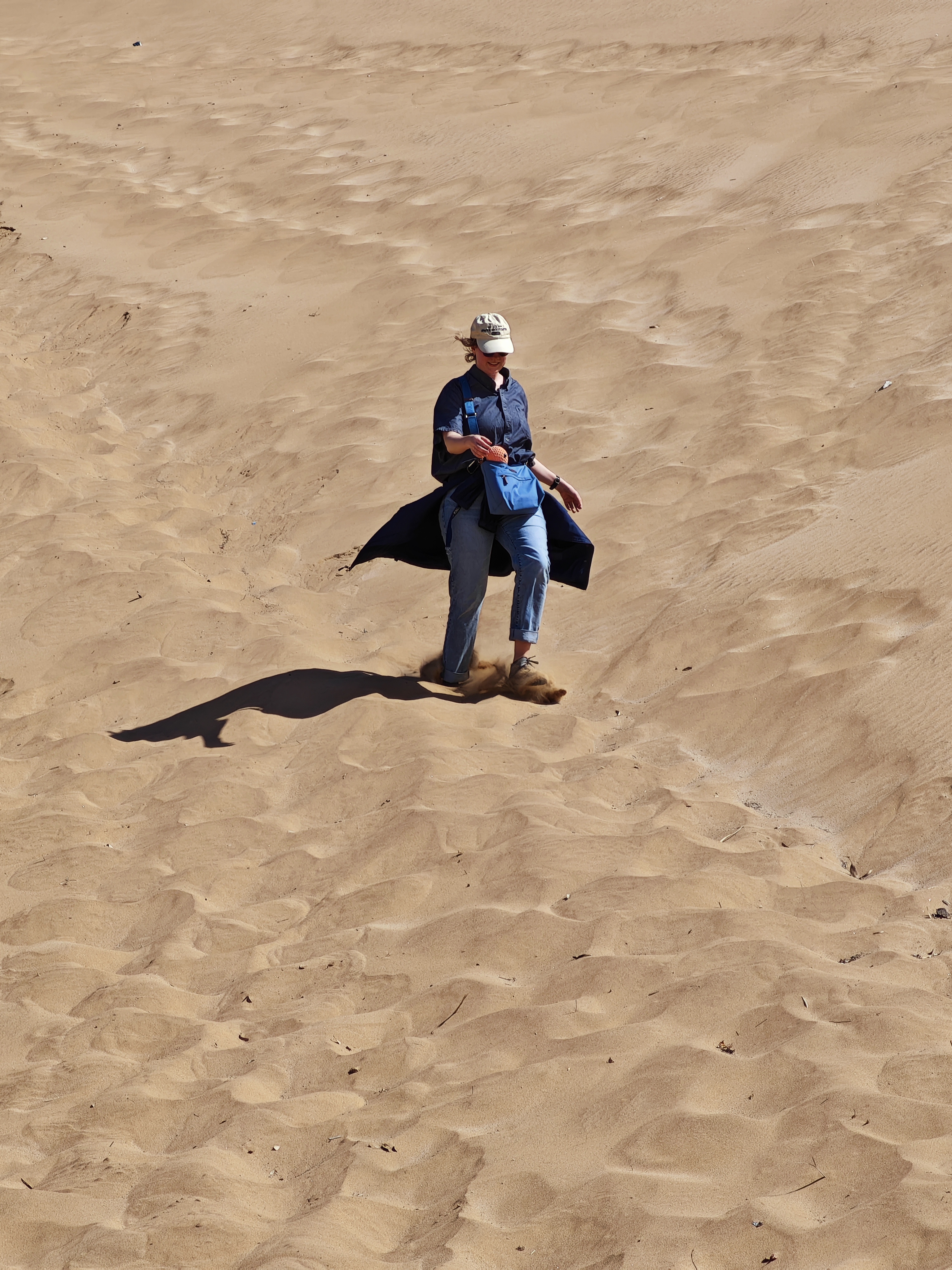
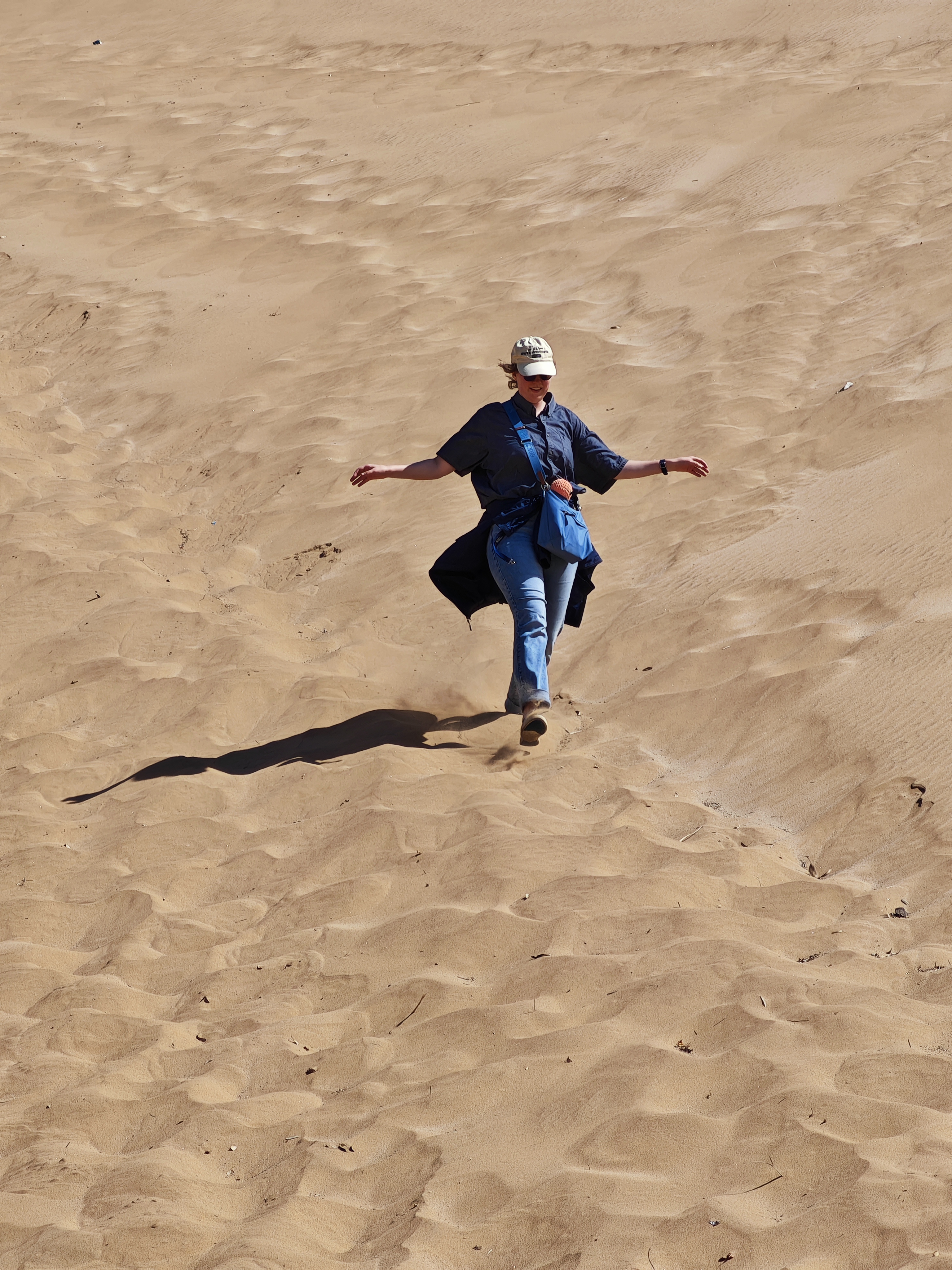
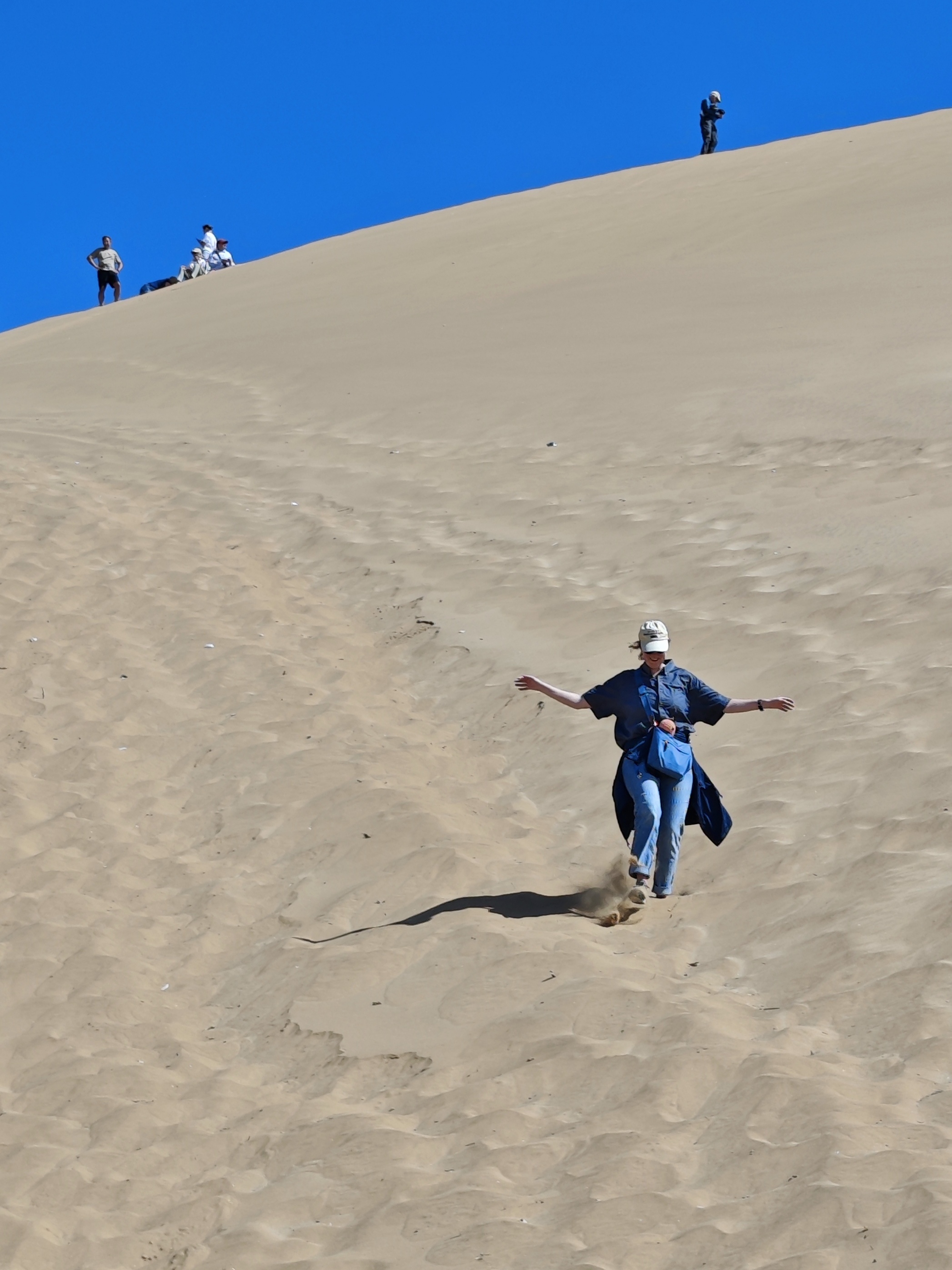
The stop after the few flamingo’s ( when you can’t find them, you paint them!) and salt flats was Dune 7 so named because, well, whatever bus you were on had a different answer. Length of dune? Distance from coast? Seventh dune from the Tsauchab River? Seven KM from a military base? You name it there was a different definition! It is the highest dune for sure in Nambia and the 8th tallest in the world at 1,256ft. Larkin and others made their way to the top from the easier section on the left. Classes of students went straight up and the beautiful silhouettes were incredible on the top! I knew my knee wasn’t quite ready for that trek!

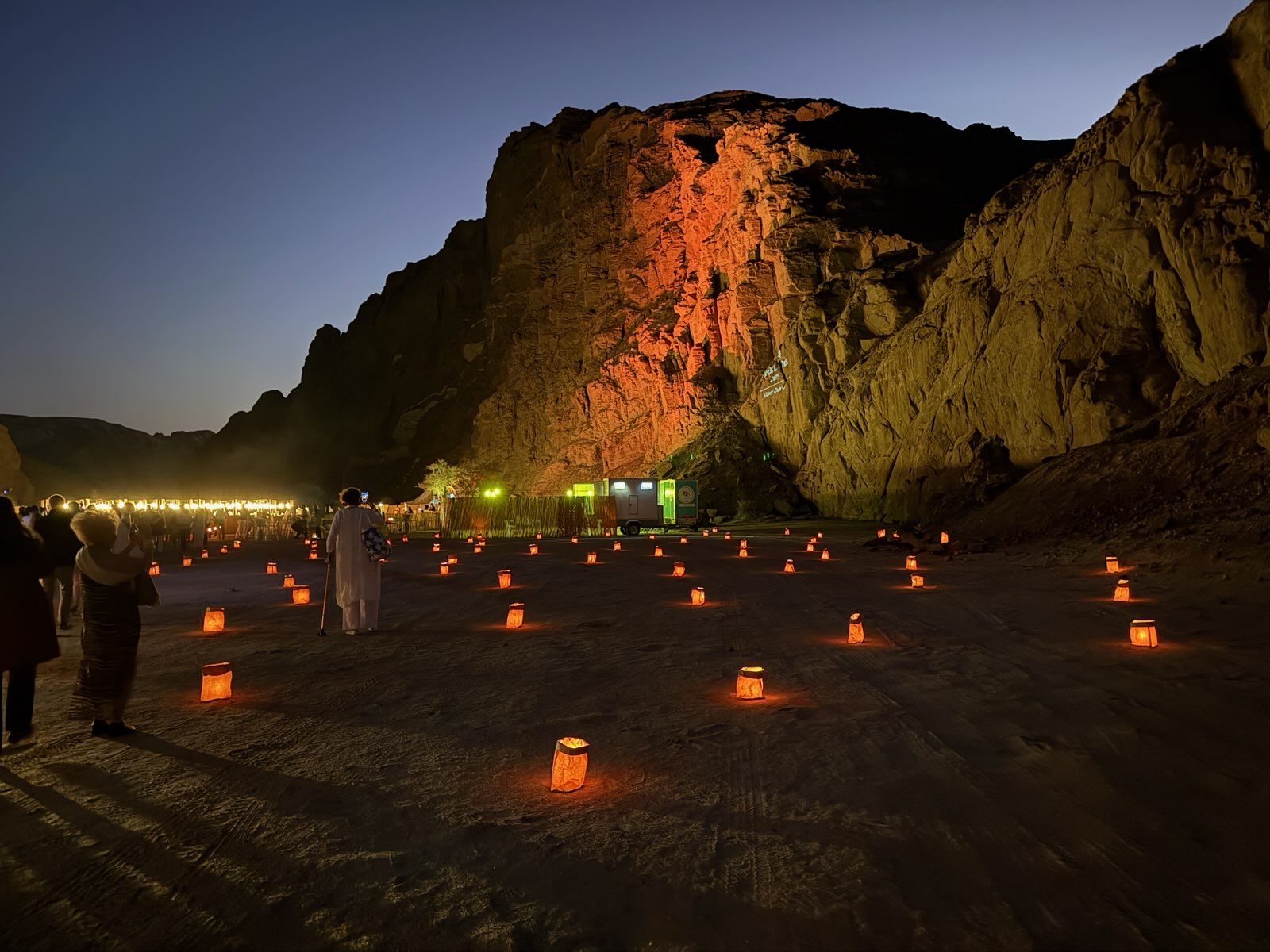
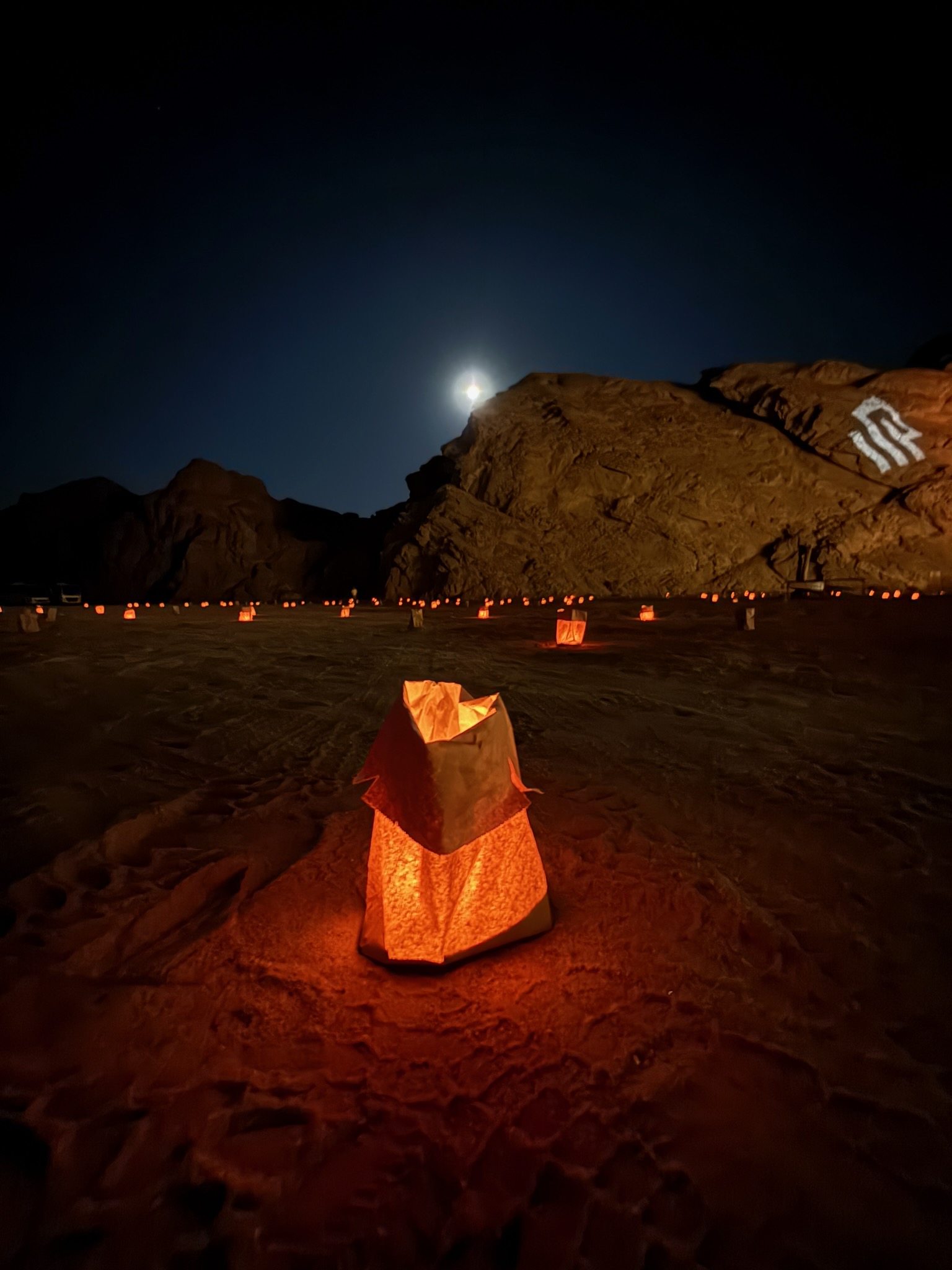
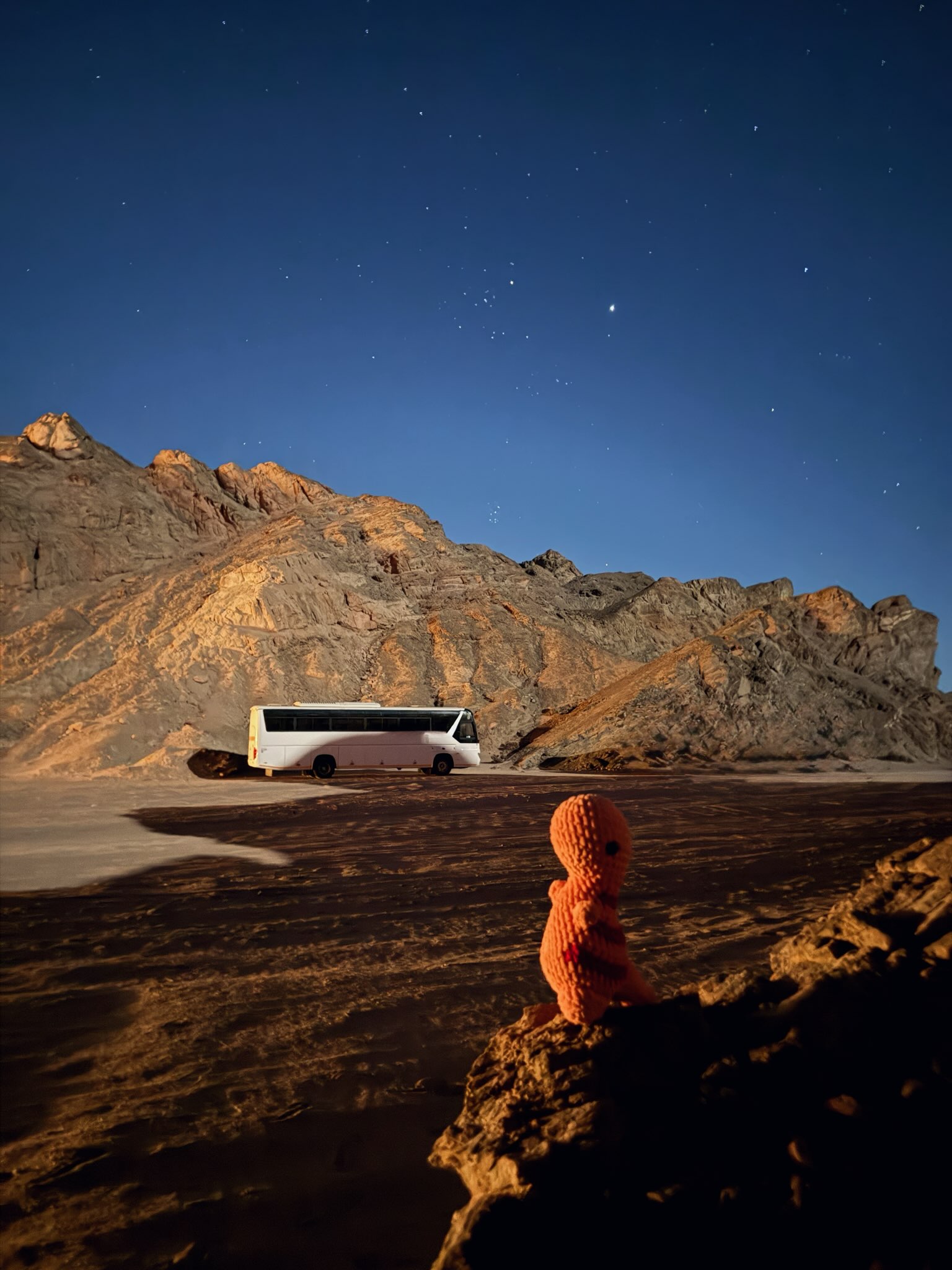
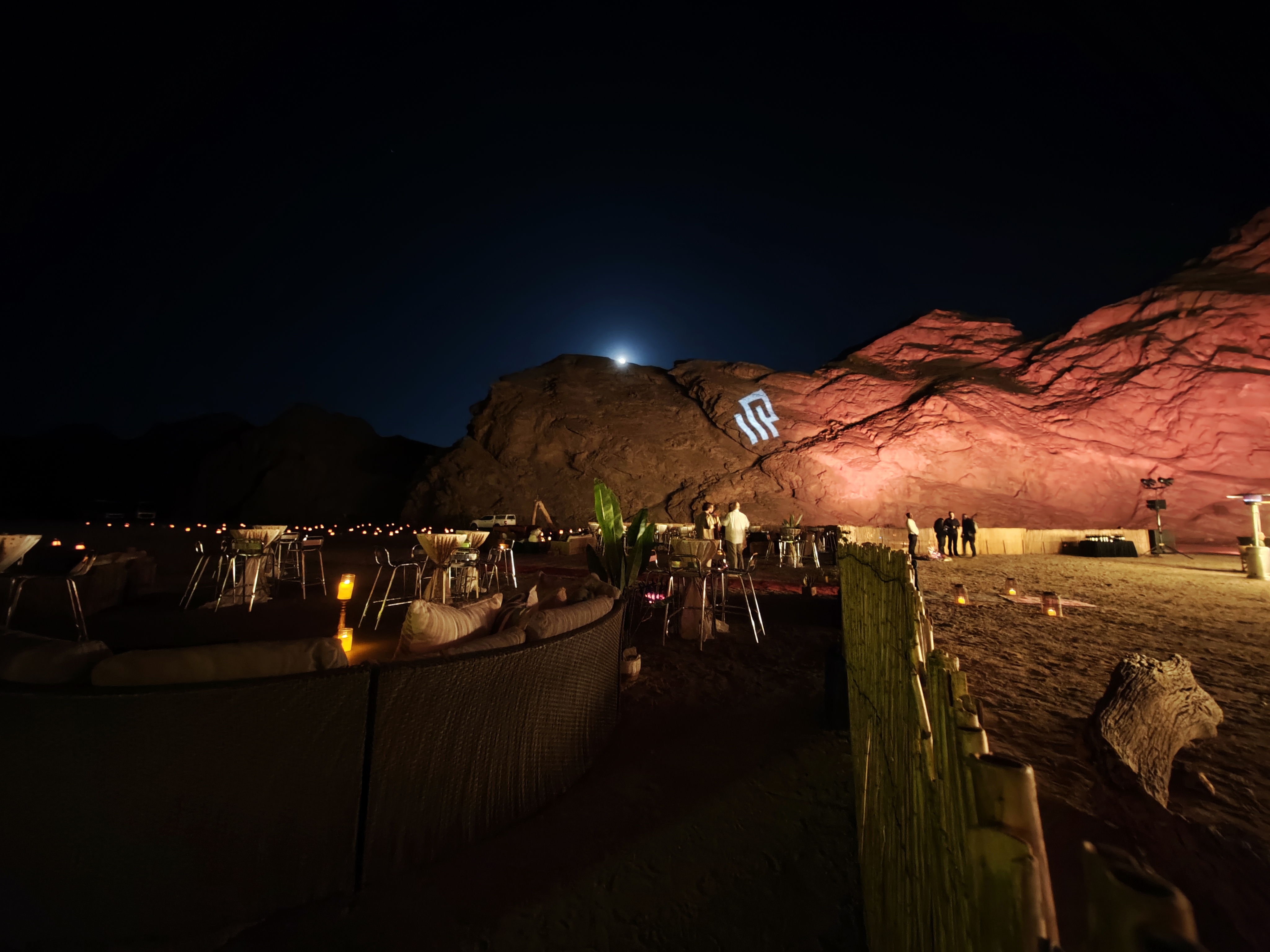
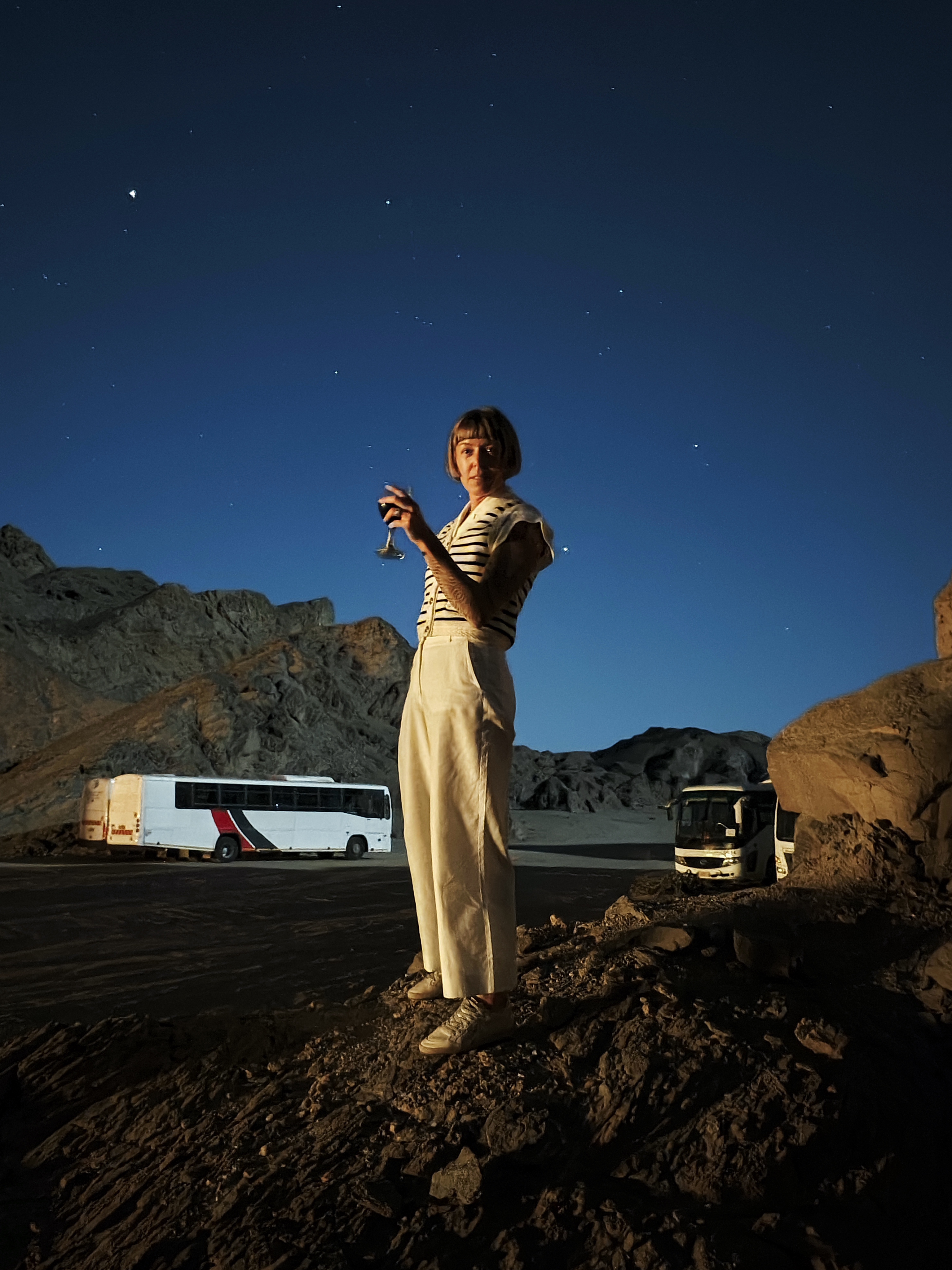
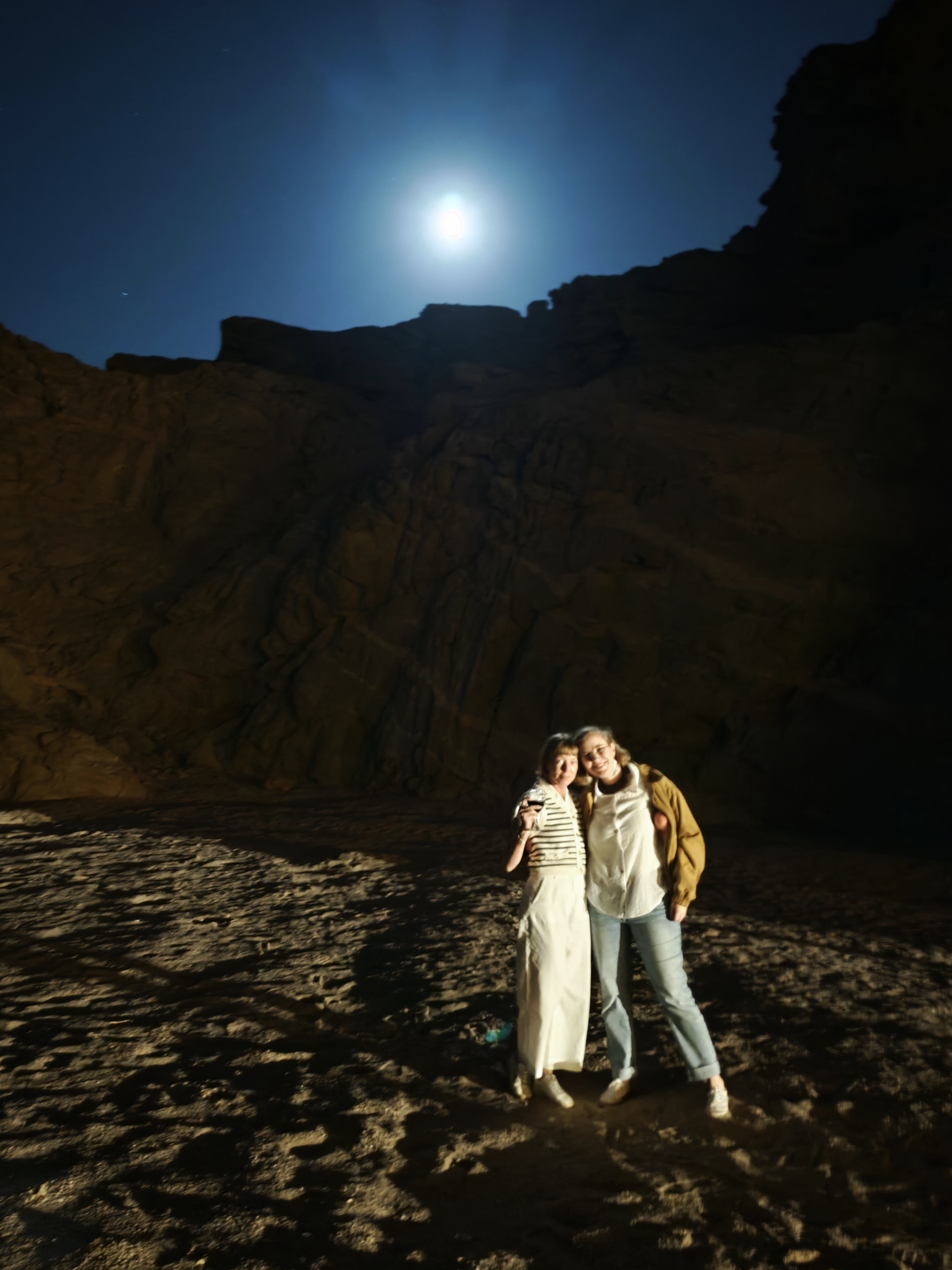
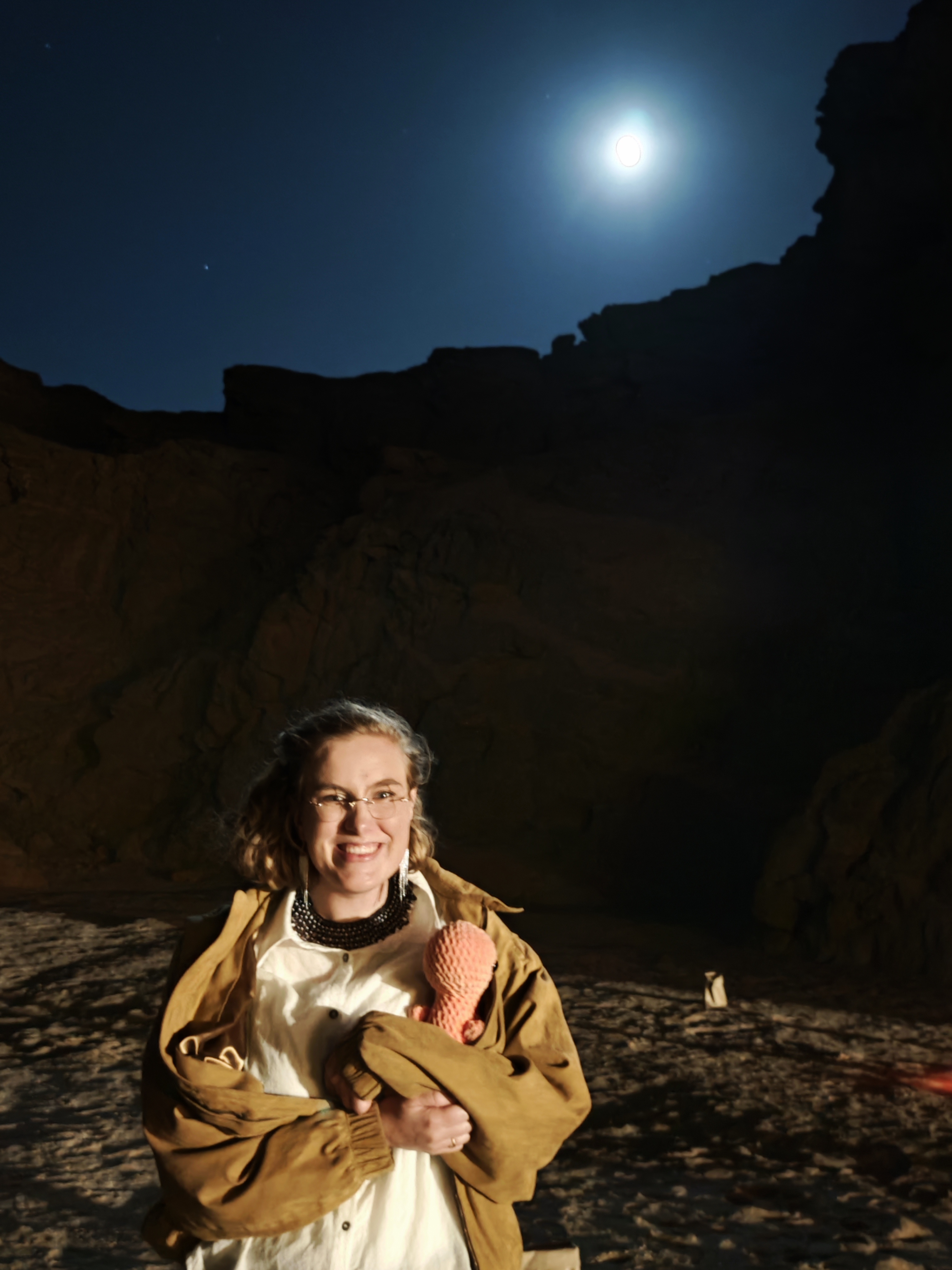
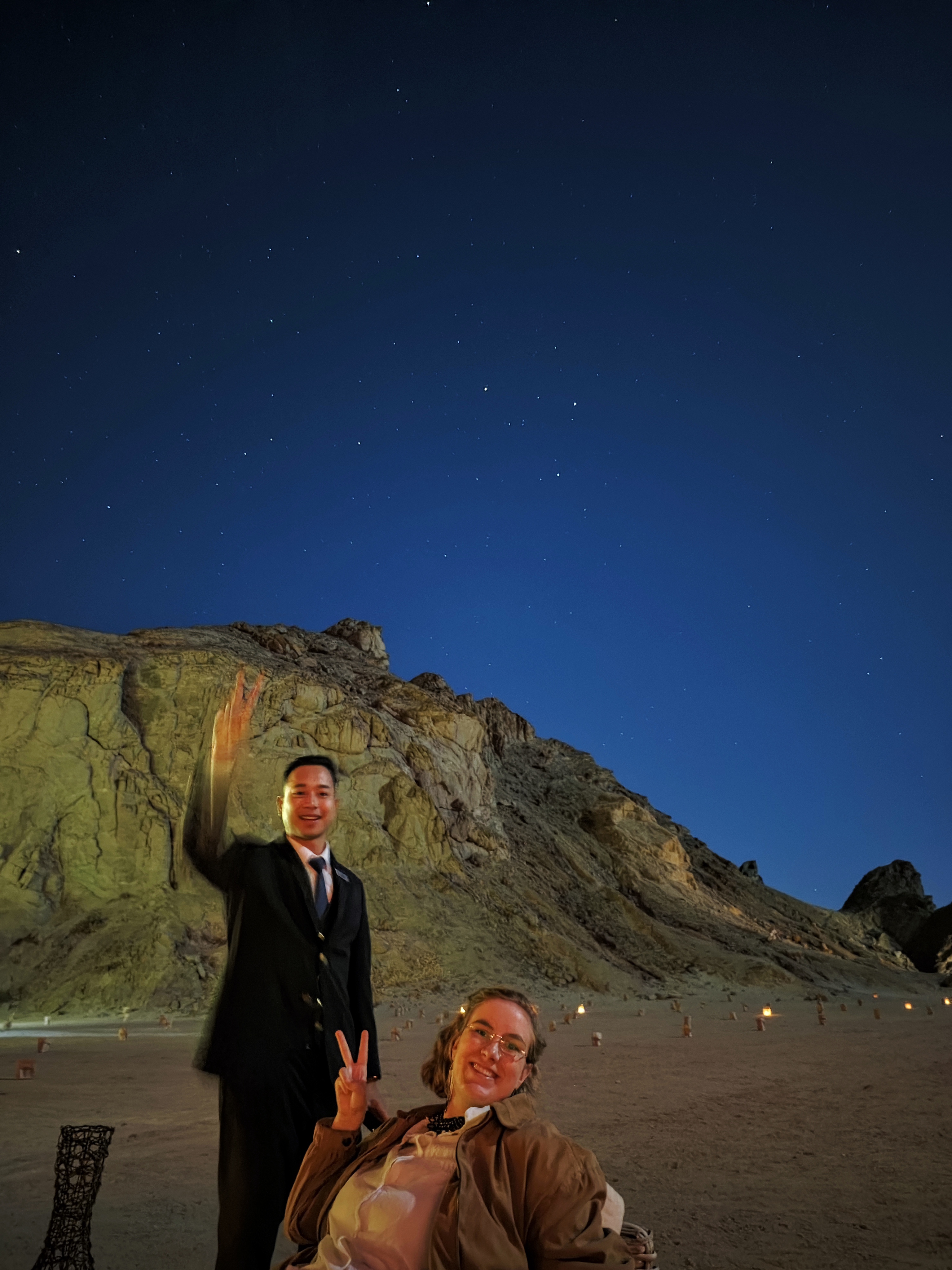
That evening in Walvis Bay was our event to the desert with the World Cruisers. The problem was supposedly it was windy and they wouldn’t/couldn’t put up a tent near dunes in the desert so the venue had changed to the canyon where Mad Max was filmed in 2012. Unfortunately the film crew left scars on the desert landscape. Sadly, the buses took 30-45 minutes longer to get there down a scary dirt road into a canyon! We all wished we’d have arrived earlier in the daylight not the last of dusk and the food came out sooner. The moon did crest over the cliff and lit up the other side of this narrow valley. Nice portable ablution places which reminded me of the porta potty’s at the Napa Wine Auction. Dressed up as nice as they could be!
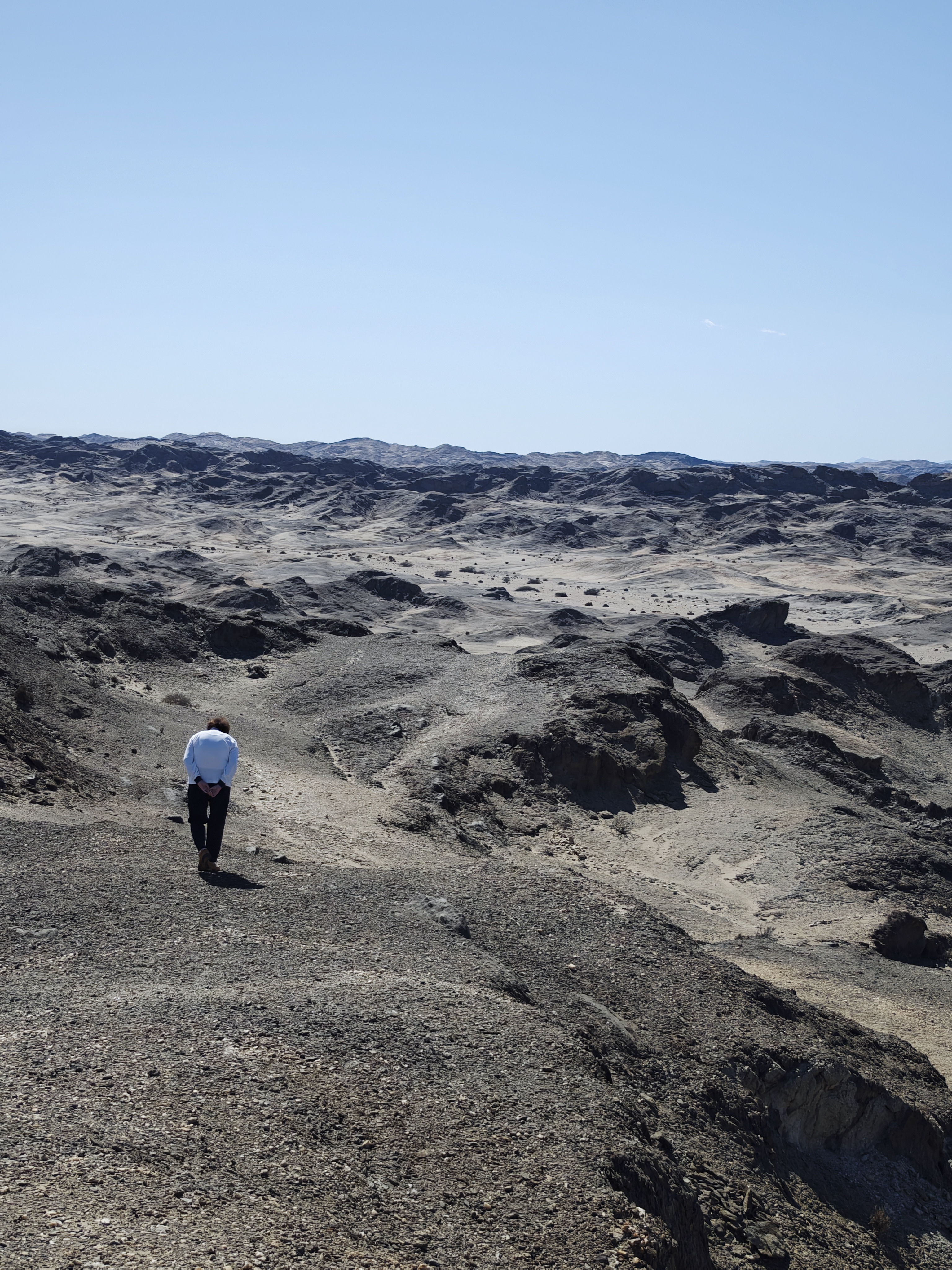
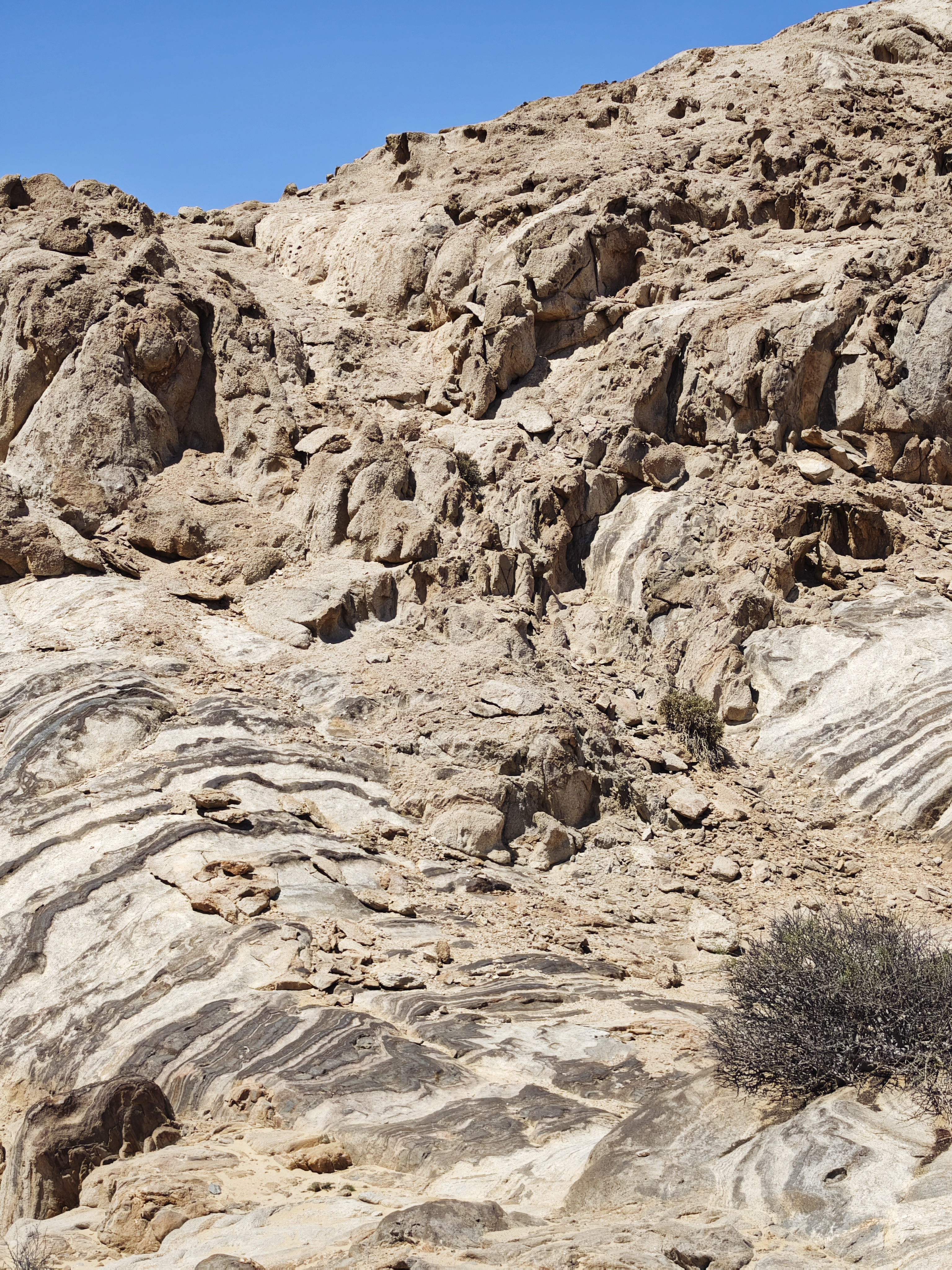
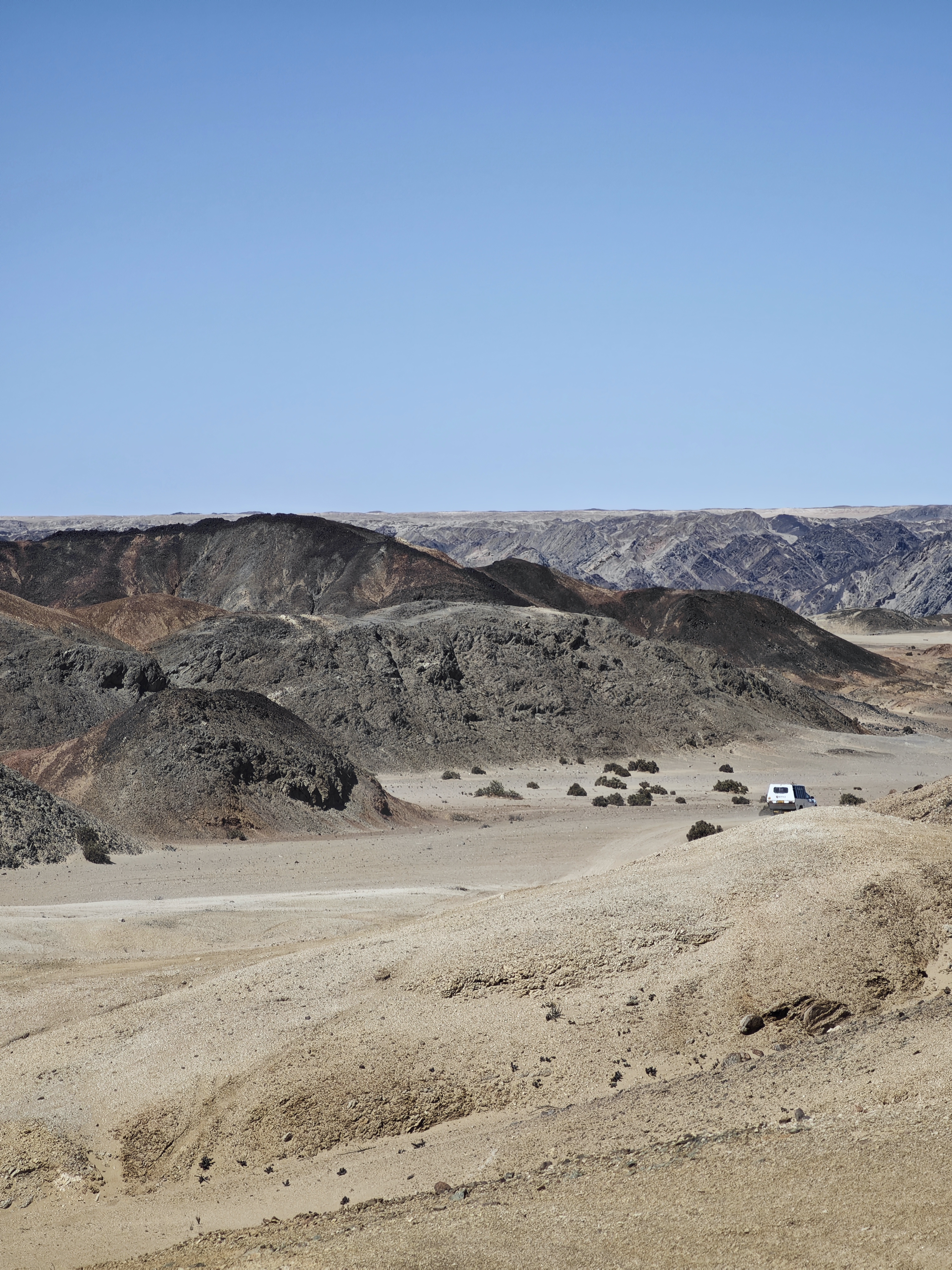
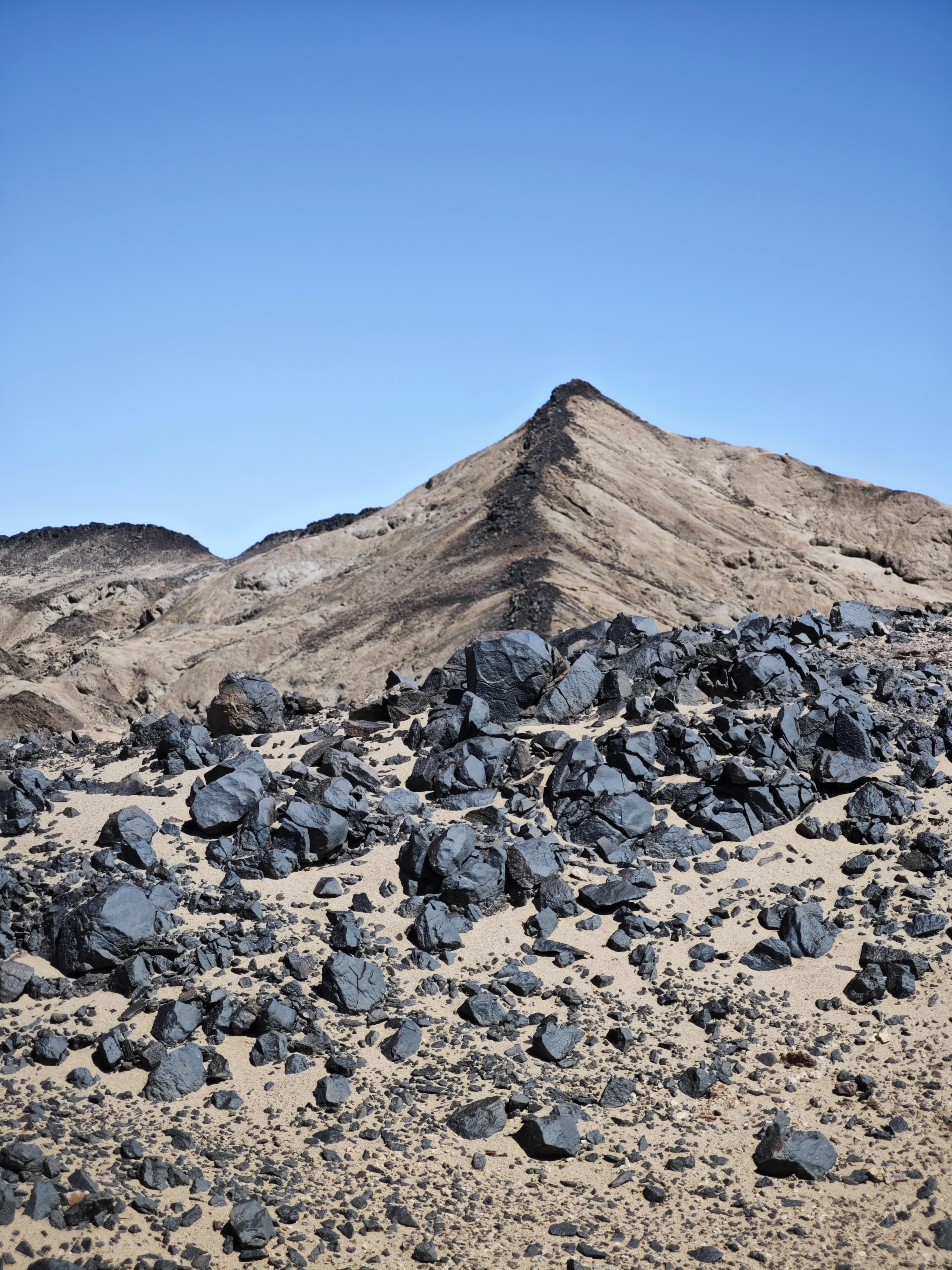
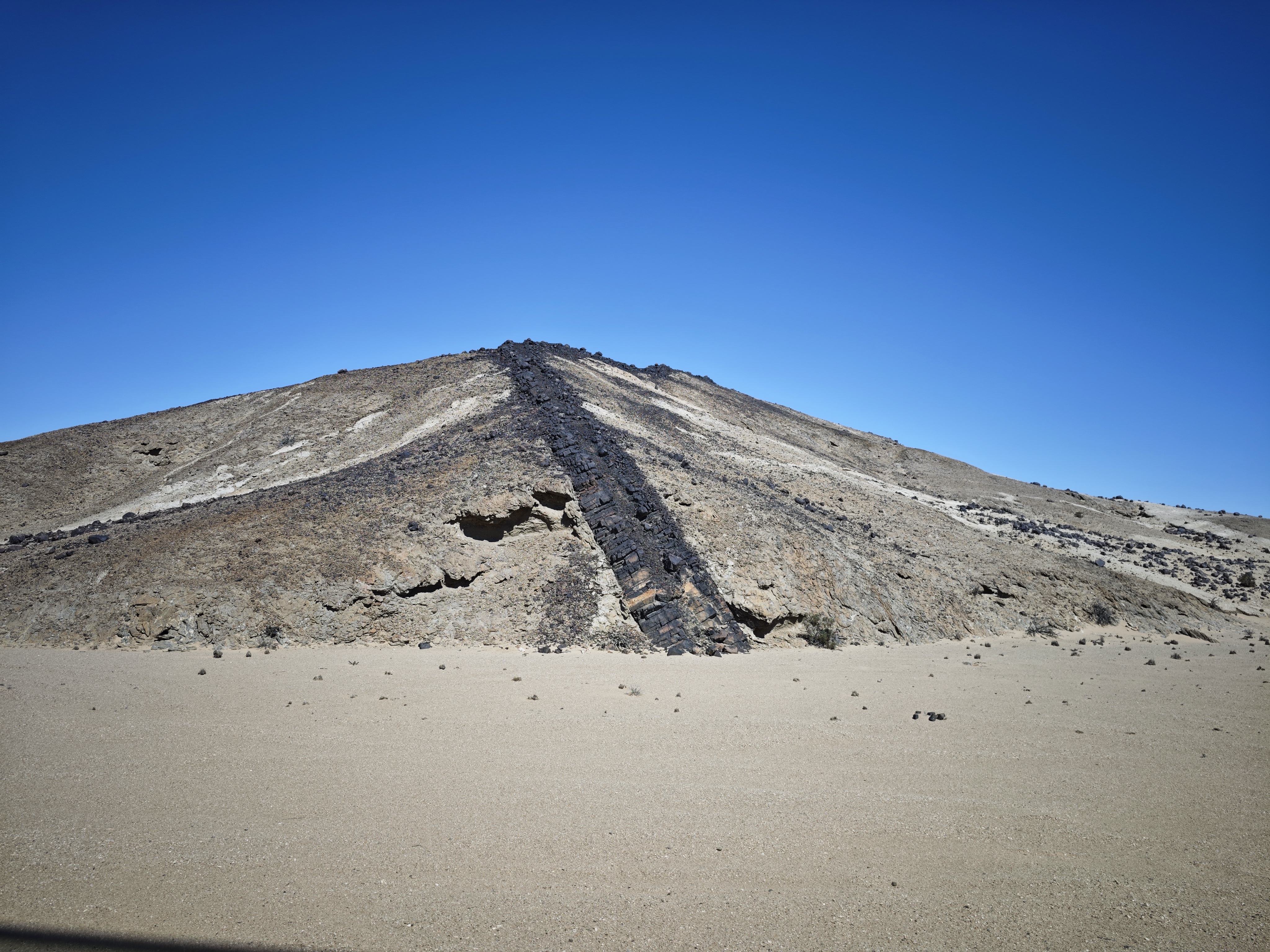
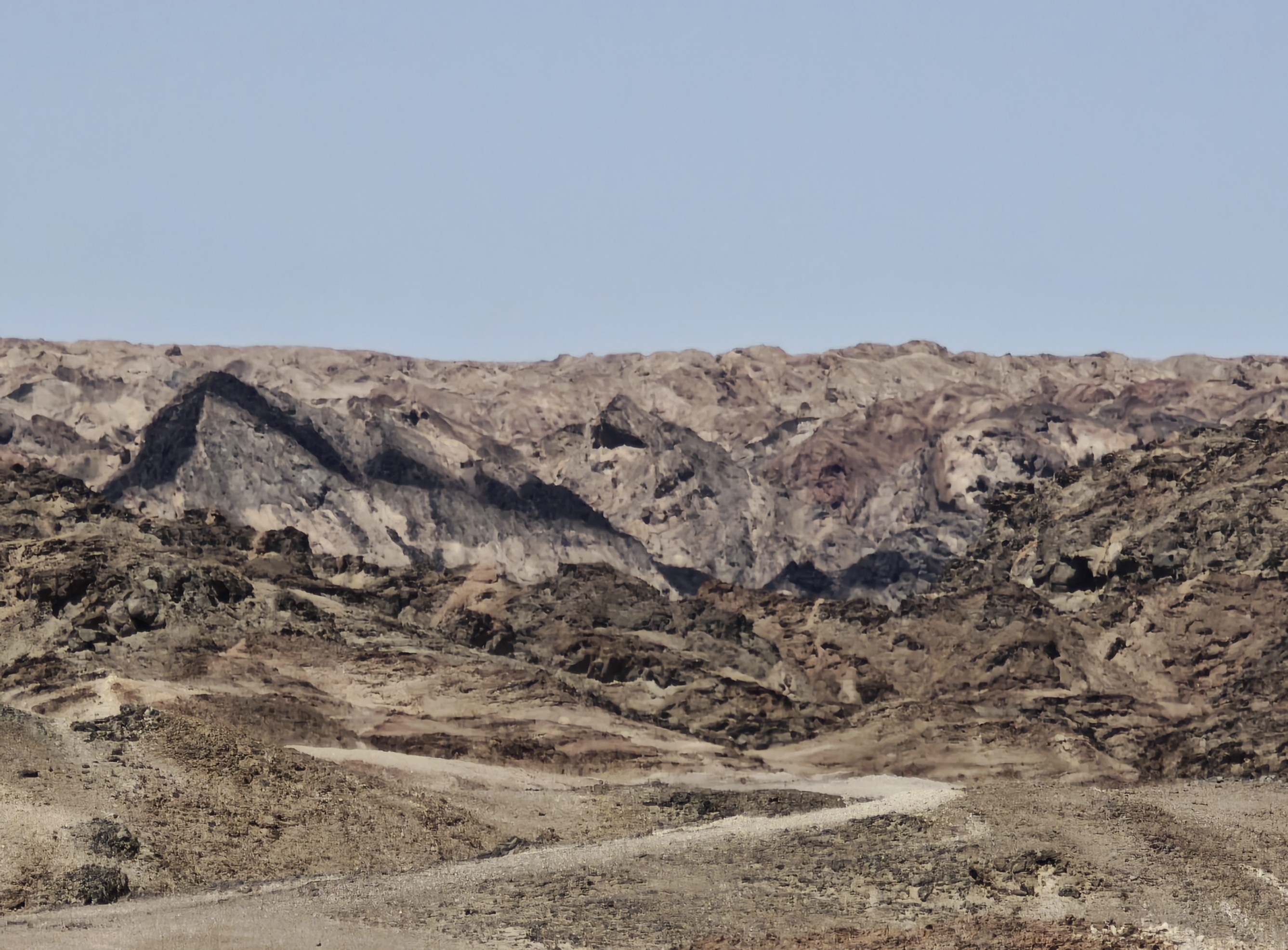
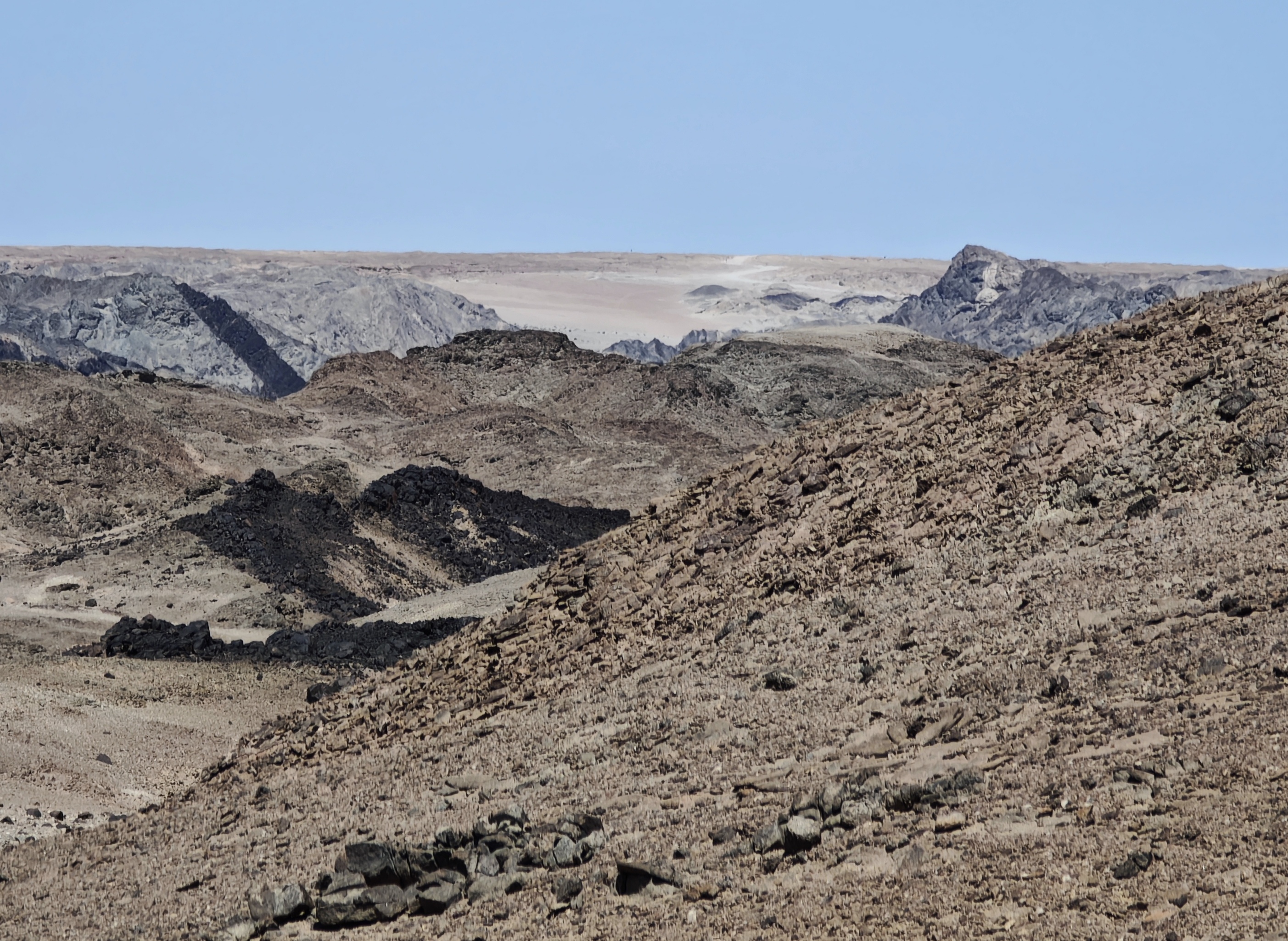
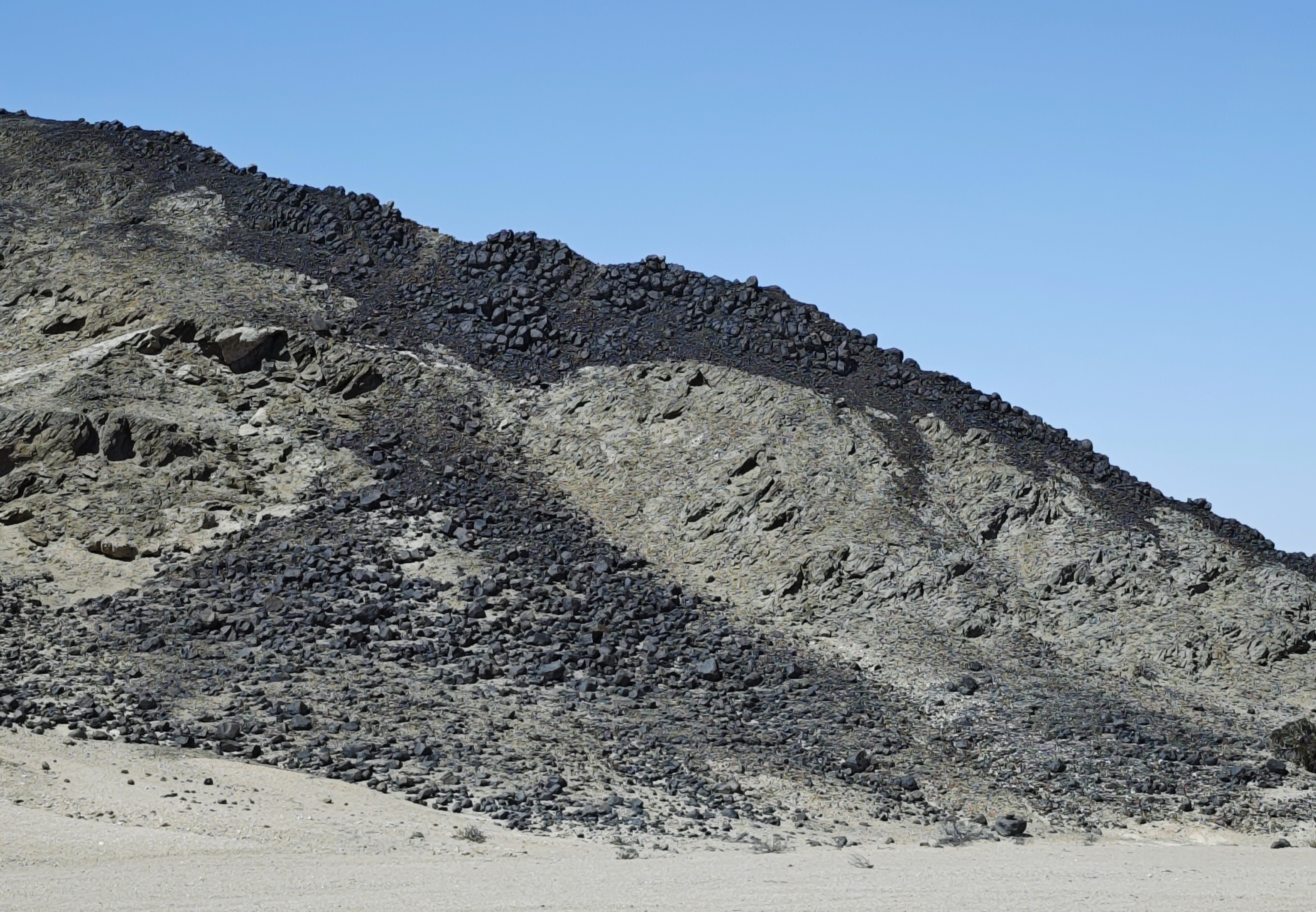
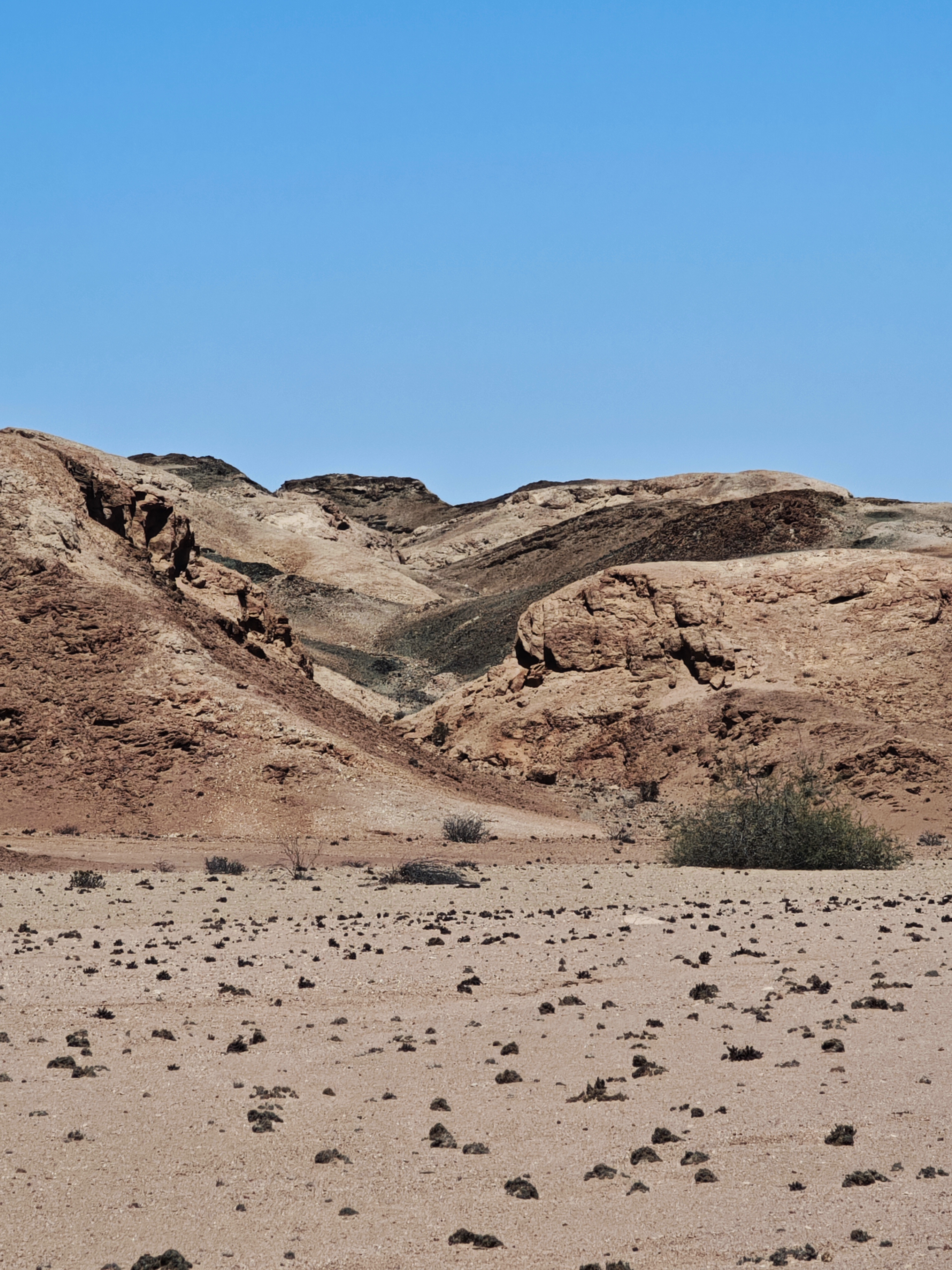
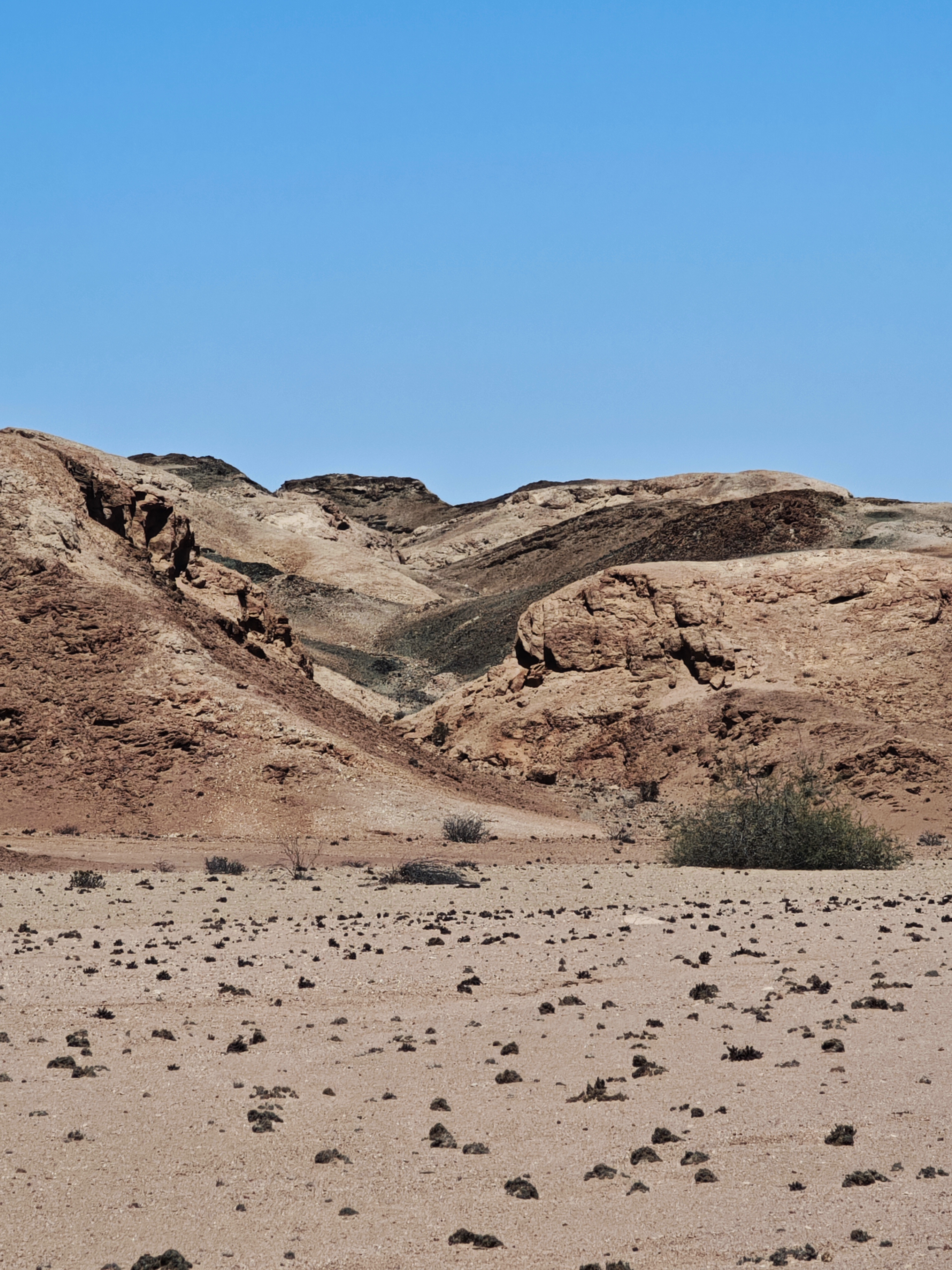
The next morning we did a 4 x 4 trek in the desert with about six in each vehicle. We had a driver…others had a naturalist. There of course we’re incredible geology outcrops to soak up for us geologists and plenty of plants and insects to look closely at.

Amid the scorching heat, shifting sands, and minimal rainfall, a remarkable plant has not only survived but thrived for millions of years. This is Welwitschia mirabilis, a true “living fossil” and one of nature’s greatest survival stories.
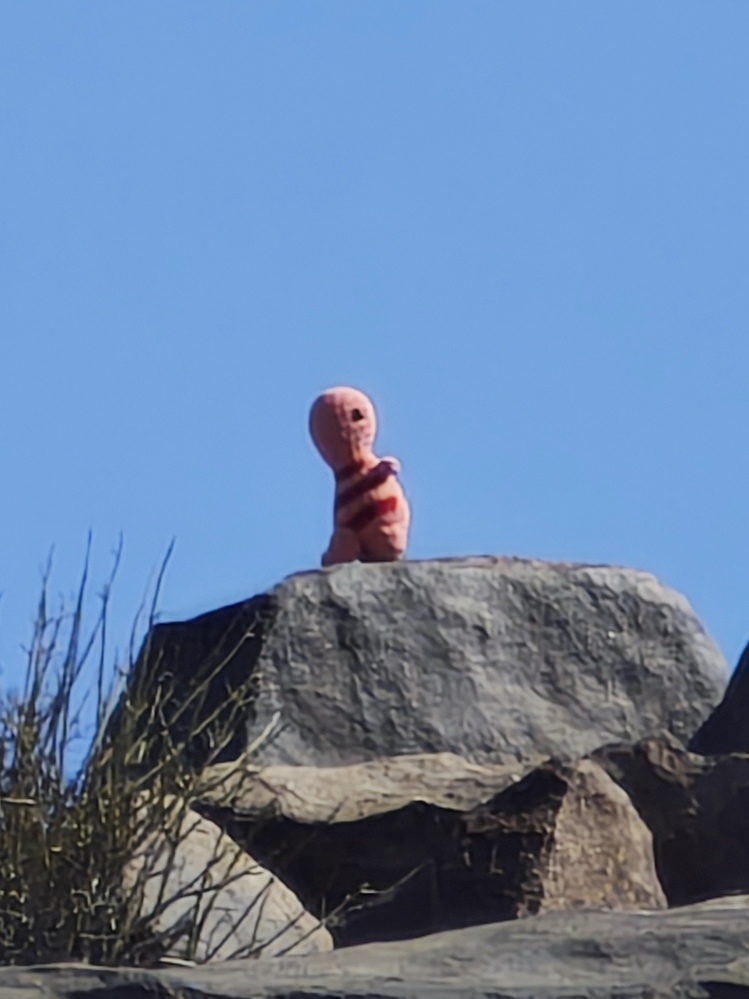
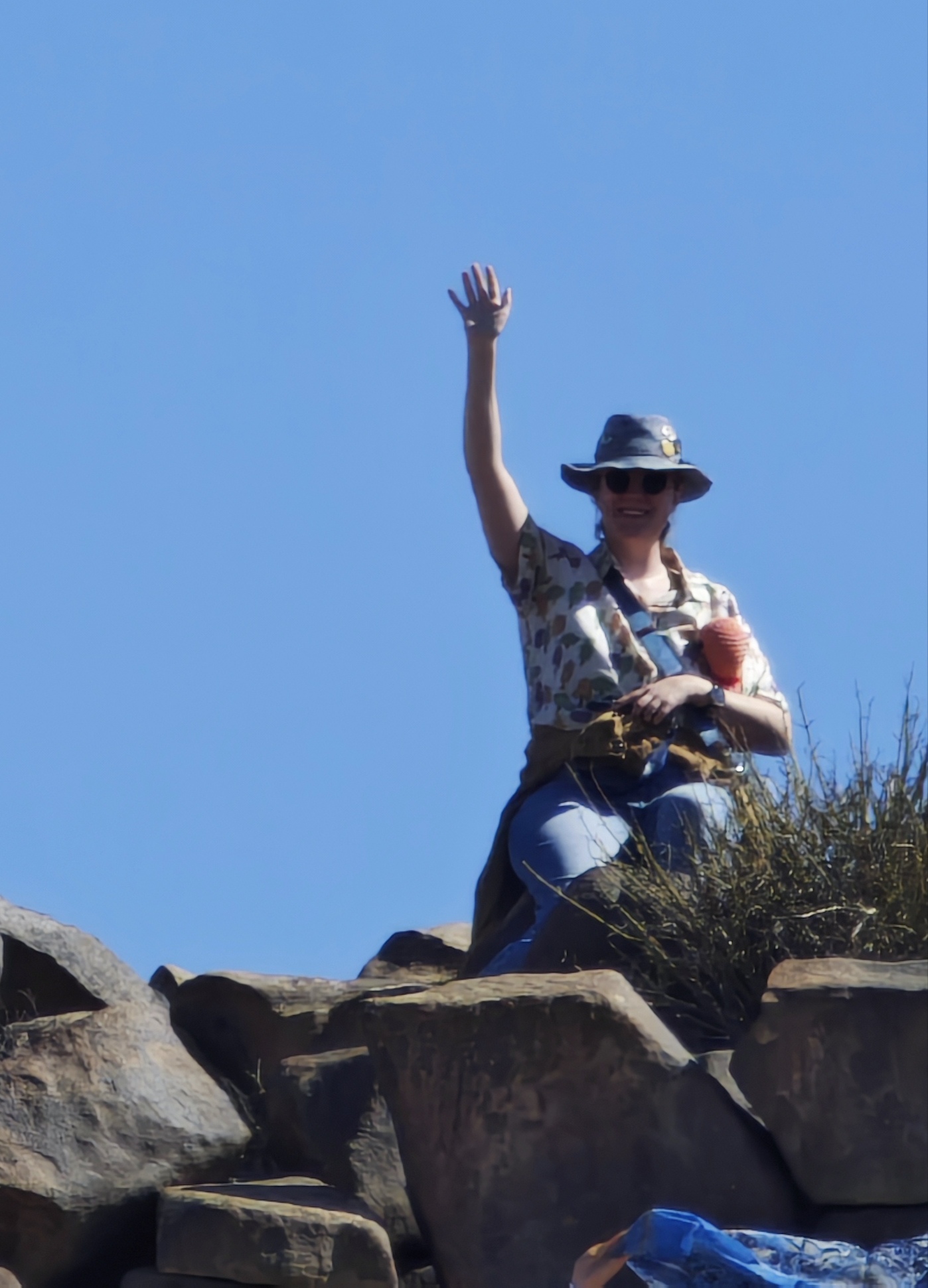
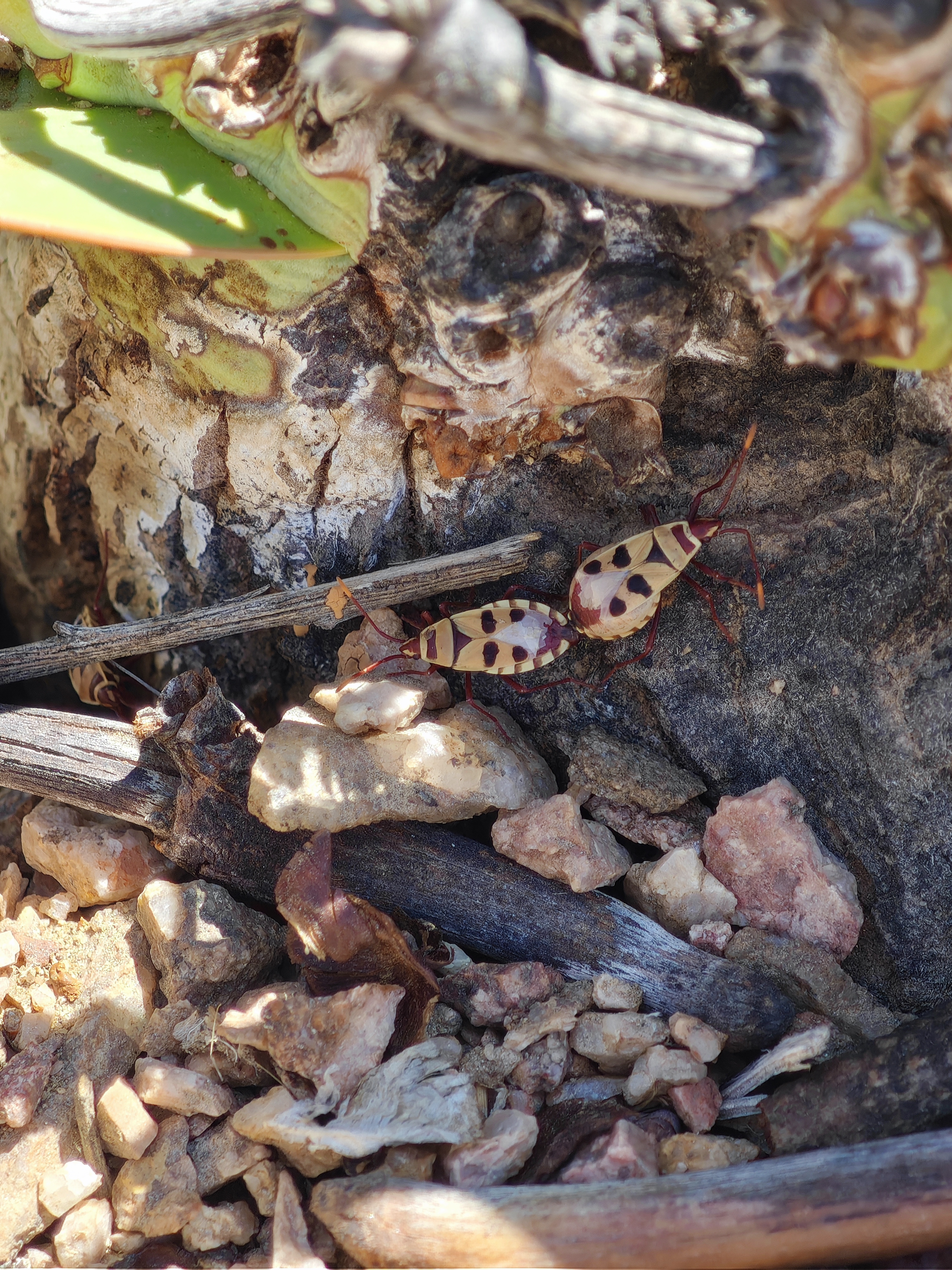
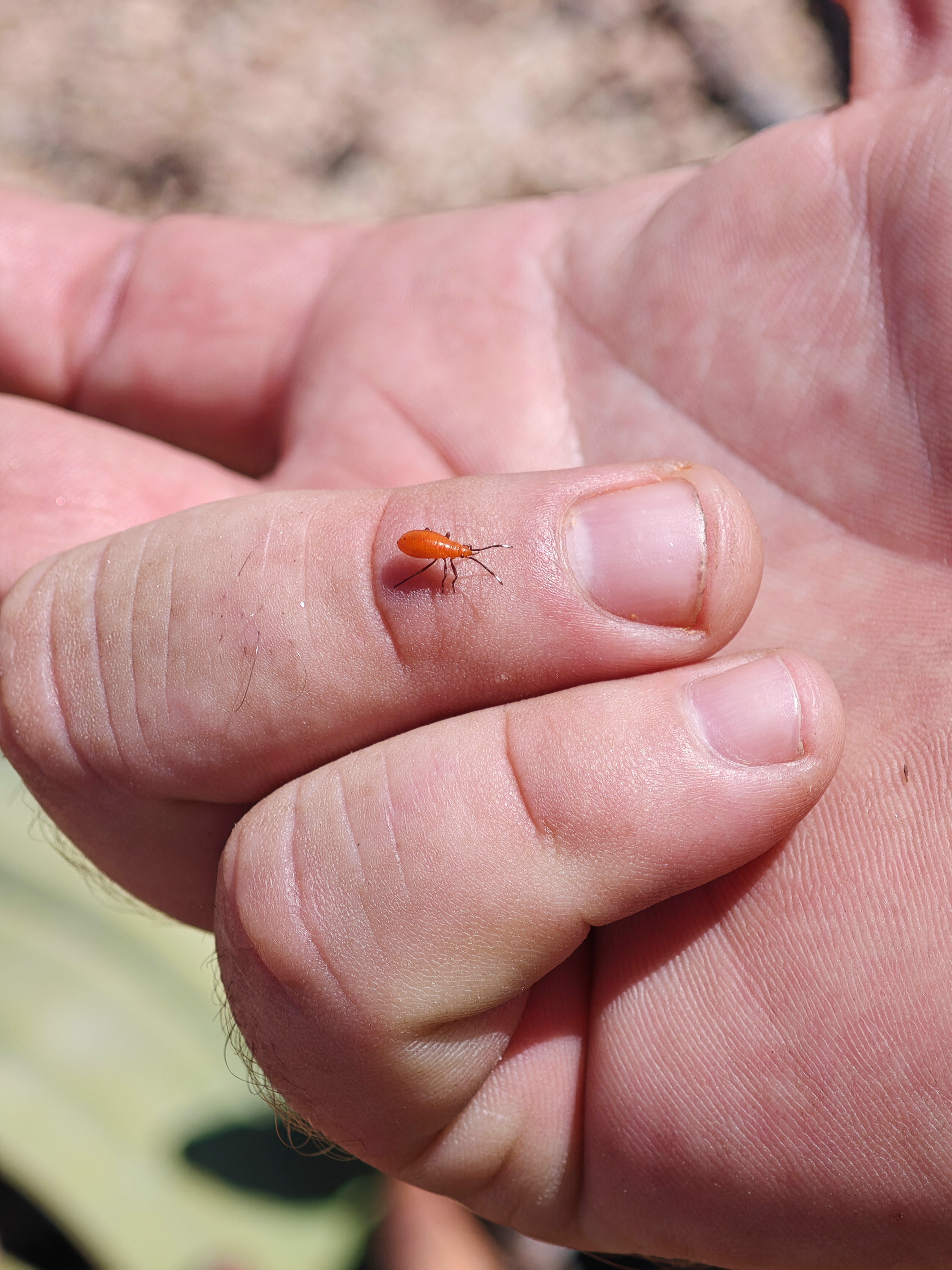
Welwitschia is often referred to as a living fossil because it belongs to a plant lineage that has remained largely unchanged for over 100 million years. Scientists believe that this plant is a remnant from the Jurassic period, when the Earth’s climate was vastly different from today. Despite its ancient lineage, Welwitschia has perfectly adapted to the extreme conditions of the Namib Desert, where temperatures can exceed 40°C (104°F) and rainfall is rare. Not only has it survived for millions of years, but some individual plants are thought to be over a thousand years old, with a few possibly exceeding 2,000 years in age. Probergrothius angolensis, sometimes known as the Welwitschia bug, is a species of true bug found in the Namib Desert and nearby regions. The little orange bug is a baby of the larger bugs enjoying them selves in the photo!
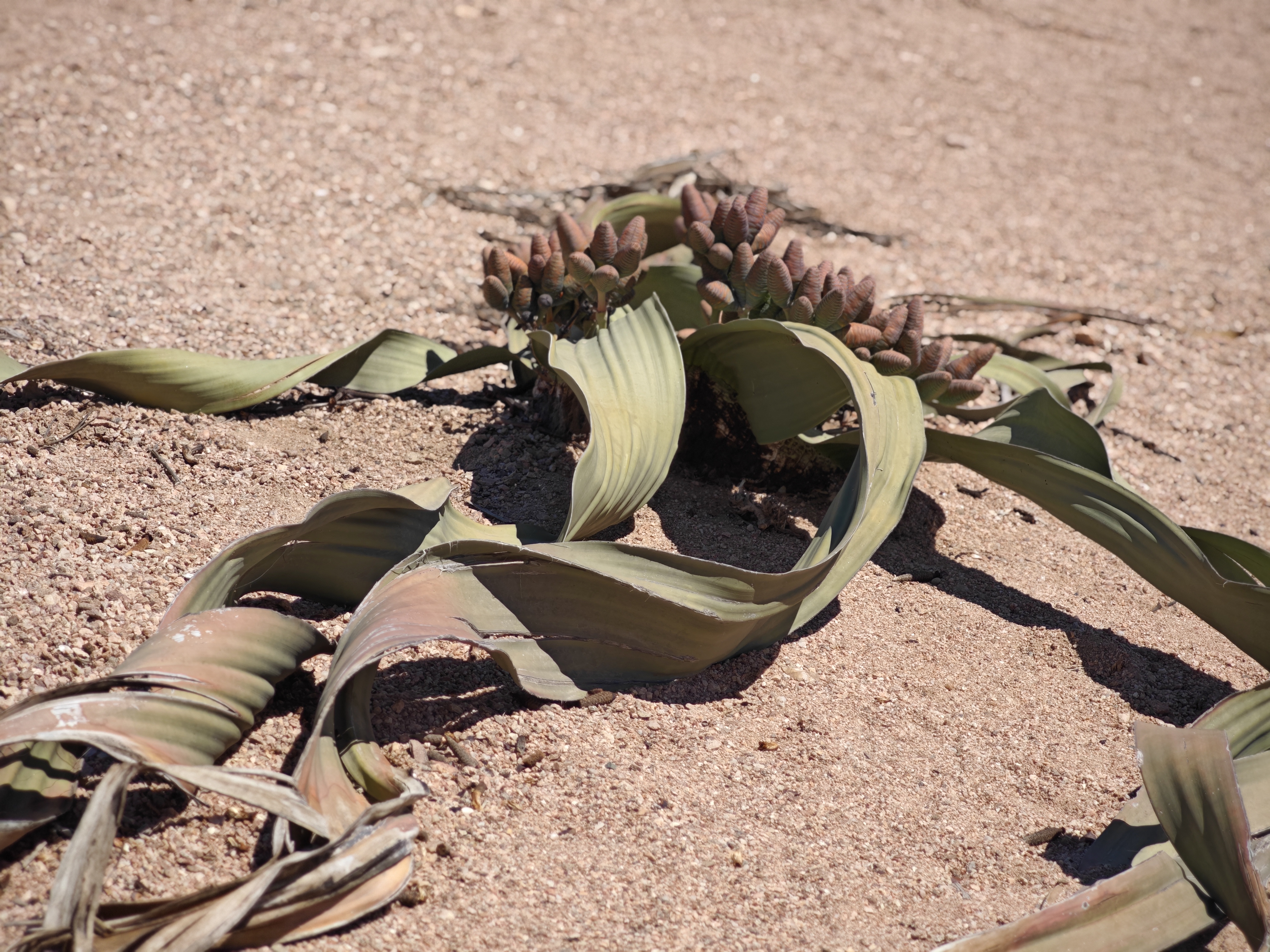

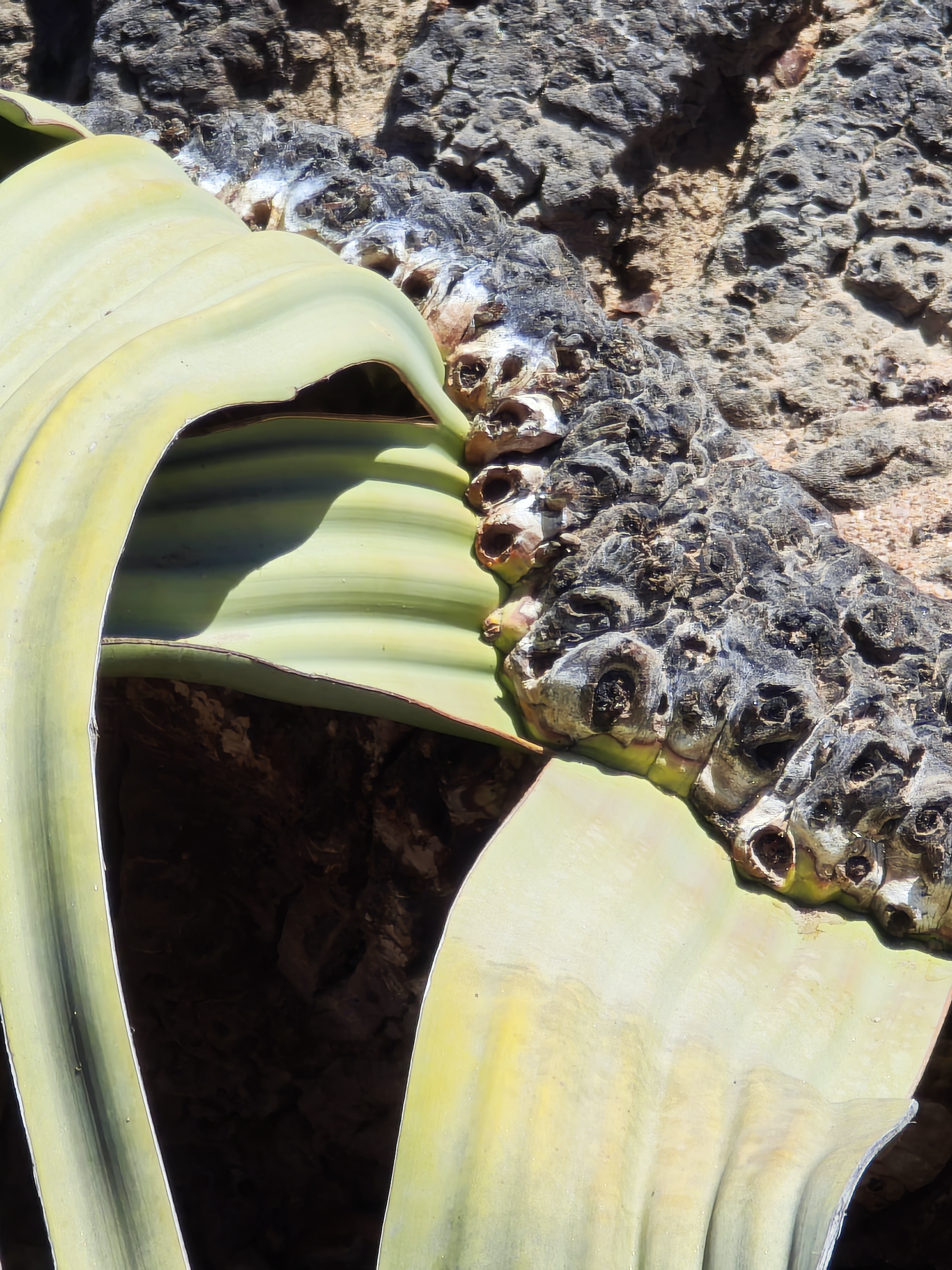
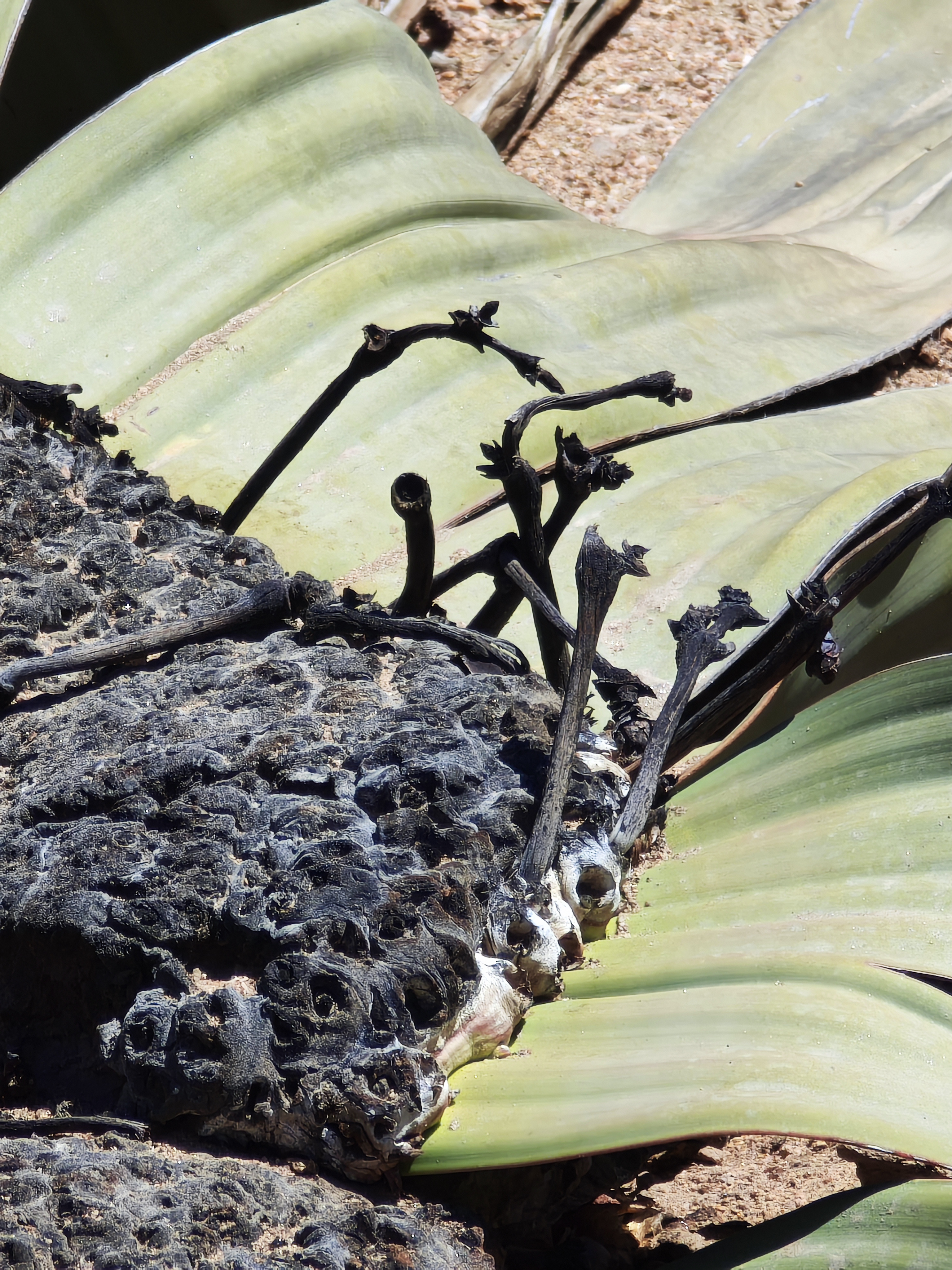
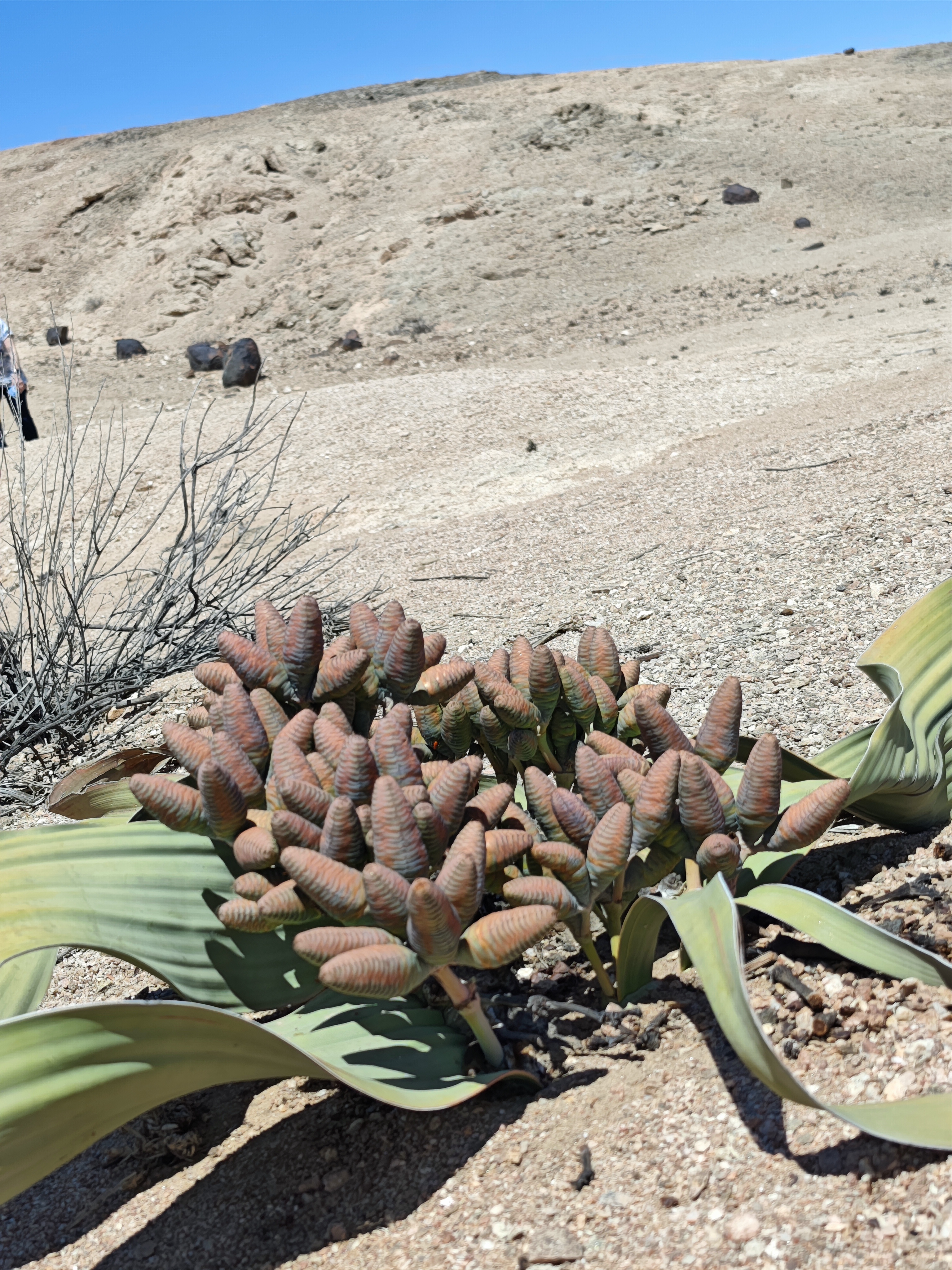
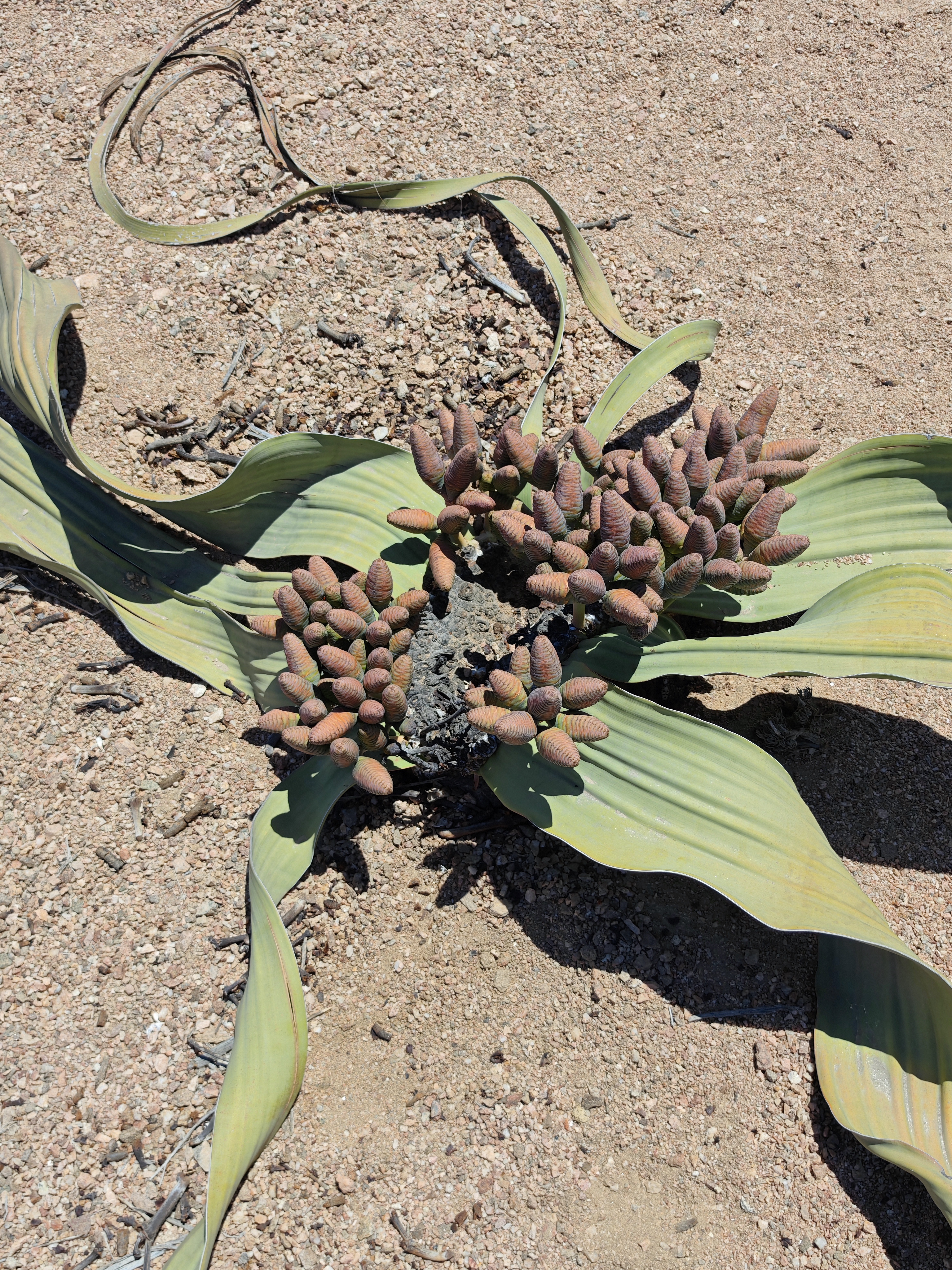
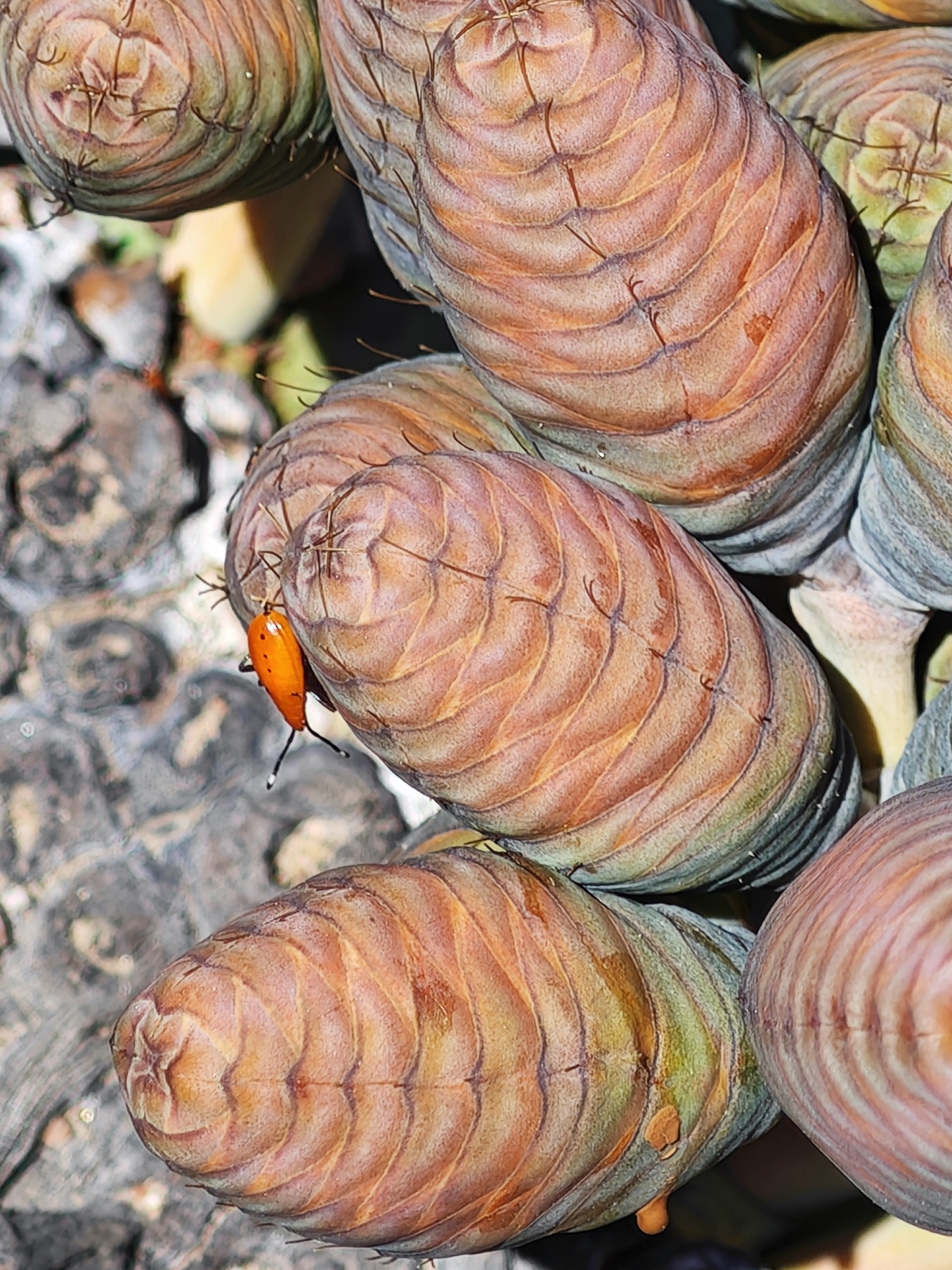
One of the most fascinating aspects of Welwitschia is its appearance. While most plants grow new leaves throughout their lives, Welwitschia only produces two leaves, which last for its entire lifespan. These two leaves grow continuously from a central, woody base, eventually becoming long, twisted, and frayed from the desert winds. The leaves can reach lengths of up to 13 feet, although their appearance is often tattered due to constant exposure to the elements. The plant’s thick, woody stem, or crown, is low to the ground, providing stability and helping it to retain moisture in the arid desert. The Namib Desert is one of the driest places on Earth, with an average annual rainfall of less than 2 inches in some areas. Its leaves are equipped to capture moisture from fog, which frequently rolls in from the Atlantic Ocean. This ability to collect water from the air is crucial to the plant’s survival, as rainfall in the Namib is often unpredictable and sparse. In addition to its fog-harvesting capabilities, Welwitschia’s deep taproot allows it to access underground water sources. This root can extend more than 30 feet into the ground, ensuring that the plant can absorb moisture even during prolonged droughts.
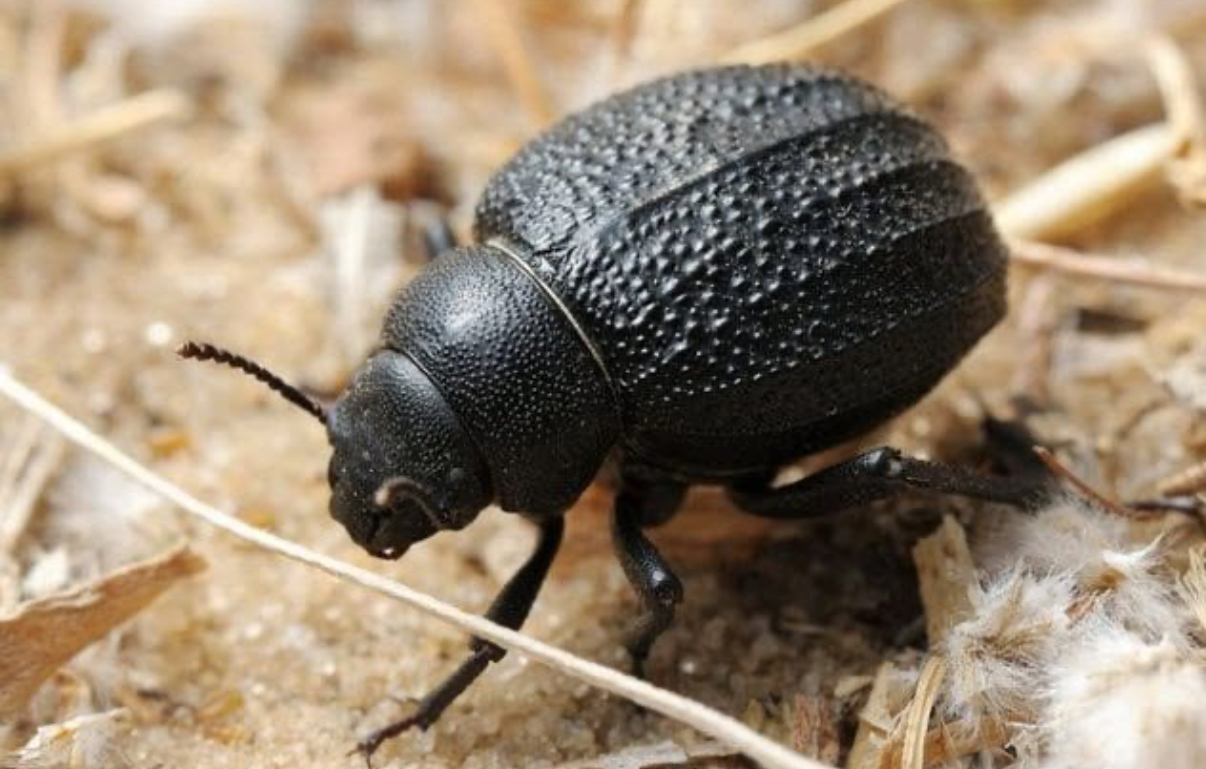

I knew about the desert beetle also called the desert Ferrari (the move very fast) because Larkin had done research on their design to add to her world building series. To survive in the arid wilderness of southwestern Africa, the Namib Desert beetle harvests water from thin air. The blueberry-size, with longer back legs, leans its bumpy body into the wind, letting droplets of fog accumulate and drip down its wing case into its mouth. For years, scientists have tried to learn the insect’s secrets to help provide clean water to communities in water-stressed areas.
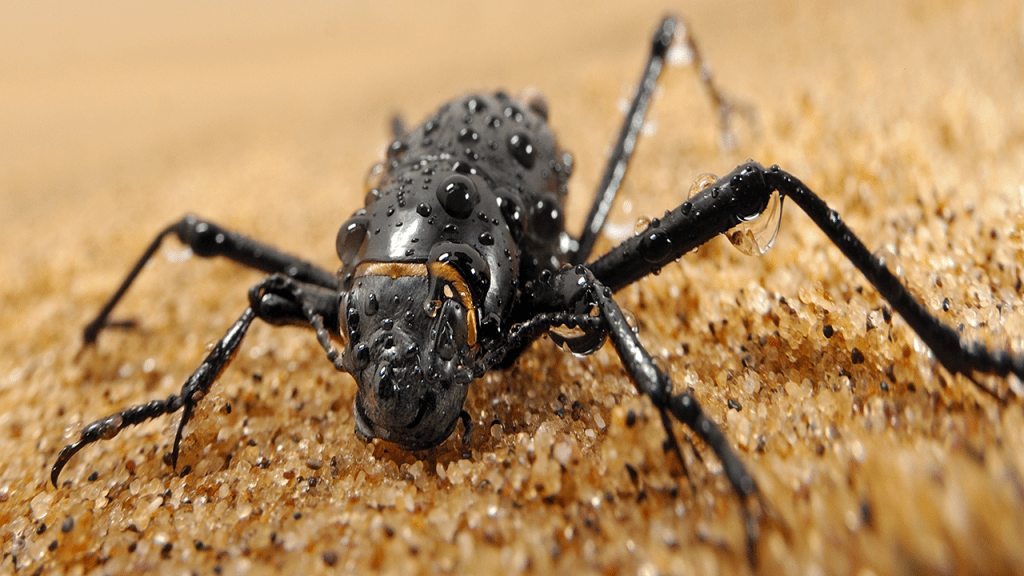
When the Namib Desert beetle (Stenocara gracilipes) “fog basks,” water droplets hit its abdomen and roll down its body. Researchers have spent decades trying to discover how the insect’s surface transports the droplets to its mouth. But first, the beetle must collect the droplets. Researches are hoping they can actually figure a way to scale this beetle approach to something large enough to collect enough water that actually matters on a human level. At Dillon beach during droughts, this would be an amazing technology! By the way, we never saw one, but it was nice being in their desert!
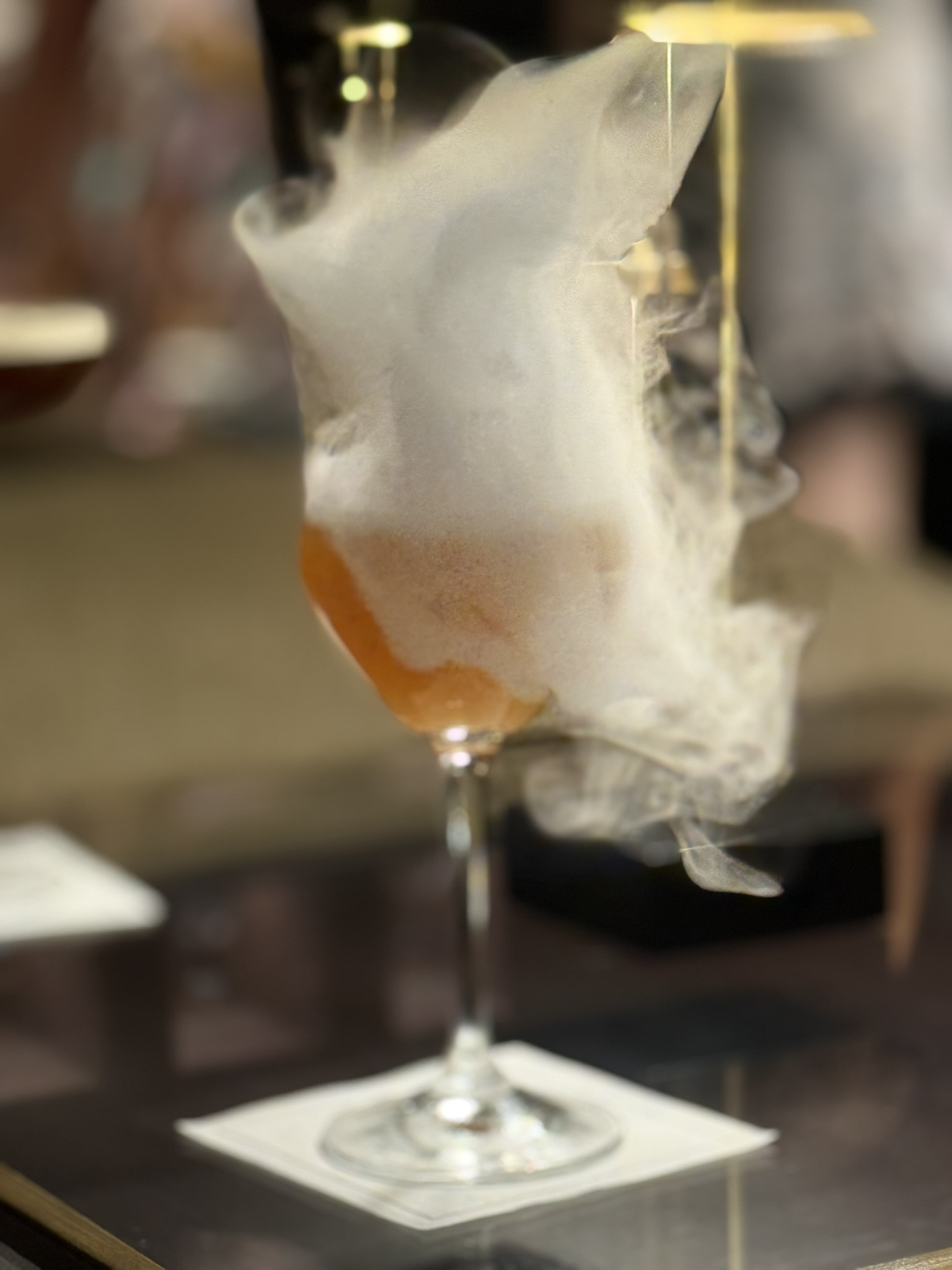
JJ is still having fun and has a new companion named Emmett. The Moon cocktail is hard to pass up every few weeks!
Next up West Africa ports of Luanda, Tema, Takoradi and Banjul and Dakar…
 THE TRAVELING MARTINI'S