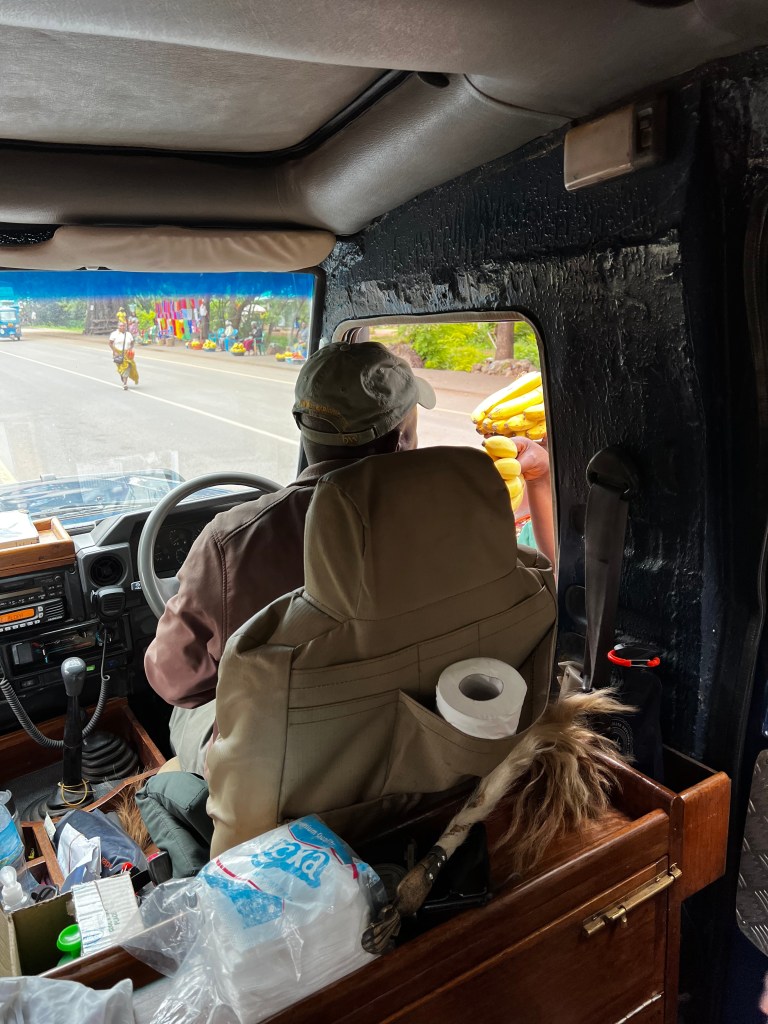
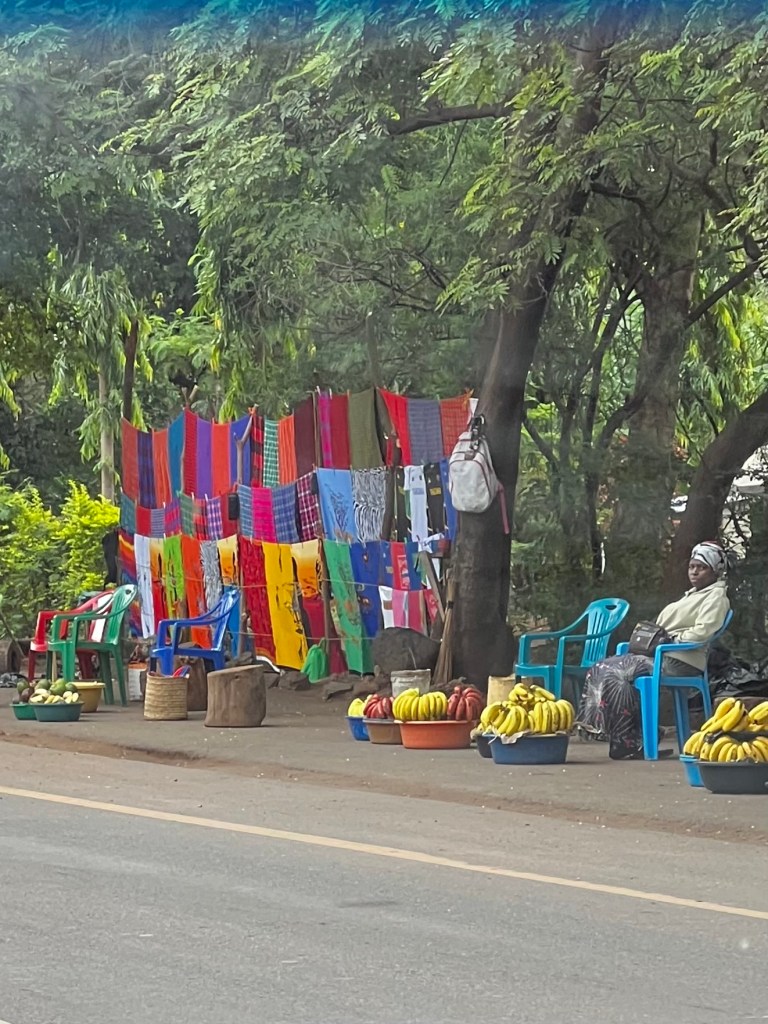

On our way to Tarangire National park from the Ngorongoro Crater we traveled on more “normal” busy roads. Mzee always stops on the way to the Tarangire for fresh bananas along this route. Once the ladies see us pull over, everyone comes running and of course bought both yellow and orange bananas. All sorts of other things are for sale on the side of the road as well – very colorfully displayed.
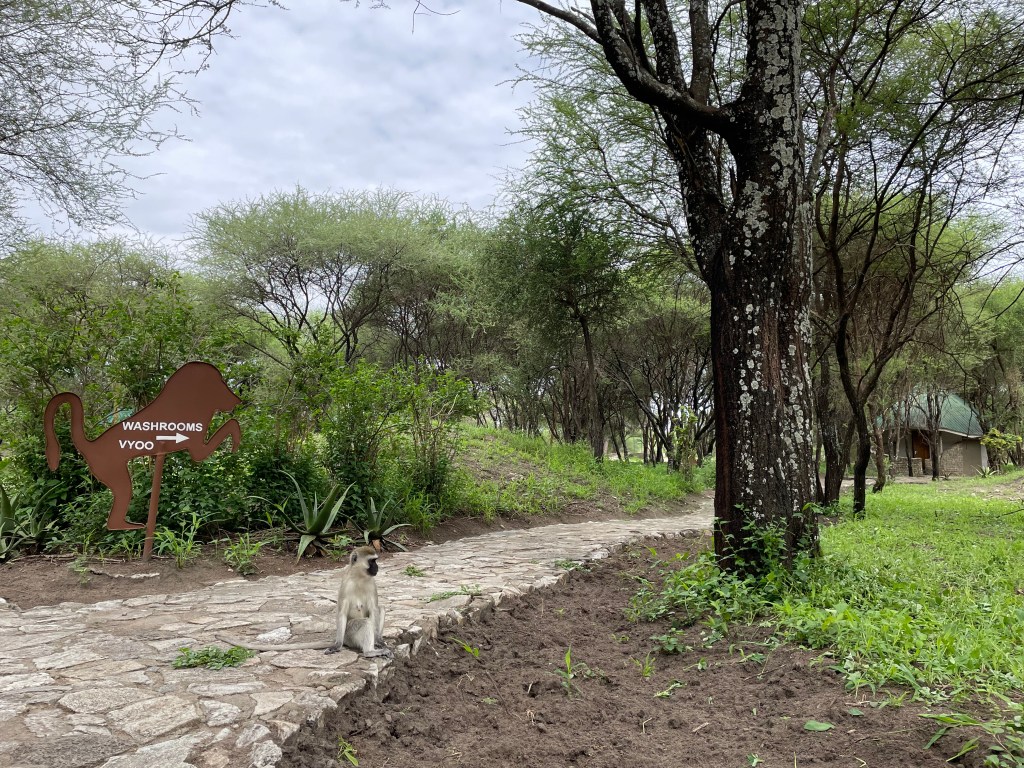
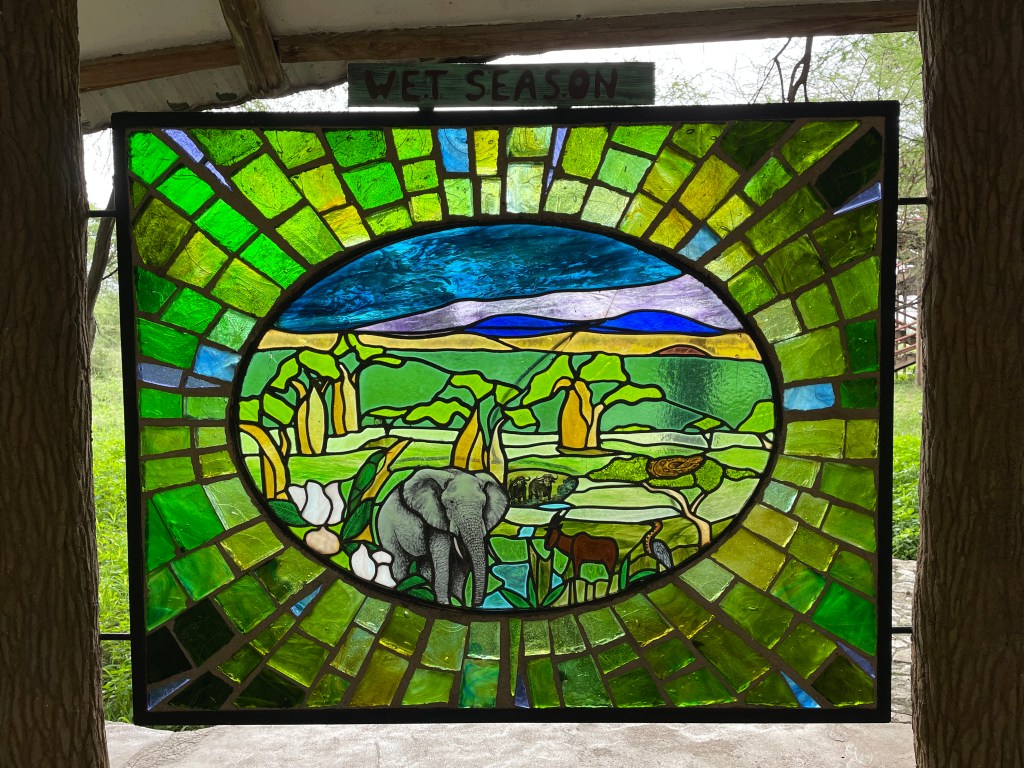
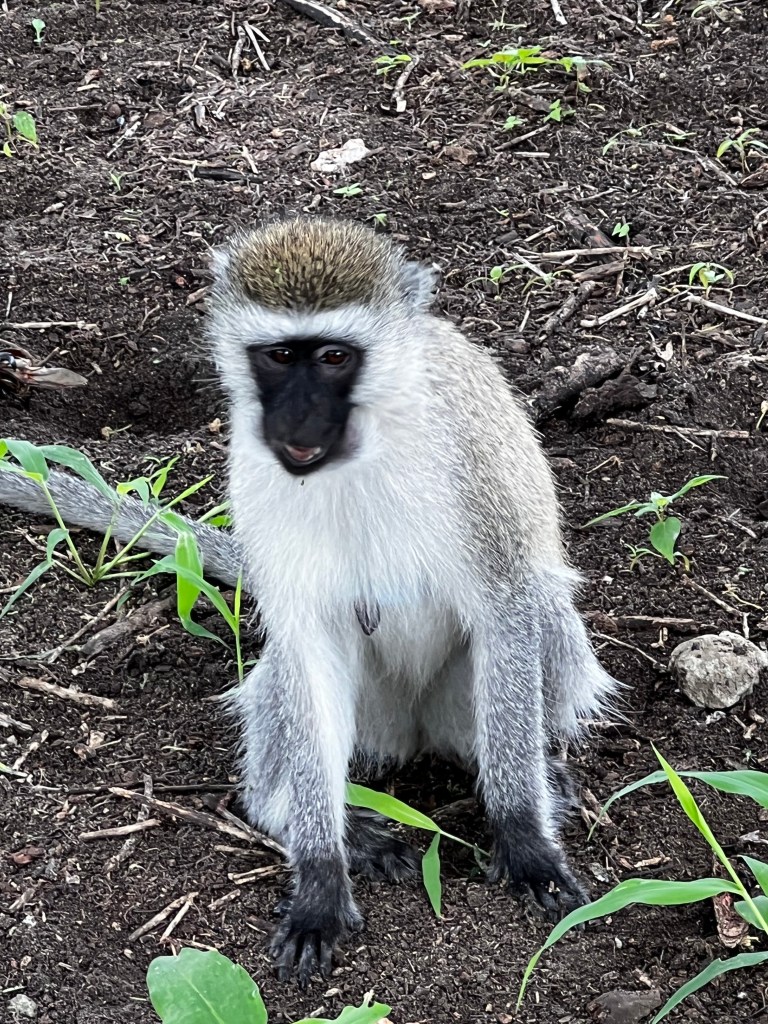
The entry into the park had nice restrooms including a stunning piece of stained glass hanging in an open building as well as black faced monkeys on the way to the restrooms and in the tree over our Land Cruisers. Someone in our group forgot to close the door on one of our Land Cruisers and in the blink of an eye a banana was gone. Note – keep telling the safarists to keep the vehicle doors shut! Those black faced monkeys are resourceful.
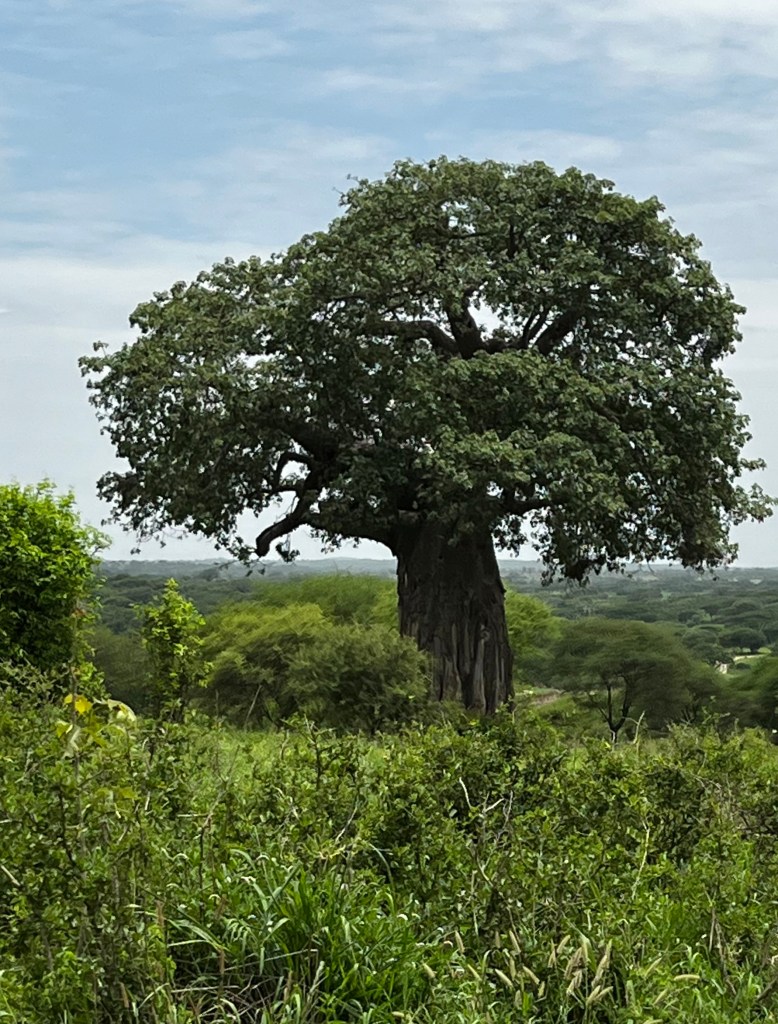
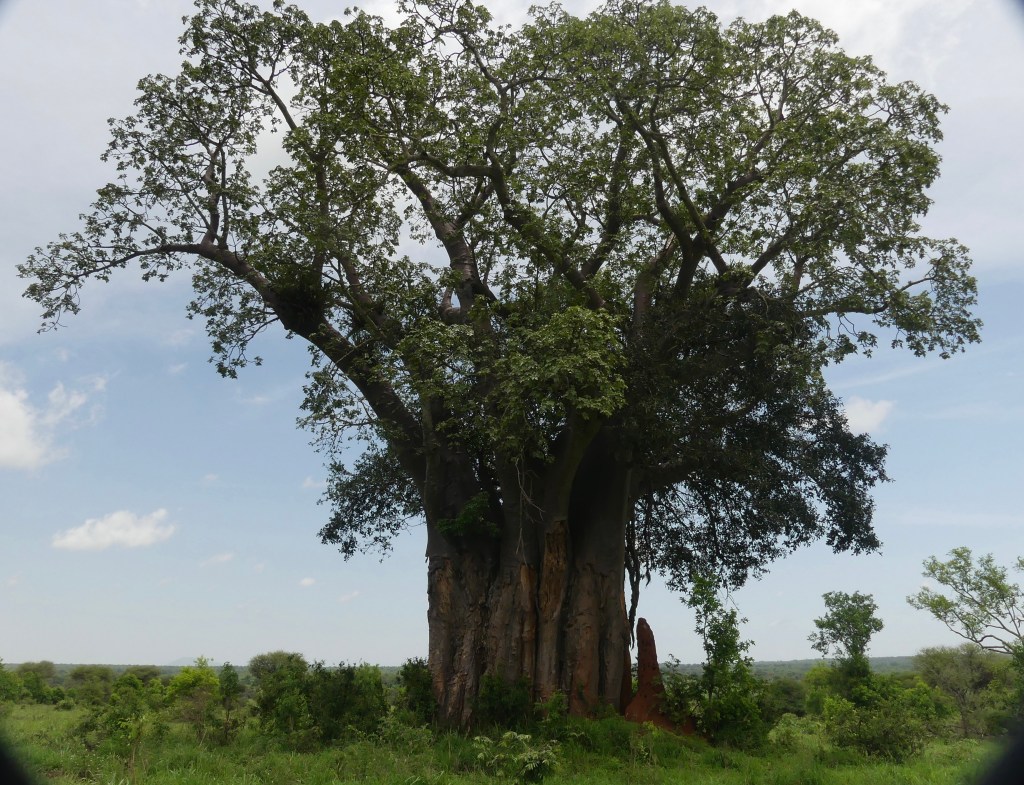
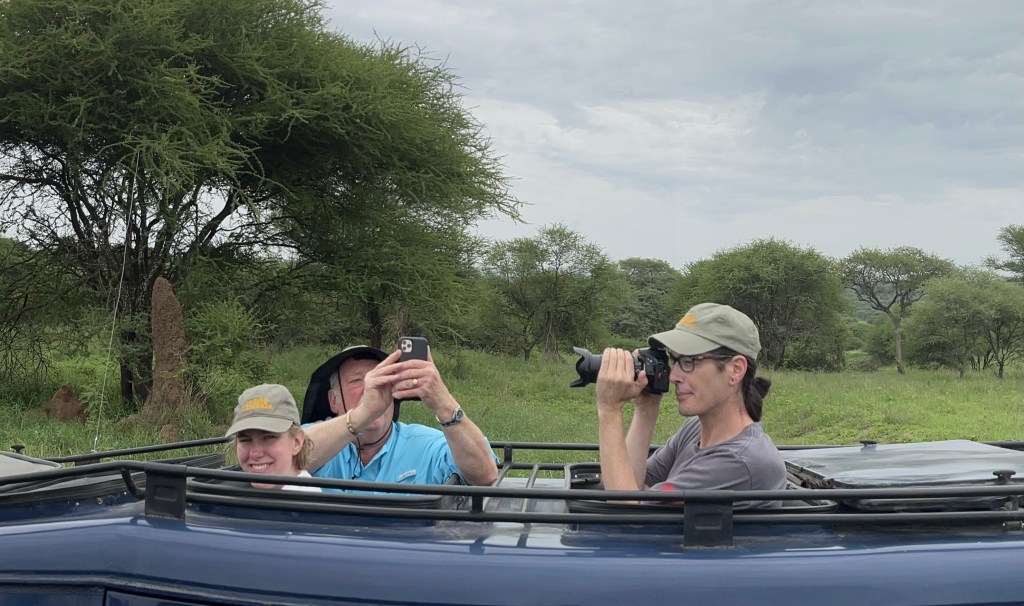
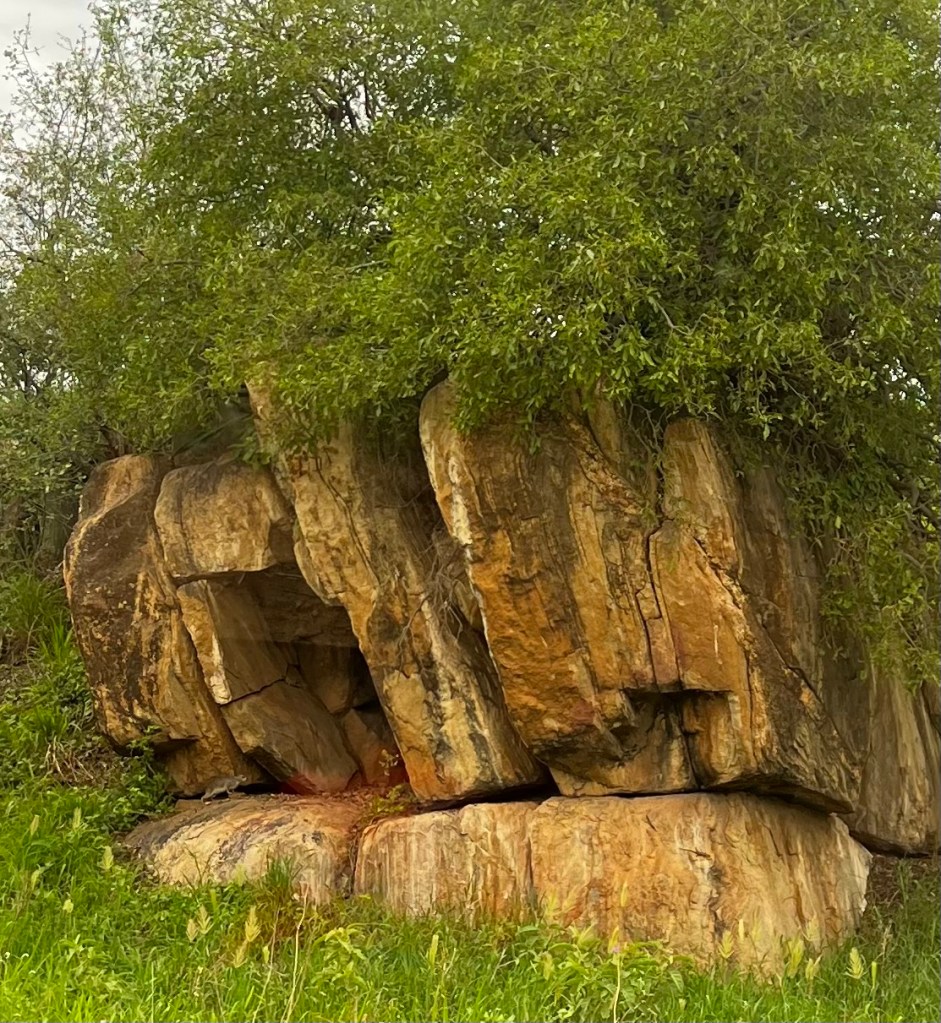
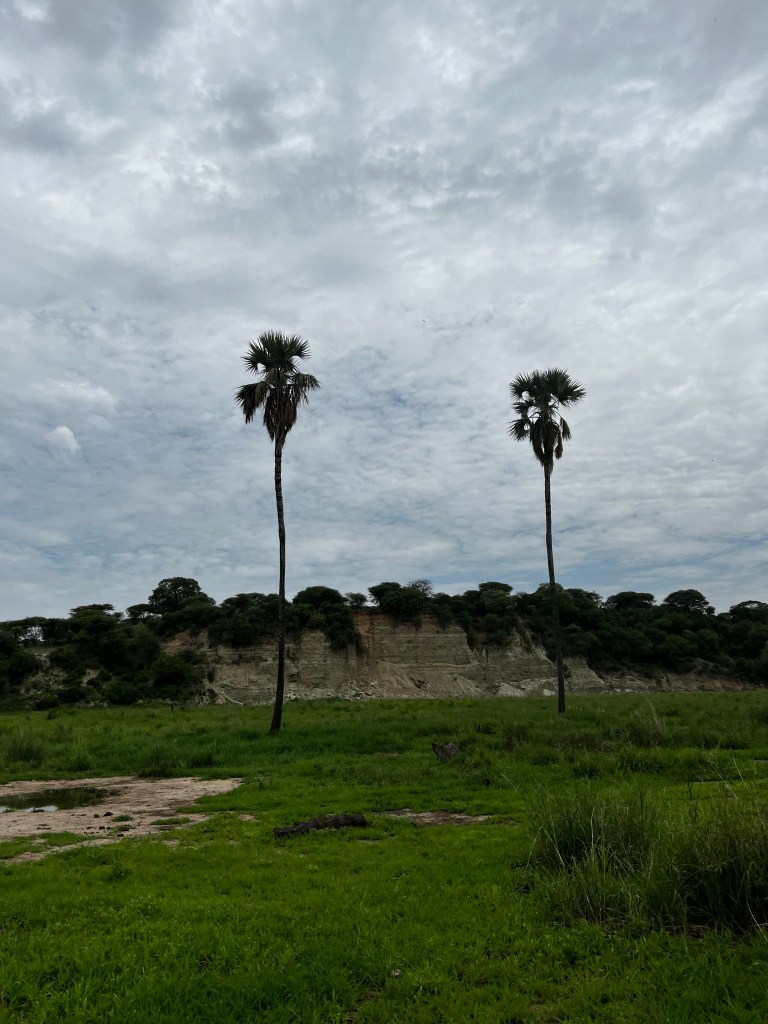
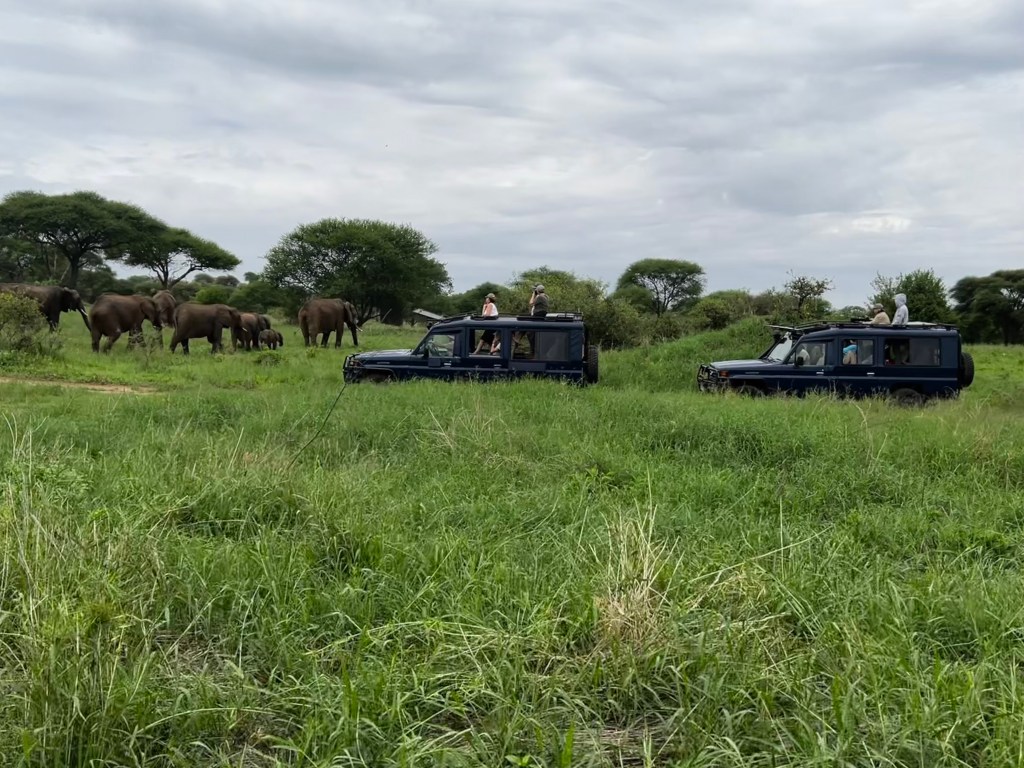
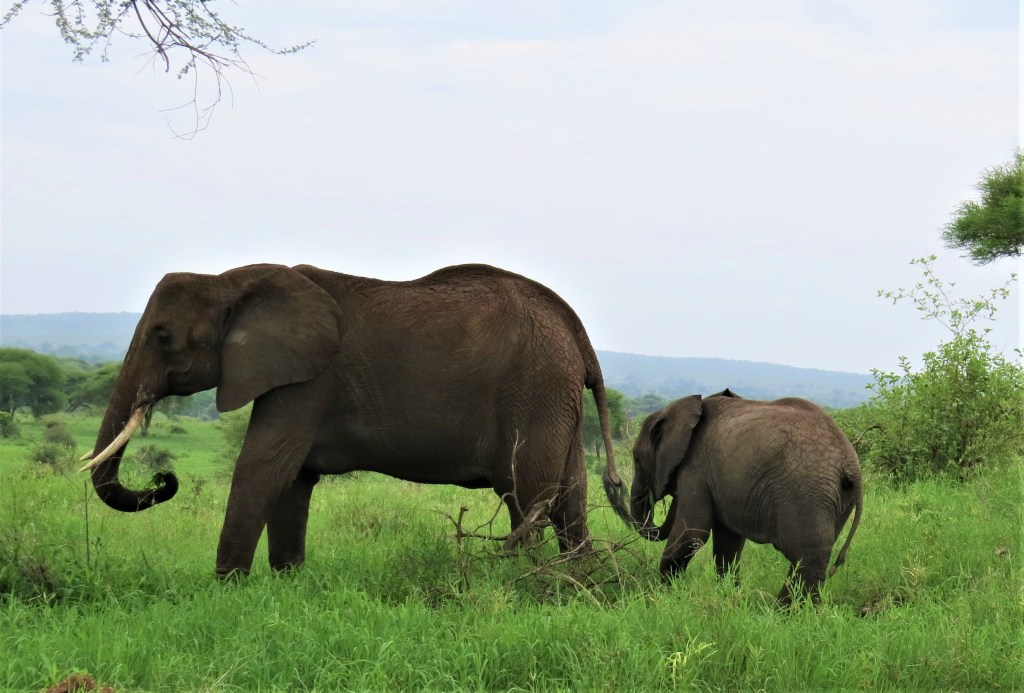
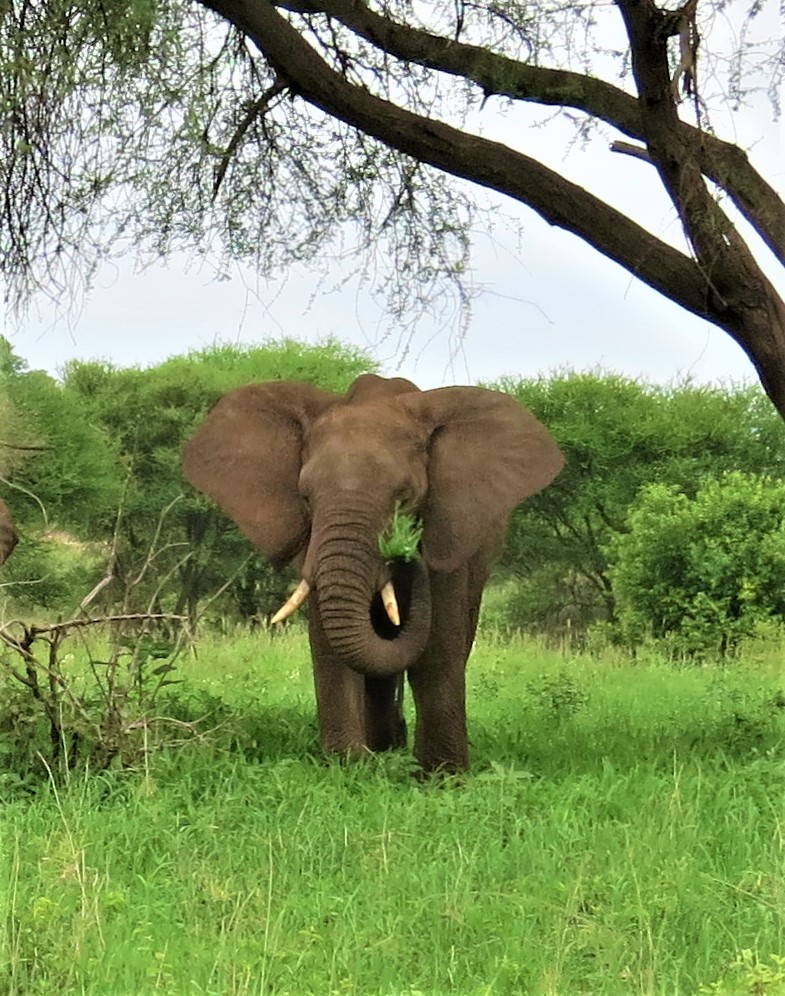
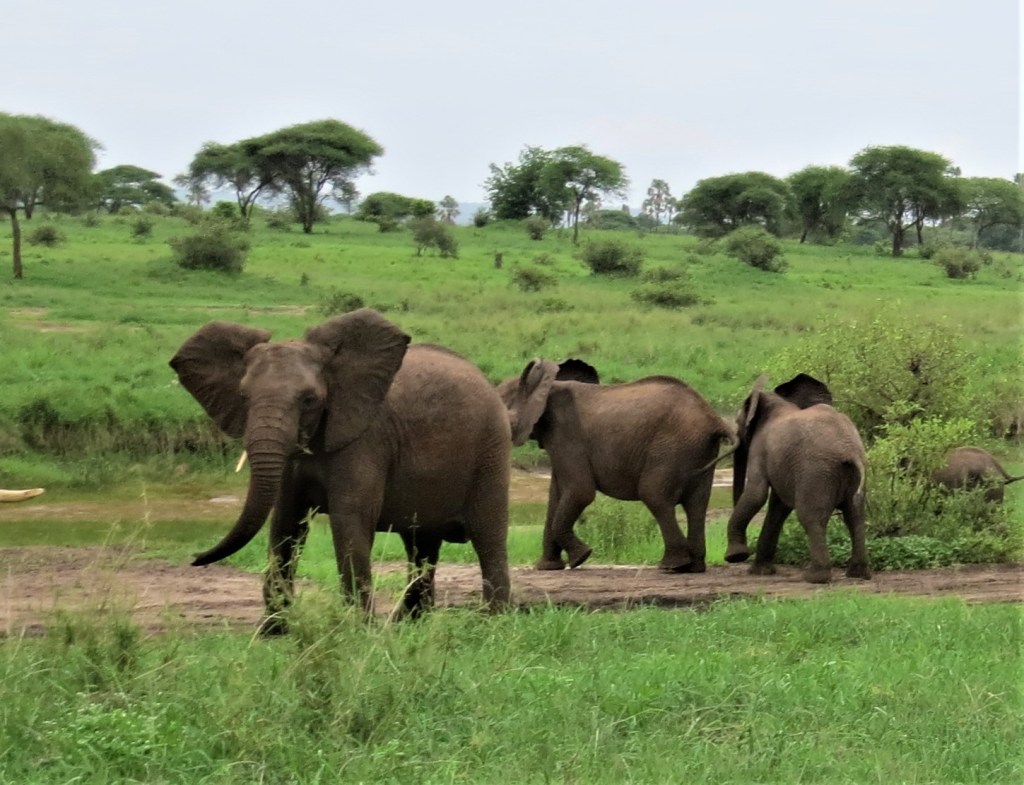
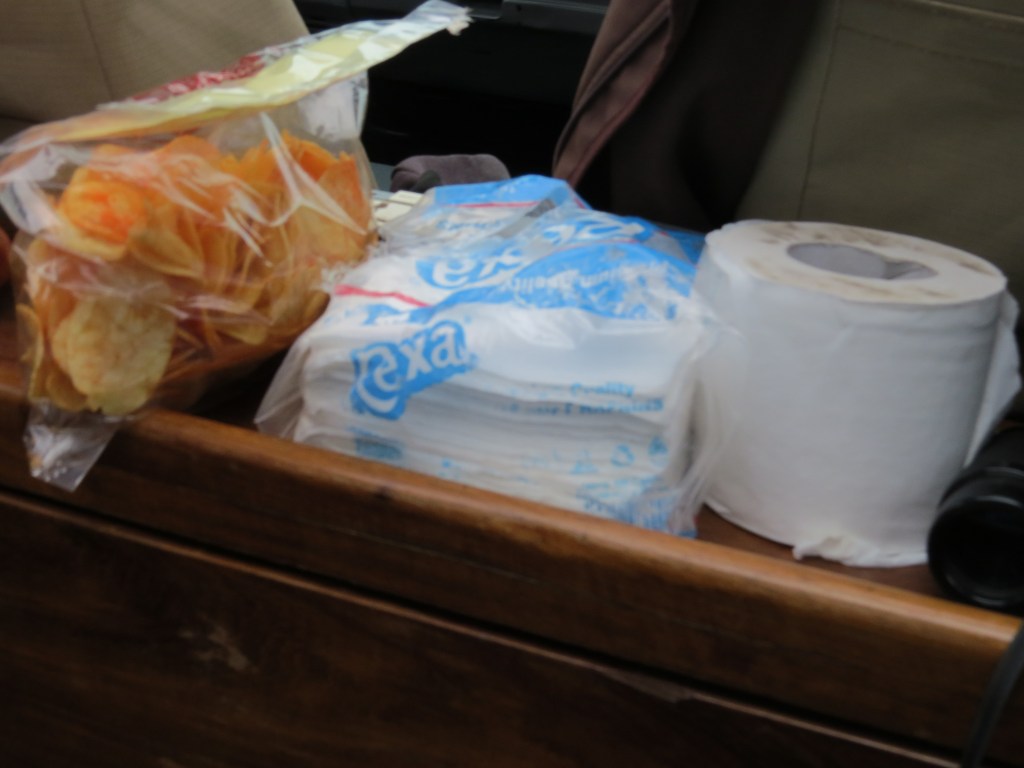
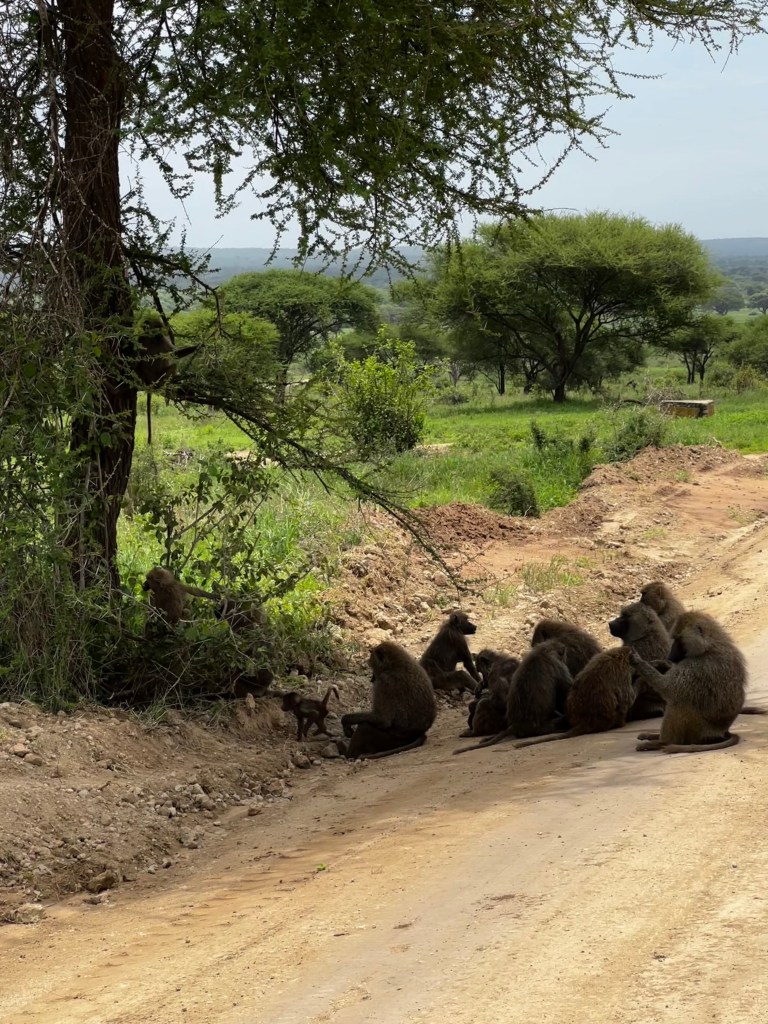
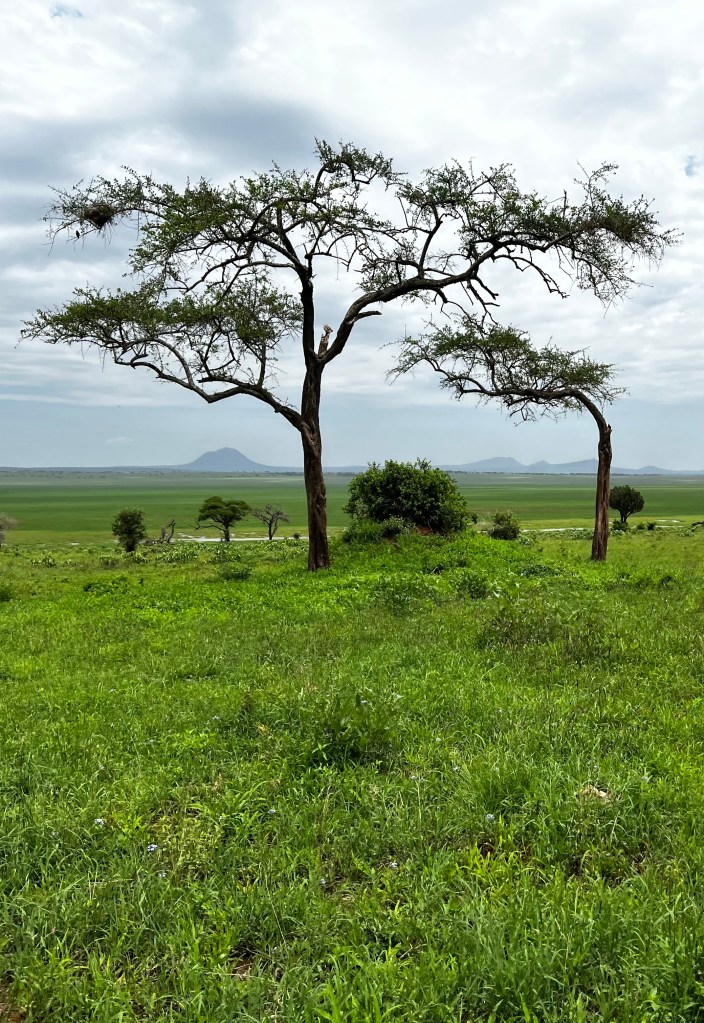
The Tarangire National Park is named after the Tarangire River which cuts the park in half mostly from north to south and supplies water year around to the wildlife. The park is nicknamed “park of the giants” with its massive ancient Baobab trees. In the Mbugwe language Tarangire means the river of the warthogs. The park has the most animals during the dry season which is June to October. We were there in February and there were still loads of animals to observe. The geology – with the river and its banks, the rocks and hills as well as the swamp were such different vistas from the mostly flat plains of the Serengeti or the enclosed crater of the Ngorongoro. Visions of majestic Baobab trees, acacias and even seeing a few palm trees were breathtaking. The park is known for its year around herds of large elephant. Elephants love to eat Baobab trees so only the huge centuries old specimens are remaining. Elephants also love mahogany trees so the ones we observed were more like short small bushes kept trimmed as their new growth emerges – almost like someone planted rows of little trees. Potato chips, napkins and toilet paper – very important supplies. The first baboon troop we came across looked to be having a convention in the street.
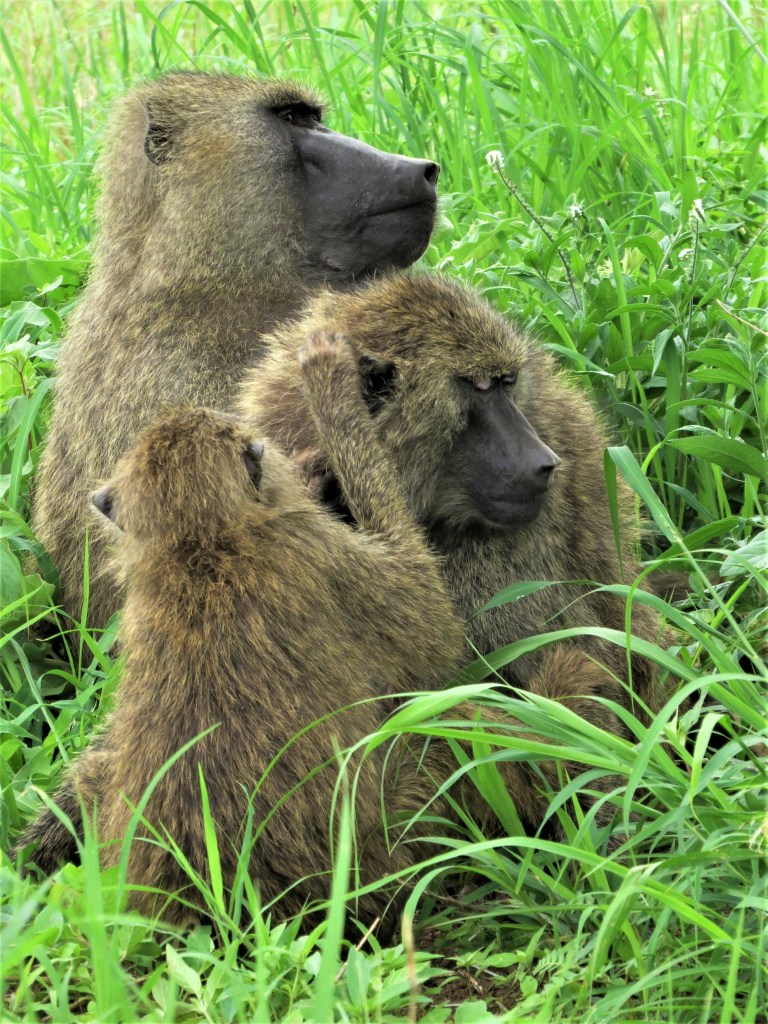
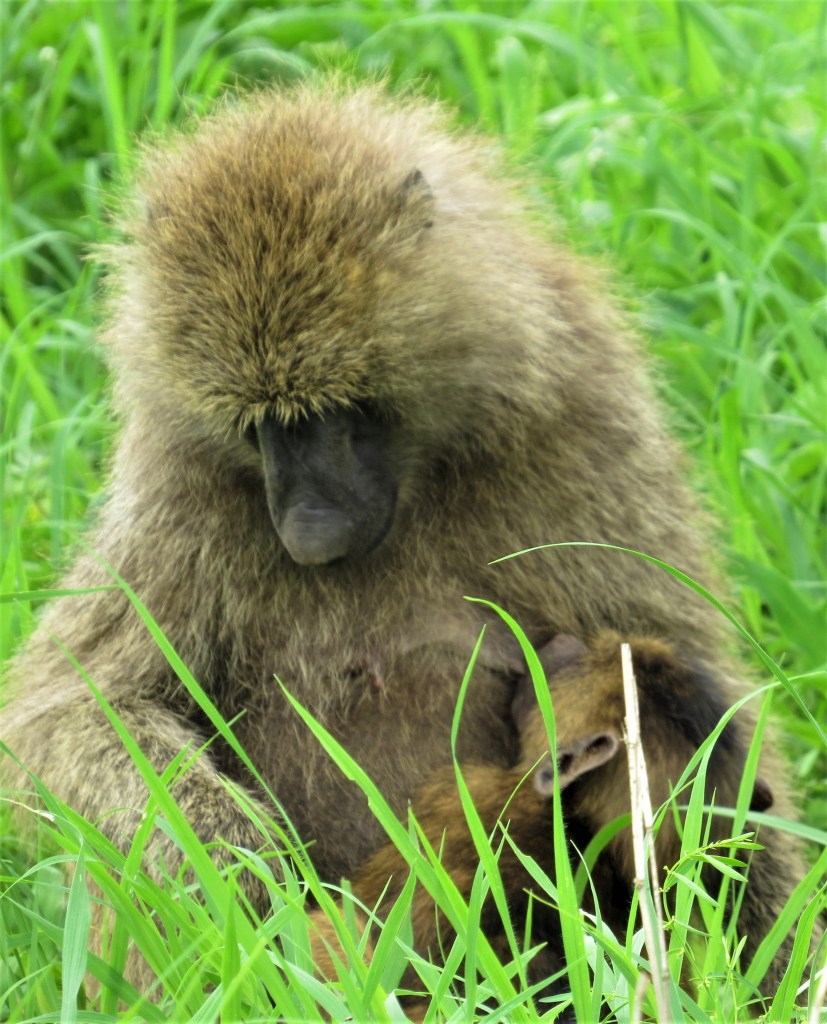
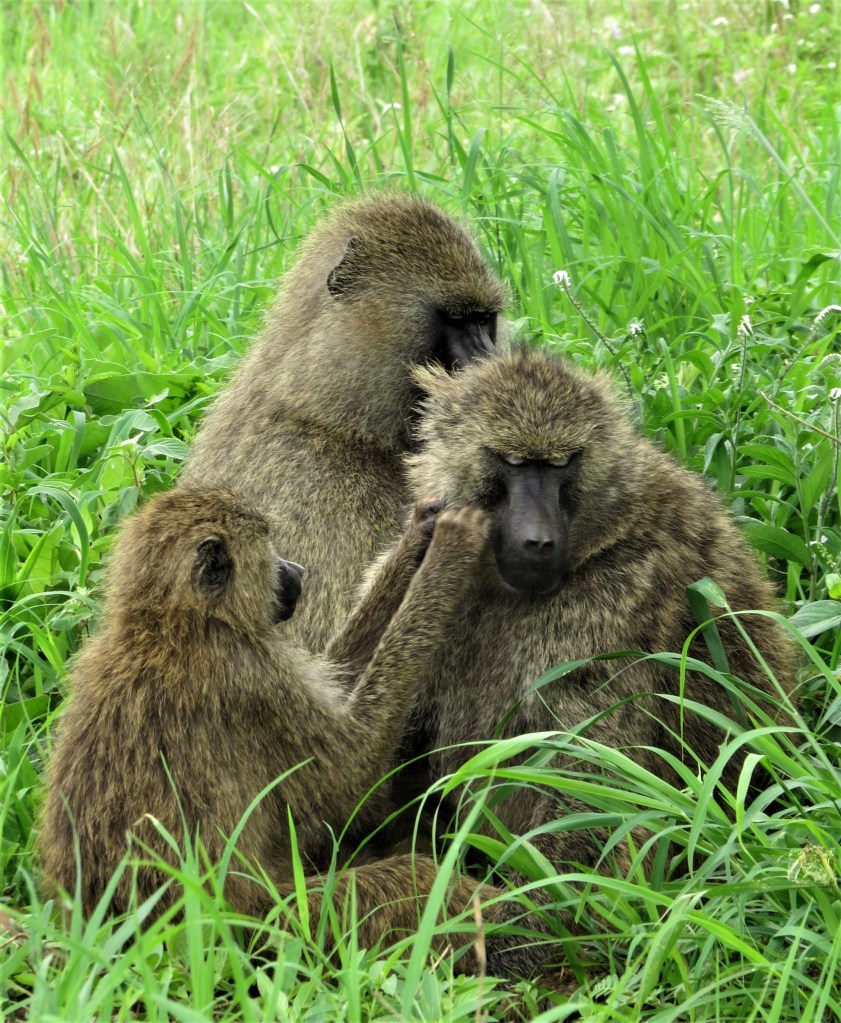
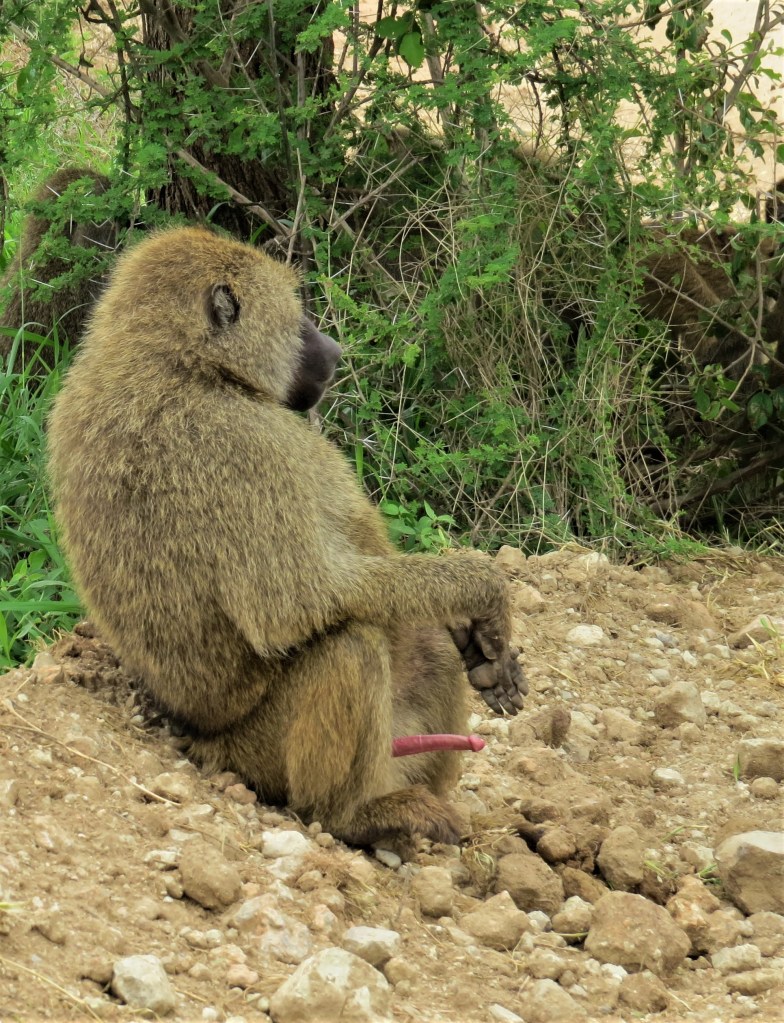
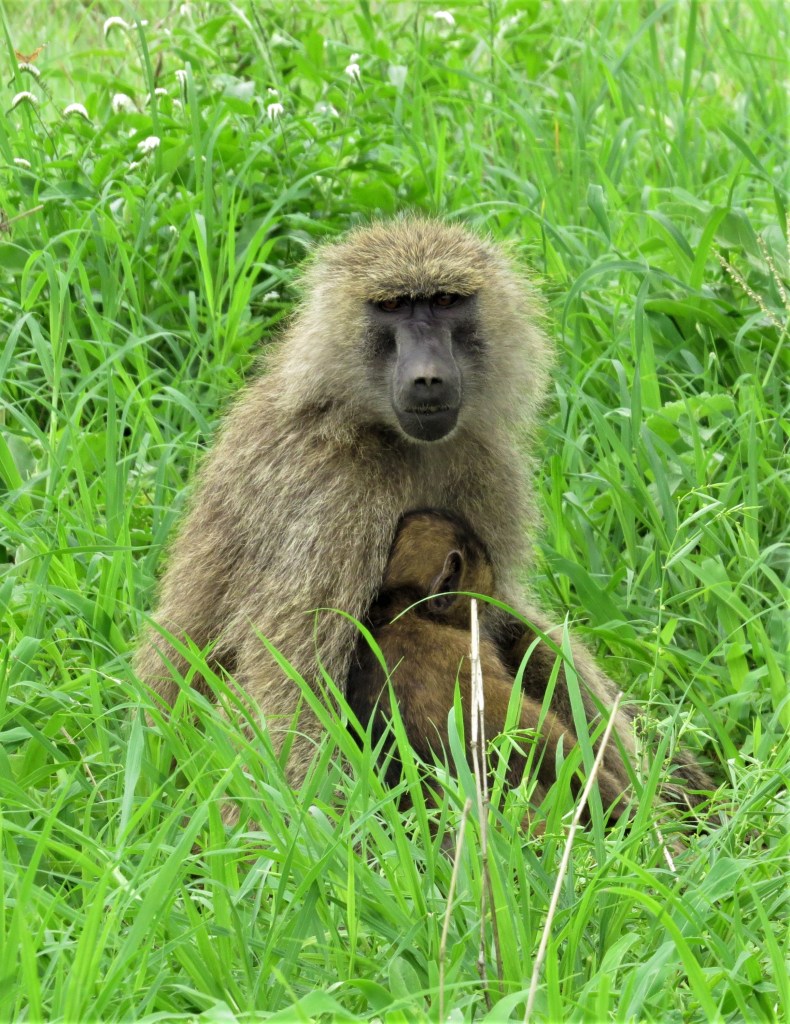
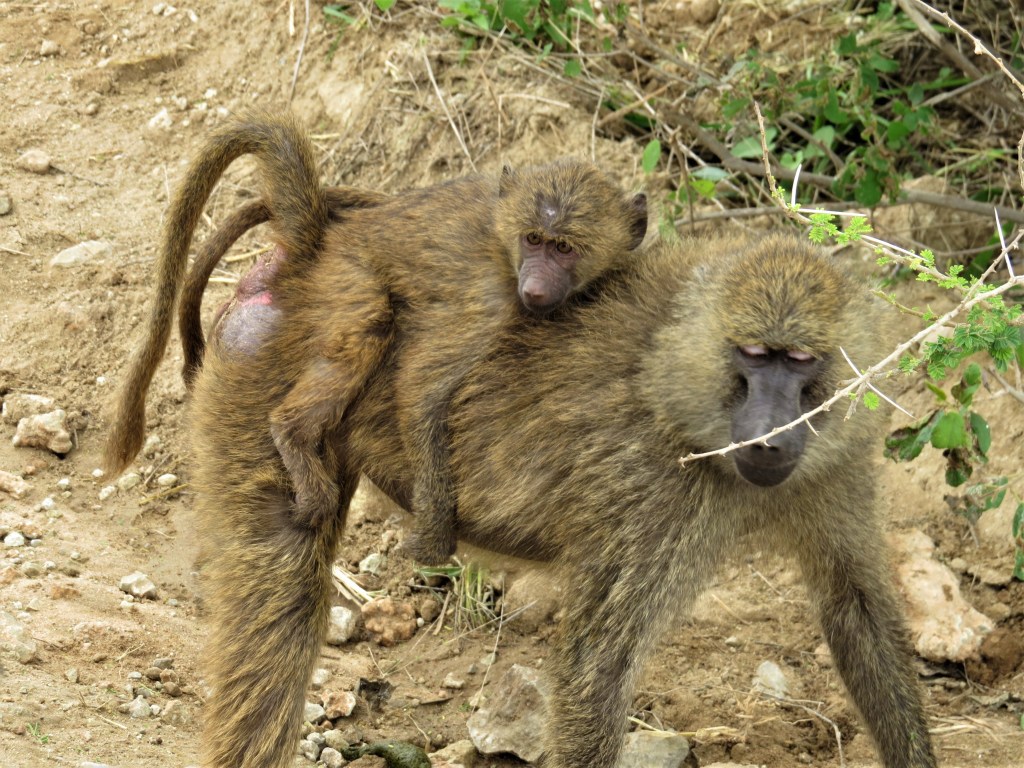
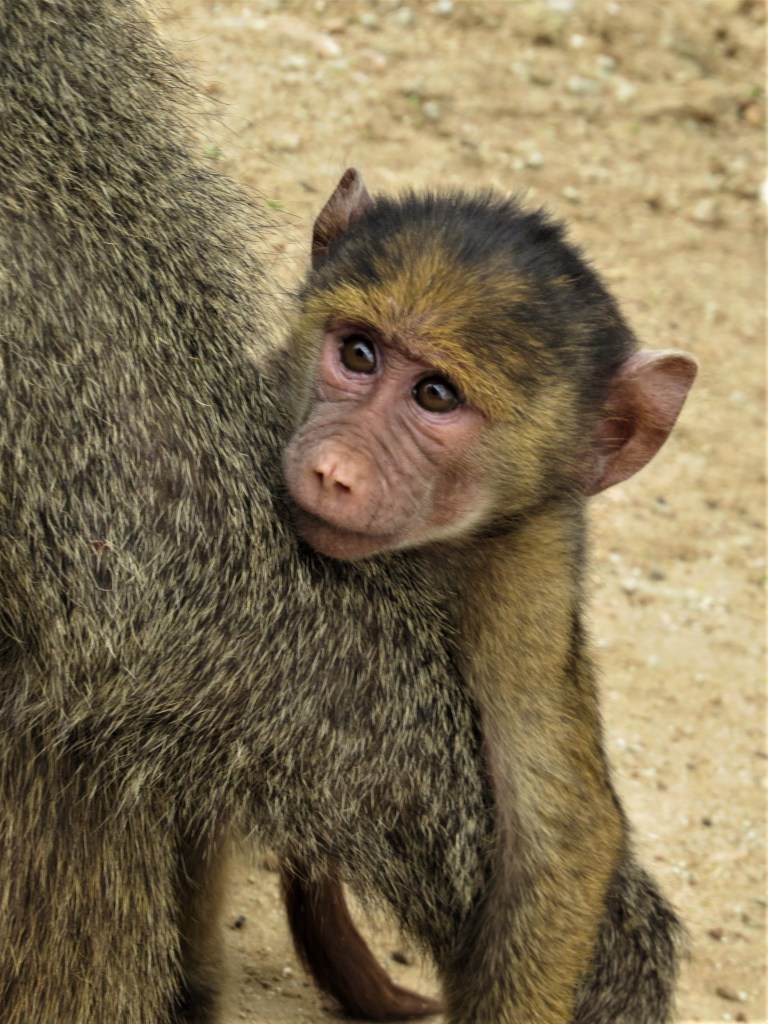
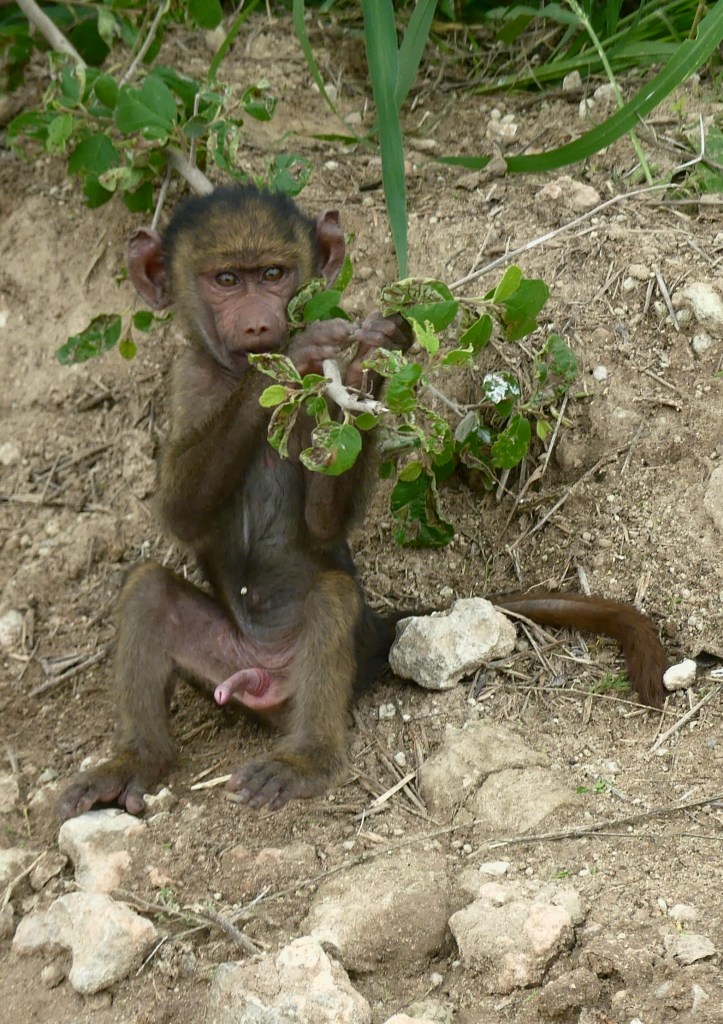
The baboons were busy grooming, nursing, cuddling and showing us their various parts. Like the Ngorongoro Crater we stayed on the dirt roads and these baboons were on the road as we headed south to our camp. We did see other vehicles and stopped along the road observing herds of elephants. We arrived at a terraced picnic area called Matete which is an area overlooking the river that had some shade and picnic tables to enjoy the view. That area was “rare” with toilets available. After our lunch break we descend toward the river for a change of perspective driving toward the southern part of the park, where the marshy area known as Silale (Silale swamp) shows quite a different vista across to volcanic rocks in the distance. Our new camp was awaiting us…Osunyai Lamarkau. But there were birds along the way…
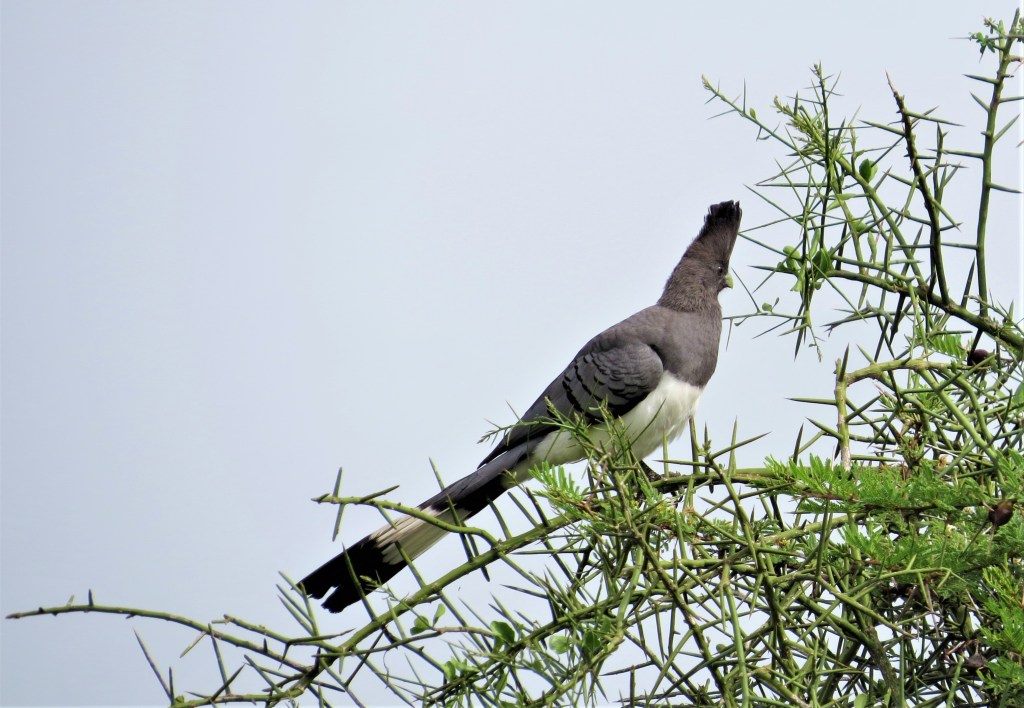
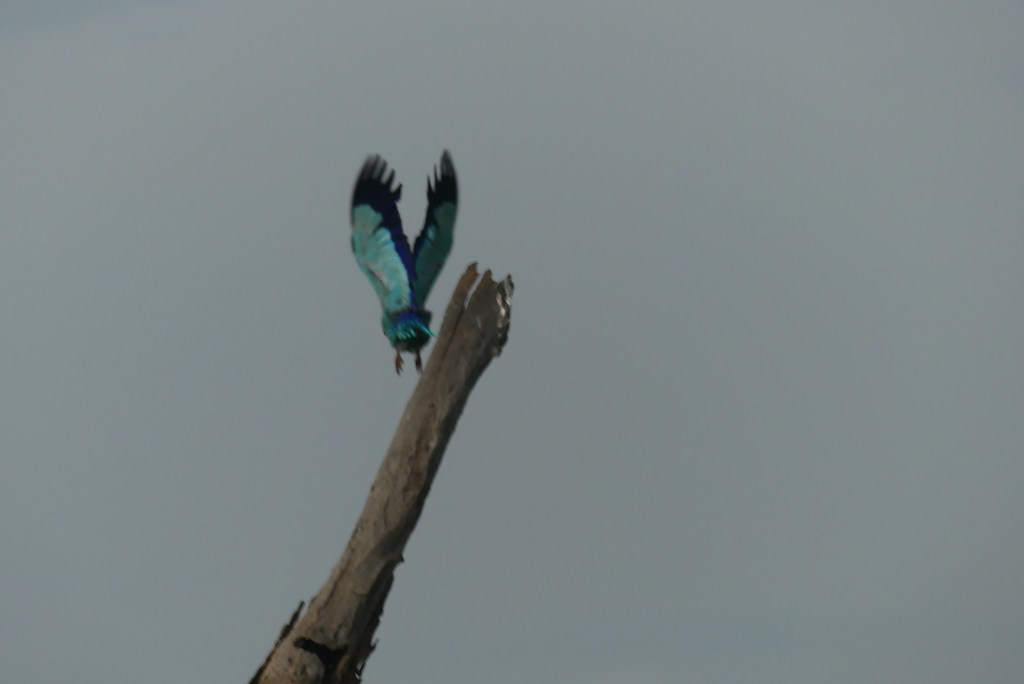
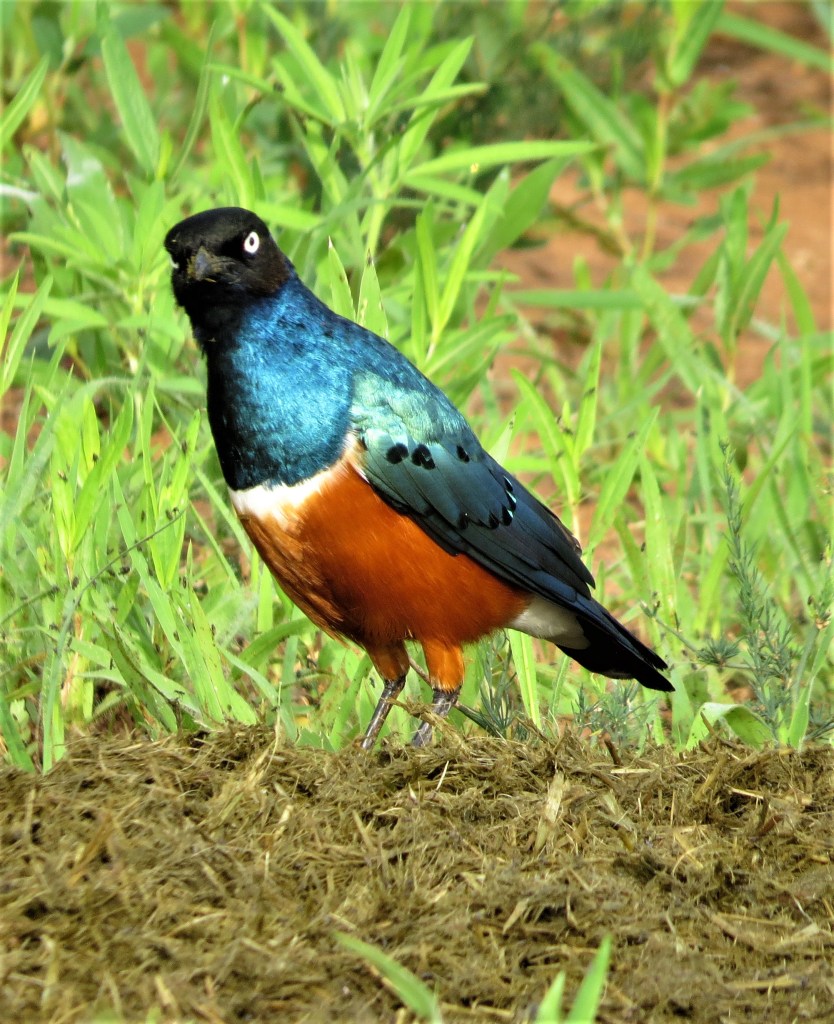
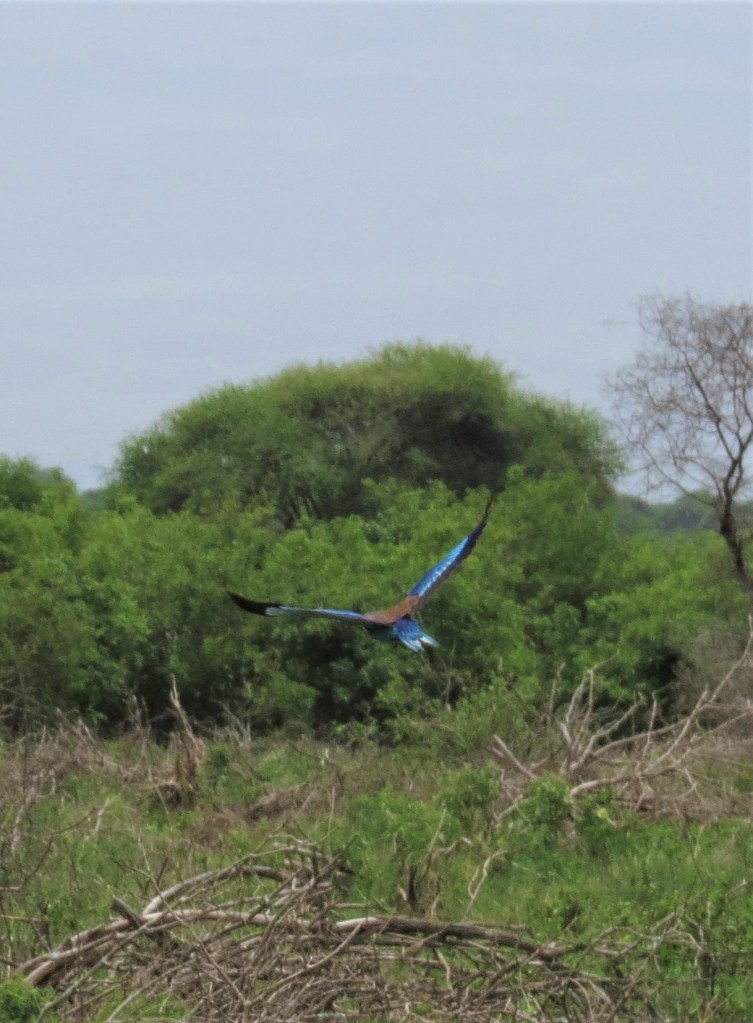
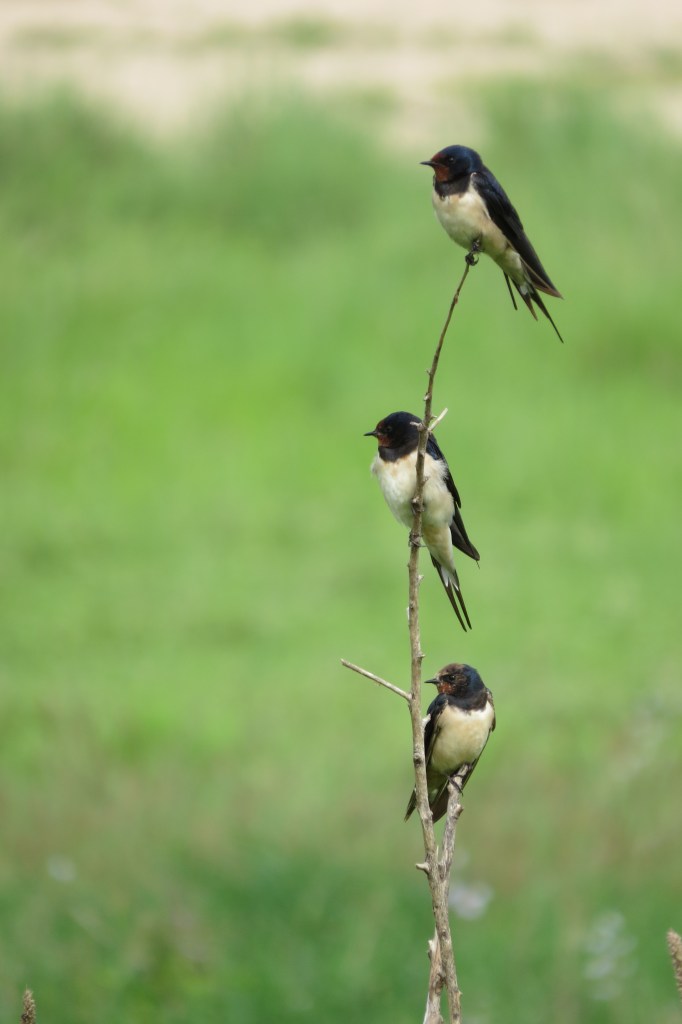
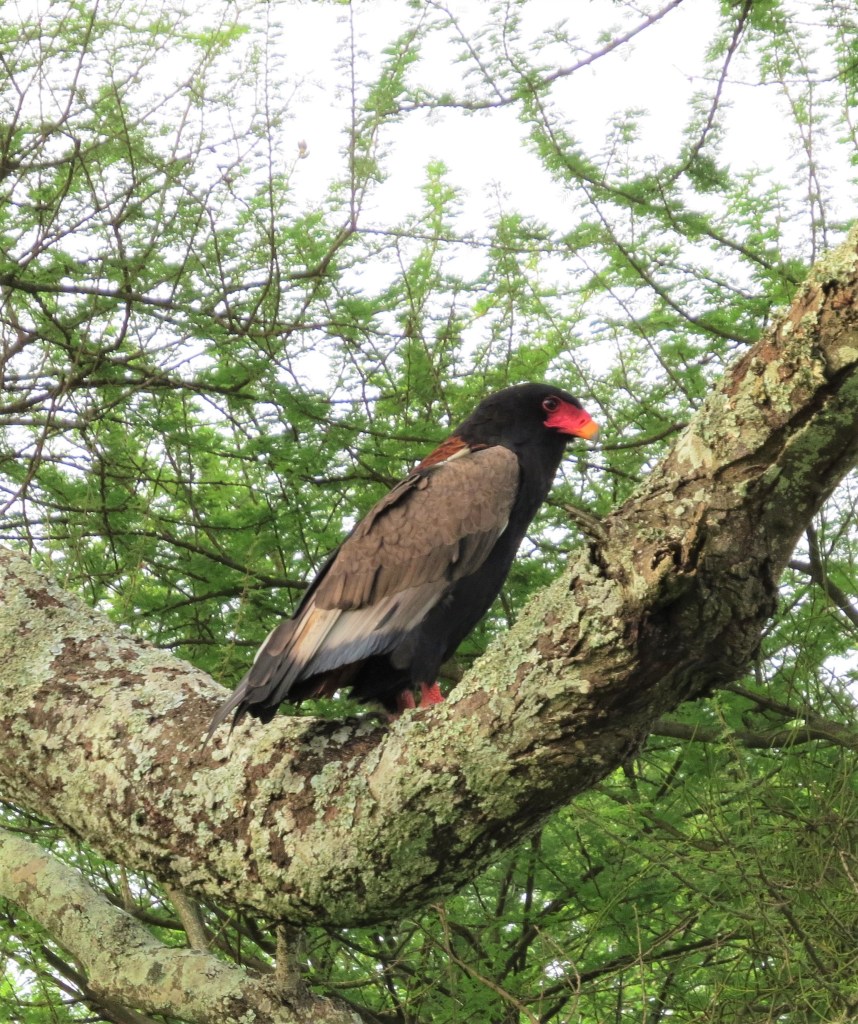
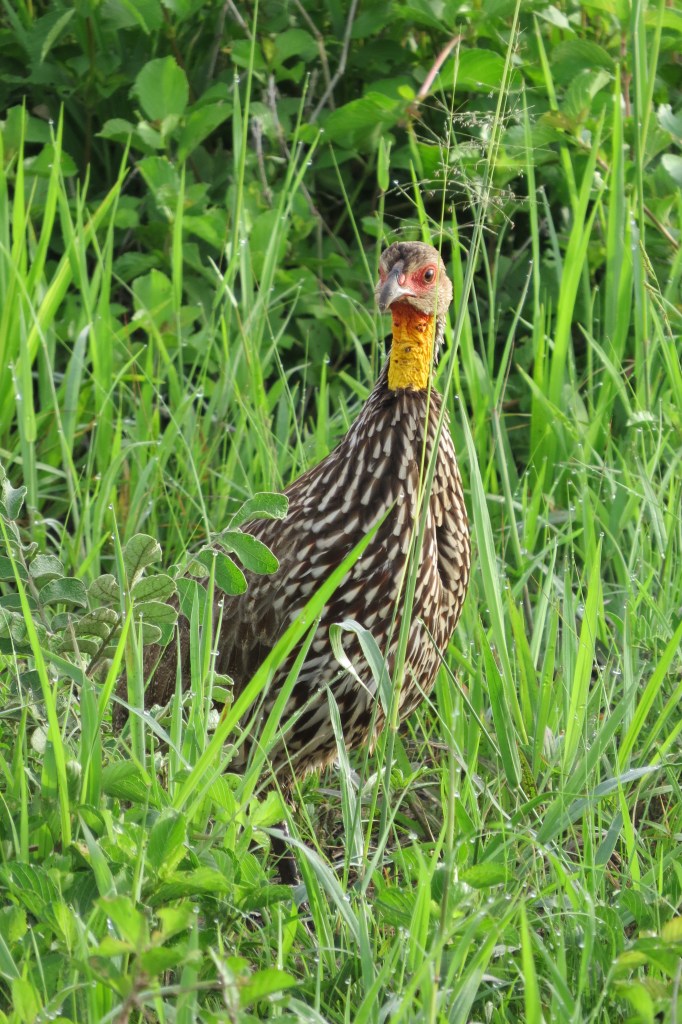
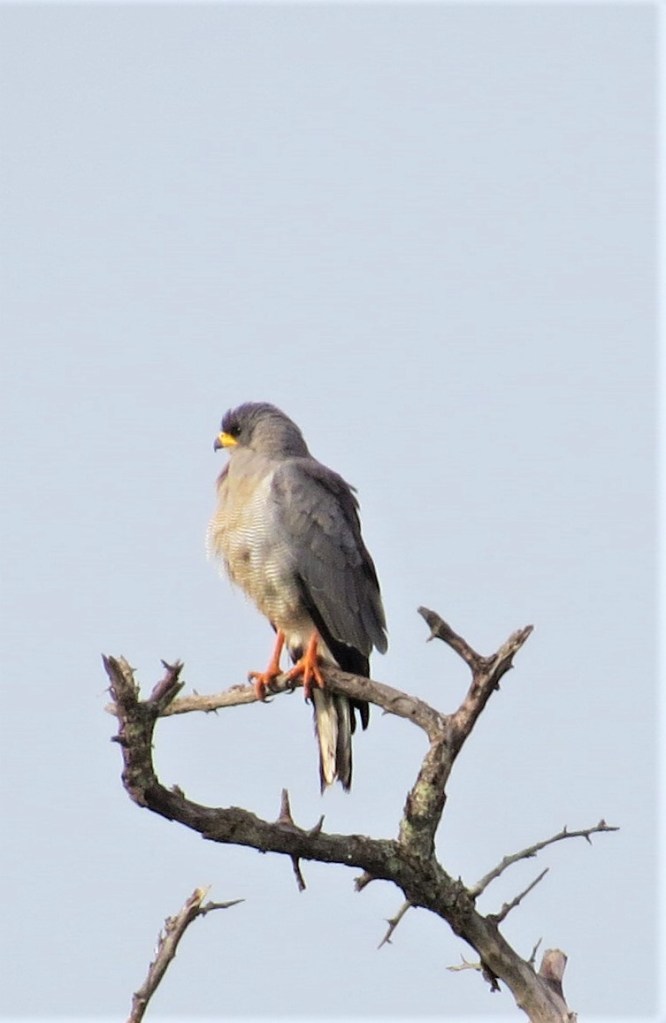
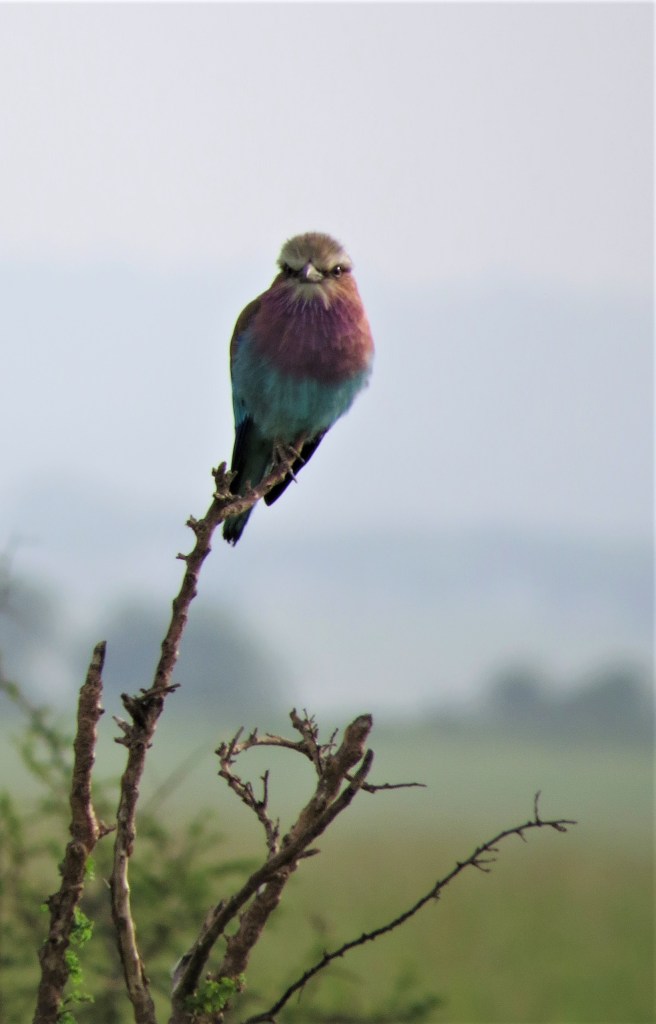
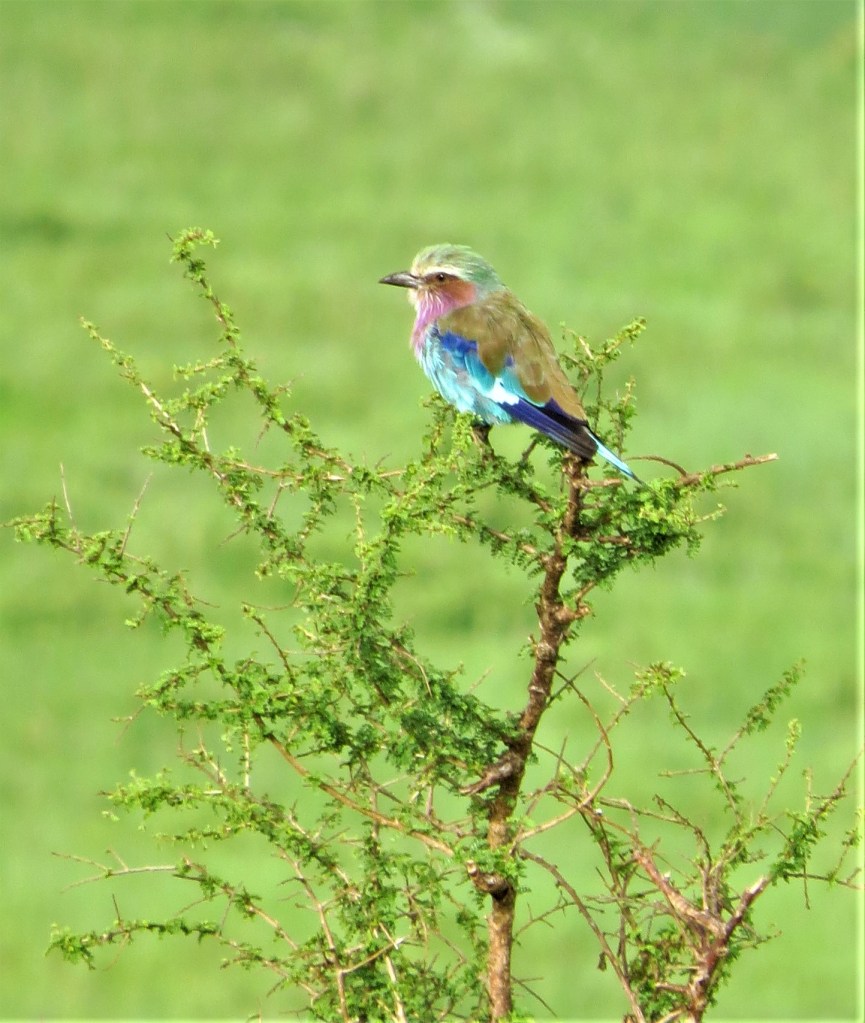
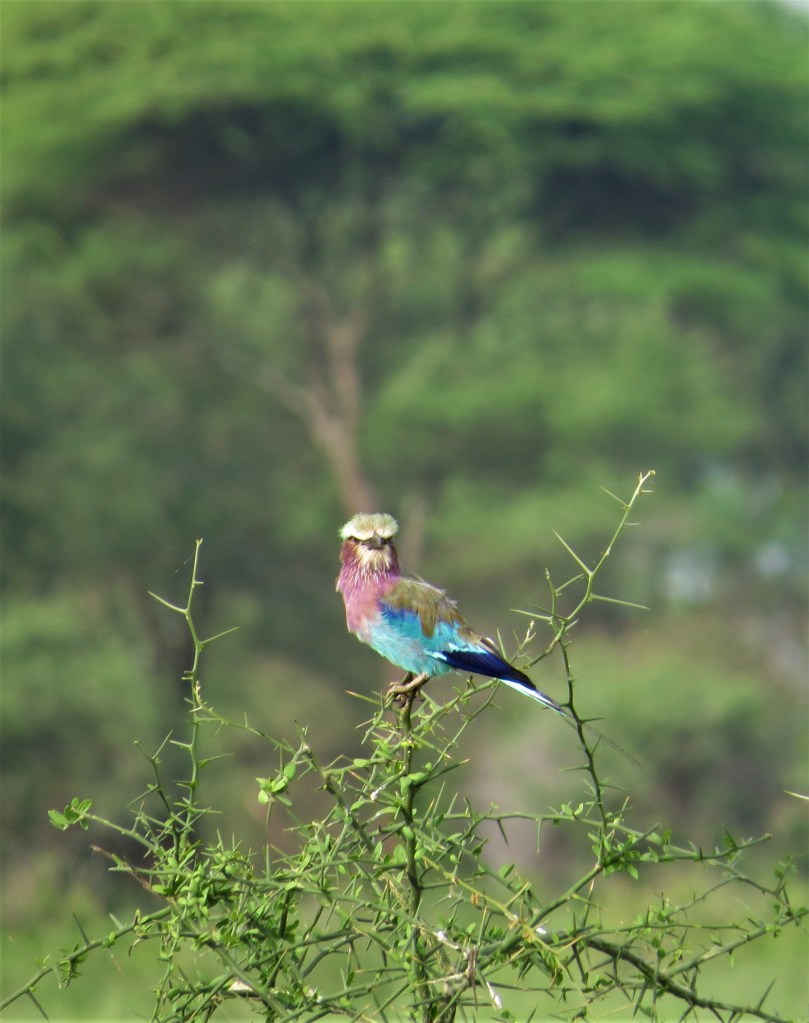

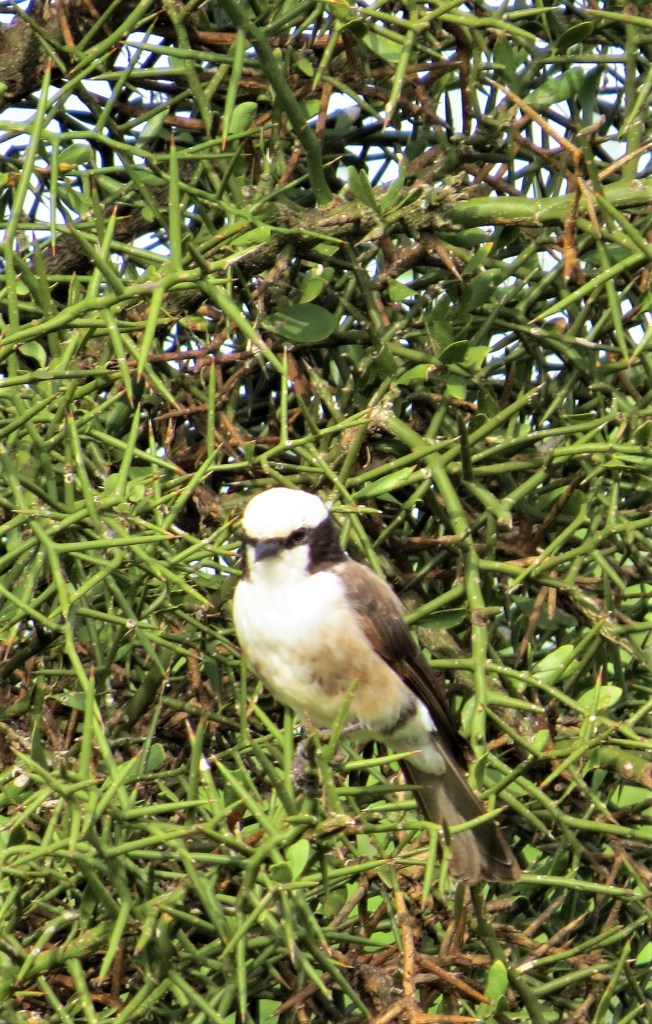
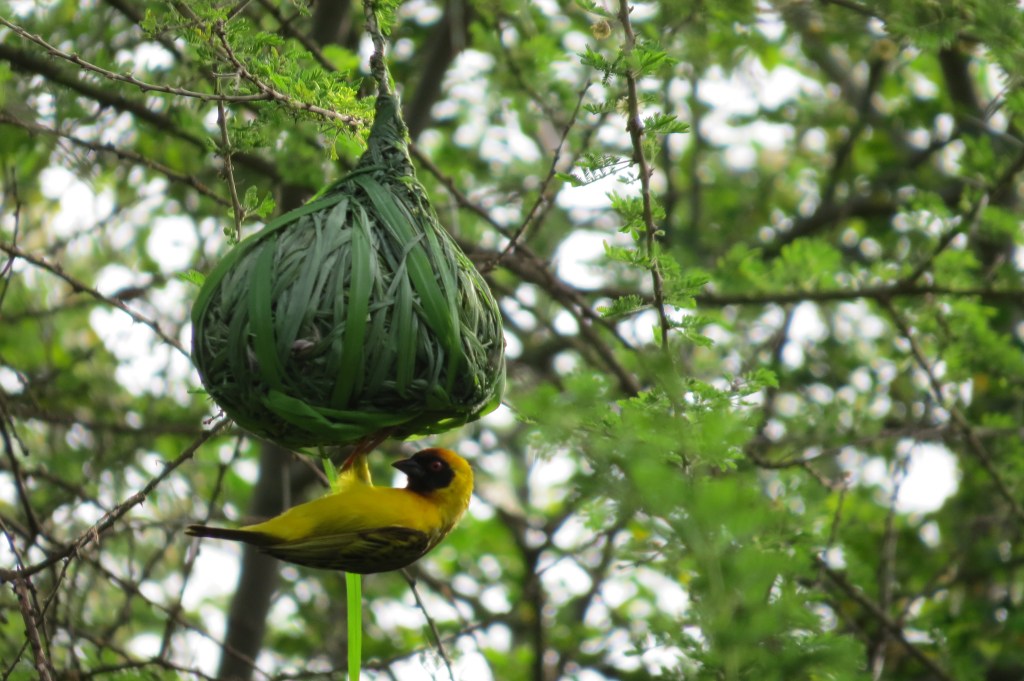
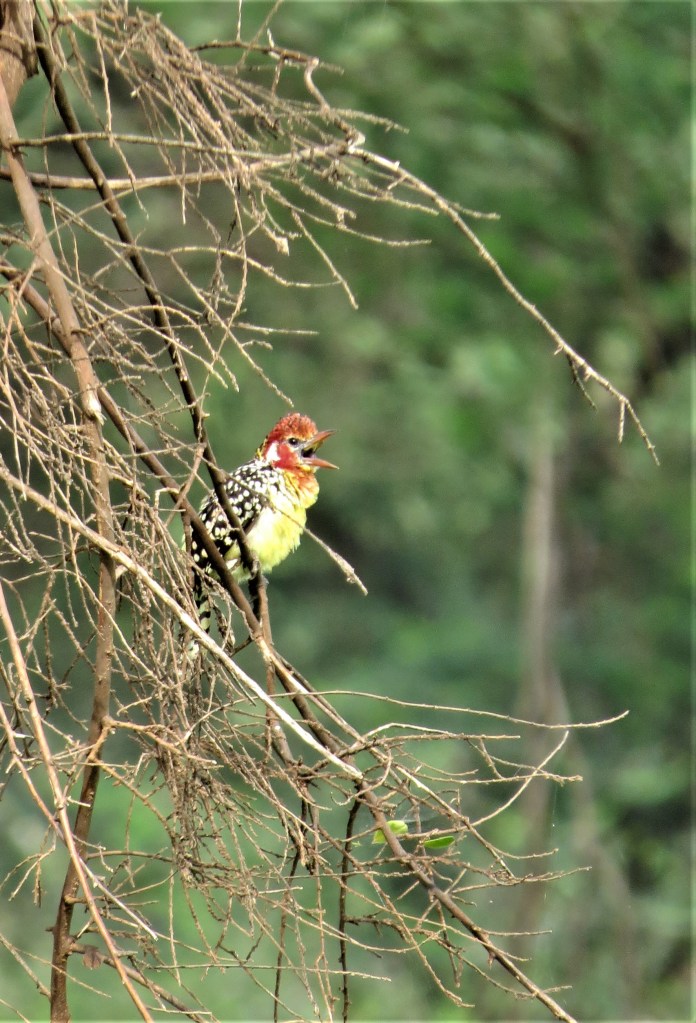
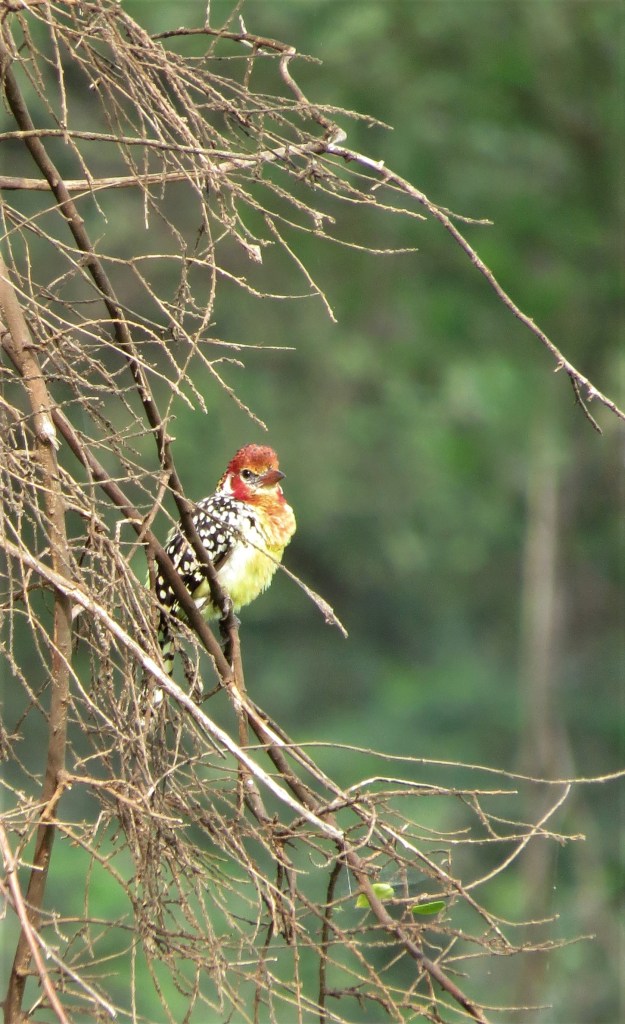
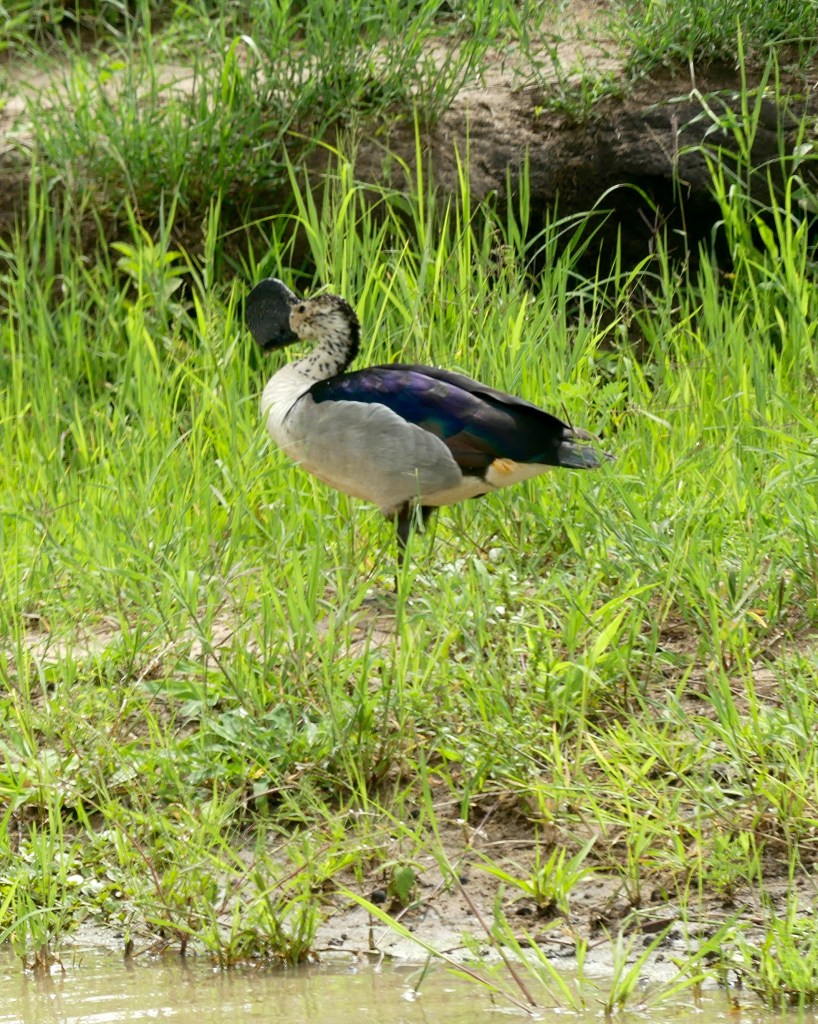
Birds birds and many more birds. Larkin did a great job of taking many of their portraits. White-bellied go-away-bird, Eastern Chanting Goswhawk, Vitalline masked weaver on her green woven nest, Northern White-crowned shrike, superb starling, red and yellow barbet, lilac-breasted Roller, yellow-necked Spurfowl, knobbed billed duck.
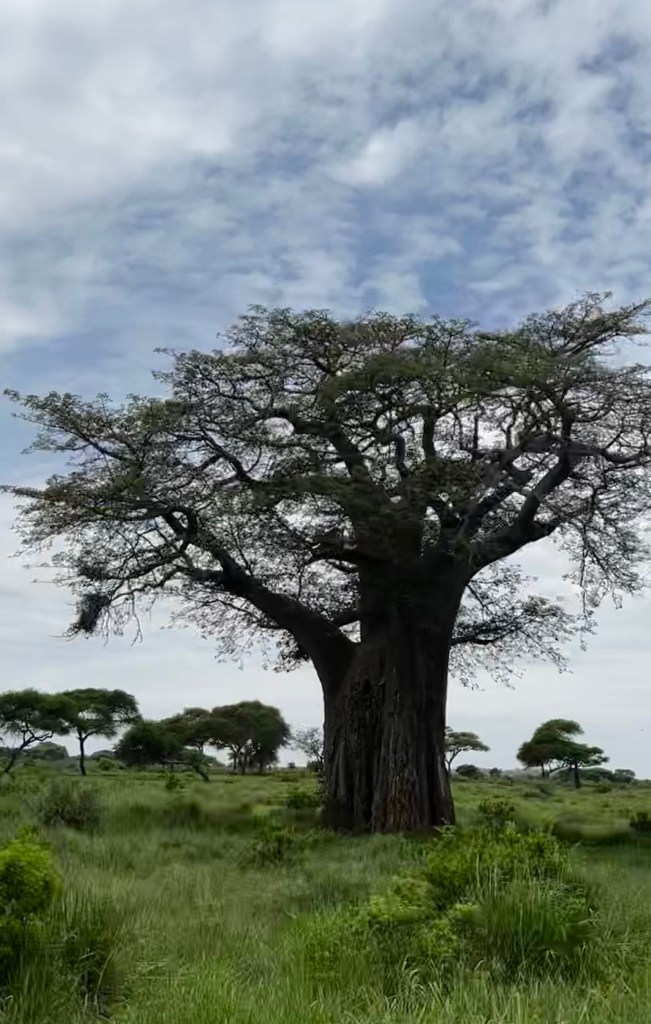
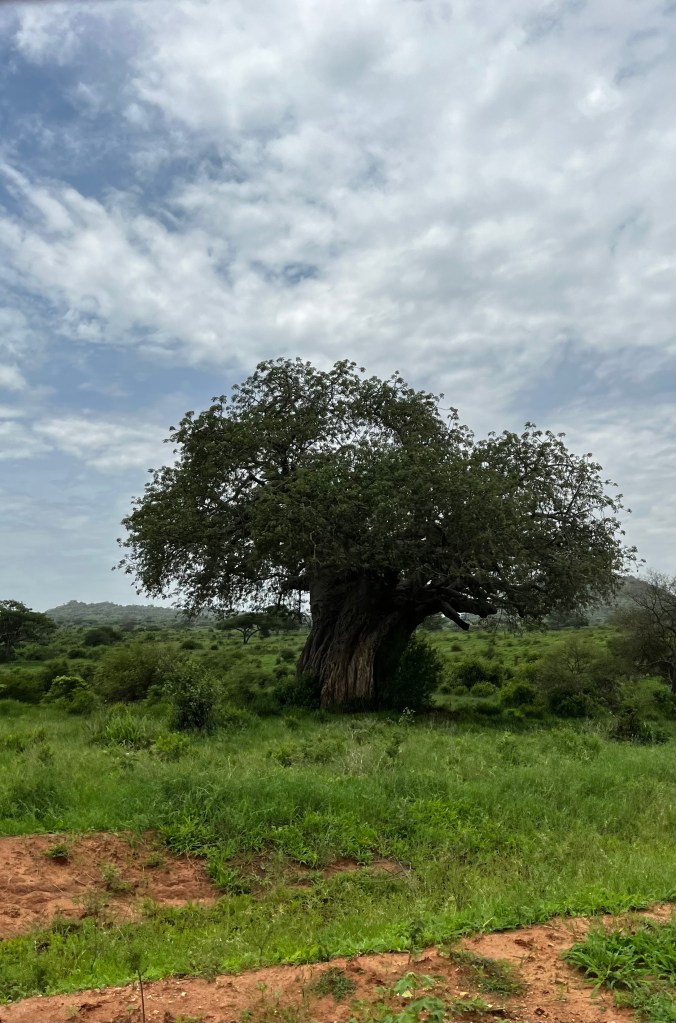
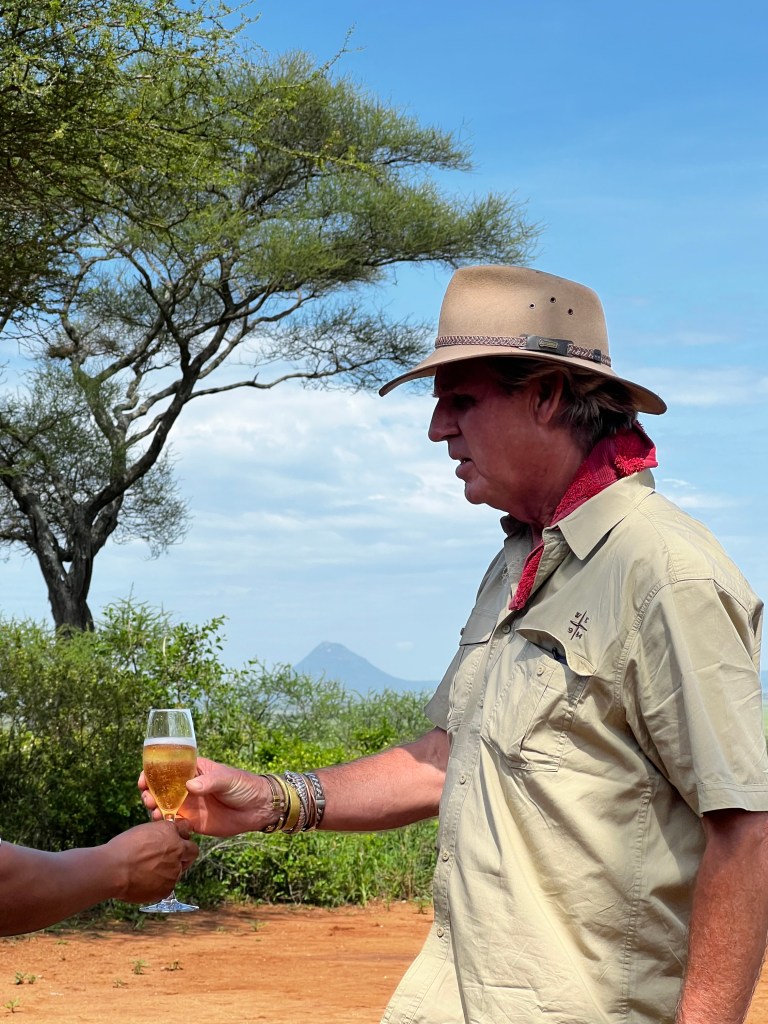
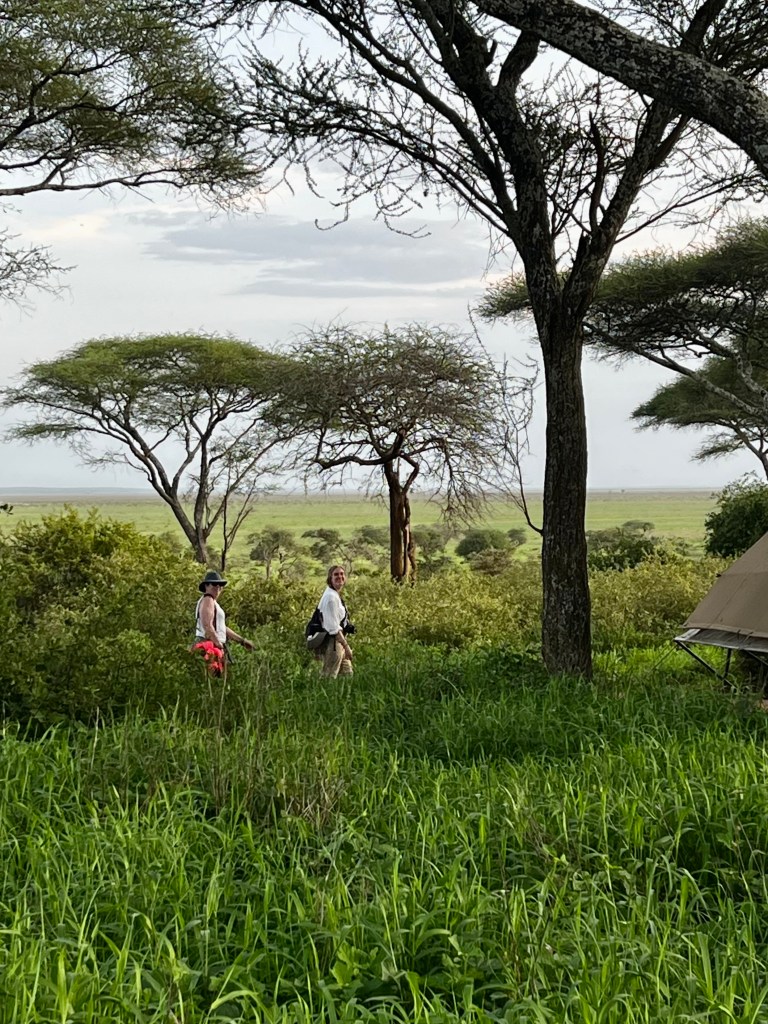

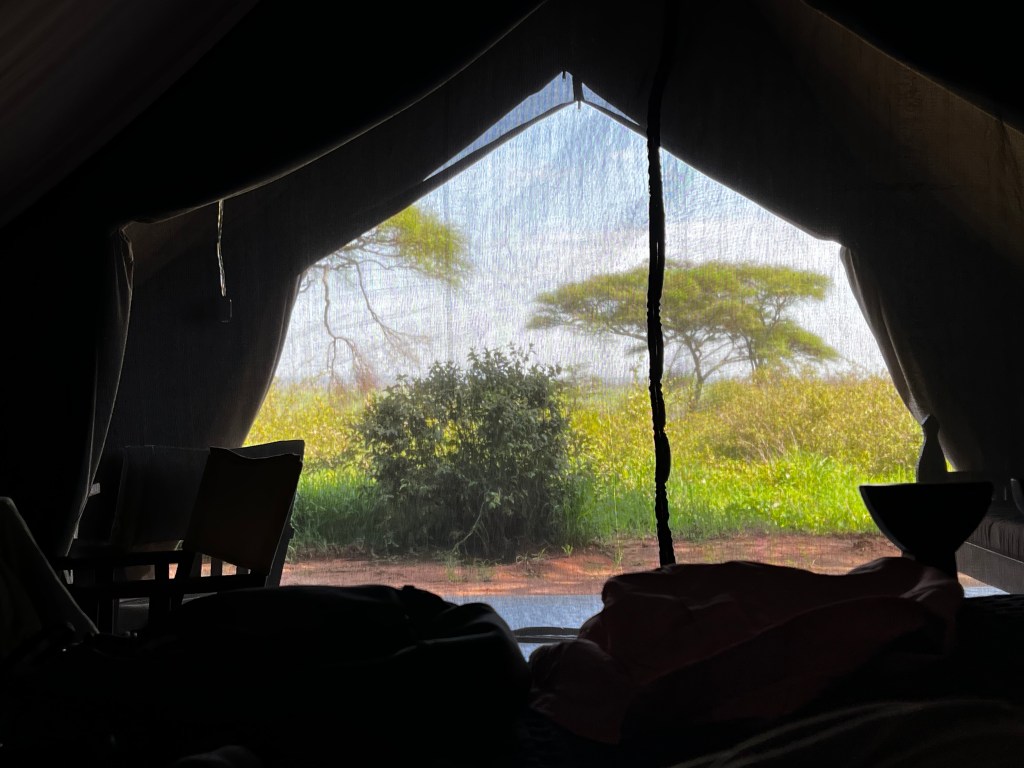
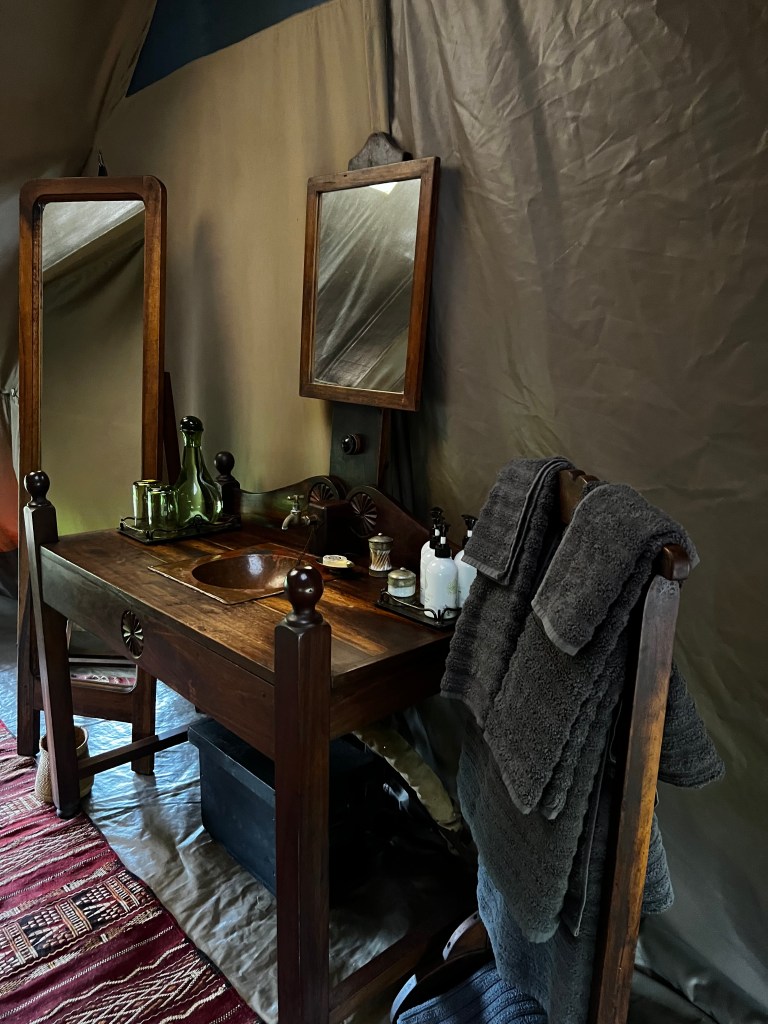
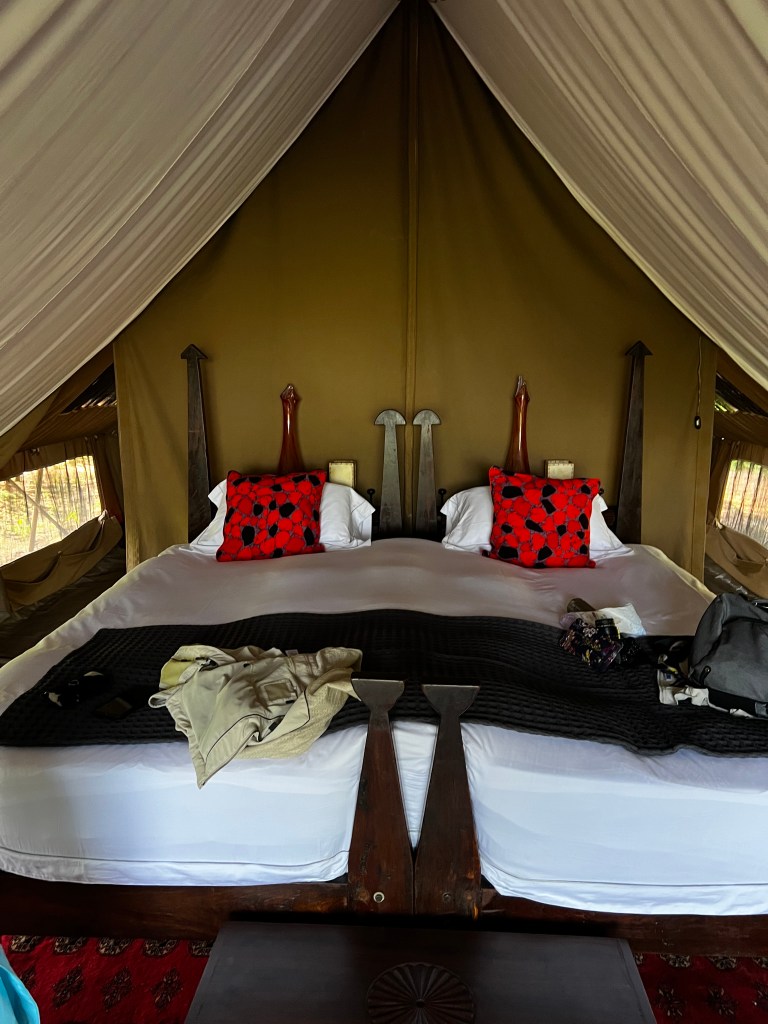
More visions across the landscape including baobab trees and acacia’s. Gary enjoying a nice glass of sparkling wine as we arrived in camp. Larkin and Jess heading to their tent which was just before ours. They had a nice tall termite mound which helped Michael and I realize the next tent was ours. They do all look the same – with incredible views looking out on the park. These tents were slightly more angular so we had to duck our heads to get in the the bathroom area but it also had a screened in veranda.
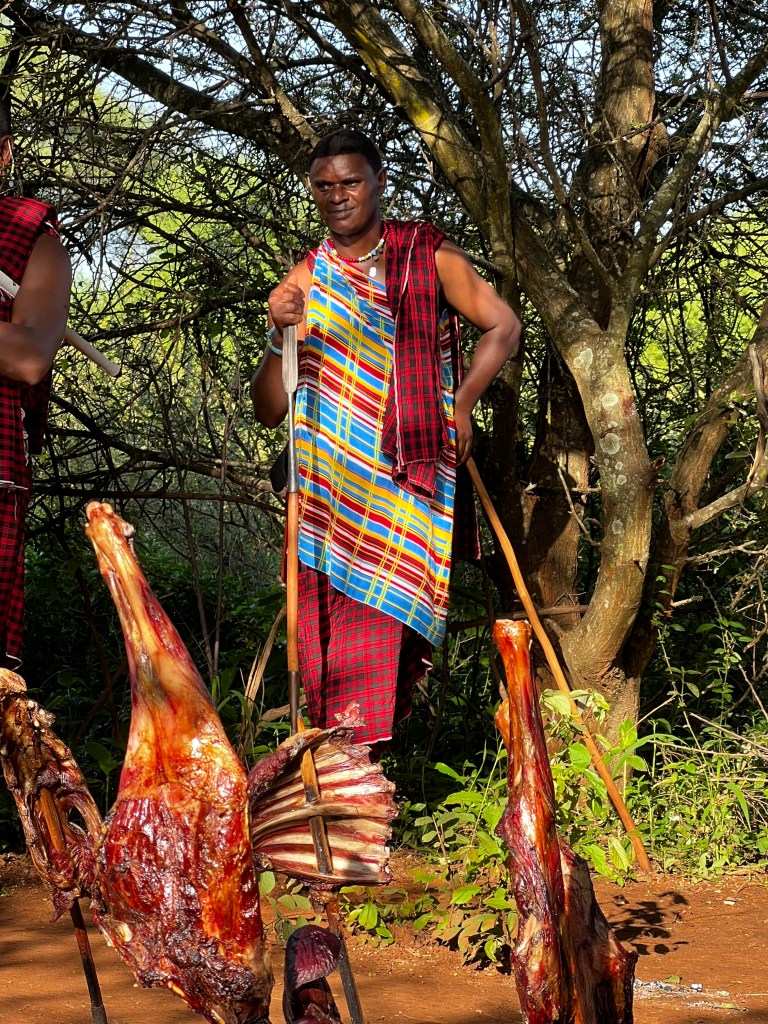

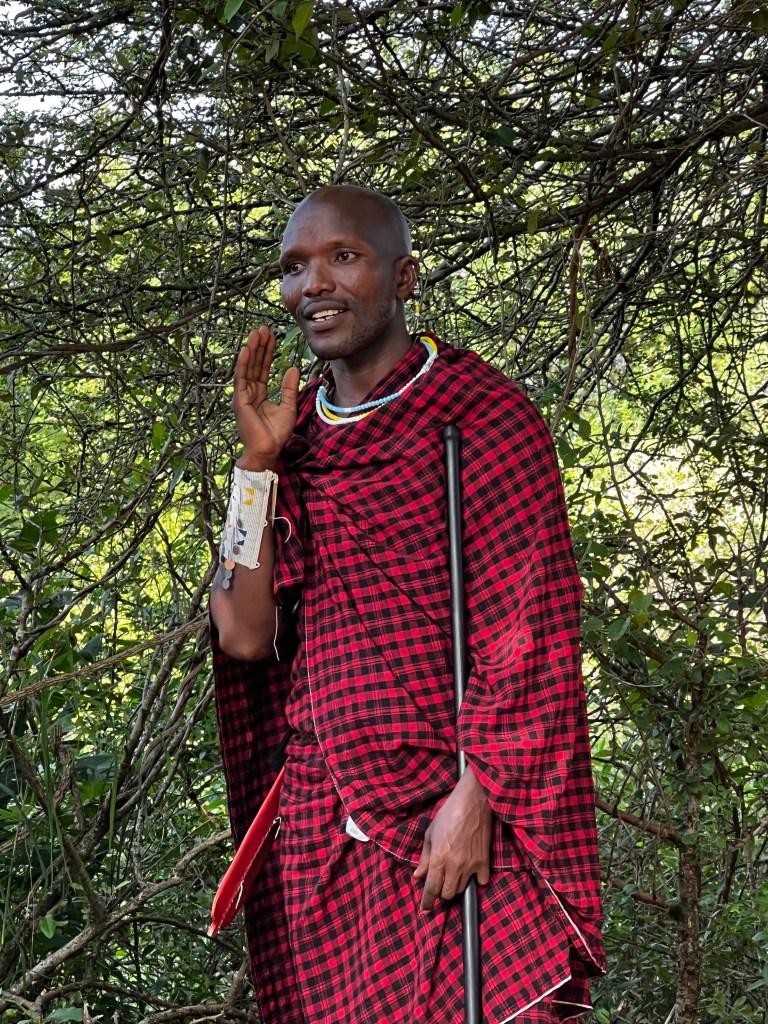
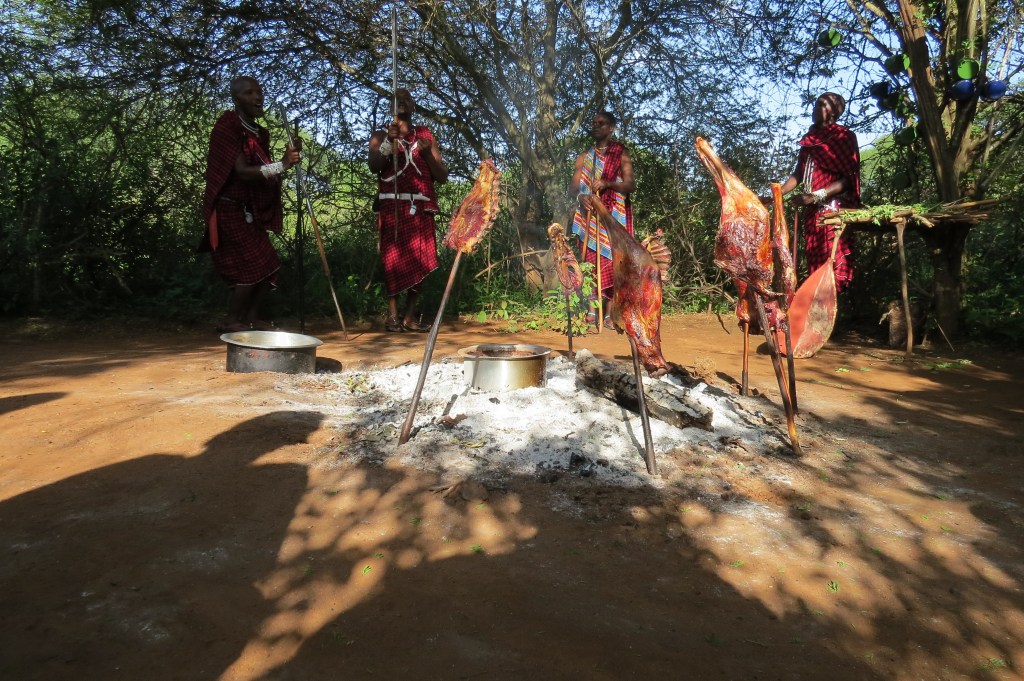

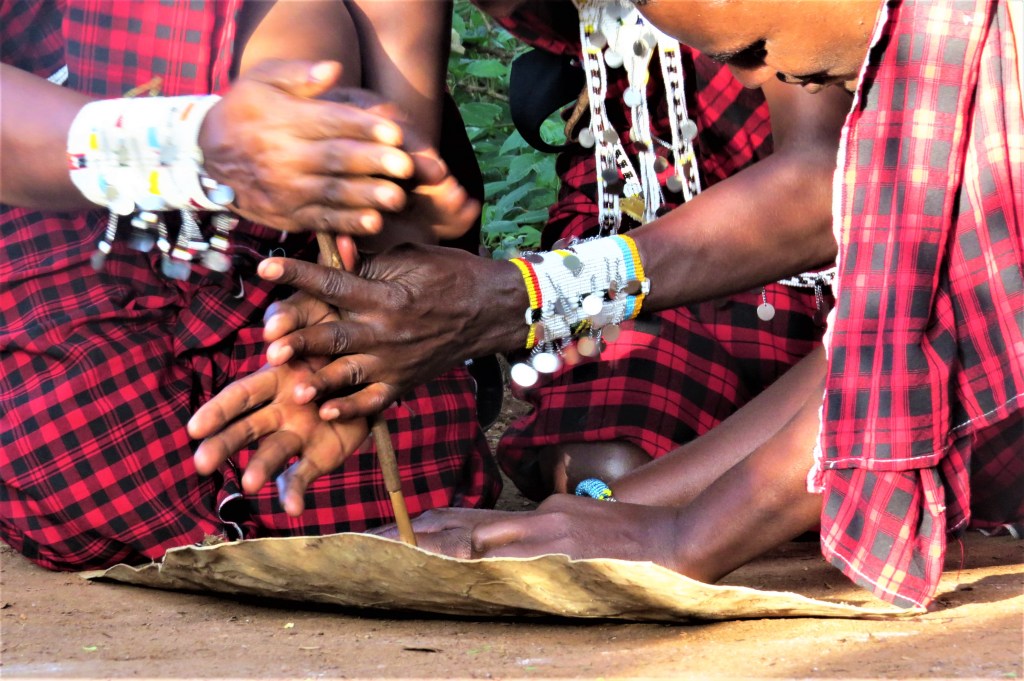
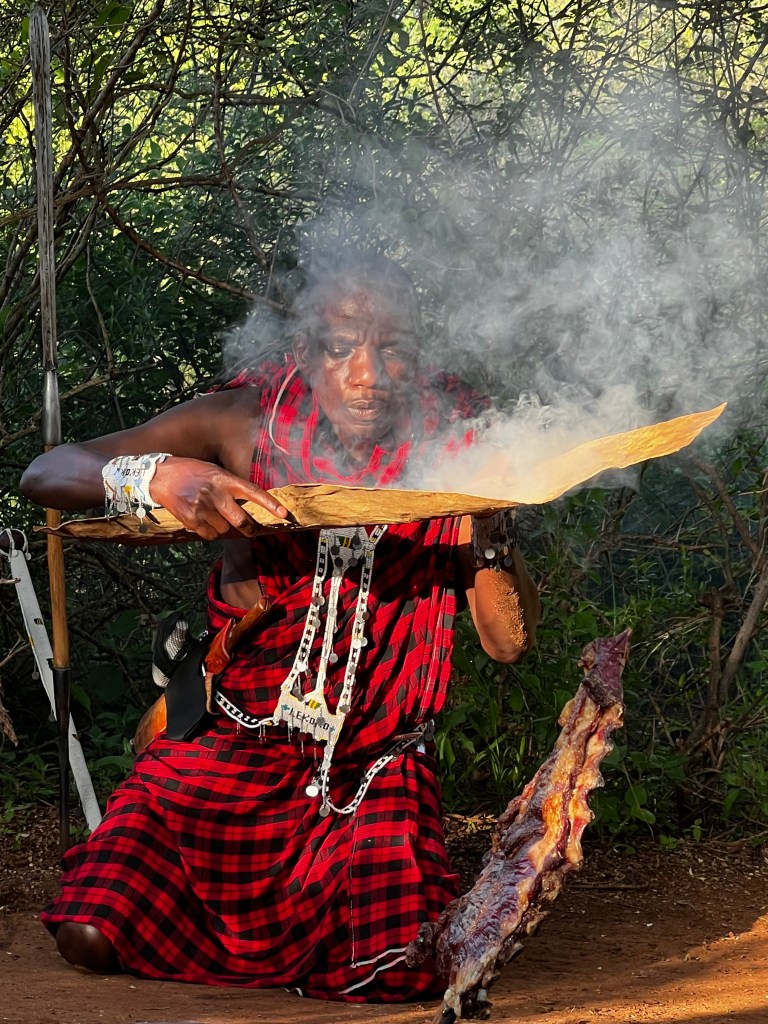
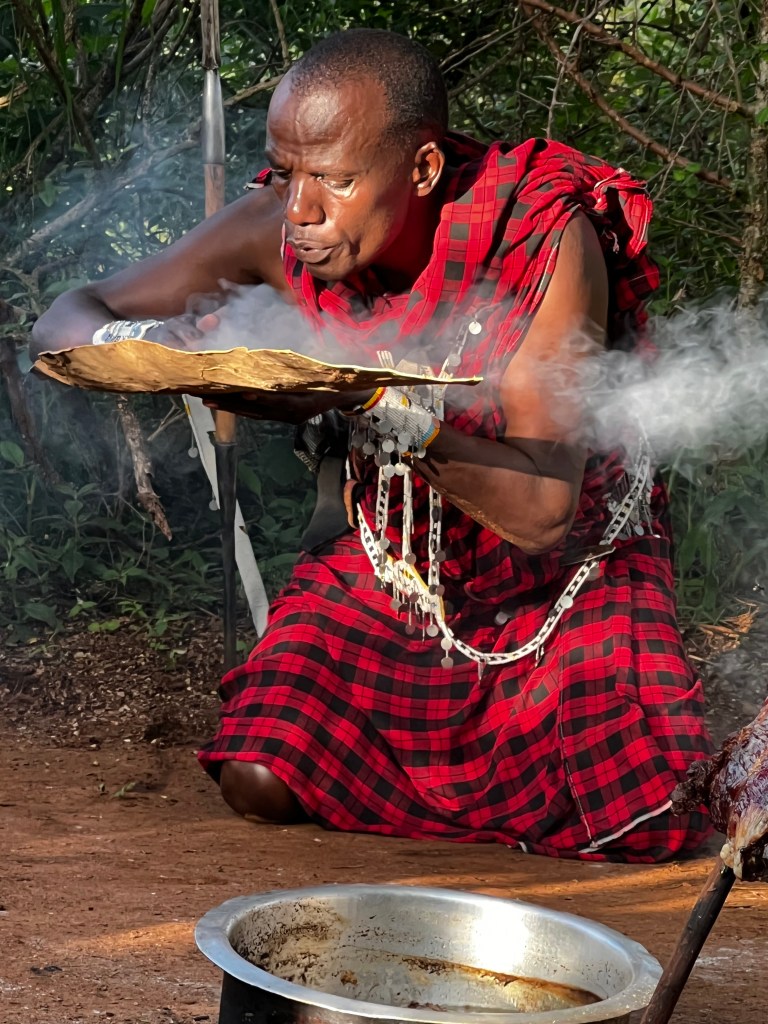

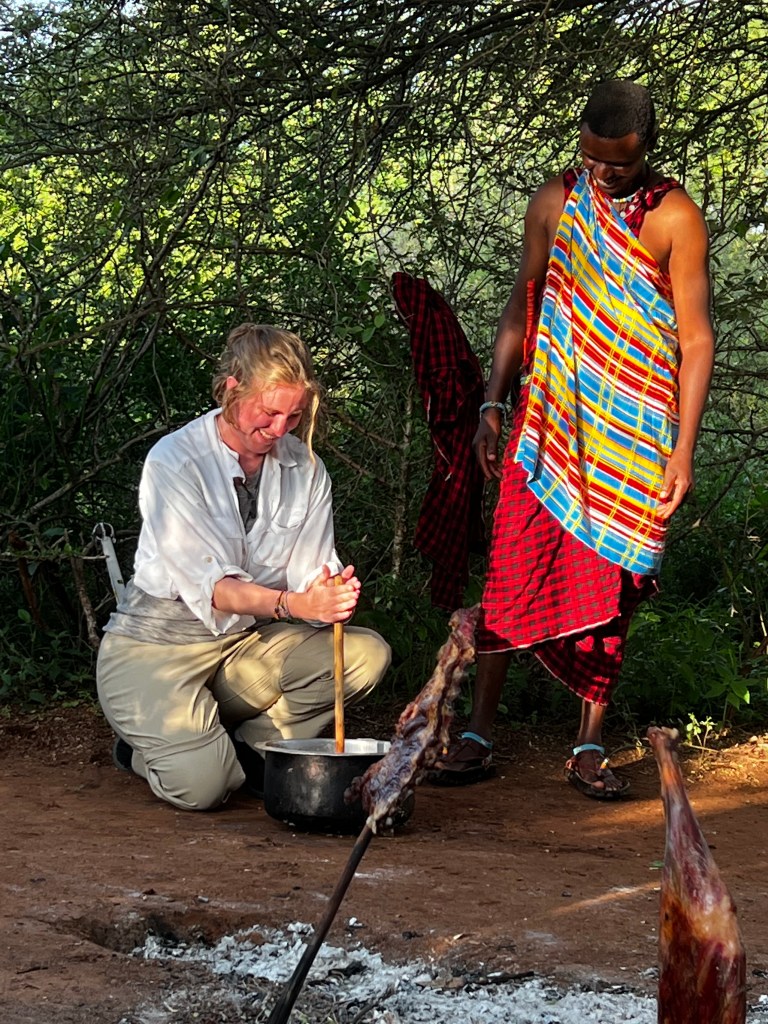
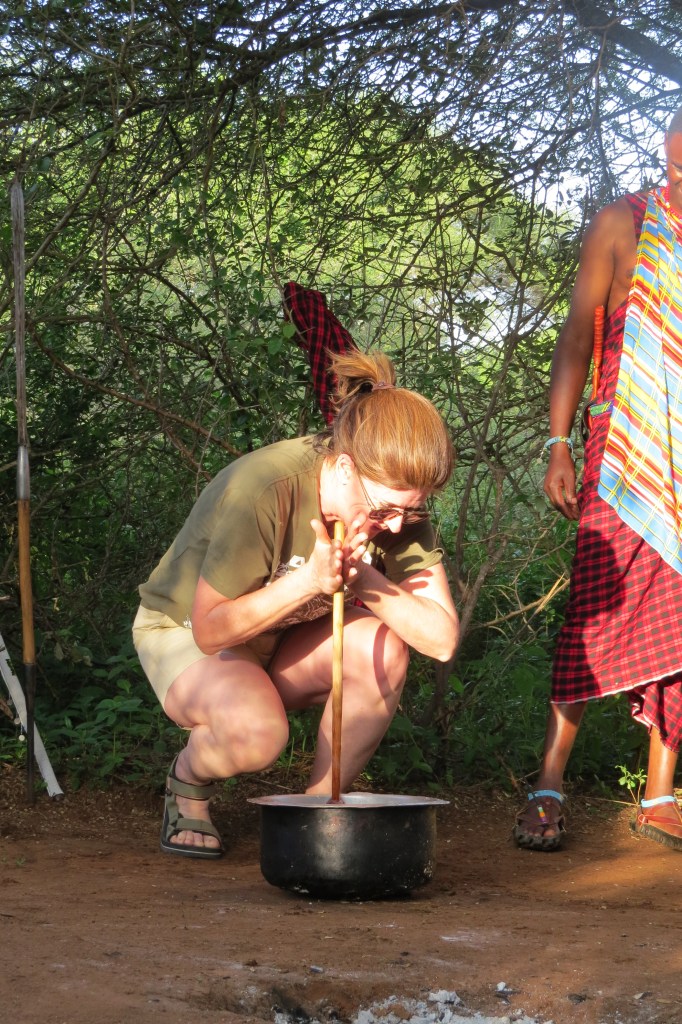
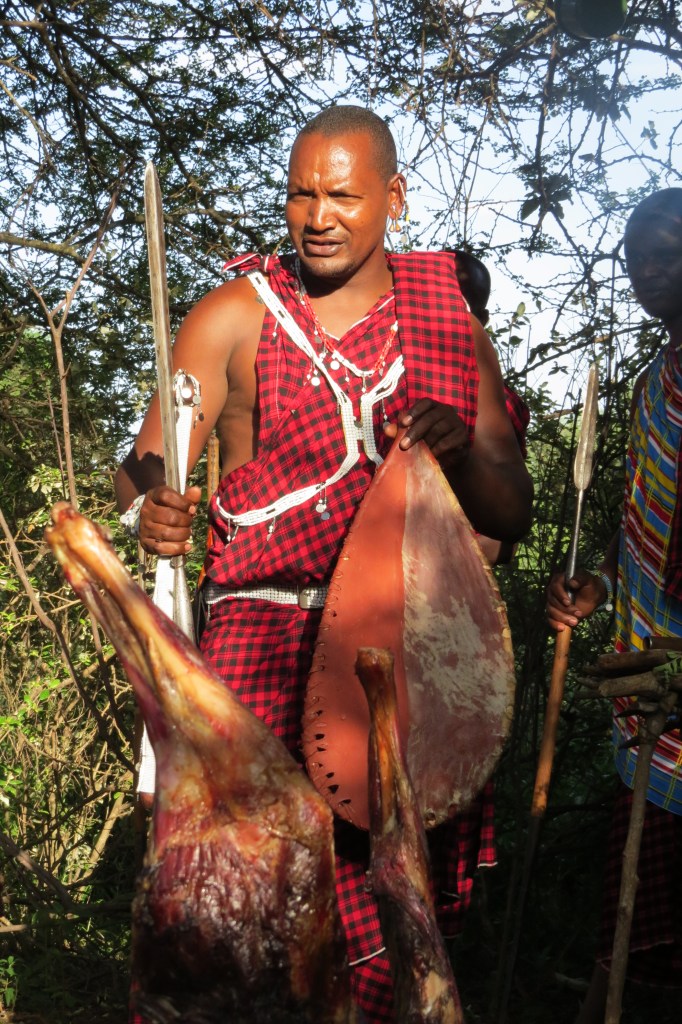
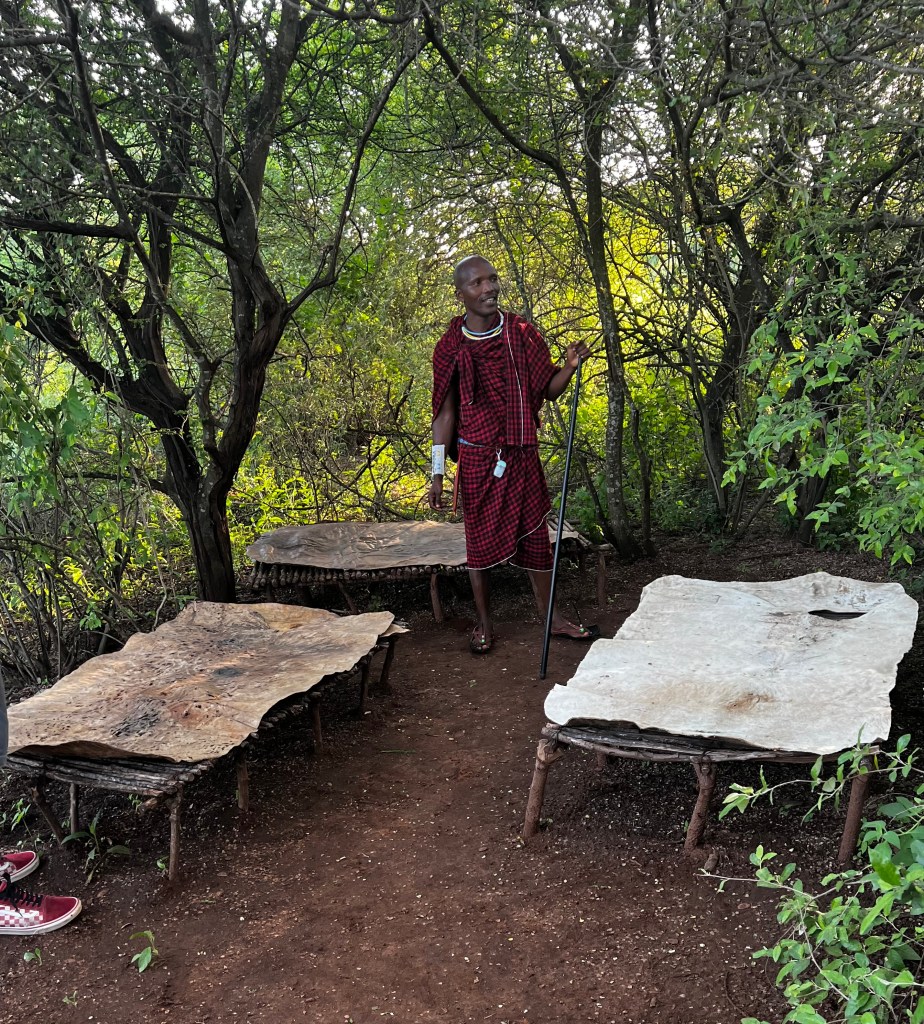
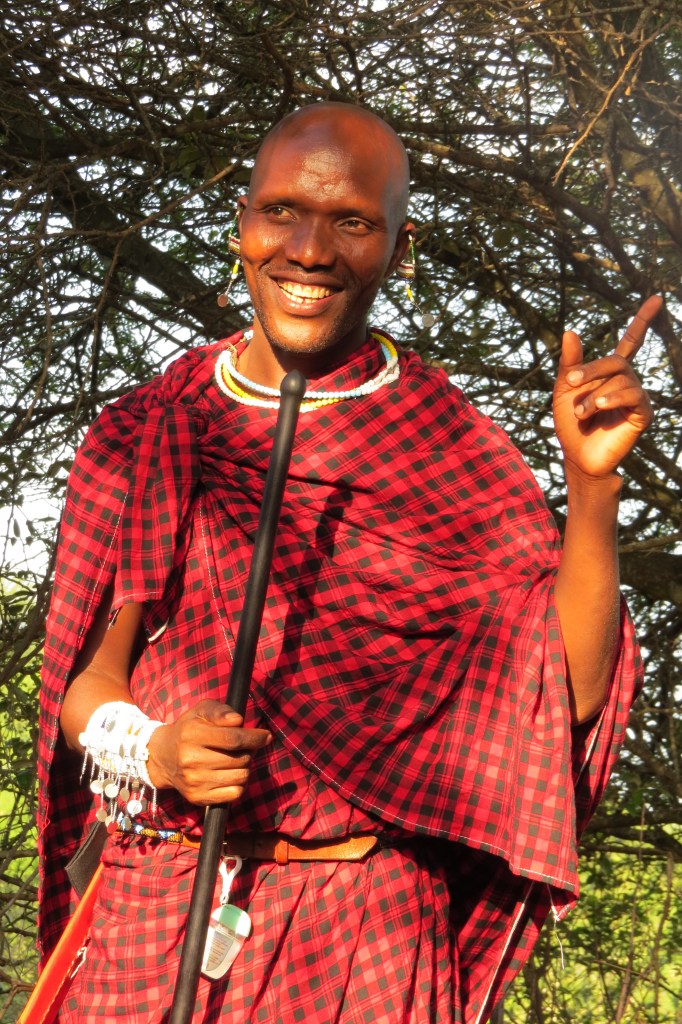
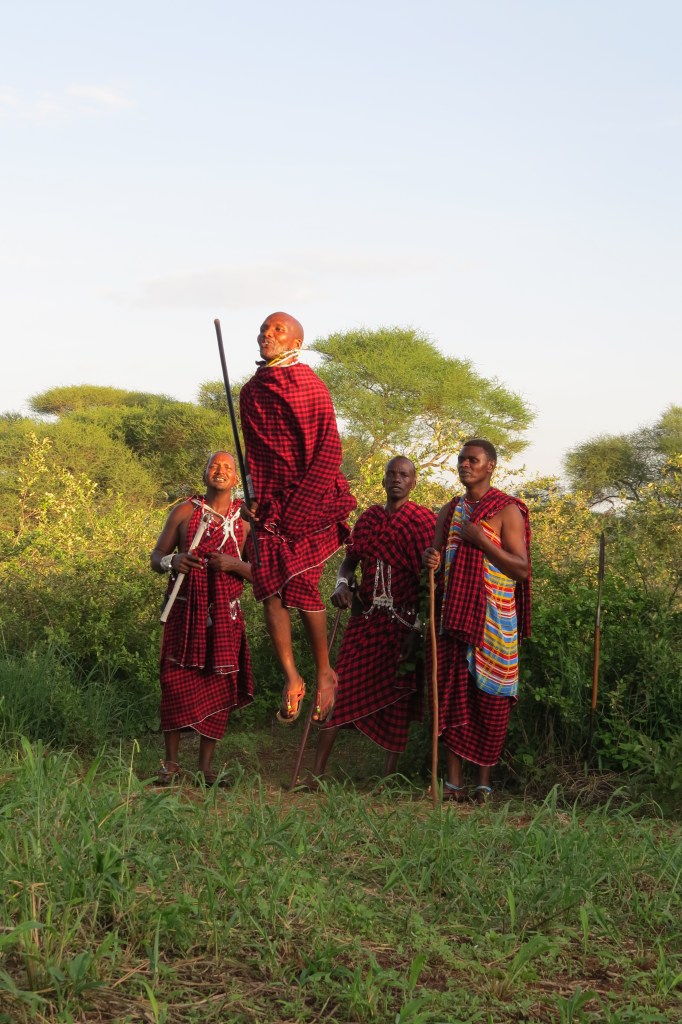
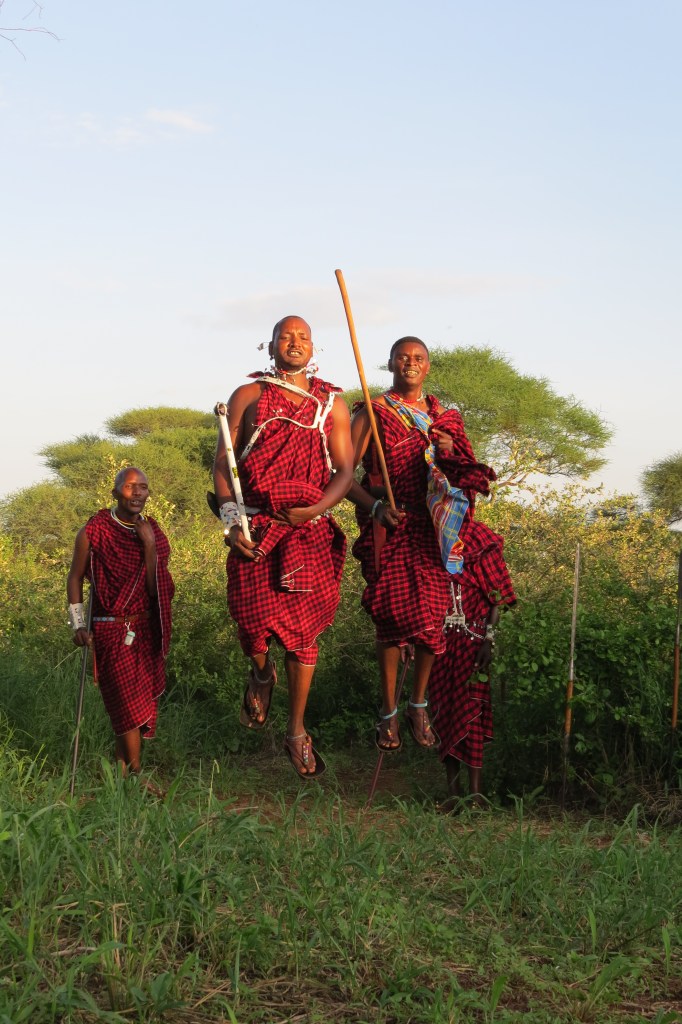
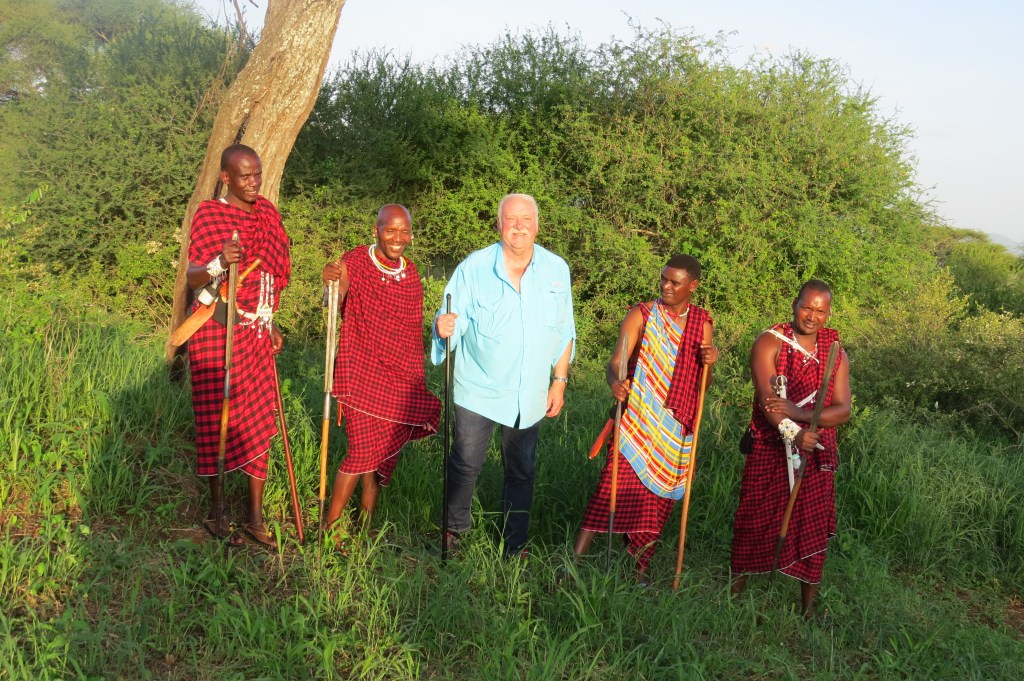
When we were settled into our tent we were hosted by the Maasai team to have an experience of the traditional Olpul. The team had been preparing goat for us all afternoon. Oh joy! We did taste it – my oh my, the goat stew might have been more tasty with longer prep time and more spices! However I did enjoy the goat ribs as it was more like jerky – the liver stayed on the board when it came by my location – not thanks. We were shown how they start fires and how to stir the soup properly. Within this Boma we were also shown their “cots” where they would traditionally sleep. Michael and Larkin took a walk to be shown the native plants that are used in traditional medicines. They also did a traditional dance – Maasai men can jump!
We were preparing for a goodnights sleep so we could get up to enjoy our very last night in the bush. We were sad knowing it was all coming to an end.
 THE TRAVELING MARTINI'S
I am going to review again- what great photos- where is Africa? Boys will be boys? Deborah L. Woehler, MS, RD, LD. Executive Director, Oliver Foundation 5535 Memorial Dr. Suite F, Box 256 Houston, TX 77007 cell-713-824-2290 dlwoehler@gmail.com dlwoehler@oliverfoundation.org http://www.oliverfoundation.org
Make Healthy Choices for Life!
>
LikeLike
Another fascinating and fabulous blog! Such great photos and such great experiences! I am enjoying it in my own, safe way right along with you. Thanks so much for sharing this wonderful adventure!!! Love, Judy
LikeLike