Despite the strike!
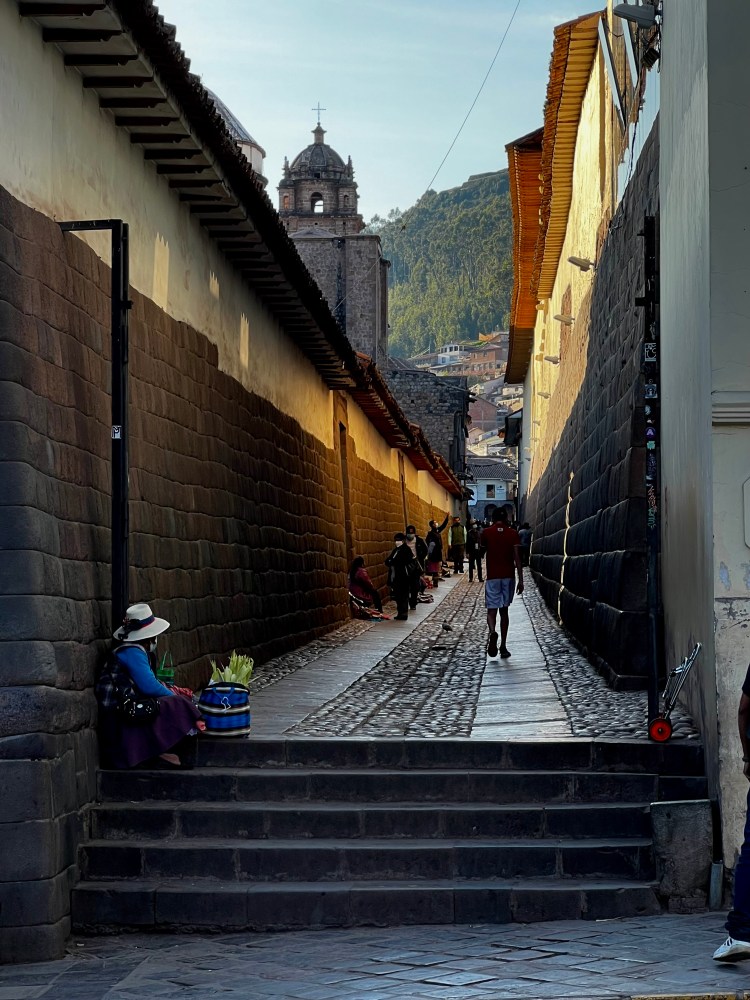
What an adventure getting into Cusco the historic capital of the Inca Empire.
Gas prices rise and lets have a strike! We must strike and demand more money!! The price of gas has hit us all in our pockets. However, it was the first time that workers decided to stop the trains not just local businesses etc.! We were told while still in Lima our hotel had changed and our itinerary was to change. When we landed in Cusco, the parking lot was mostly empty except for police and buses and we had no clue how to find our ride. Police were directing people to the buses to be taken into the town center.
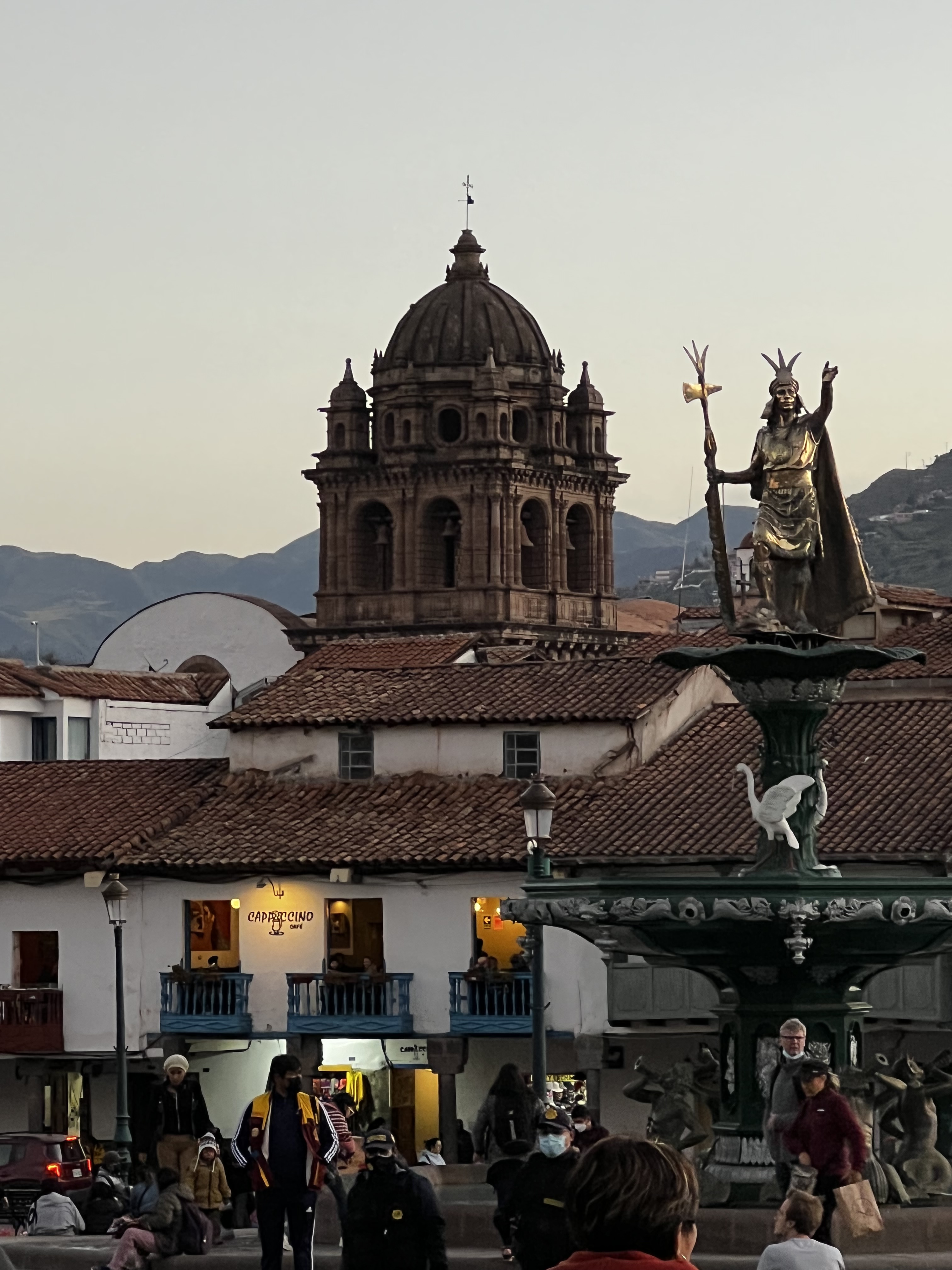
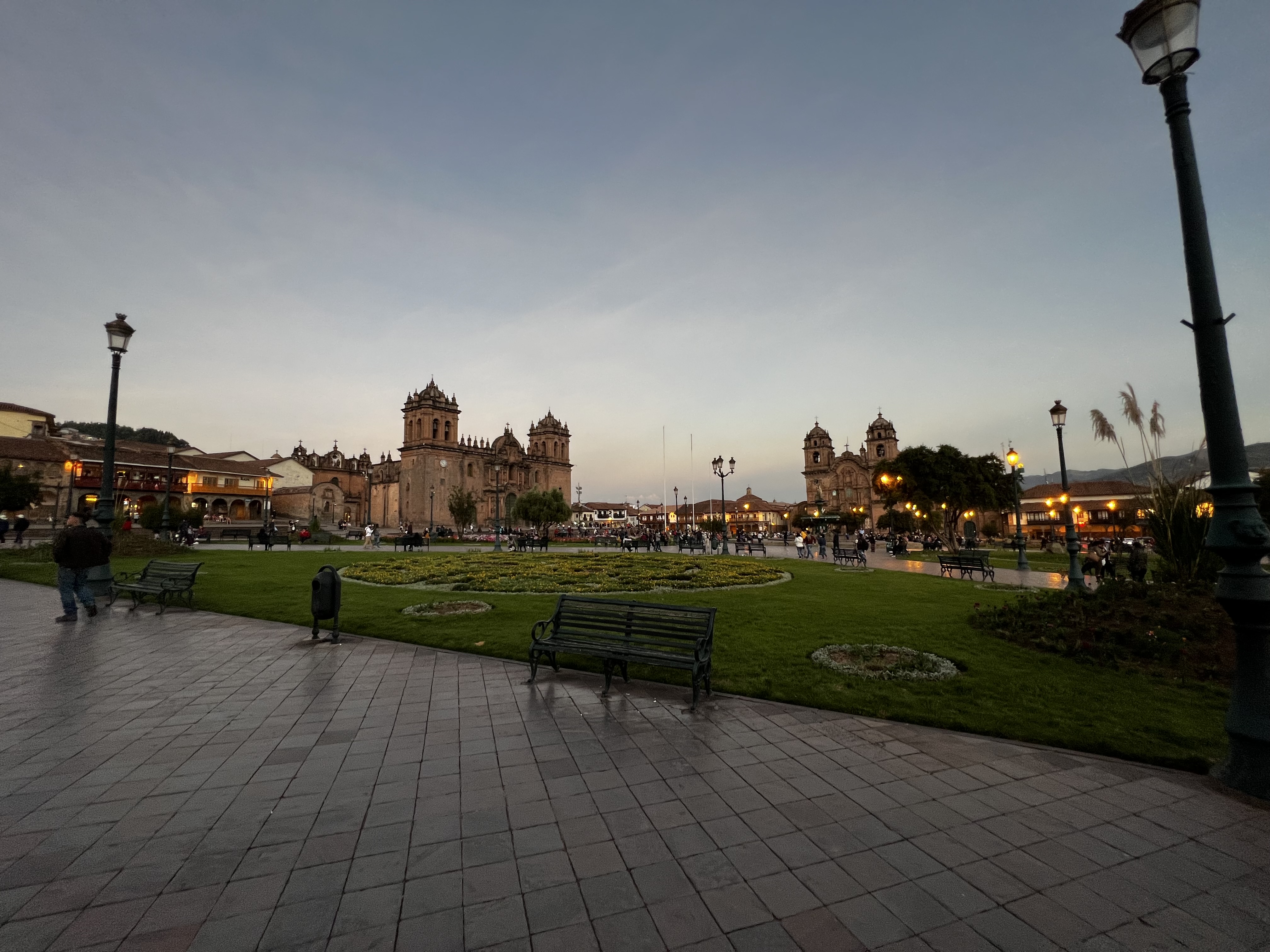
I decided to turned Verizon on and called the local number we were given by Belmond our travel group. I figured $10 was a worthy investment. We were told to walk out the gate rolling our luggage (once again we were blessedly carry on!) – lo and behold we found our name on a sign. We were rushed across the street to waiting vans and had to follow other vans as it was “safer.” I have no photos as we crept past one street toward another as many streets were blocked by logs and people and piles of trash. The entire time we felt safe. There was no violence connected with the strike only inconvenience to tourists and businesses. We eventually arrived at our last minute hotel a JW Marriott – El Convento which was about two blocks from the town square. Last minute hotels that were not Belmond were hard to find. People were stuck in Machu Picchu at the Sanctuary hotel and people in Cusco couldn’t get to Machu Picchu due to the railroad closures. We were supposed to be over the hill in the sacred valley to take the train to Machu Picchu from an overnight stay at Rio Sagrado…the strike continued. So we enjoyed Cusco first! First off Sergio our guide started by showing us areas around the Plaza de Armas.
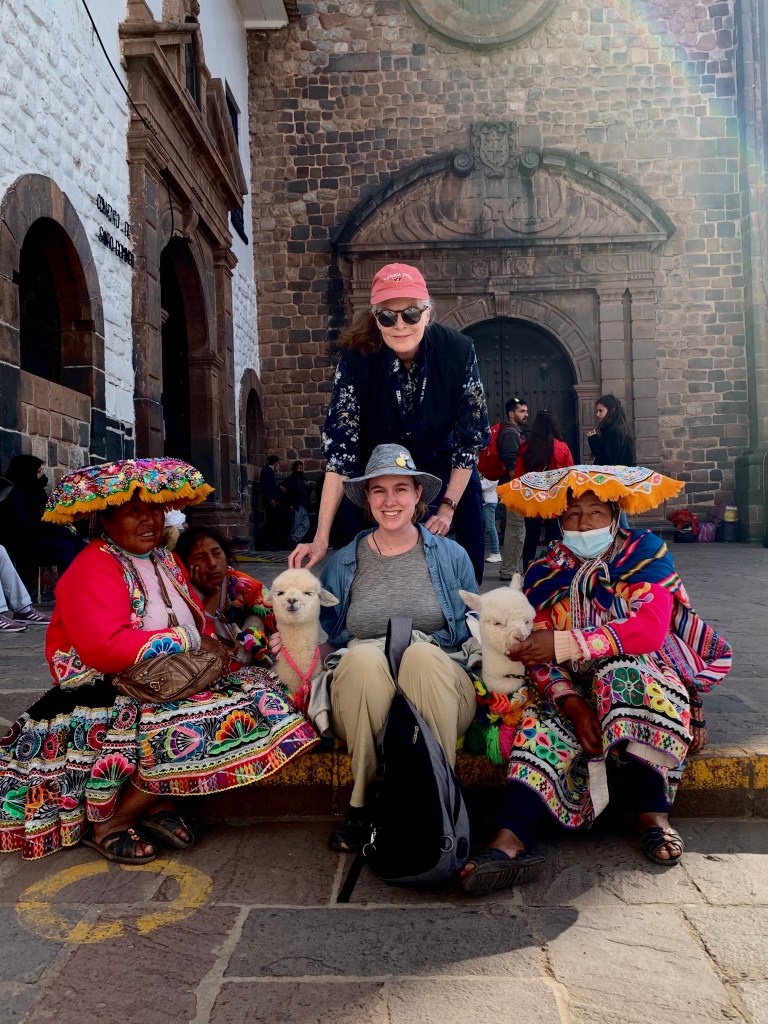
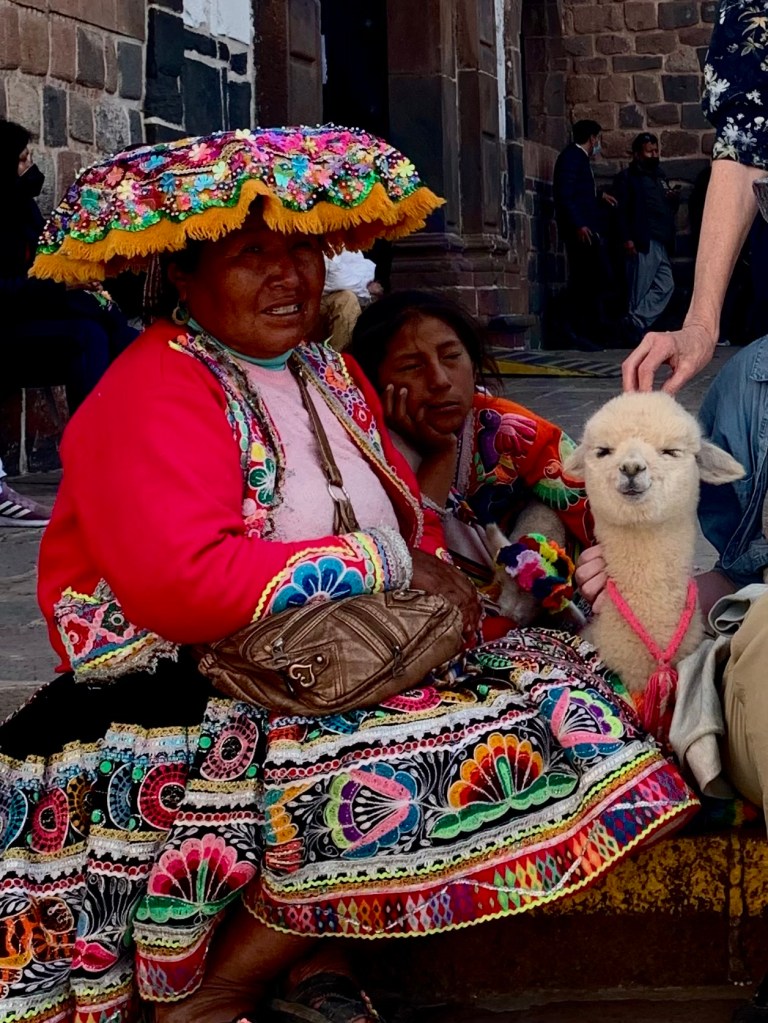
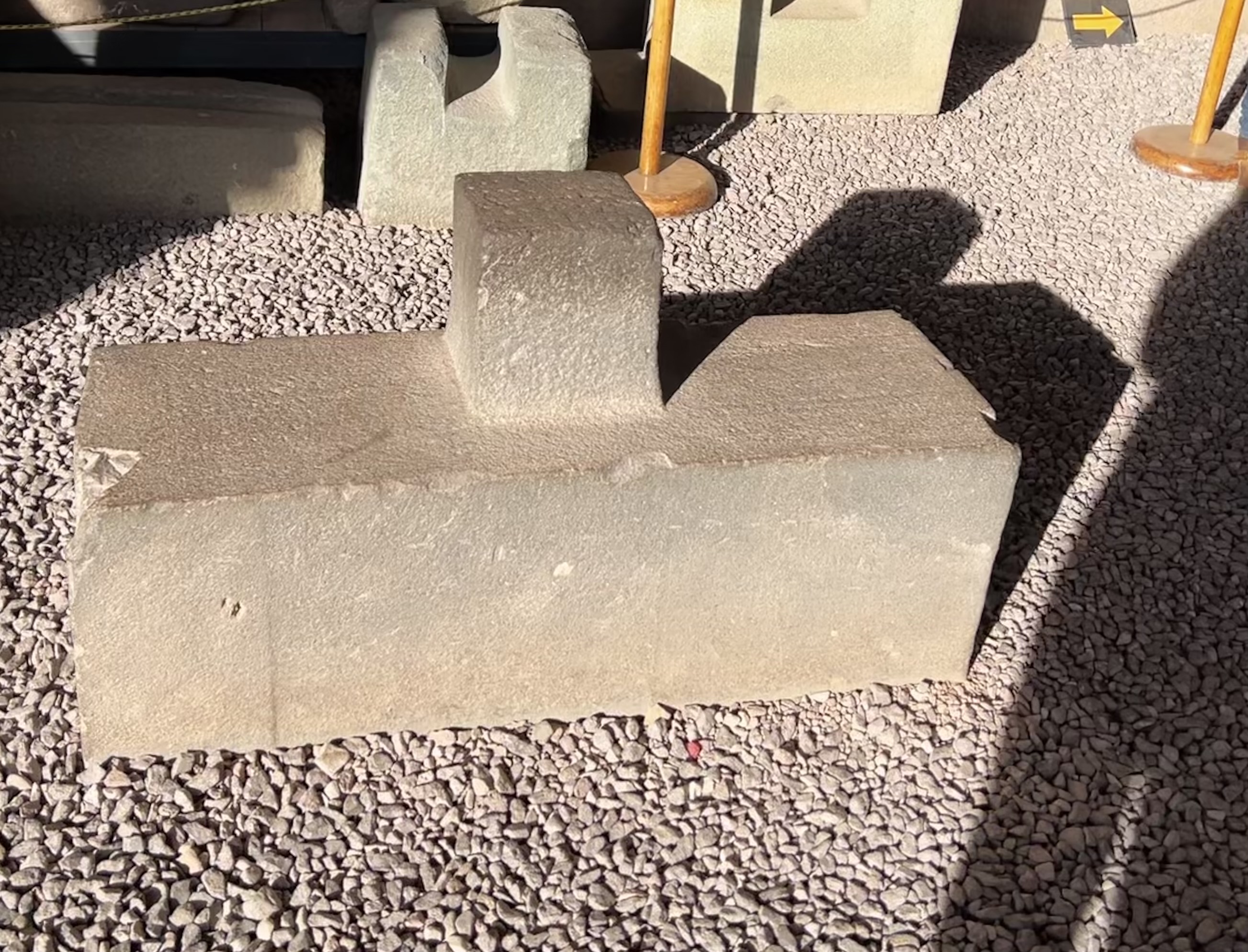
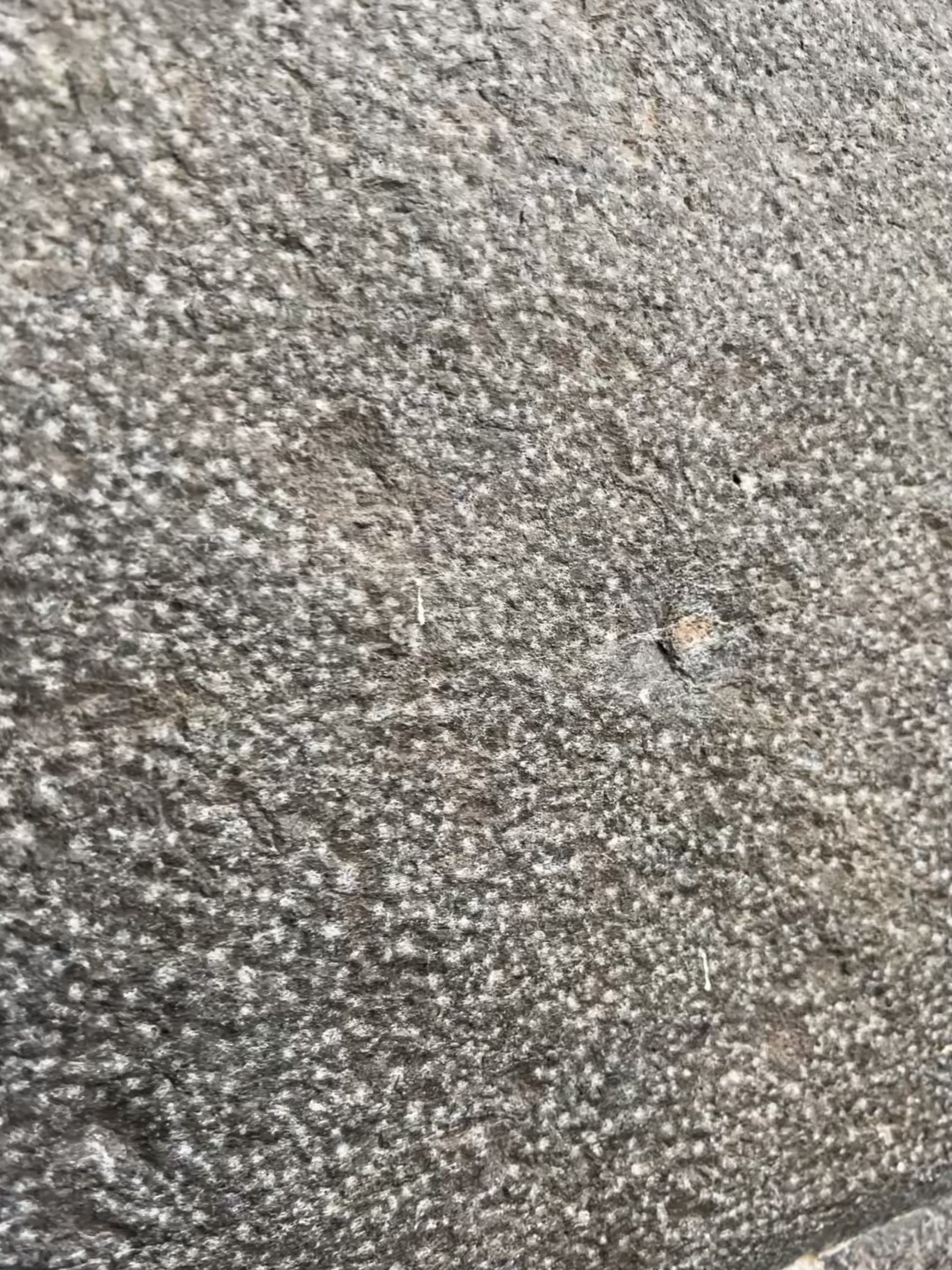
Quechua is the language and people of Peru and the other countries of the Andes. These people are pre-Incan. There are many different dialects. The Incan palaces in Cusco used a Cyclopean building style which mean large blocks of stone placed using no mortar…the most famous one known is Machu Picchu and we awaited news of when we could finally see it! To see this exquisite work like the walls of the top picture close up is just amazing. Perfectly cut and angled to fit just right with basically no major earthquake issues.
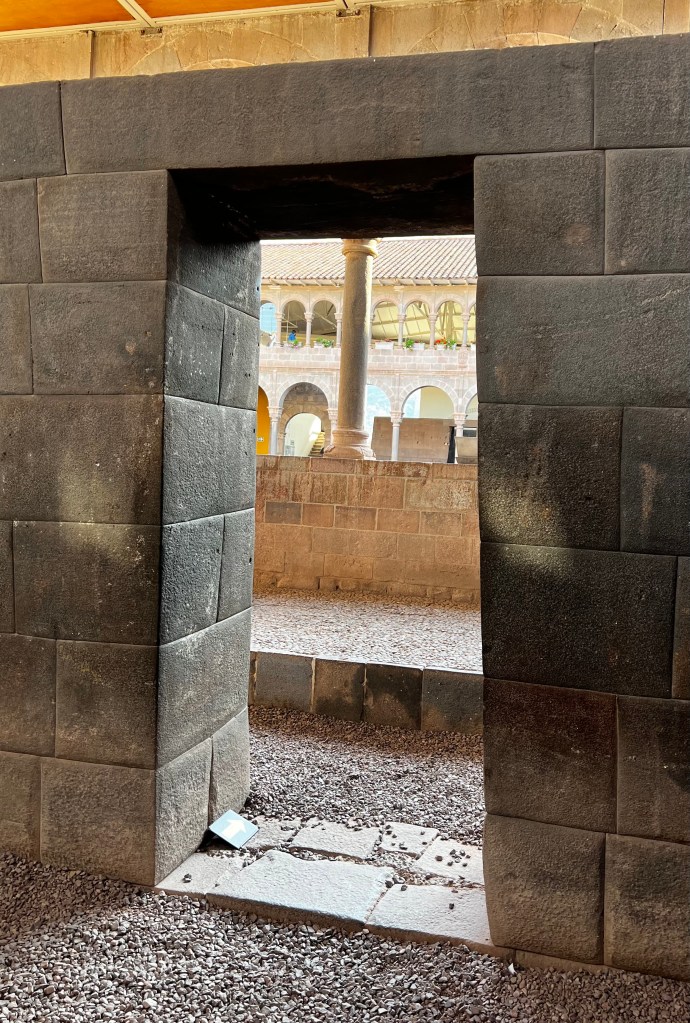
Closeups on the blocks and the doors are below. Fascinating!

More glorious doors. Can we create these at home?

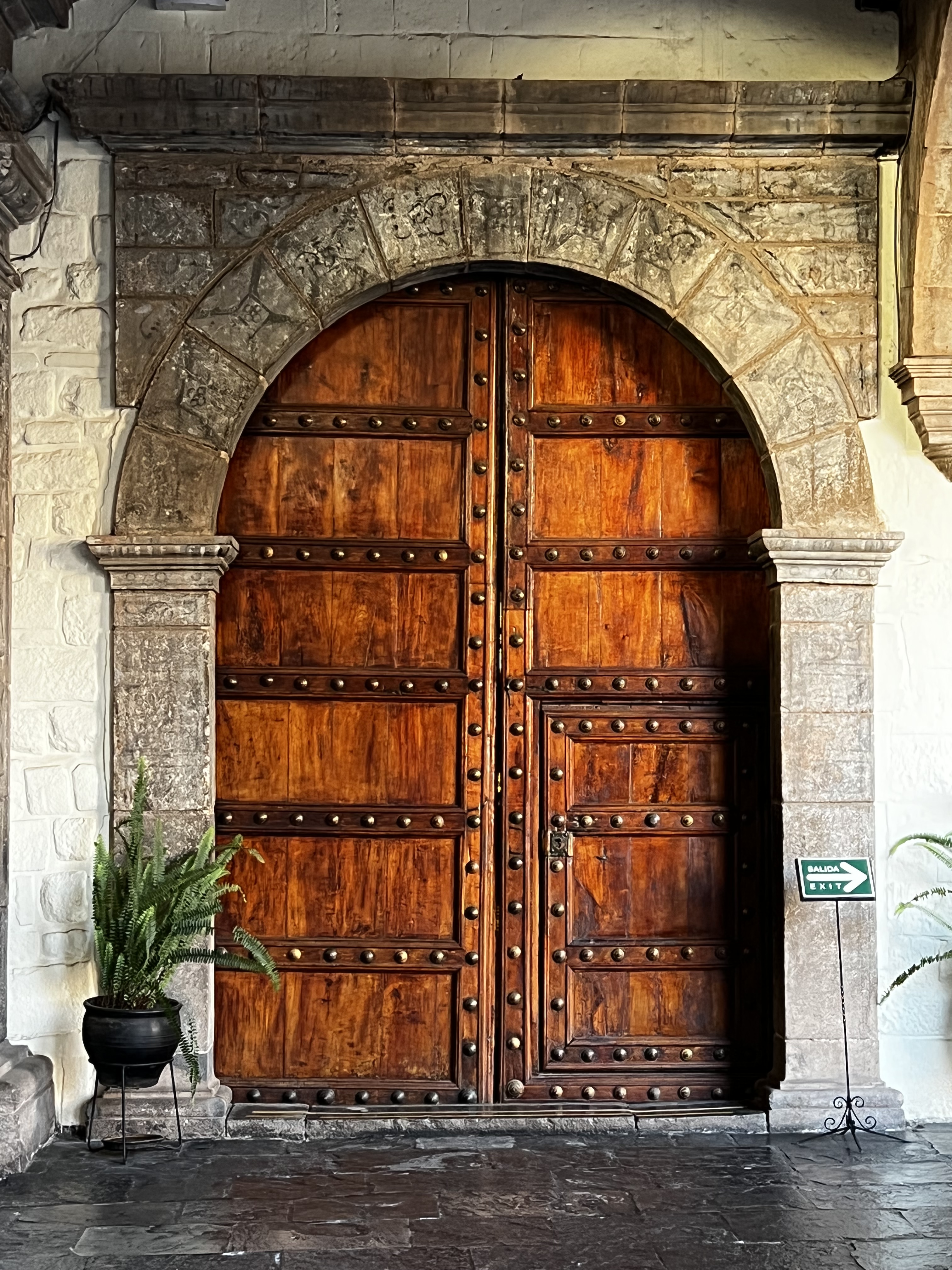
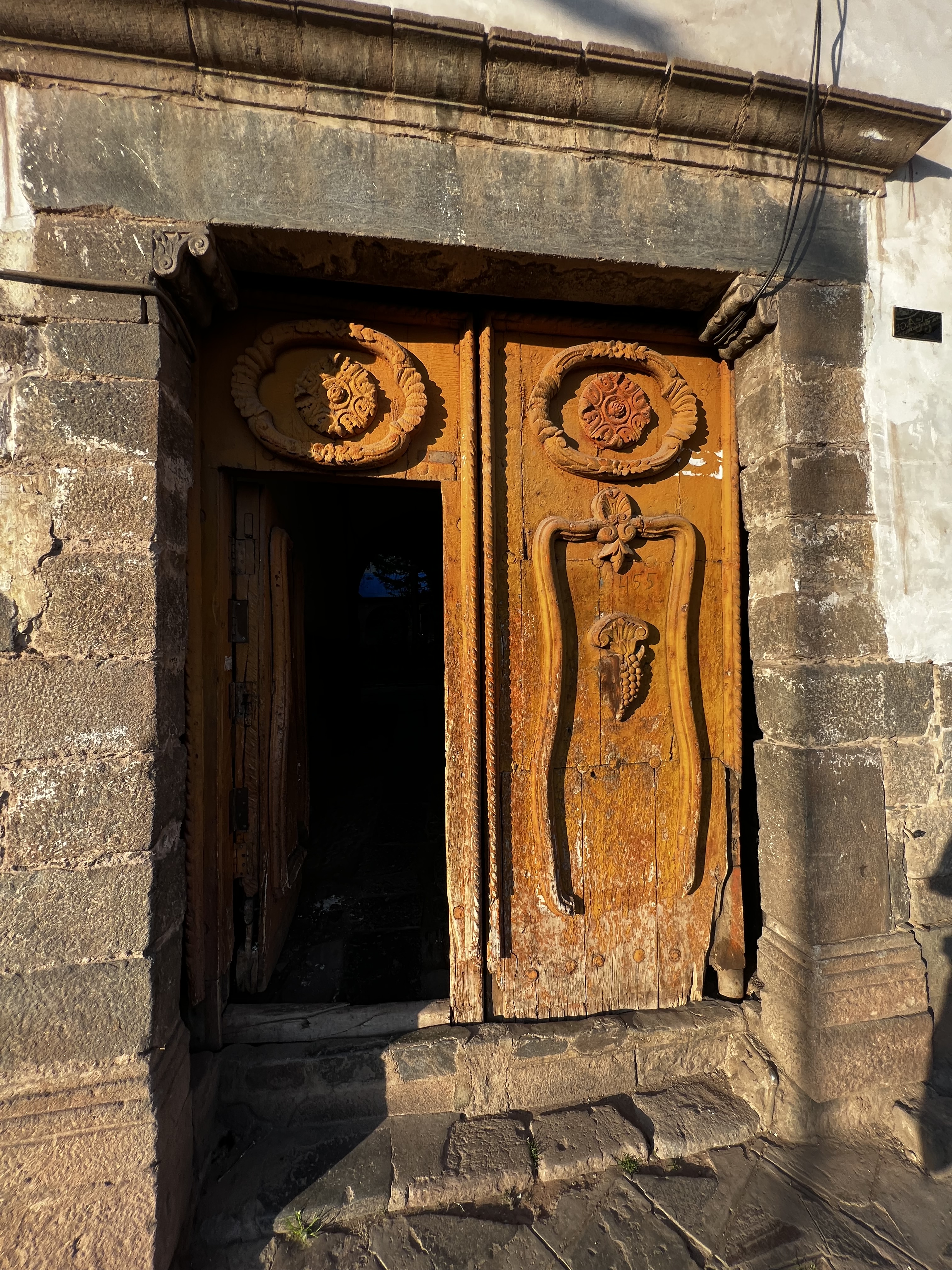
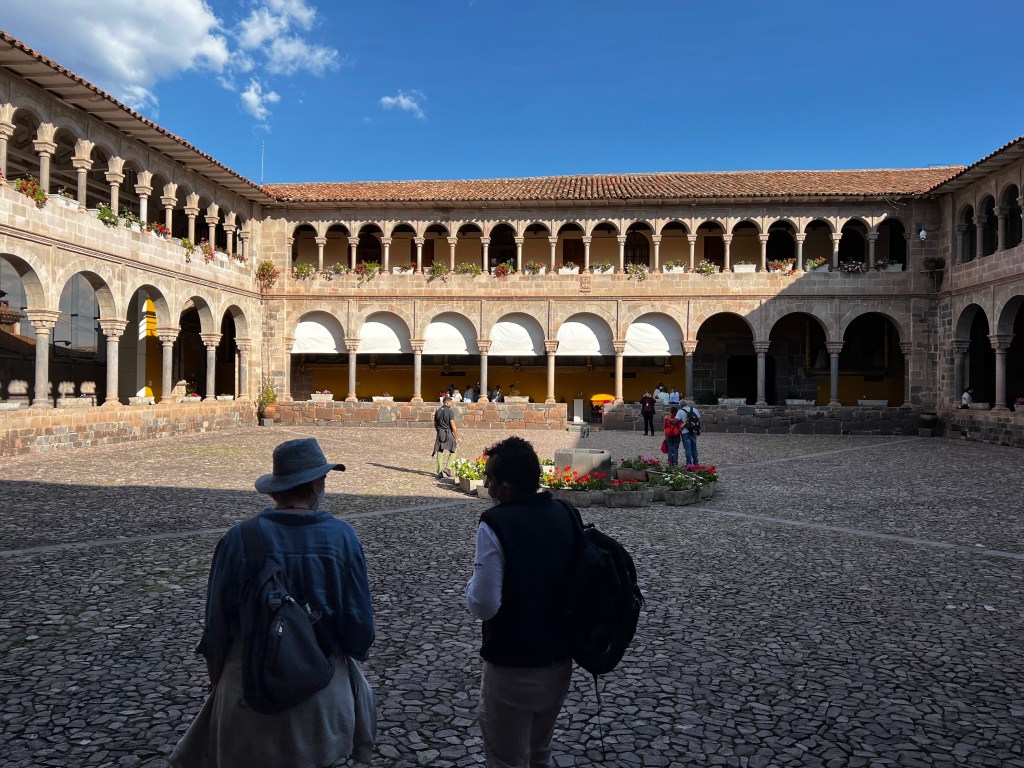
The catholic church took so many of these wonderful palaces and turned them into a site for a Catholic church or Spanish palace. They often plastered over those incredible stone walls and painted Spanish decor on them. Sergio informed us about the Quechua – their history and language and much of their history before the Spanish showed up and even pre-Incan. Basically in one ear and out the other as names like Quechua don’t stick in the grey matter because I had never heard them before. The Andean countries seems such a mix of Inca and Catholicism. We walked the Plaza near sunset before heading back to our hotel. Beautiful views of the hillsides going up from the 11,151 foot plaza.
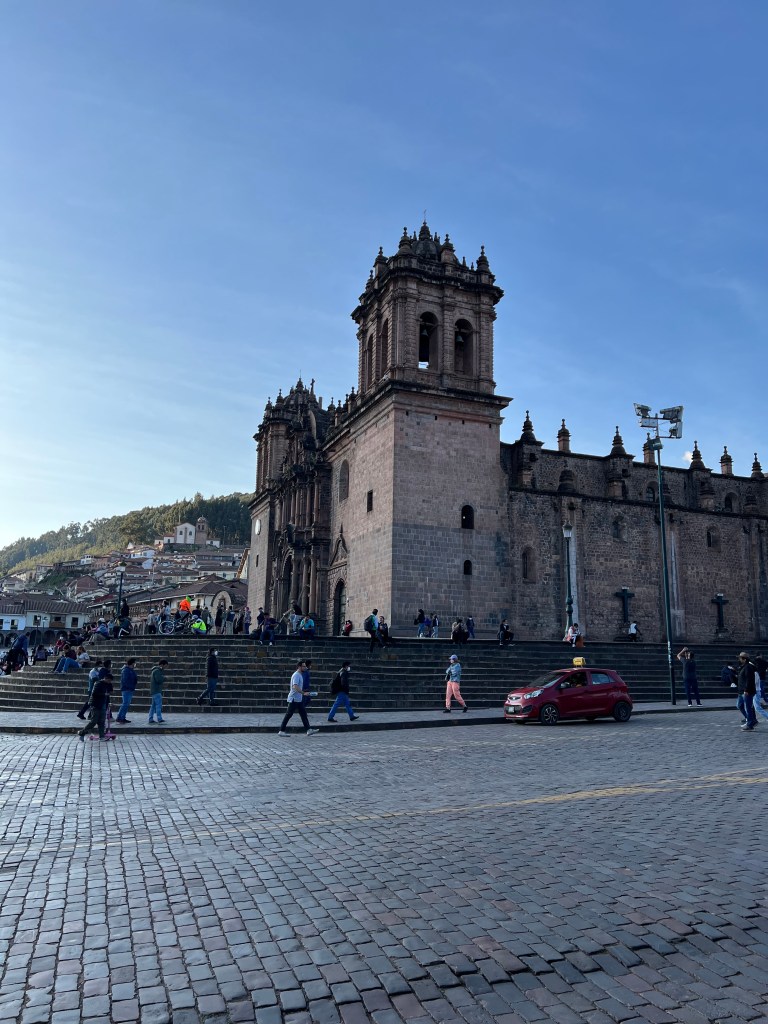
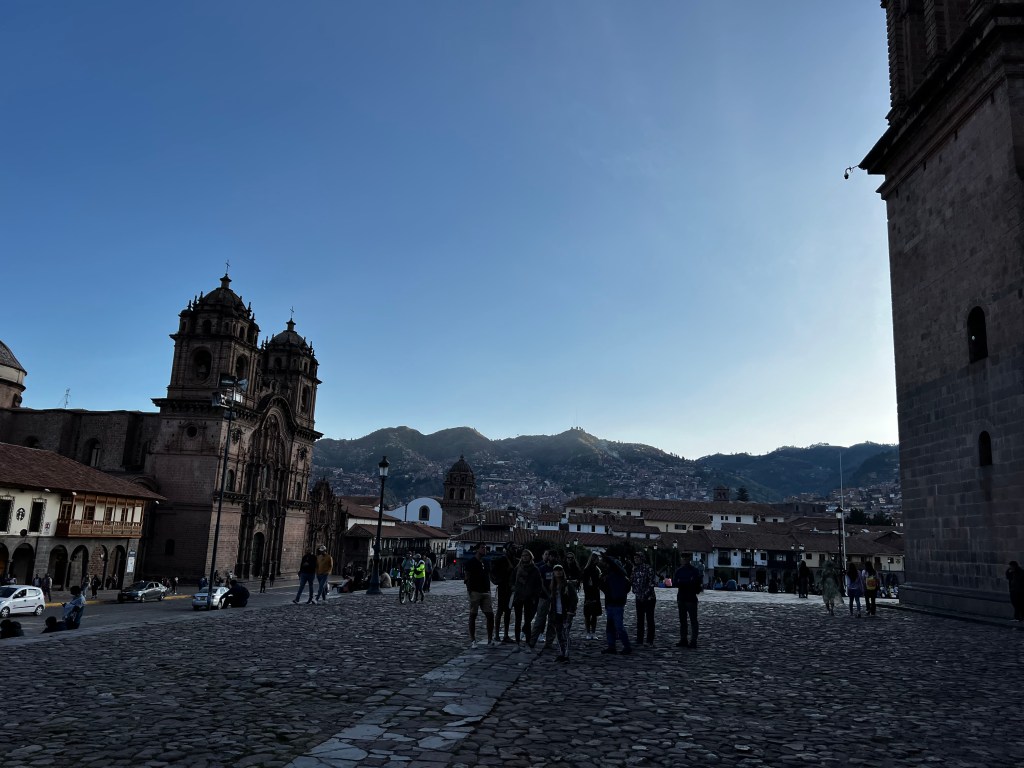
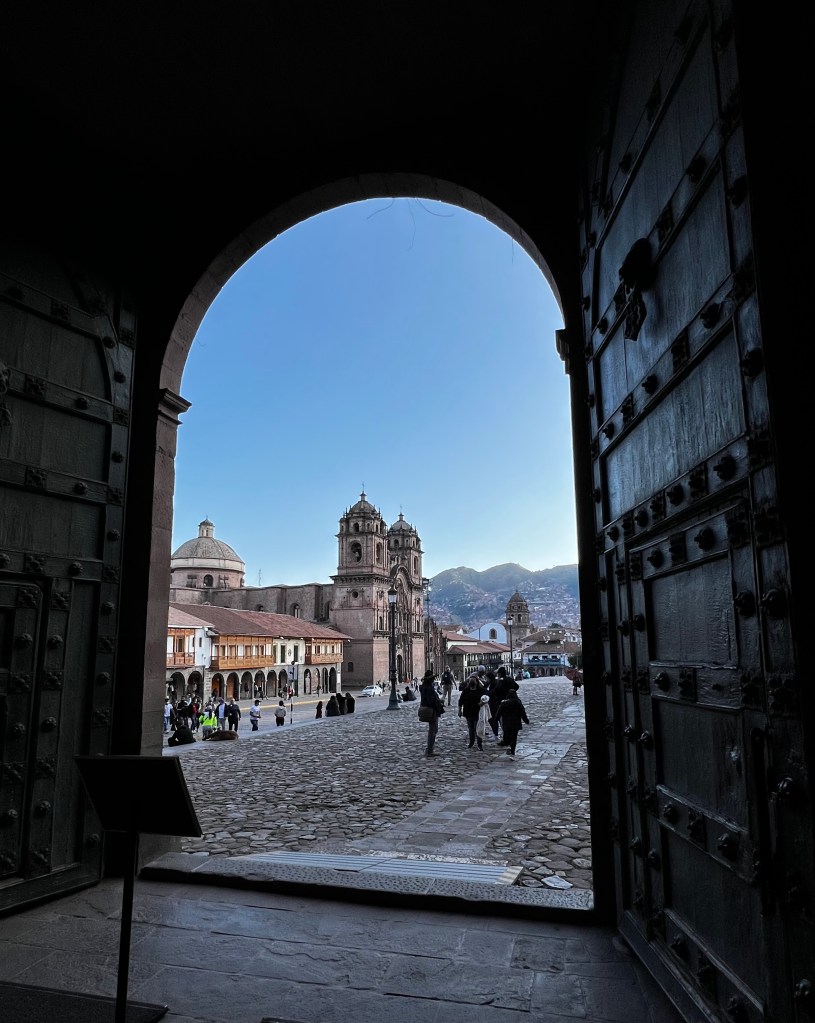
Both Larkin and I had been taking altitude pills. We found out our extremities would often tingled over the many days we were at high altitude. My oxygen mostly stayed over 90% – but the meds didn’t seem to help the speed of our walking…nice and slow and deliberate with tons of stops!
The Inca’s controlled territory from Quito to Santiago making it the largest empire in the America’s and the largest in the world at the time. Cusco is located on an ancient glacial lake bed and the meeting point of three rivers. The Inca’s were known to adapt and not destroy the environment. They made the rivers into canals and diverted the water to make space for their city. Cusco was the administrative and religious capital and the inhabitants must have had incredible lungs to adapt to the lack of oxygen at this altitude!


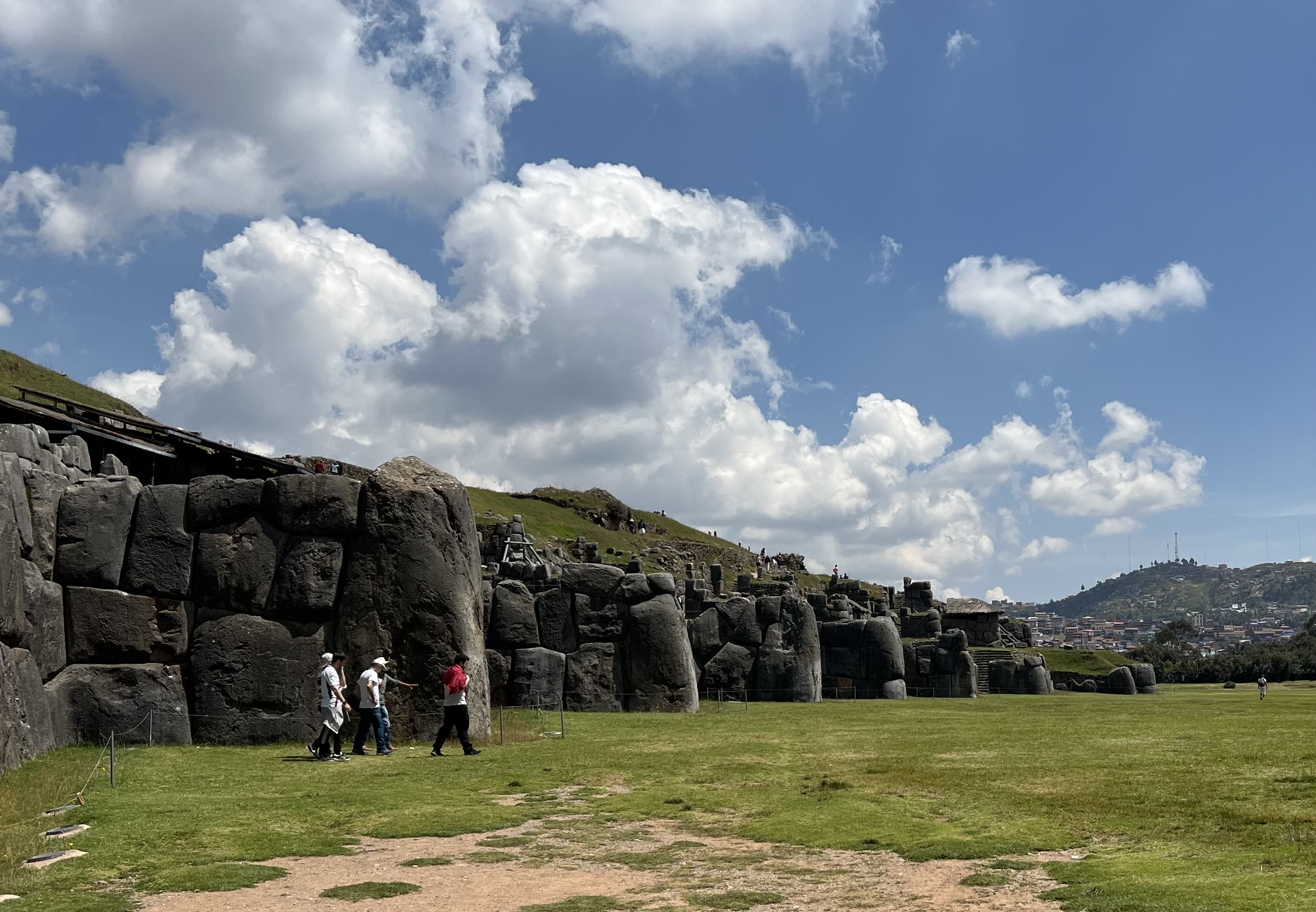
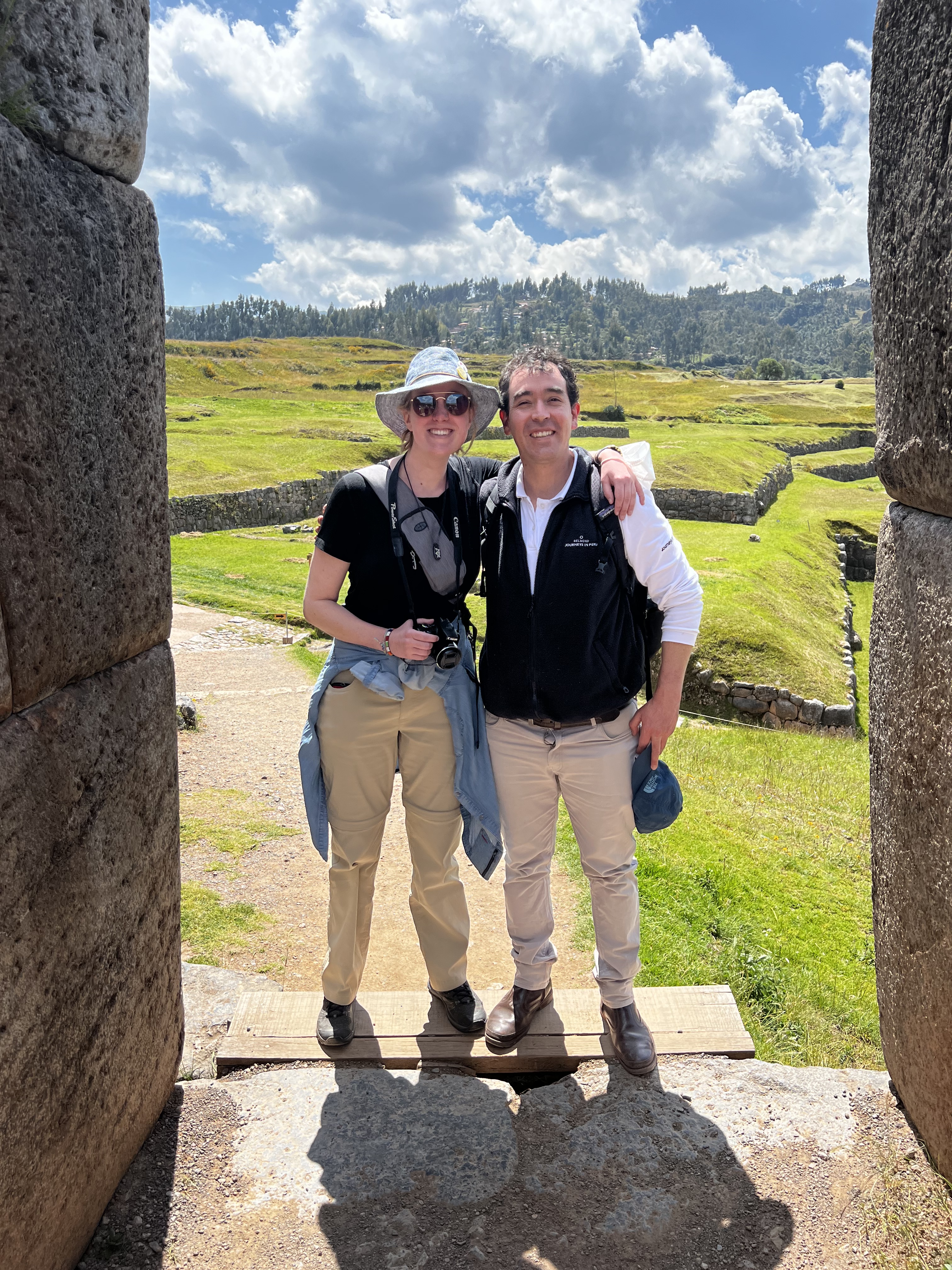
The next day was the day we were suppose to take the train for an overnight at the Sanctuary Lodge in Machu Picchu. We discovered by accident that one of the best months to be in Peru is April. They open up new routes on trains and the weather is the best. Sergio took us up the hill to another Quechuan area, a citadel called Saqsaywaman…meaning Royal Eagle.

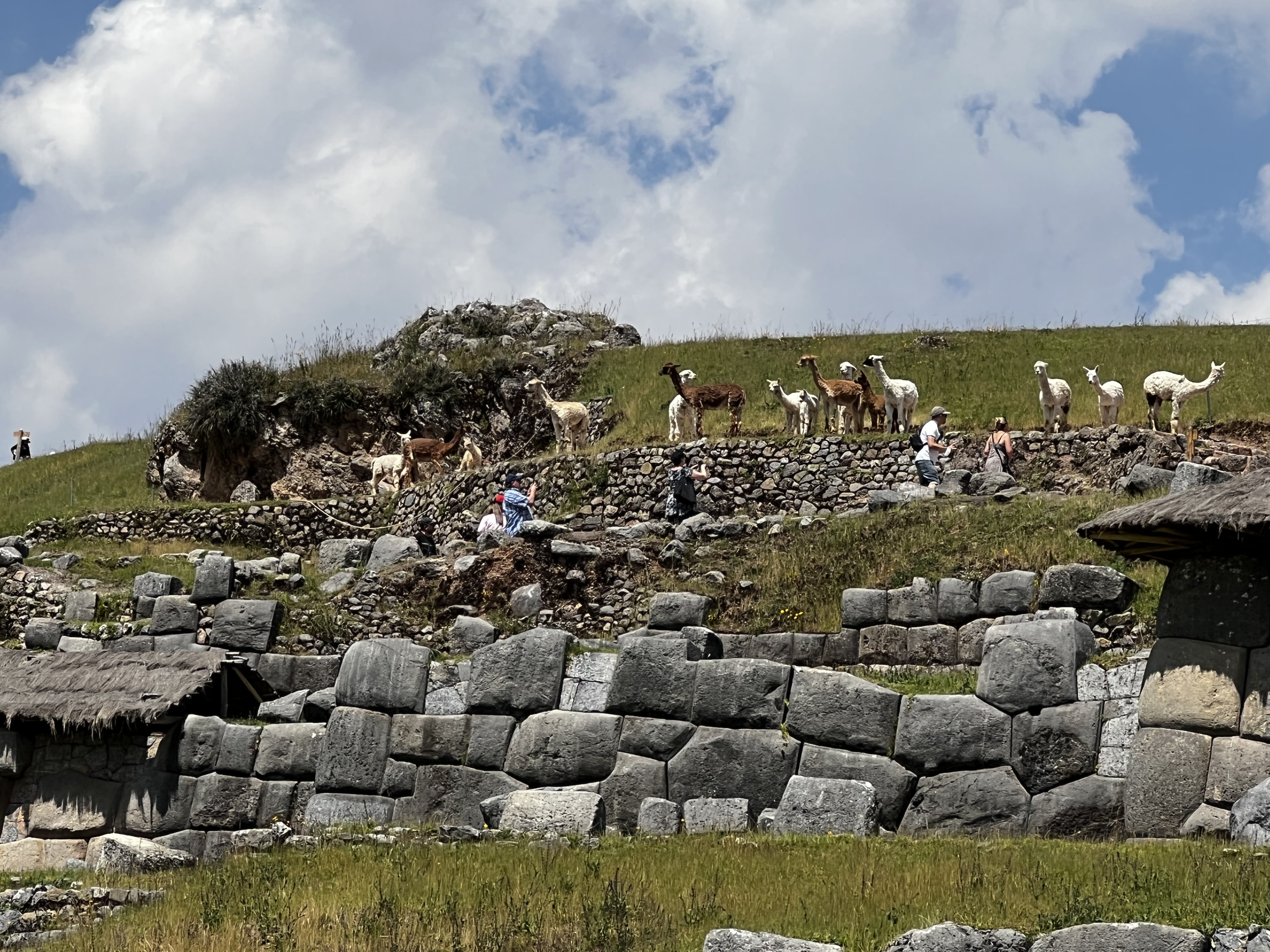
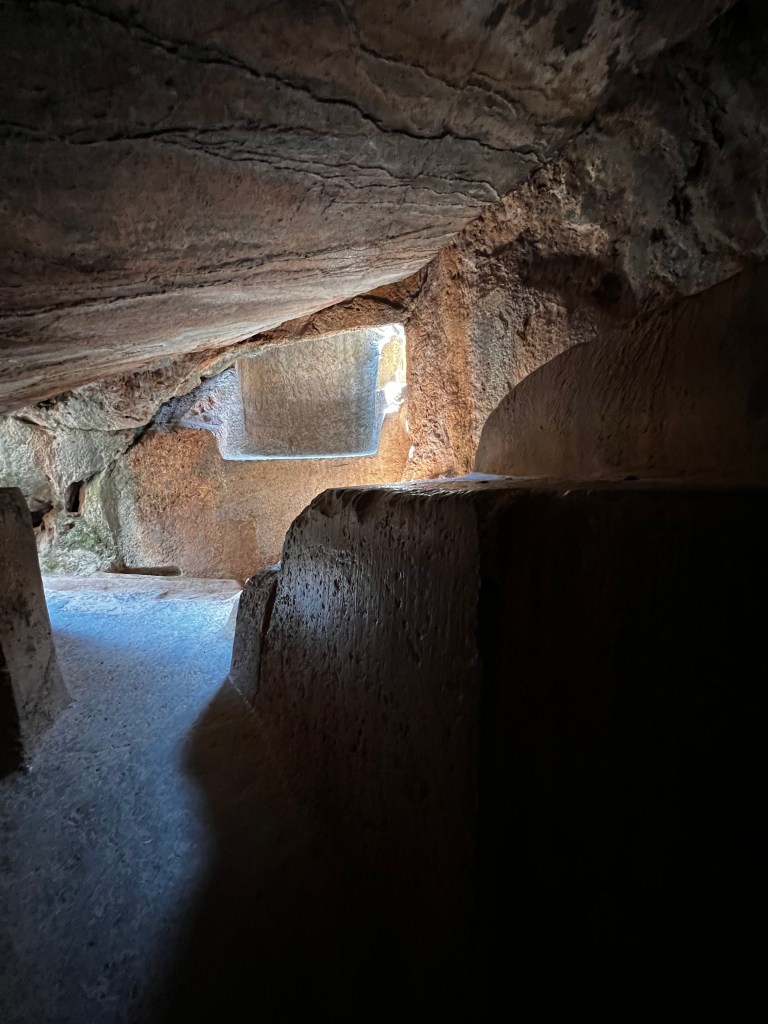
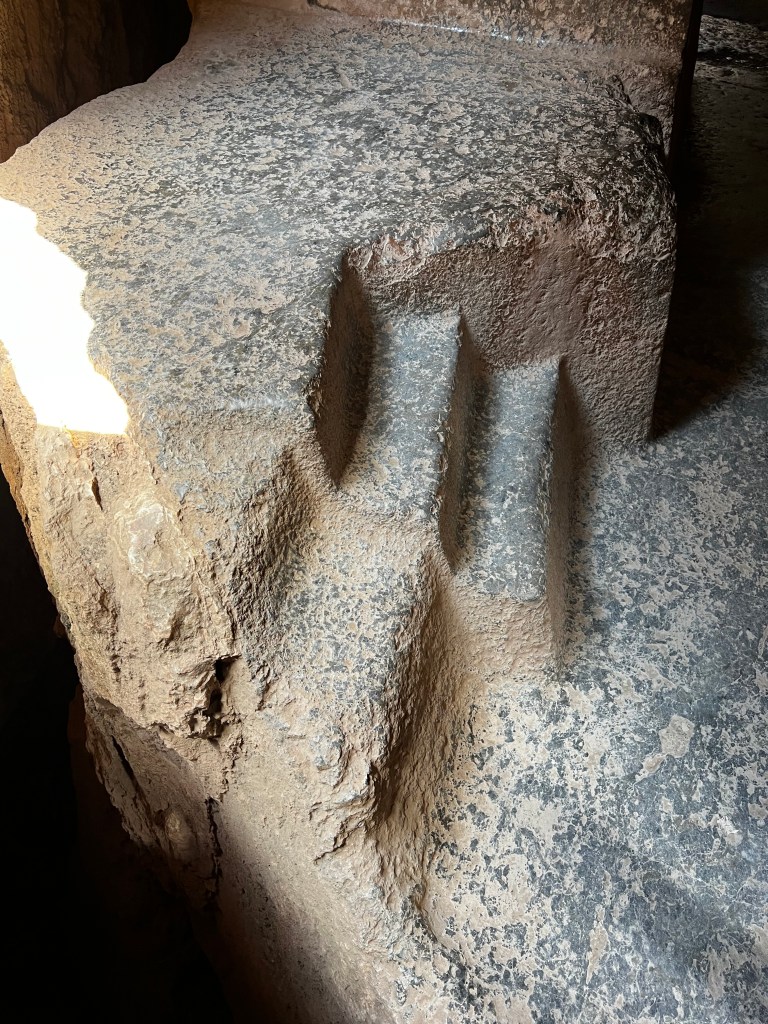
This Inca fortress is the largest structure built by the Incas. It was constructed during the reign of Pachacuti and son between 1437-1471. Its massive well-built walls are a testimony to Inca power and its architects. They blended this monumental structure into the natural landscape. The first structures were only mud and clay but were replaced with magnificent stonework with huge finely cut polygonal blocks many over 4 meters high and weighing over 100 tons. The Inca’s had a system of extracting goods and labor from people they conquered. They rotated 20,000 laborers doing both quarry duties, digging trenches, and laying the foundations. Each wall was probably the responsibility of one ethnic labor group. Blocks were quarried and shaped using harder stones and bronze tools. Blocks were moved using ropes logs, poles, levers, and earthen ramps. The fine cutting and setting was so precise that mortar was not necessary. The walls were sloped to minimize earthquake damage which after 500 plus years has proven to be efficient! The final finished surface was provided using grinding stones and sand.
The fortress complex was used as a location for Inca ceremonies. These included temples to the Sun God Inti. In theory Cusco is laid out to form a puma shape and Sacsayhuaman is its head.
For decades after the Spanish arrived anyone could haul away any of the stones that they found. Many were reused in the colonial buildings of Cusco. The ruins were covered in earth to prevent their use by rebel Inca forces and the site wasn’t rediscovered until 1934 when excavation began.
Often Llamas and or Alpacas, both south American camelids are brought in to various tourist locations so we tourists can enjoy them. Both are natives of Peru . Llamas are much larger than Alpacas and weigh up to 400 pounds. They have long banana shaped ears and longer noses with less fur on their face. Their fur is thicker and coarser so it is not generally turned into clothing. Their tails are shorter and straighter and usually stick up. They make great trekkers to carry gear.
Alpacas are smaller at around 120-150 pounds with straight shorter pointed ears and blunt nose faces with lots of fur. Their fiber is very soft and fine but doesn’t contain lanolin so it isn’t waterproof – but it is hypoallergenic. Their tails can be short and fluffy or long and curly but slop or hang down from their back. Alpacas are generally sweeter but both are known to spit on people.
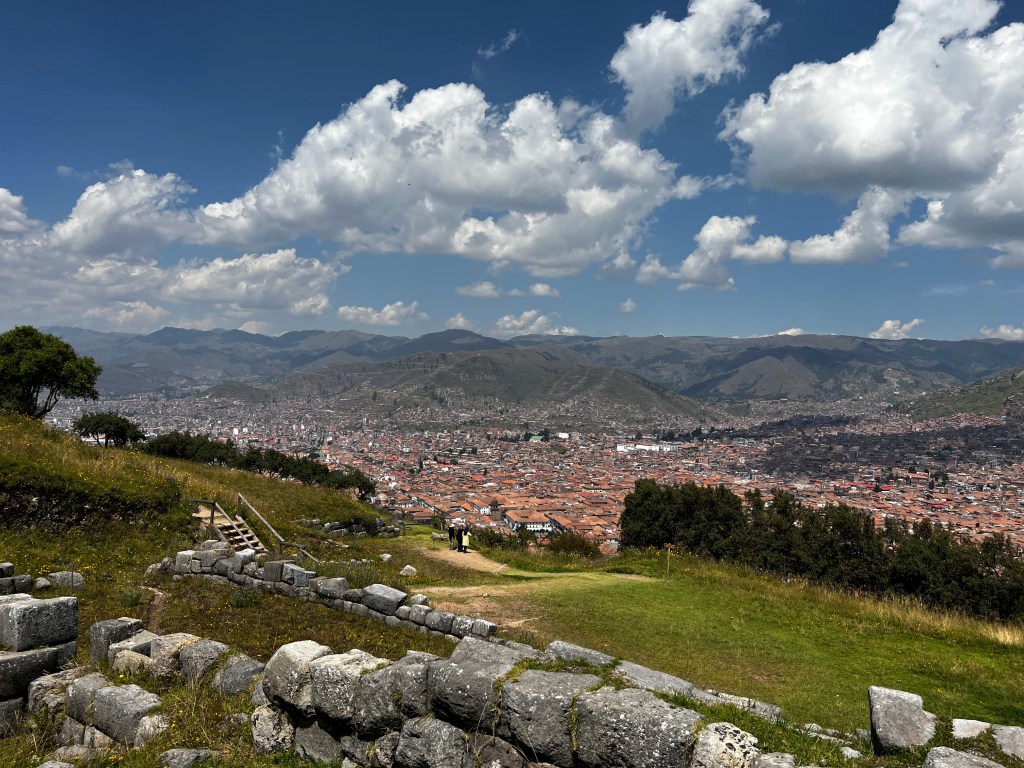
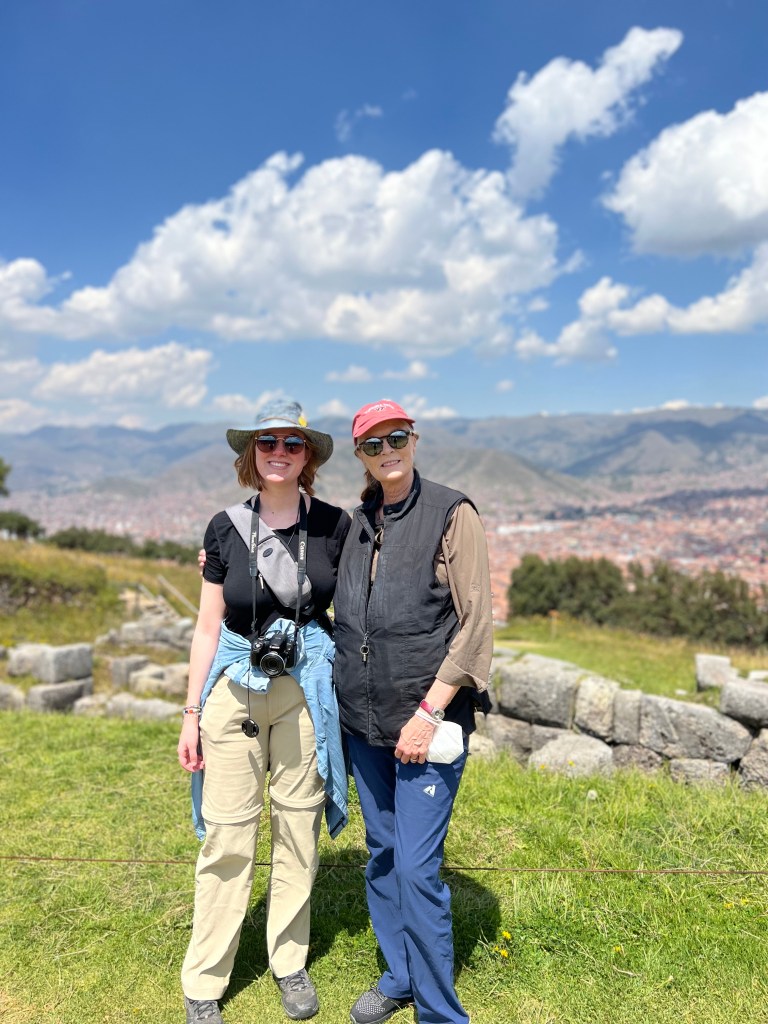
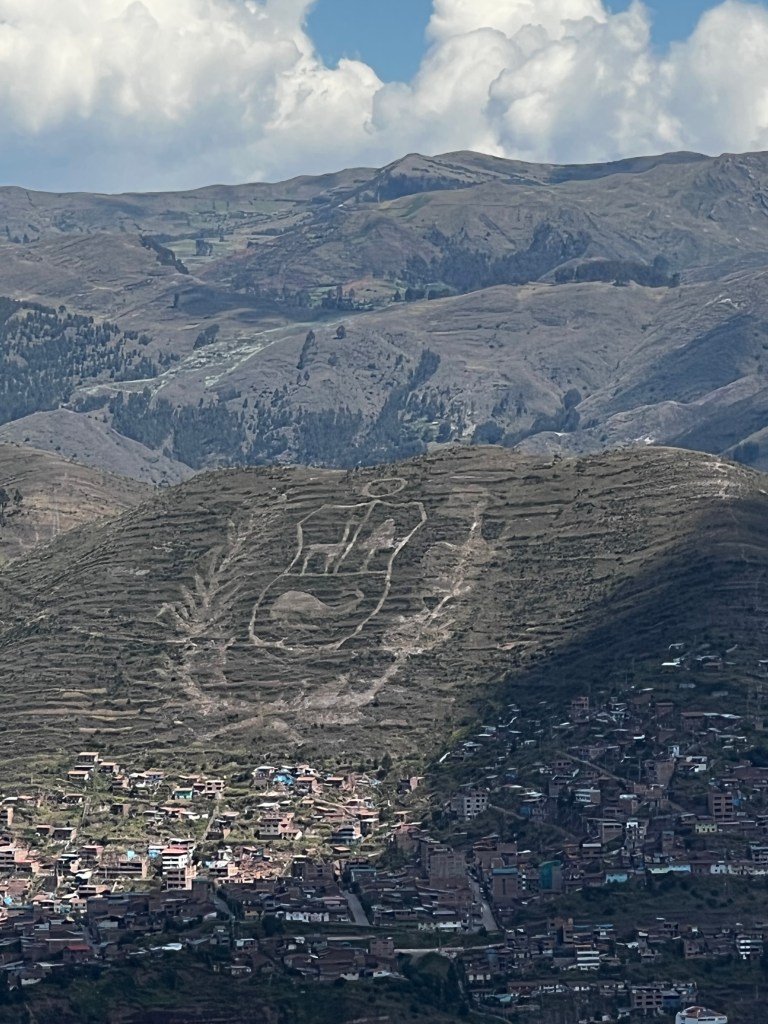


We looked down and saw a plaza from Sacsayhuaman and I took a video with protesters chanting and singing. It was small and very peaceful. Video’s do not load on wordpress. Oh well. Sergio also tried to show us the local market but it was also closed due to the strike.
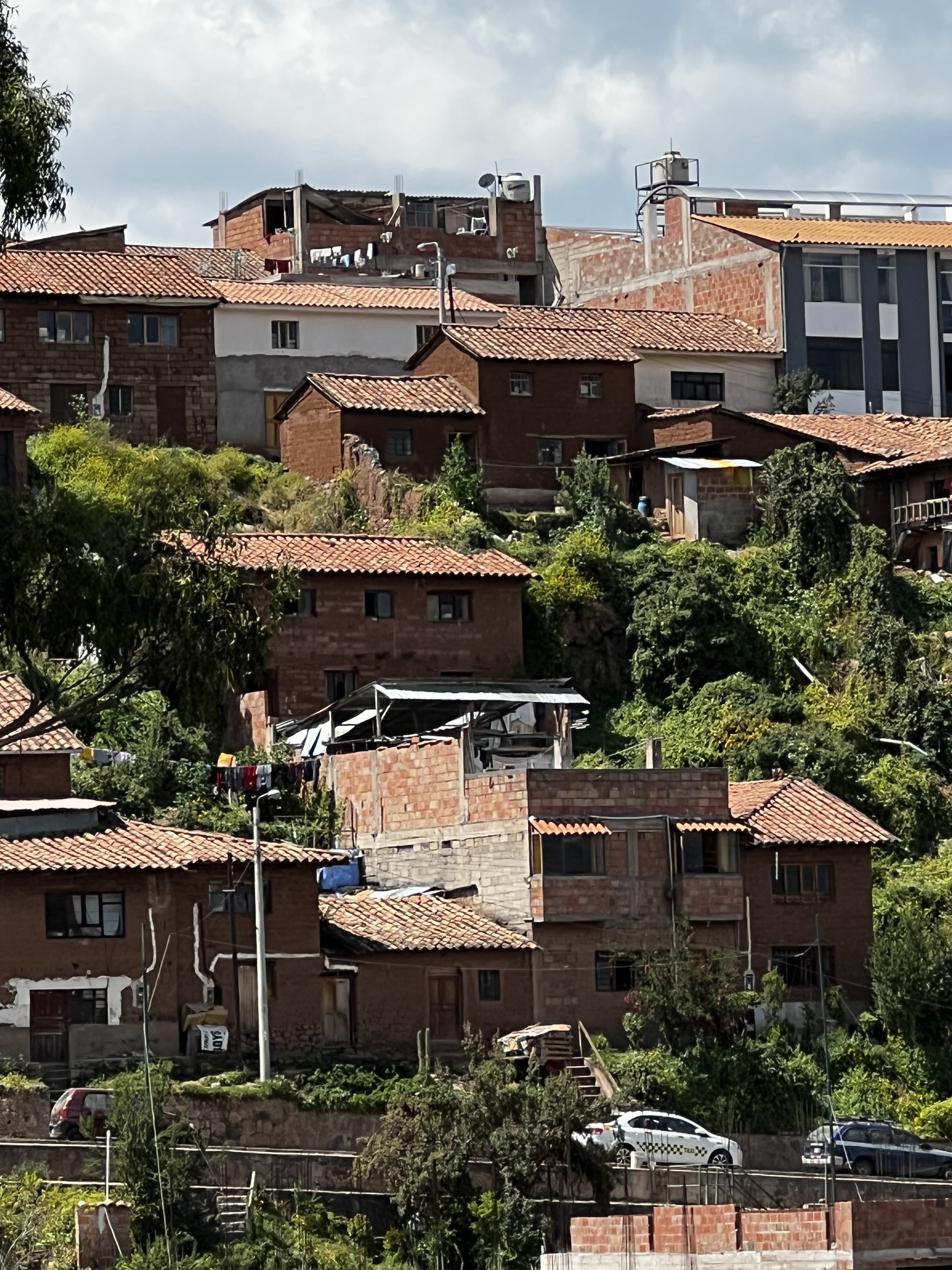
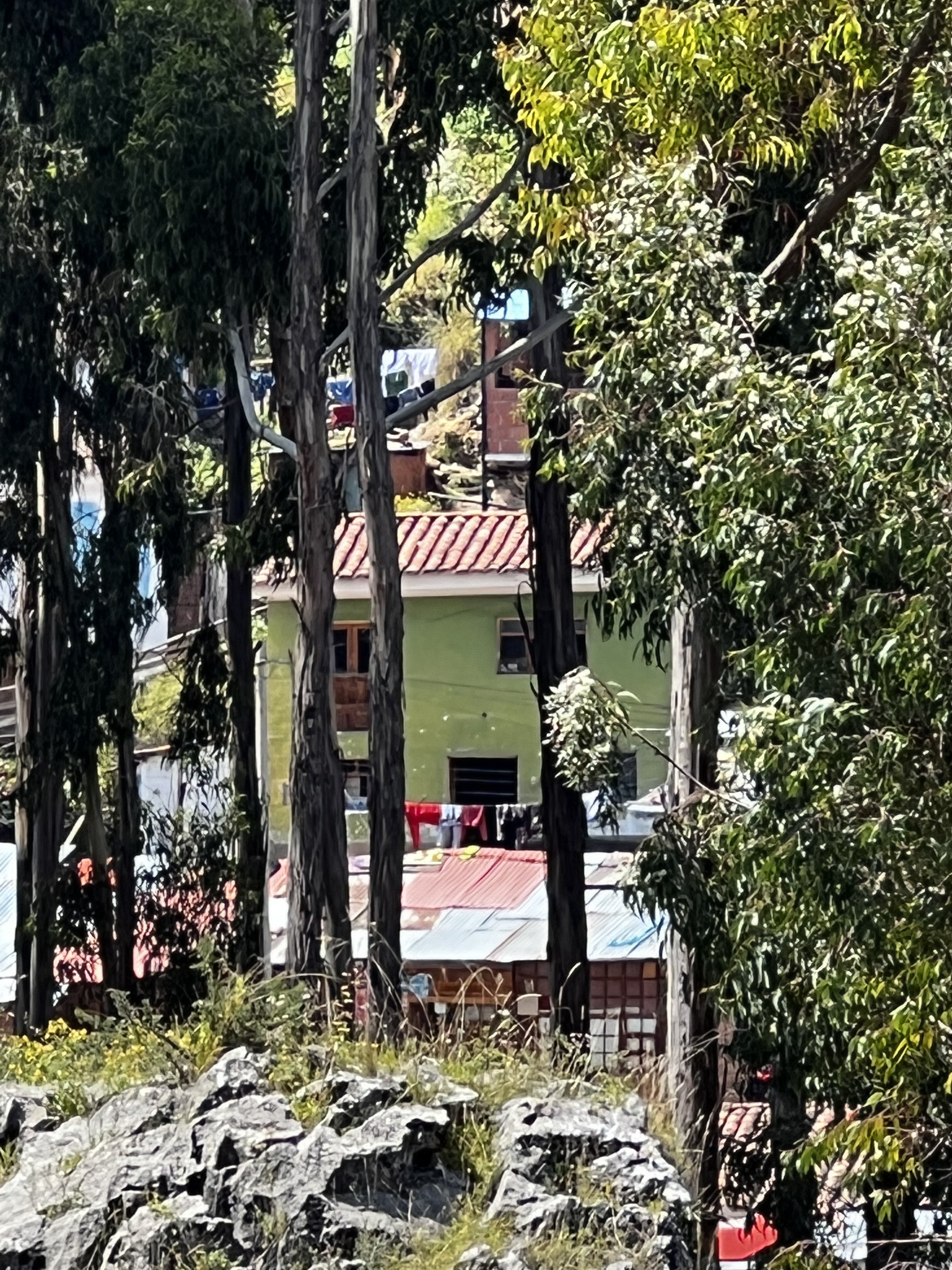
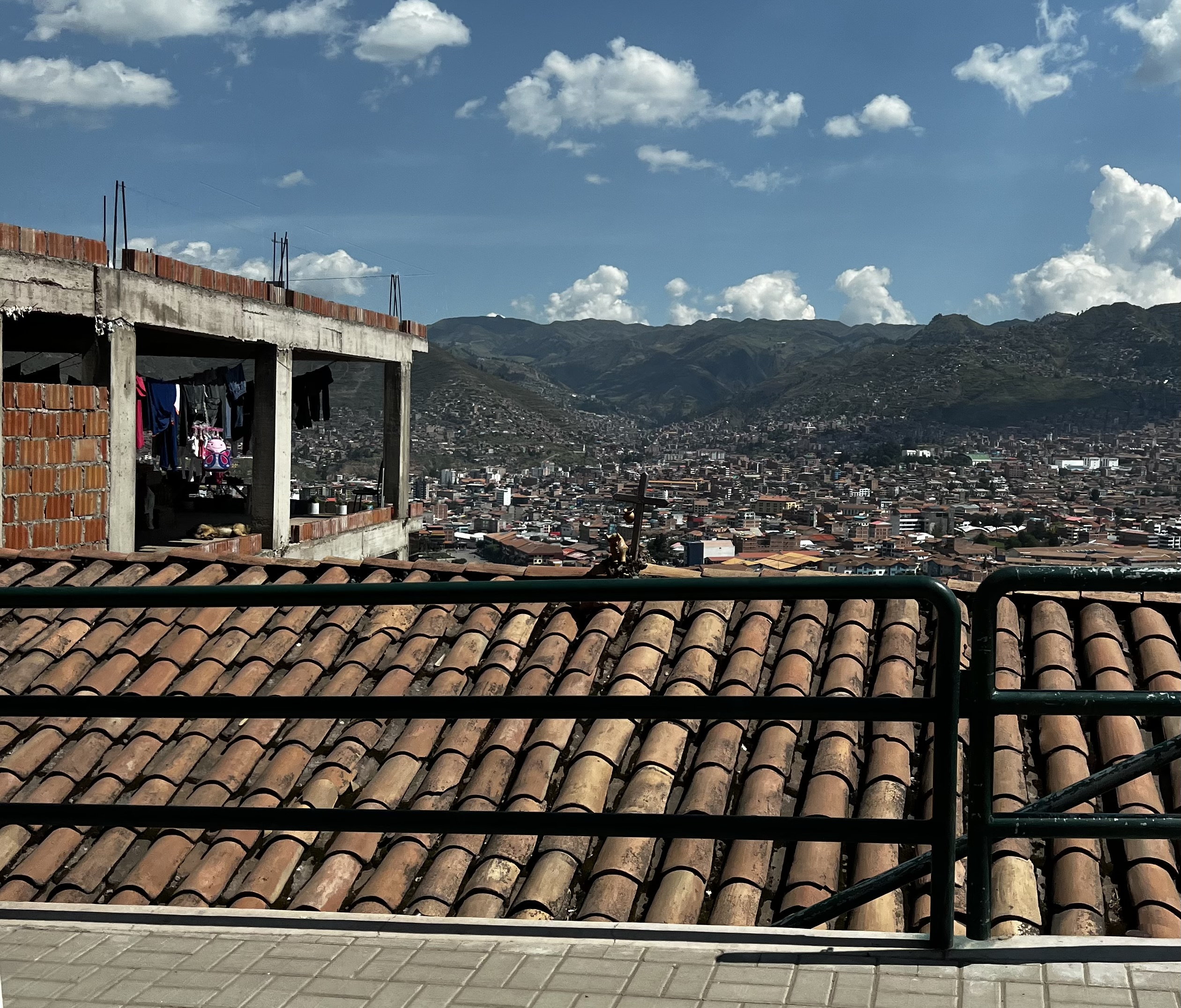

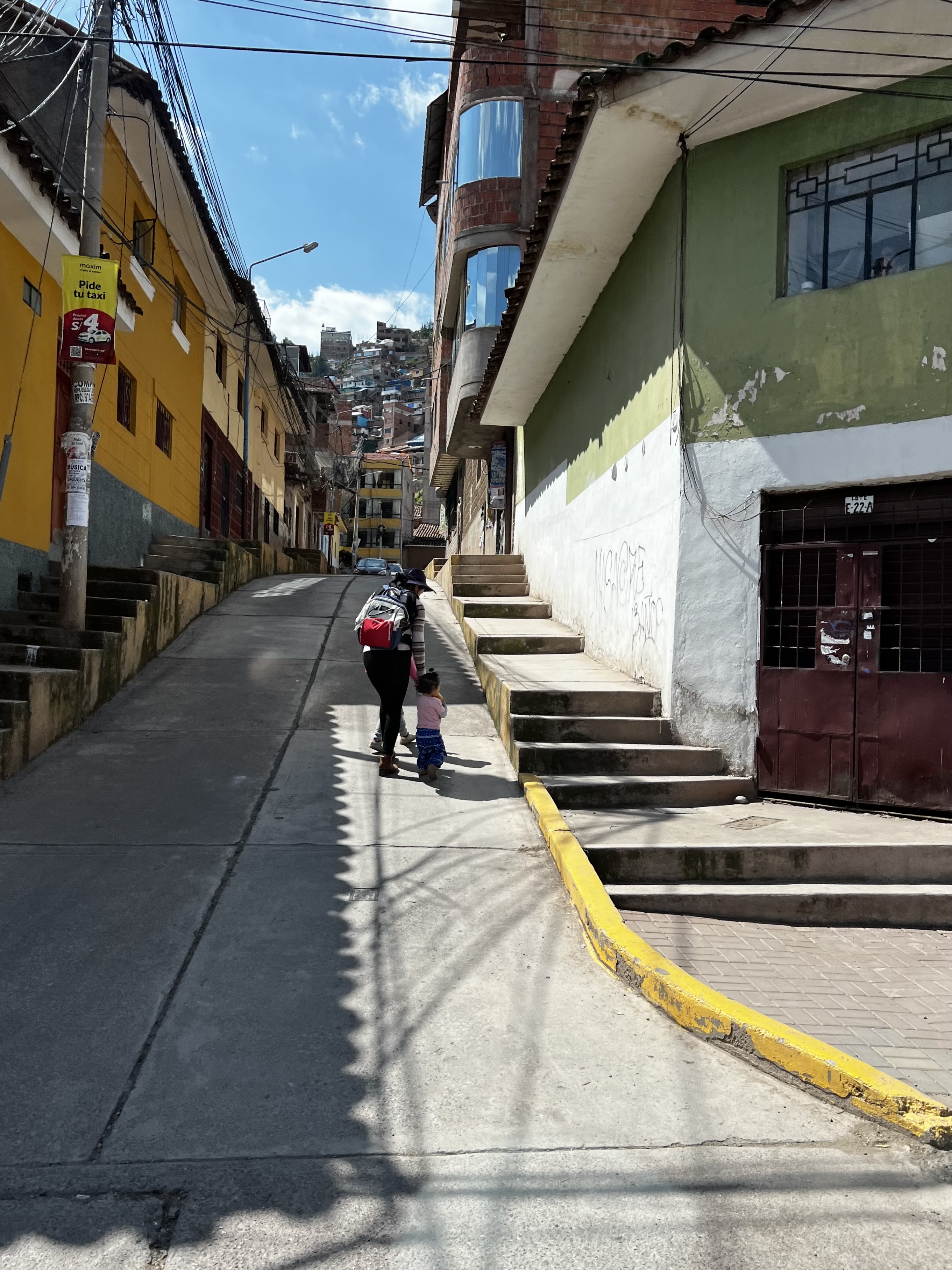
There were opportunities to spot laundry on the streets driving up and down the very narrow streets from Sacsayhuaman.
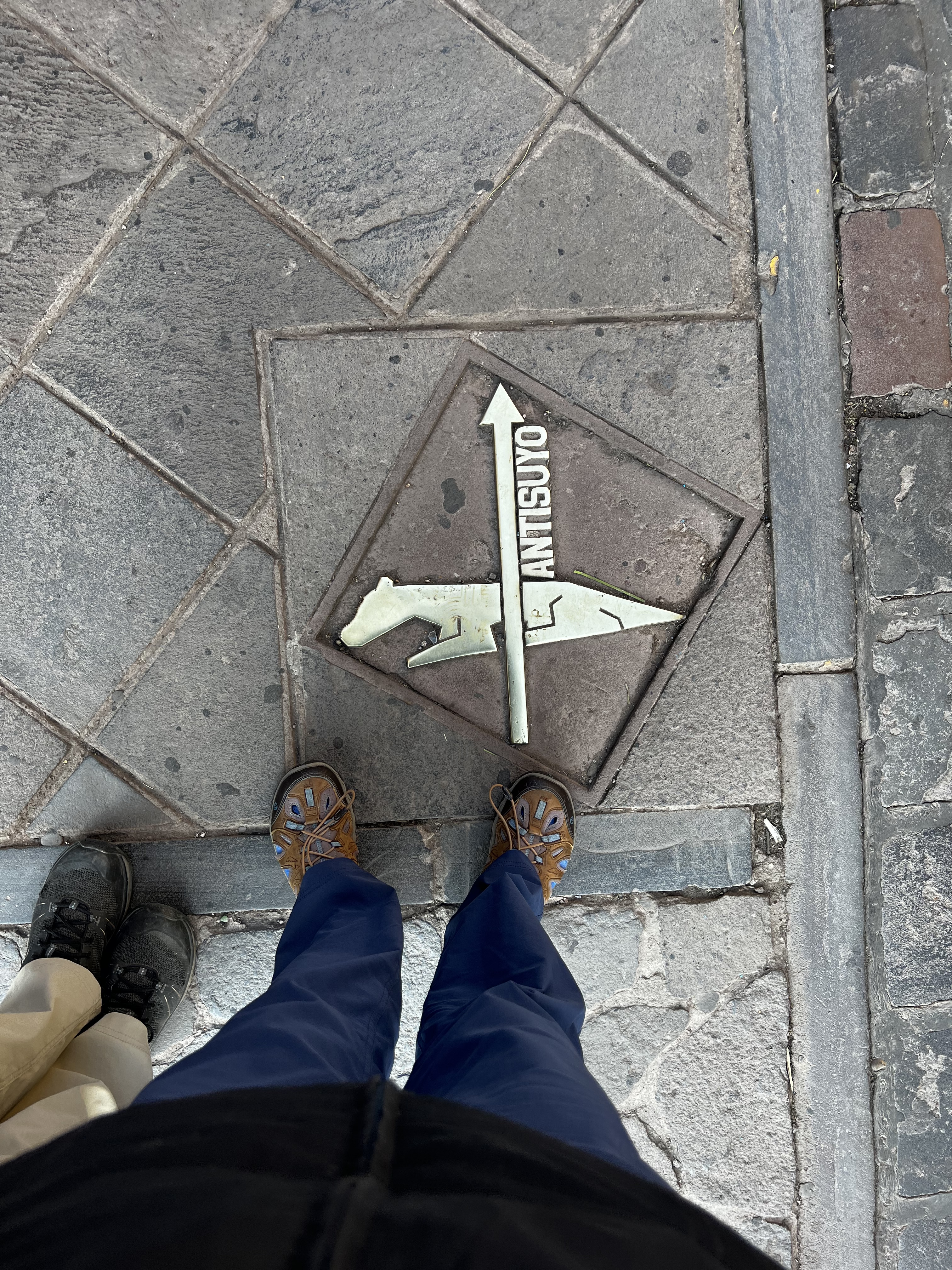
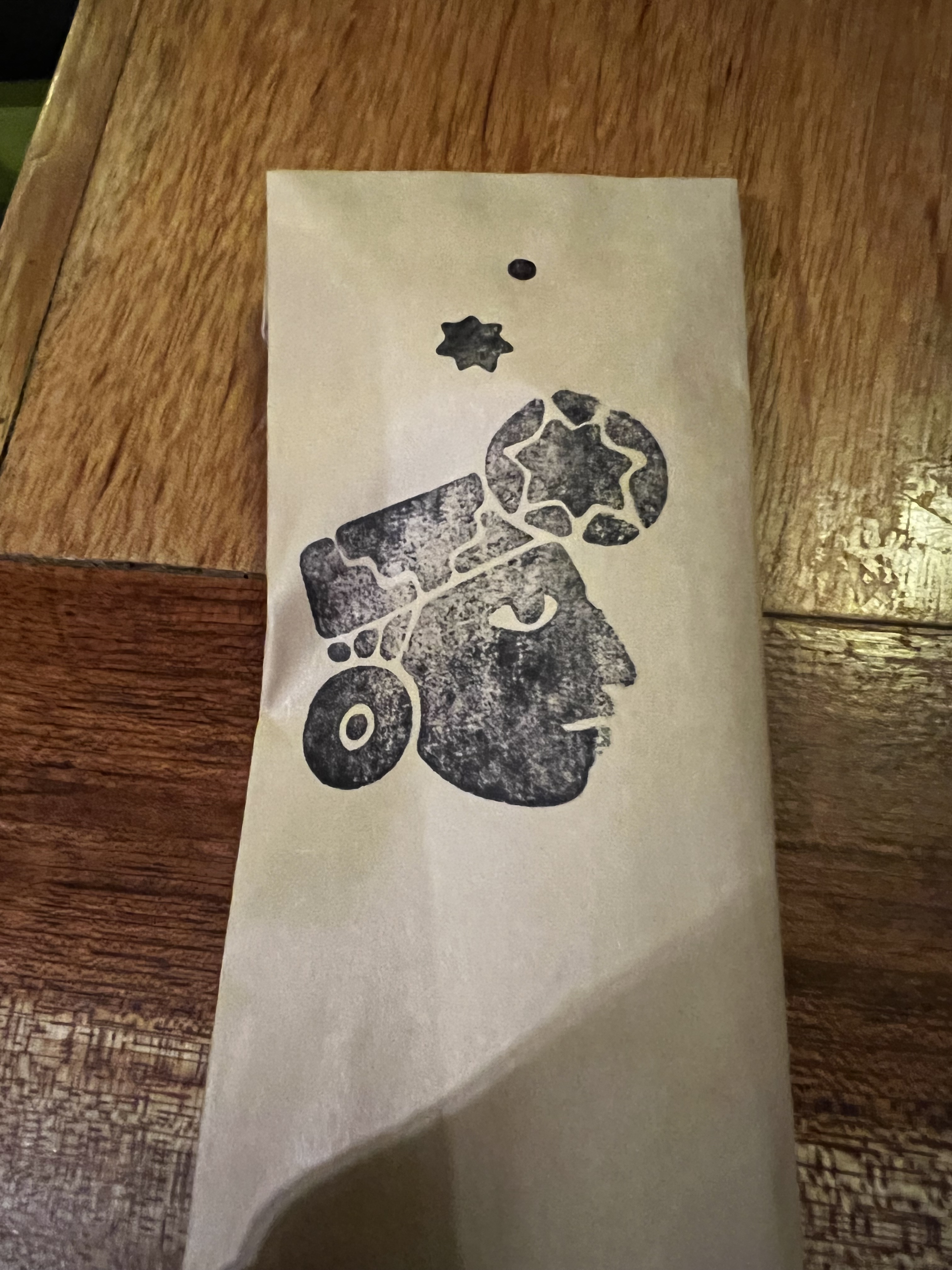
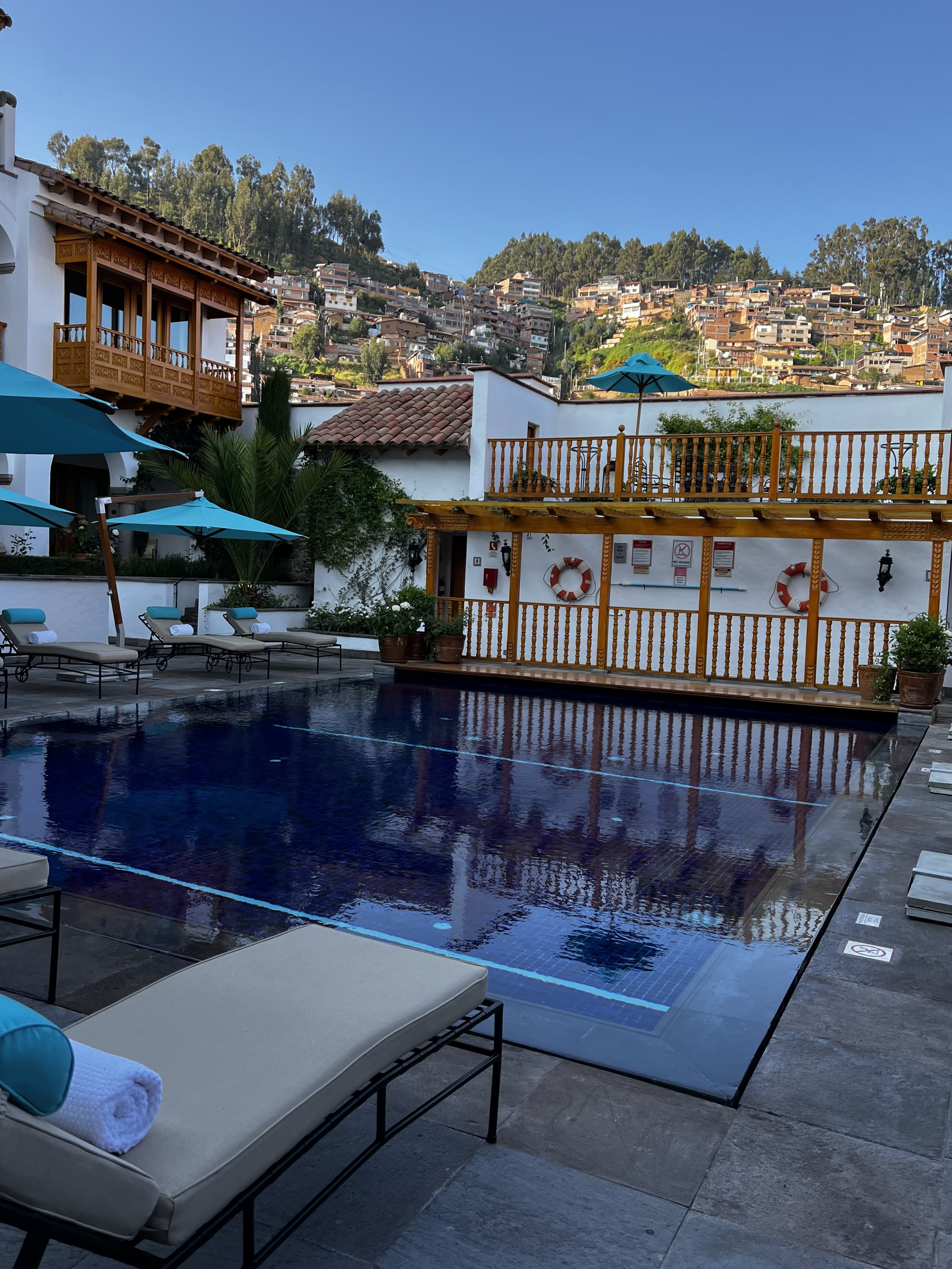
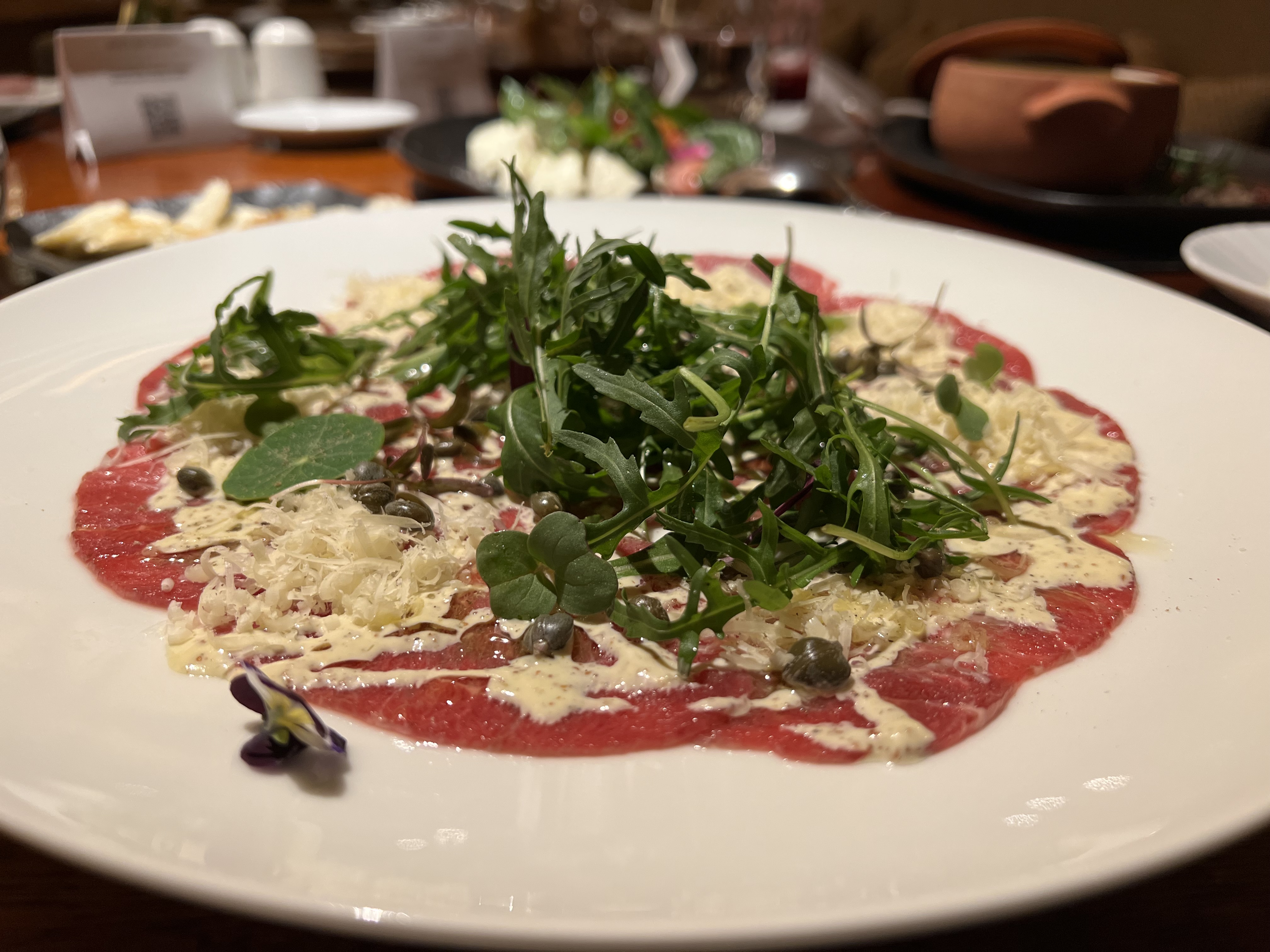

From a Puma embedded in the street to Inca heads on a napkin to the sunset view over the pool at Belmond Palazios Nazarenes and all the fabulous foods – Cusco mesmerized the two of us. The strike was finally called off and we were now ready for a good nights sleep and the train adventure to Machu Picchu.
 THE TRAVELING MARTINI'S
Again, Excellent work… my system on videos is to create a YouTube on my site, then put the link in my blog… seems to work well
LikeLike
Great idea…now to remember it!
LikeLike
Following carefully! This one is in my travel wish list. Enjoy!
LikeLike
Its a very worthy bucket list! do it while you can with the boys that will join you!
LikeLike
Thank you for sharing your travels and pictures. When we were there in 2009 it was the farmers who were on strike and blocking the roads.
LikeLike
No altitude sickness? TOM got me a great sweater up there; Love it
Debbie what a hike and trip
LikeLike
They have wonderfully soft fabrics – alpaca and vicuna especially…
LikeLike